Lake of the Ozarks Costs $400 a Night on Summer Weekends — Then Missouri’s Quietest Economy Takes Over
We may earn money or products from the companies mentioned in this post. This means if you click on the link and purchase the item, I will receive a small commission at no extra cost to you ... you're just helping re-supply our family's travel fund.
Lake of the Ozarks is a 1,150-mile-shoreline reservoir created by a hydroelectric dam in 1931, and for eleven months of the year it functions as a modest, working-class stretch of central Missouri. Then Memorial Day arrives, and the population within a few miles of the shoreline multiplies several times over, boat rental prices spike, lakefront home rentals that go for $150 a night in April jump to $400 or more, and restaurants that seat forty people start turning away lines out the door.
The Dam That Built an Economy
Bagnell Dam, completed in 1931 on the Osage River, was built primarily to generate hydroelectric power for Union Electric, now Ameren Missouri. The lake it created was, for decades, an accidental tourism asset rather than a planned one — nobody flooded the valley to build a resort economy, but that’s what emerged anyway, as Depression-era and postwar Missourians found a 54,000-acre lake within driving distance of St. Louis and Kansas City.
That geography is still the whole story. Lake of the Ozarks sits roughly three hours from both major Missouri metro areas, close enough for a weekend trip without a flight, which has made it one of the most heavily visited domestic lake destinations in the Midwest, drawing an estimated 5 million visitors annually according to regional tourism figures.
The Actual Cost of a Summer Weekend
- Lakefront condo or house rental, peak summer weekend: $350 to $600 per night depending on shoreline mile marker
- Pontoon boat rental, full day: $300 to $500
- Slip fees at marinas during peak season: $40 to $75 per night for transient docking
- Dinner at a lakefront restaurant like Shady Gators or Coconuts: $25 to $45 per person before drinks
The lake is famously organized by “mile markers” rather than addresses — everything is described by its distance from the dam, and prices generally rise the closer you get to the well-developed stretches around the Bagnell Dam Strip and the Horseshoe Bend area, while cheaper, quieter shoreline exists further out toward Warsaw and the lake’s upper arms.
Who Actually Lives There Year-Round
The year-round population of the towns ringing the lake — Osage Beach, Camdenton, Lake Ozark — is a fraction of who’s there on a July Saturday. Osage Beach’s year-round population is around 5,600, but its retail base, anchored by an enormous outlet mall, is built to serve a summer population many times that size. The local economy runs on a strange bimodal rhythm: businesses that make most of their annual revenue in a twelve-to-sixteen-week window, then coast or close seasonally through the winter.
This creates real strain on service workers, many of whom commute in from cheaper housing further from the shoreline because lakefront rental prices, even for long-term leases, have risen well beyond what seasonal restaurant and retail wages support. The area’s workforce housing shortage during peak season is a recurring local news topic in central Missouri, with some employers reportedly having to provide staff housing to keep enough workers for the summer rush.
The Rest of the Year Is a Different Place Entirely
By October, boat traffic drops sharply, many restaurants shift to weekend-only hours or close until spring, and the lake becomes what it is for most of its calendar: a quiet, fairly affordable stretch of the Missouri interior where retirees and remote workers can buy waterfront property for a fraction of coastal or Great Lakes prices. Off-season lakefront homes that rent for $400 a night in July can be found for sale in the $300,000 to $400,000 range, which is a fraction of comparable waterfront property in Michigan, Minnesota, or the Northeast.
That gap between the frantic summer economy and the sleepy winter one is the actual story of Lake of the Ozarks — a place that has built its entire identity, and a meaningful chunk of its regional economy, around roughly one hundred days a year.
The Boat Culture That Defines the Region
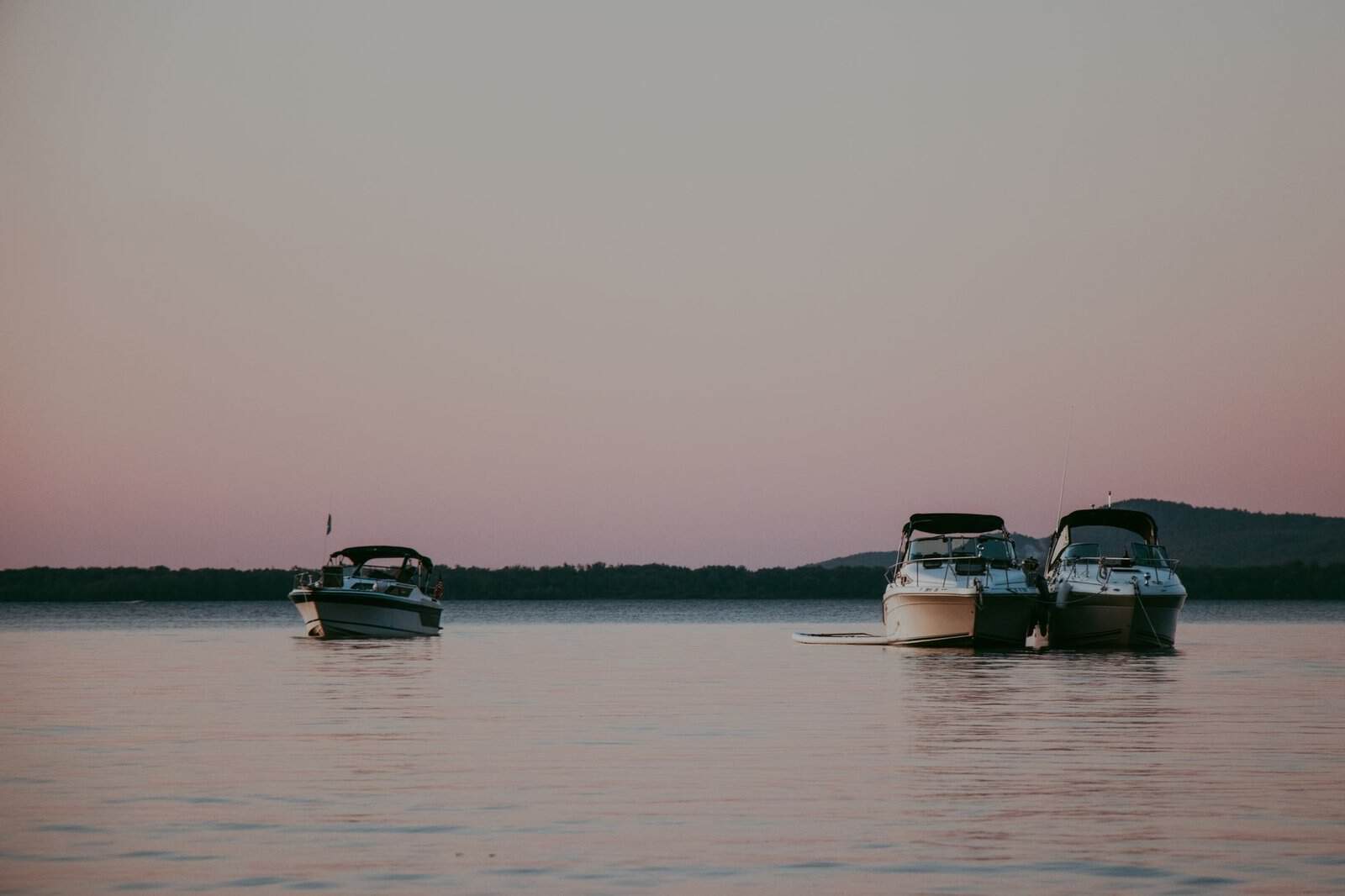
Lake of the Ozarks has developed a specific reputation within Midwest boating circles for its party-cove culture, particularly around areas like Party Cove near the Route 5 bridge, where hundreds of boats raft together on peak weekends. That reputation has drawn its own kind of criticism and its own kind of loyal following, and local law enforcement, including the Water Patrol division of the Missouri State Highway Patrol, maintains a heavy summer presence specifically to manage alcohol-related boating incidents that spike during the busiest weekends of the year.
The lake also supports a genuinely large bass fishing tournament circuit, with several major professional tournaments held there annually, drawing a different, quieter visitor demographic than the party-boat crowd and reinforcing that Lake of the Ozarks isn’t a single kind of destination but several different tourism economies stacked on top of the same body of water depending on which cove, which season, and which weekend you show up.
The Lake of the Ozarks outlet mall in Osage Beach, one of the largest outlet shopping centers in the Midwest, adds yet another visitor category entirely — shoppers who may never set foot on a boat but still drive hours specifically for the retail discounts, filling hotel rooms on weekends that don’t necessarily coincide with peak boating traffic. That third visitor stream gives the area’s hospitality businesses a bit more year-round stability than a purely boating-dependent economy would provide, though it still concentrates heavily in the same May-through-September window that defines the lake’s entire commercial calendar.
Development Pressure Along the Remaining Shoreline
Undeveloped shoreline at Lake of the Ozarks has become increasingly scarce, and new construction has shifted toward denser condominium developments rather than the single-family lake cottages that once dominated the shore. Local zoning boards in Camden and Miller counties have fielded a steady stream of new development proposals over the past decade, reflecting continued national demand for lake property even as the easiest and most desirable parcels have already been built out. That scarcity is likely to push prices higher over time in exactly the pattern seen at other heavily developed Midwest lake destinations, meaning the summer weekend rates that already rival small coastal towns are unlikely to moderate anytime soon.