Paris Is Farther North Than Montreal. 7 Ways Europe’s Latitude Catches American Winter Travelers Off Guard
We may earn money or products from the companies mentioned in this post. This means if you click on the link and purchase the item, I will receive a small commission at no extra cost to you ... you're just helping re-supply our family's travel fund.
Paris sits at about 48.9 degrees north latitude. Montreal sits at about 45.5 degrees north. That means the French capital is farther north than a city most Americans picture as frozen and snowy. Europe winter daylight surprises a lot of travelers for exactly this reason. Much of Europe sits at latitudes that, in North America, would put you in Canada.
London, at about 51.5 degrees north, is slightly farther north than Calgary. Berlin and Amsterdam are both above 52 degrees. Rome, often thought of as a sunny southern city, sits at about the same latitude as Chicago, and Madrid is close to New York. Europe feels milder than its latitude suggests because of the Gulf Stream and the North Atlantic current, which carry warm water and air toward its western coasts.
That combination of mild-ish temperatures and northern latitudes can catch you off guard in December and January. Here are seven ways it shows up and how to plan around each.
7 Ways Europe Winter Daylight Catches Americans Off Guard
1. The Days Are Much Shorter Than at Home
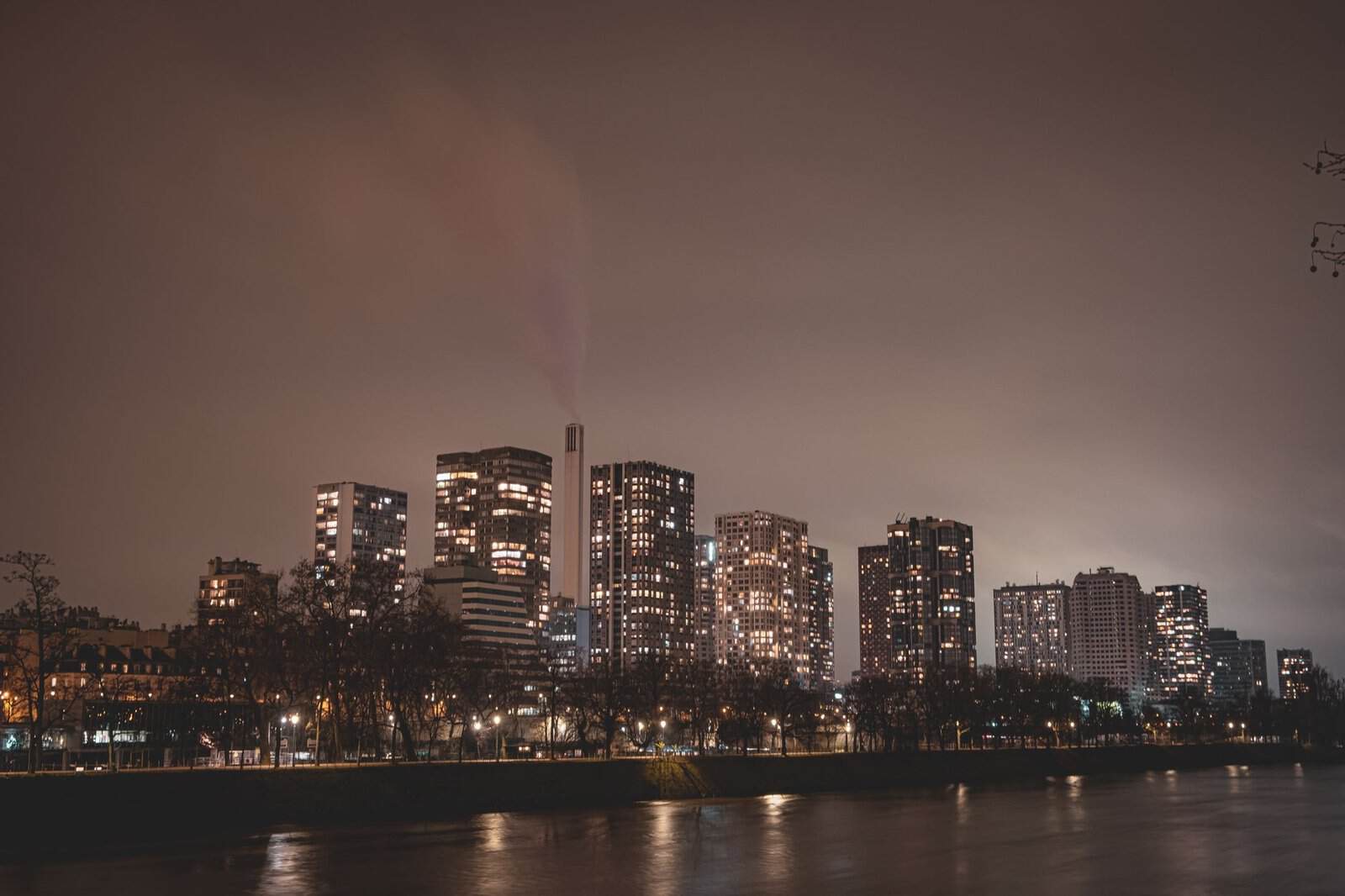
At the December solstice, London gets roughly 7 hours and 50 minutes of daylight. Paris gets about 8 hours and 15 minutes. Berlin gets about 7 hours and 40 minutes. For comparison, New York and Chicago get a little over 9 hours, and Los Angeles gets almost 10.
That missing hour or two adds up when you are trying to fit sightseeing into a short trip. Plan your outdoor activities and photo stops for the middle of the day, and save museums, dinners, and shows for the dark hours.
2. Sunrise Comes Later Than You Expect
Time zones make the short days feel stranger. Most of western and central Europe uses Central European Time, including France and Spain, even though they sit far west of the zone’s center. That pushes sunrise late.
In late December, the sun rises in Paris around 8:40 a.m. In Madrid, it rises around 8:35 a.m. In Amsterdam and Brussels, it comes up around 8:45 a.m. If you head out at 7:30 a.m. expecting daylight, you will be walking in the dark. Sunset in Paris comes before 5 p.m.
3. It Is Mild, but Gray and Damp
Because of the ocean influence, many western European cities stay above freezing much of the winter. Average December highs in London and Paris are usually in the mid-40s Fahrenheit. That sounds easy compared with Minneapolis.
The catch is humidity and clouds. Damp cold feels colder than dry cold, and western Europe gets long stretches of overcast skies and drizzle in winter. Pack a waterproof jacket, warm layers, and waterproof shoes rather than just a heavy coat. You will be walking a lot on wet stone.
4. Sights Close Earlier in Winter
Many attractions shift to winter hours, closing earlier as days get shorter. Gardens, outdoor monuments, castles, and some churches may close by 4 or 5 p.m. Last entry is often 30 to 60 minutes before closing.
Check winter opening hours before you go, and book timed tickets where available. Pair outdoor sights with morning or early afternoon visits, and leave late slots for museums that stay open later, many of which have one or two late nights a week.
5. The Nordic Capitals Are Very Dark
If your trip includes Scandinavia, daylight drops sharply. Copenhagen gets about 7 hours of daylight at the solstice. Stockholm gets around 6 hours. Oslo, at nearly 60 degrees north, gets under 6 hours. Helsinki gets roughly 6 hours as well.
Northern countries embrace the dark season with candles, Christmas lights, markets, and cozy cafes. It can be beautiful, but plan for it. Get outside around midday, and know that the sun will barely clear the rooftops in the far north.
6. Southern Europe Is Not Tropical in Winter
Rome, Barcelona, Lisbon, and Athens are milder than northern Europe, with December highs often in the 50s or low 60s Fahrenheit. But they are not beach destinations in winter. Nights get chilly, many buildings are not heated as Americans expect, and rain is common.
Rome gets about 9 hours of daylight at the solstice, similar to Chicago or New York. Lisbon and Athens get a bit more. Pack for cool, changeable weather, and you will be fine.
7. Jet Lag Hits Harder in the Dark
Flying east to Europe already causes jet lag. Arriving in the morning to a dark sky, or watching the sun set at 4:30 p.m. on your first afternoon, can make it worse. Sunlight is one of the main signals that resets your body clock, and you get less of it in a European winter.
To adjust faster, get outside in daylight as soon as you can after arriving, especially in the morning. Stay up until a reasonable local bedtime, and limit long naps.
How European Cities Line Up With North America
A quick latitude comparison helps reset expectations.
- London, about 51.5 degrees north: slightly north of Calgary.
- Paris, about 48.9 degrees north: north of Montreal and Seattle.
- Amsterdam and Berlin, about 52.4 to 52.5 degrees north: farther north than any major city in the Lower 48.
- Copenhagen, about 55.7 degrees north: around the latitude of the southern Alaska Panhandle.
- Stockholm and Oslo, about 59 to 60 degrees north: close to Anchorage, which sits a little farther north at about 61 degrees.
- Rome, about 41.9 degrees north: about the same as Chicago.
- Madrid, about 40.4 degrees north: close to New York.
Seattle, at about 47.6 degrees north, is the American city that feels most like a European winter: mild, damp, gray, and dark early. If you have spent a December there, you have a good preview of London or Paris.
Holiday Closures on Top of Short Days
Winter trips also run into holiday closures that shrink your sightseeing windows further.
- December 24: many shops and attractions close early, especially in Germany, Austria, and Scandinavia, where Christmas Eve is the main celebration.
- December 25 and 26: many countries treat both days as public holidays, so museums, shops, and some restaurants close.
- January 1: widespread closures.
- January 6: Epiphany is a public holiday in Spain, Italy, Austria, and parts of Germany, among other places.
Check opening hours around these dates, and book restaurants ahead for holiday meals.
Why Europe Is Milder Than Its Latitude
North America’s east coast has cold continental air that sweeps down from Canada. Western Europe, by contrast, sits downwind of the Atlantic, where the Gulf Stream and North Atlantic current carry warm water from the tropics. Prevailing westerly winds bring that milder ocean air ashore.
That is why London rarely sees snow while Calgary, at a similar latitude, often sits well below freezing. The farther east you go into Europe, the colder winters become, because the ocean’s influence fades. Vienna, Prague, and Budapest have colder winters than Paris or London.
How to Plan a Winter Trip Around the Dark
- Build your day around the light: outdoor sights in the late morning and early afternoon.
- Use the evenings for food, concerts, museums, and Christmas markets.
- Book indoor activities ahead, since they get busy when it is dark.
- Pack layers, waterproof shoes, and a hat.
- Expect beautiful low-angle light all day, which flatters photos.
What to Pack for Short, Damp Days
Packing for a European winter is less about extreme cold and more about staying dry and comfortable through long days on foot.
- A waterproof, breathable jacket with a hood, plus a warm mid-layer you can remove indoors.
- Waterproof shoes or boots broken in before the trip. Cobblestones, wet pavement, and long walks punish new shoes.
- Thermal base layers for Scandinavia, central Europe, and evenings at outdoor markets.
- A compact umbrella for cities with frequent drizzle, such as London, Amsterdam, and Paris.
- A small headlamp or phone flashlight for early mornings, rural walks, and dim stairwells.
- Vitamin D or a light therapy lamp if you are sensitive to short days, though that is a personal choice to discuss with your doctor.
Driving and Day Trips in the Dark
If you rent a car for day trips, the short days matter even more. Rural roads in the English countryside, the Scottish Highlands, Normandy, or the Alps can be narrow, winding, and unlit. Plan to reach your destination by early afternoon and leave time to return in daylight, or take trains, which run on schedule regardless of the hour.
Snow and ice add complications in mountain regions. Several countries, including Germany and Austria, have rules on winter tires in wintry conditions, so check rental terms before you drive.
The Upside of Short Days
Winter in Europe has its own magic. Christmas markets glow in the early dark, city lights come on by late afternoon, and cafes fill with people escaping the cold. Hotels and flights can be cheaper outside holiday weeks, and many major sights are less crowded.
Knowing that Paris is north of Montreal changes how you plan a winter trip. Plan for short days, late sunrises, and damp cold, and Europe in winter can be one of the most rewarding times to go.