8 Mistakes Americans Make at German Christmas Markets
We may earn money or products from the companies mentioned in this post. This means if you click on the link and purchase the item, I will receive a small commission at no extra cost to you ... you're just helping re-supply our family's travel fund.
German Christmas markets are one of Europe’s great winter traditions. Wooden stalls, strings of lights, the smell of roasted almonds and grilled sausages, and mugs of hot mulled wine draw millions of visitors every year. Some markets date back centuries. Dresden’s Striezelmarkt traces its history to 1434.
Americans love them, and many plan entire trips or river cruises around them. But a few habits and assumptions can make a market visit more crowded, more expensive, or less fun than it should be. Here are eight common mistakes and how to avoid them.
8 Mistakes to Avoid at German Christmas Markets
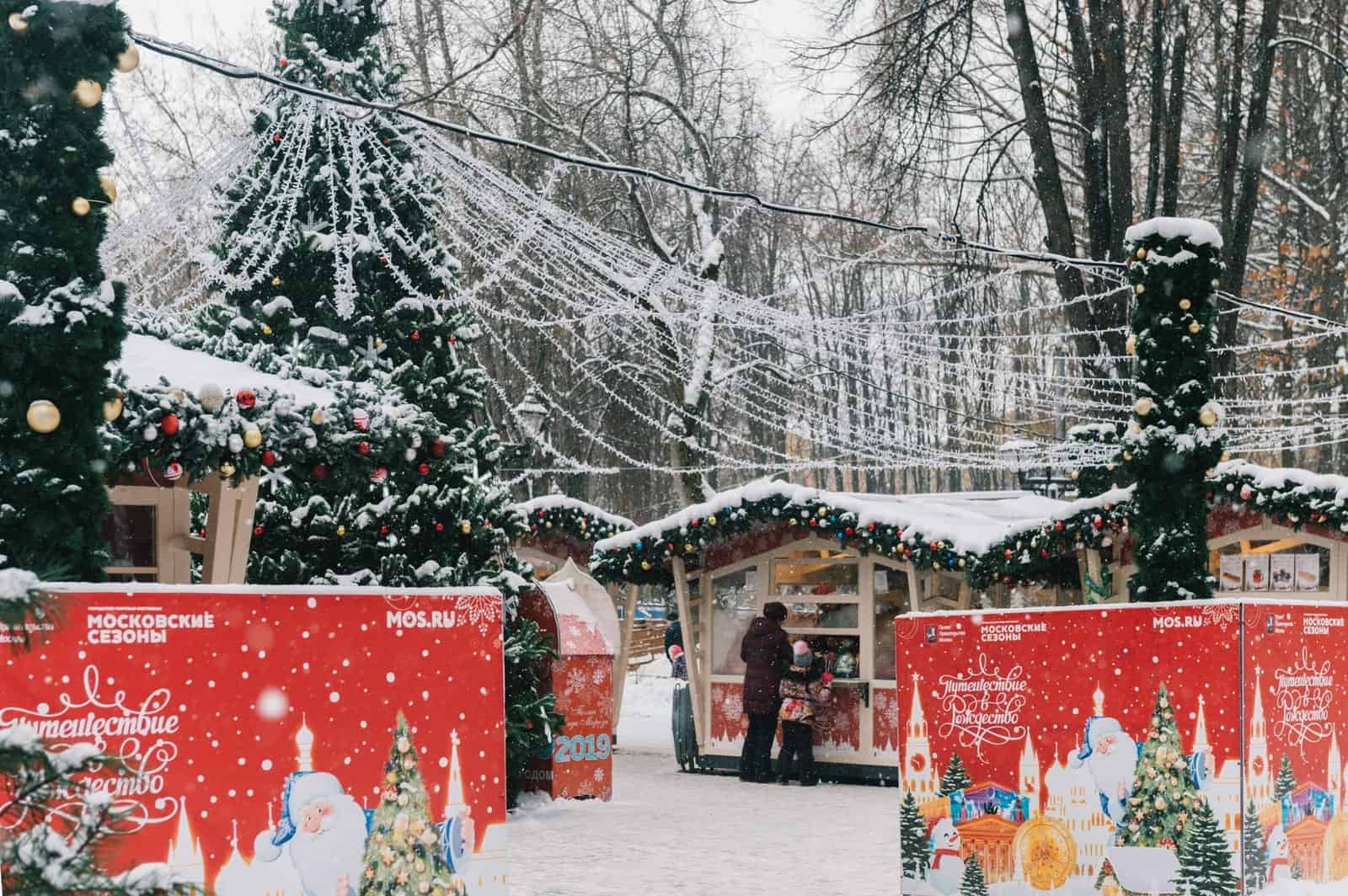
1. Showing Up Too Early or Too Late in the Season
German Christmas markets usually open in late November, often tied to the start of Advent, and many close on December 23 or Christmas Eve. In many German states, laws protect Totensonntag, a Protestant day of remembrance on the Sunday before Advent, which falls on November 22 in 2026. Markets in those states often open the day after or later.
Nuremberg’s famous Christkindlesmarkt traditionally opens on the Friday before the first Sunday of Advent, which in 2026 means November 27. Some markets close before Christmas, and only a few continue into the days between Christmas and New Year’s. If you book a trip for late December, you may find most stalls gone. Check each market’s official dates.
2. Not Understanding the Mug Deposit
When you buy Glühwein, the hot spiced wine served at almost every market, it comes in a ceramic mug. The price includes a deposit, called Pfand, usually a few euros. You can return the mug to any stall from the same vendor or market to get the deposit back, or keep it as a souvenir.
Many markets design new mugs each year, and collectors take them home. If you want one, keep it. If not, return it. Do not toss it, and do not assume the mug is free.
3. Assuming Cards Work Everywhere
Germany has long been more cash-oriented than the United States. Card and mobile payments are now more common, but many smaller stalls at Christmas markets still prefer cash, and some take only cash.
Bring euros in small bills and coins. ATMs are common in German cities, but they can have lines near busy markets. Use a bank ATM rather than an independent machine to avoid high fees, and decline currency conversion offers so you pay in euros.
4. Visiting Only on Weekend Evenings
Weekend evenings are when locals and tourists pack the markets. Big markets like Nuremberg, Cologne, Dresden, and Munich can get so crowded that you shuffle shoulder to shoulder between stalls.
Go on weekday afternoons for a calmer visit, then stay as the lights come on around 4 or 4:30 p.m. You get the glow without the crush. Mornings are the quietest, though some stalls open later.
5. Drinking Mulled Wine Too Fast
Glühwein is warm, sweet, and easy to drink, and it is wine. Some stalls add a shot of rum or amaretto, called “mit Schuss.” Then there is Feuerzangenbowle, a mulled wine with a rum-soaked sugarloaf set on fire above the mug.
In the cold, people often drink faster than they realize. Pace yourself, eat something, and try non-alcoholic options like Kinderpunsch, a spiced fruit punch, between rounds. Eierpunsch, a warm egg punch, is another regional favorite.
6. Going to Only One Market
Most large German cities have several markets, each with its own theme and atmosphere. Cologne has multiple major markets, including one in front of its cathedral and a harbor market by the Rhine. Berlin has dozens of markets spread across the city. Munich has a main market at Marienplatz, plus a medieval market and others.
Small towns and villages also host markets, often just for one or two weekends. Some take place in castles or monasteries. If you have time, mix one famous big-city market with a smaller local one for contrast.
7. Underdressing for the Cold
German winters vary, but evening temperatures at markets often hover around or below freezing. You will be standing on cold cobblestones for hours, often outdoors at night.
- Wear insulated, waterproof shoes with good grip.
- Layer thermal underwear under regular clothes.
- Bring a hat, scarf, and gloves.
- Pack hand warmers for long evenings.
8. Missing the Regional Specialties
Every region has its own Christmas foods and crafts, and many visitors stick with sausages and generic gifts. Seek out the local specialties.
- Nuremberg: Lebkuchen, a spiced gingerbread, and Nuremberg Rostbratwurst, small sausages often served three in a roll.
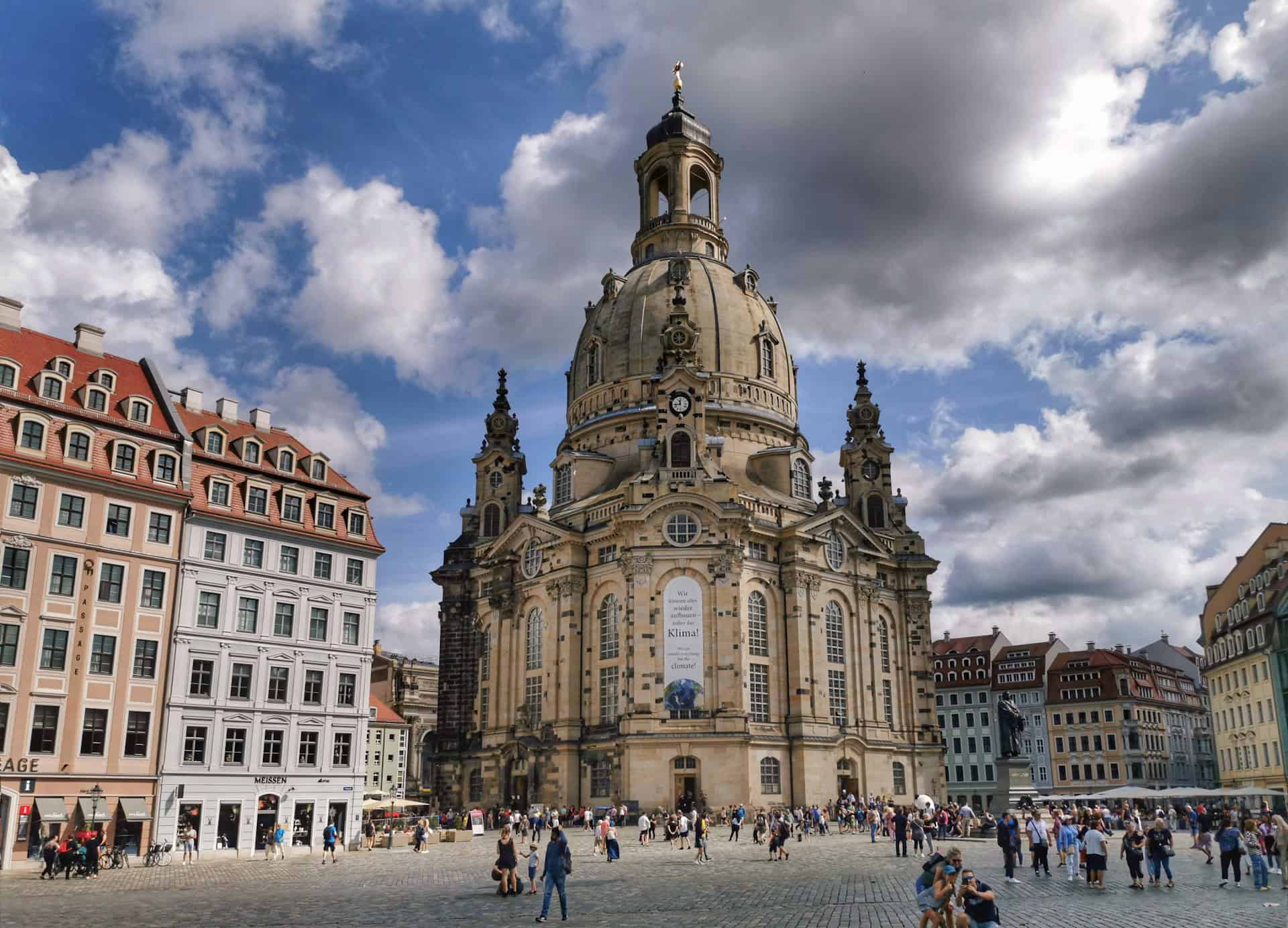
- Dresden: Stollen, a dense fruit bread dusted with powdered sugar, which the city celebrates with its own festival.
- Aachen: Printen, a hard spiced cookie.
- The Erzgebirge region: wooden Christmas pyramids, nutcrackers, and incense smokers carved in the Ore Mountains.
- Across Germany: roasted almonds, potato pancakes, and baked apples.
Ask vendors where their products are made. Handcrafted items often cost more but carry more meaning than mass-produced trinkets.
A Short History of Christmas Markets
Christmas markets grew out of medieval winter markets where townspeople stocked up on food and goods before the cold months. Vienna had a December market in the late 1200s. Dresden’s Striezelmarkt, documented in 1434, began as a one-day market for buying meat for Christmas. Nuremberg’s market dates to at least the 1600s and is associated with the Christkind, a figure who opens the market each year from a balcony of the Church of Our Lady.
Over centuries, the markets shifted from practical supply fairs to holiday celebrations, with crafts, toys, and foods. Today Germany has thousands of Christmas markets, from huge city markets to one-weekend village events.
Five German Christmas Markets Worth Planning Around
- Nuremberg’s Christkindlesmarkt: one of the most famous, known for Lebkuchen, sausages, and its opening ceremony.
- Dresden’s Striezelmarkt: among the oldest, with a giant Christmas pyramid and Stollen.
- Cologne’s Cathedral market: set beneath the Gothic cathedral’s towers.
- Rothenburg ob der Tauber’s Reiterlesmarkt: a medieval walled town that already looks like a holiday card.
- Esslingen’s medieval market: costumed vendors and craftspeople near Stuttgart.
Security and Etiquette
After a truck attack on a Berlin Christmas market in December 2016, German cities added barriers, police patrols, and bag checks at many markets. Expect visible security and occasional bag inspections, and follow instructions from staff.
Be patient in crowds, keep children close, and step aside to eat rather than blocking stall fronts. Smoking near food stalls and pushing through lines are frowned upon. A friendly “Frohe Weihnachten” goes a long way.
Getting Around Between Markets
Germany’s rail network makes it easy to visit several markets in one trip. High-speed trains connect major cities, and regional trains reach smaller towns. Booking ahead can lower fares on long-distance routes, and regional day tickets can be good value.
In cities, use public transportation rather than trying to drive or park near busy markets. Many markets are within walking distance of main train stations.
Markets and River Cruises
Many Americans visit German Christmas markets on river cruises along the Rhine, Main, and Danube. Cruises dock near markets in cities like Cologne, Nuremberg, and Regensburg, and make it easy to see several in a week. Expect shorter visits and set schedules compared with independent travel, and plan to explore markets on your own in the evenings when possible.
What Things Cost
Prices vary by city and market, but a few rough ranges help you budget. A mug of Glühwein typically costs a few euros plus the mug deposit, and prices at the biggest city markets have crept up in recent years. A sausage in a roll or a plate of potato pancakes usually costs a similar amount. Handmade ornaments, carved wooden figures, and Christmas pyramids range from a few euros for small pieces to well over a hundred euros for large, high-quality work from the Erzgebirge.
If you plan to buy a larger handcrafted piece, ask about shipping, since many established vendors can send items home, and keep your receipt in case you need it for a tax refund on purchases.
Tips for Your First Market Visit
- Arrive just before dusk to see the transition from day to night.
- Carry a small bag for purchases, since many stalls do not provide bags.
- Keep valuables secure in crowded areas.
- Learn a few German phrases, such as “Danke” and “Ein Glühwein, bitte.”
- Respect queues at food stalls, which can be informal but are expected.
Markets Beyond Germany
If your trip crosses borders, nearby countries have strong market traditions too. Strasbourg in France calls itself the Capital of Christmas and has run a market since 1570. Vienna, Salzburg, Basel, and Prague all host well-known markets with their own foods and crafts. The same rules apply: bring cash, check dates, dress warmly, and go early.
The Bottom Line
German Christmas markets reward a little planning. Go at the right time, bring cash, return or keep your mug, dress warmly, and seek out local specialties. Do that, and you will experience one of Europe’s most enduring holiday traditions the way locals do.