Hilo Gets 151 Inches of Rain a Year, More Than Any Other American City. That’s Exactly Why Most Big Island Tourists Never Stop There
We may earn money or products from the companies mentioned in this post. This means if you click on the link and purchase the item, I will receive a small commission at no extra cost to you ... you're just helping re-supply our family's travel fund.
Most visitors to Hawaii’s Big Island land at Kona, on the dry, sunny west side, and never make it to Hilo, the island’s largest town and county seat, sitting on the wet east side. That routing isn’t an accident of airline scheduling, it’s a direct response to a genuinely extreme climate fact: Hilo receives roughly 151 inches of rain a year spread across close to 295 days, making it, by most measures, the rainiest city in the United States, according to [Love Big Island’s climate breakdown](https://www.lovebigisland.com/weather/).
Why One Side of the Same Island Is a Desert and the Other Is a Rainforest
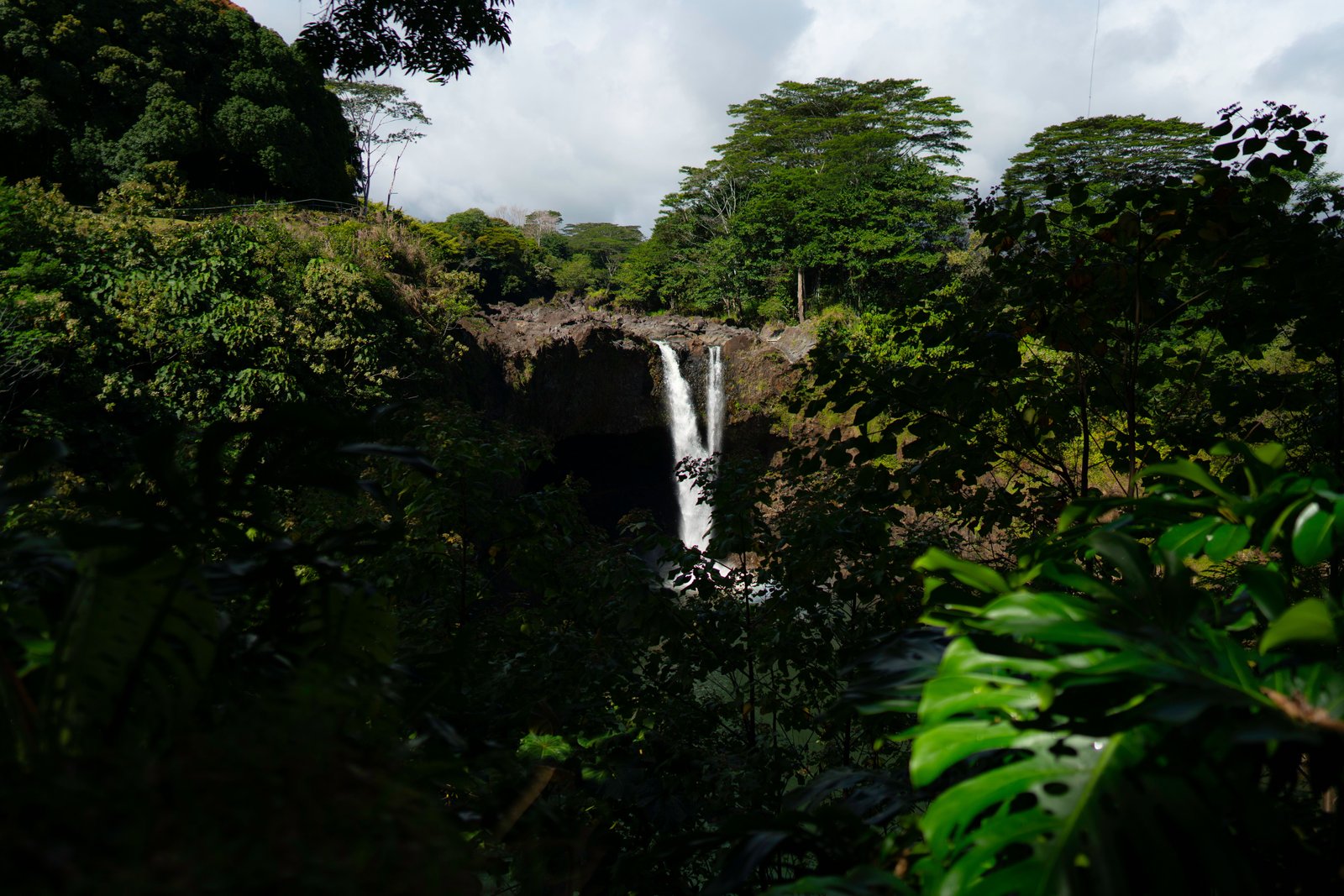
The Big Island’s dramatic wet-side, dry-side split comes down to trade winds and volcanic topography. Northeasterly trade winds push moisture-laden air across the Pacific into the island’s eastern flank, where it hits the slopes of Mauna Kea and Mauna Loa and gets forced upward, cooling and dumping rain on Hilo and the surrounding Hamakua Coast. By the time that air mass crosses the volcanic peaks and descends toward Kona on the western side, it has lost almost all its moisture, creating a rain shadow effect stark enough that the two sides of one island can differ by well over 100 inches of annual rainfall, a pattern explained in detail by [Love Big Island’s Hilo travel guide](https://bigisland.alakaialoha.com/regions/hilo).
That rainfall is precisely what makes Hilo’s landscape look the way it does, lush, deeply green, waterfall-dense in a way Kona’s dry lava fields simply aren’t. Rainbow Falls, Akaka Falls State Park, and the botanical gardens along the Hamakua Coast all exist specifically because of the moisture Kona-based tourists are actively avoiding when they book their resort on the other side of the island.
The Timing Workaround Most Visitors Never Learn
Hilo’s rain isn’t evenly distributed through the day or year in the way the annual total might suggest. Mornings tend to be clearer, with rain building through the afternoon, and the shoulder months, mid-April through early June and September through mid-November, mark Hilo’s relatively cheaper, less crowded windows, with hotel rates running 30% to 50% below peak season, according to [Hilo Tours’ seasonal guide](https://hilo.tours/best-time-to-visit). March stands out as the single worst month for weather, the wettest and greyest stretch of the year, worth avoiding specifically if a Hilo stop is on the itinerary.
What Skipping Hilo Actually Costs a Big Island Visitor
- Volcanoes National Park, one of the island’s biggest draws, sits considerably closer to Hilo than to Kona, making a Kona-only itinerary an awkward, longer drive to reach it
- Hilo’s farmers market and old-town main street offer a genuinely local, non-resort version of Hawaii that Kona’s more tourist-built strip doesn’t replicate
- Hilo hotel rates run consistently lower than Kona’s resort corridor, a direct function of lower demand despite comparable or superior natural scenery
What Hilo Offers That the Rain Actually Enables
Hilo’s agricultural economy depends directly on the rainfall that keeps tourists away, the region grows the majority of Hawaii’s macadamia nuts and a significant share of its tropical flowers and papaya, crops that simply couldn’t be grown at the same scale on Kona’s dry side. The town’s farmers market, one of the largest and longest-running in the state, reflects that agricultural abundance directly, offering a produce selection that resort-adjacent Kona markets, dependent on imported goods, generally can’t match.
The University of Hawaii at Hilo and a cluster of astronomy-related facilities tied to the Mauna Kea observatories have also given the town a more diversified, less tourism-dependent economy than many Hawaiian communities, a buffer that means Hilo’s fortunes don’t rise and fall with visitor numbers the way Kona’s more resort-dependent economy does.
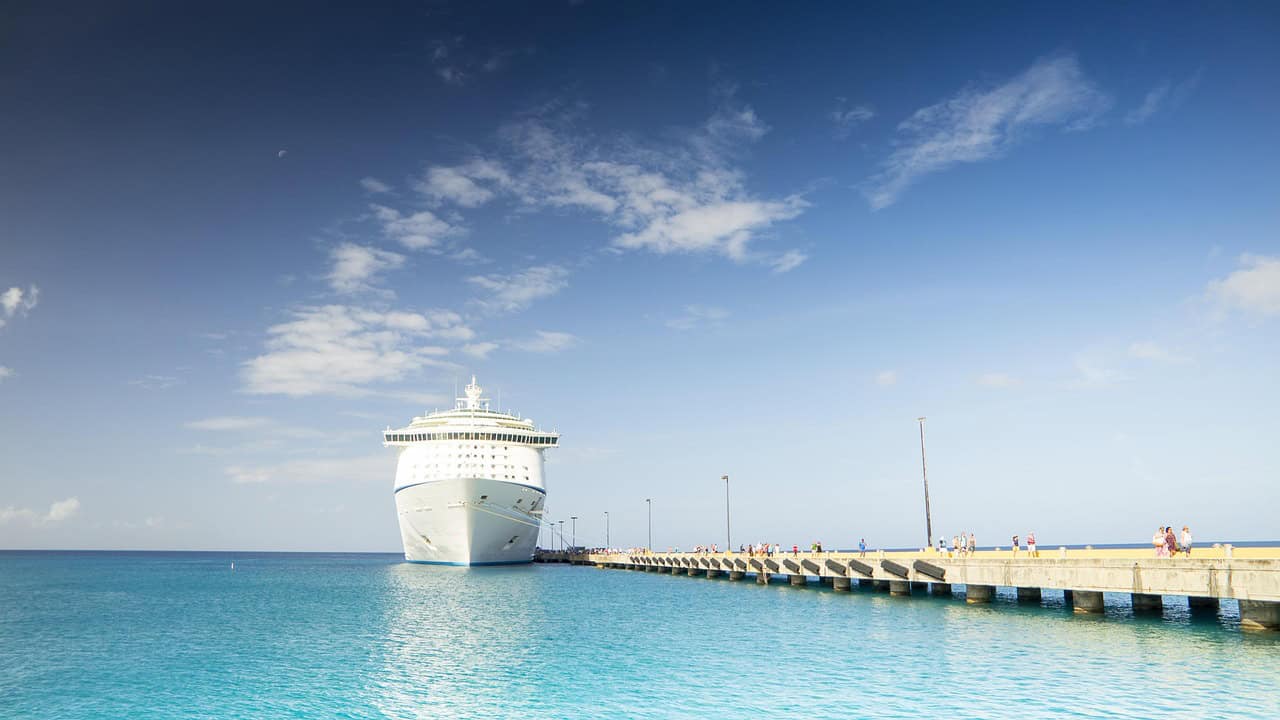
Cruise ships calling on Hilo have actually increased in recent years, giving the town a growing slice of tourism revenue that doesn’t depend on overnight stays at all, passengers disembark for a day of waterfall tours and botanical garden visits before returning to their ship, spending money in Hilo’s shops and restaurants without ever needing to book one of the town’s hotel rooms. That cruise-driven day-tourism model has become an increasingly important economic supplement precisely because it works around, rather than against, the rainfall pattern that discourages longer overnight stays.
Hilo’s historic downtown, largely rebuilt after devastating tsunamis in 1946 and 1960, retains a distinctly local, unpolished character that stands in visible contrast to Kona’s more overtly tourist-oriented waterfront strip. Visitors who make the trip across the island often describe Hilo as feeling like the Hawaii that existed before large-scale resort tourism reshaped the west side, a genuine, if unintentional, side effect of the same rainfall that keeps the crowds away.
Hilo’s Liliuokalani Garden and the nearby Coconut Island offer a genuinely different pace of sightseeing than Kona’s beach-and-resort itinerary, closer to a walkable, low-key exploration of Japanese garden design and small coastal parks than the snorkeling-and-luau circuit most Big Island marketing leads with, giving visitors willing to make the trip a meaningfully different vacation experience within the same island.
Rental car companies operating on the Big Island report a clear seasonal pattern in Hilo bookings tied directly to the shoulder-season discounts, with local tourism boards actively promoting the wetter months to budget-conscious travelers willing to trade guaranteed sunshine for lower prices and thinner crowds at the island’s most popular waterfall and garden attractions.
Local hotel operators in Hilo have increasingly marketed the rain itself as part of the destination’s appeal rather than something to apologize for, framing the lush, waterfall-dense scenery it produces as a genuinely different Hawaiian experience worth choosing deliberately rather than settling for as a fallback when Kona availability runs out.
That reframing has slowly started to work, drawing a small but growing number of travelers who specifically seek out Hilo rather than treating it as a fallback.
For travelers willing to pack for rain and adjust expectations around beach time, Hilo offers a version of the Big Island that most visitors, chasing the dry-side resort experience, never encounter, waterfalls, rainforest hikes, and a proximity to the volcano that Kona simply can’t match, all available at a lower price precisely because the island’s own weather pattern keeps most tourism concentrated on the other coast.