What Happens to Hotel Prices When a Taylor Swift Concert or Super Bowl Comes to Town — The Actual Numbers
We may earn money or products from the companies mentioned in this post. This means if you click on the link and purchase the item, I will receive a small commission at no extra cost to you ... you're just helping re-supply our family's travel fund.
This article contains affiliate links. We may earn a commission if you book through our links, at no extra cost to you.
In September 2023, when Taylor Swift’s Eras Tour arrived in Kansas City, the average daily hotel rate in the metro area increased by approximately 127 percent compared to the same weekend the previous year. A room at a mid-tier chain that ordinarily ran $139 a night was listed at $399. Some properties had implemented minimum-stay requirements of two or three nights — a practice that compounds the price increase and is entirely legal.
This was not unusual for the Eras Tour. It was not unusual for any major stadium event in a mid-sized market. And it is barely the beginning of what happens to the hotel economy when a city hosts something people travel to attend.
Why Hotel Pricing During Events Is a Different Market

Hotel pricing under ordinary conditions is governed by a relatively predictable dynamic: hotels have a fixed number of rooms, demand fluctuates with the day of the week and season, and the yield management system adjusts prices in real time to optimize revenue. On a slow Tuesday in February, the same room that costs $400 on a Saturday night in October might go for $89.
Major events break this system in a specific way. They create a demand spike that is both time-compressed (everyone needs a room for the same two or three nights) and geographically limited (you can’t substitute a hotel in a different city for a hotel near the venue). In economic terms, this is close to a textbook inelastic demand scenario within a bounded geography.
Hotels respond to inelastic demand rationally: they raise prices until they find the maximum rate the market will bear. For a sold-out stadium event in a mid-sized market with limited hotel inventory, that rate can be two to five times the normal rate. For a destination event like the Super Bowl — which brings 150,000 to 200,000 visitors to a host city — price multiples at premium properties can reach ten times normal rates.
The hotels aren’t gouging in any legal sense. They are practicing dynamic pricing in a scenario where the dynamics are extreme. The consumer protection argument against this is philosophical rather than legal: the practice is legal everywhere in the United States.
The Super Bowl Effect: By the Numbers
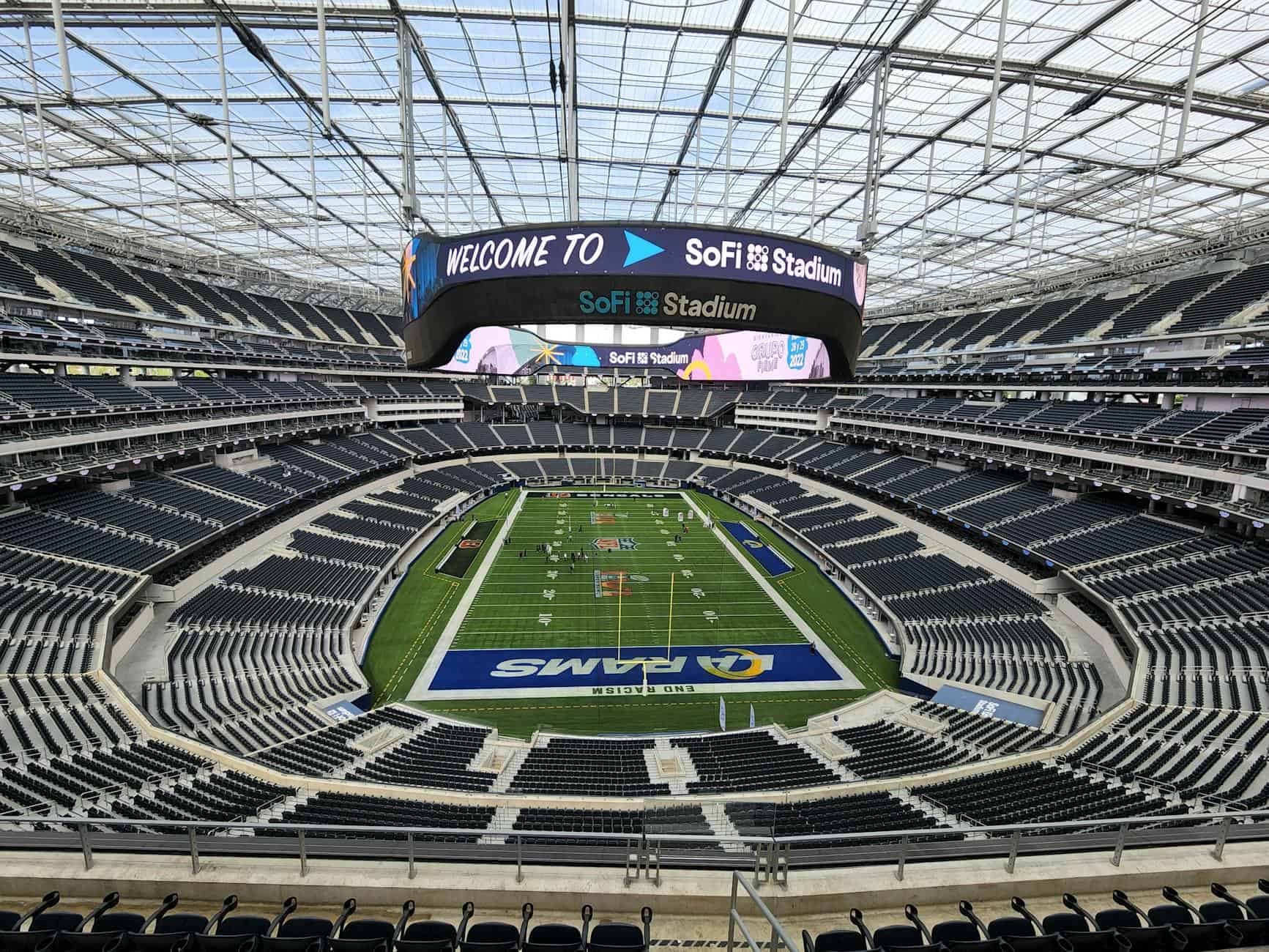
The Super Bowl is the most studied major event in the American hotel pricing literature, largely because it occurs annually, rotates between host cities, and generates detailed economic data.
The pattern is consistent. In the weeks following the announcement of the Super Bowl host city, hotels in the metro area implement minimum-stay requirements around the event weekend and reset their rate floors. The cheapest rooms available within fifteen miles of the stadium move immediately to $350 to $500 a night, and that floor rises as the event approaches.
By the time the Super Bowl weekend arrives, the rate geography is stratified by proximity to the venue. Hotels within two miles of the stadium charge the most — rates of $600 to $1,500 per night are common at full-service properties. Hotels at the edge of the metro area, requiring a forty-five-minute commute, charge $250 to $400. Hotels in adjacent metros — cities one to two hours away — experience secondary price spikes as visitors who couldn’t find affordable inventory in the host city expand their search radius.
For Super Bowl LVIII in Las Vegas in 2024, some Strip properties reportedly reached nightly rates of $2,000 to $3,000 during peak weekend nights — in a market that already has among the most dynamic hotel pricing in the country.
The financial benefit to hotels is significant but not unlimited. Host cities benefit from the influx of visitor spending, but studies consistently find that the economic benefit to the broader city is more modest than pre-event projections suggest, partly because the price spike suppresses some visitors from attending at all.
The Taylor Swift Eras Tour and What It Did to Hotel Inventory
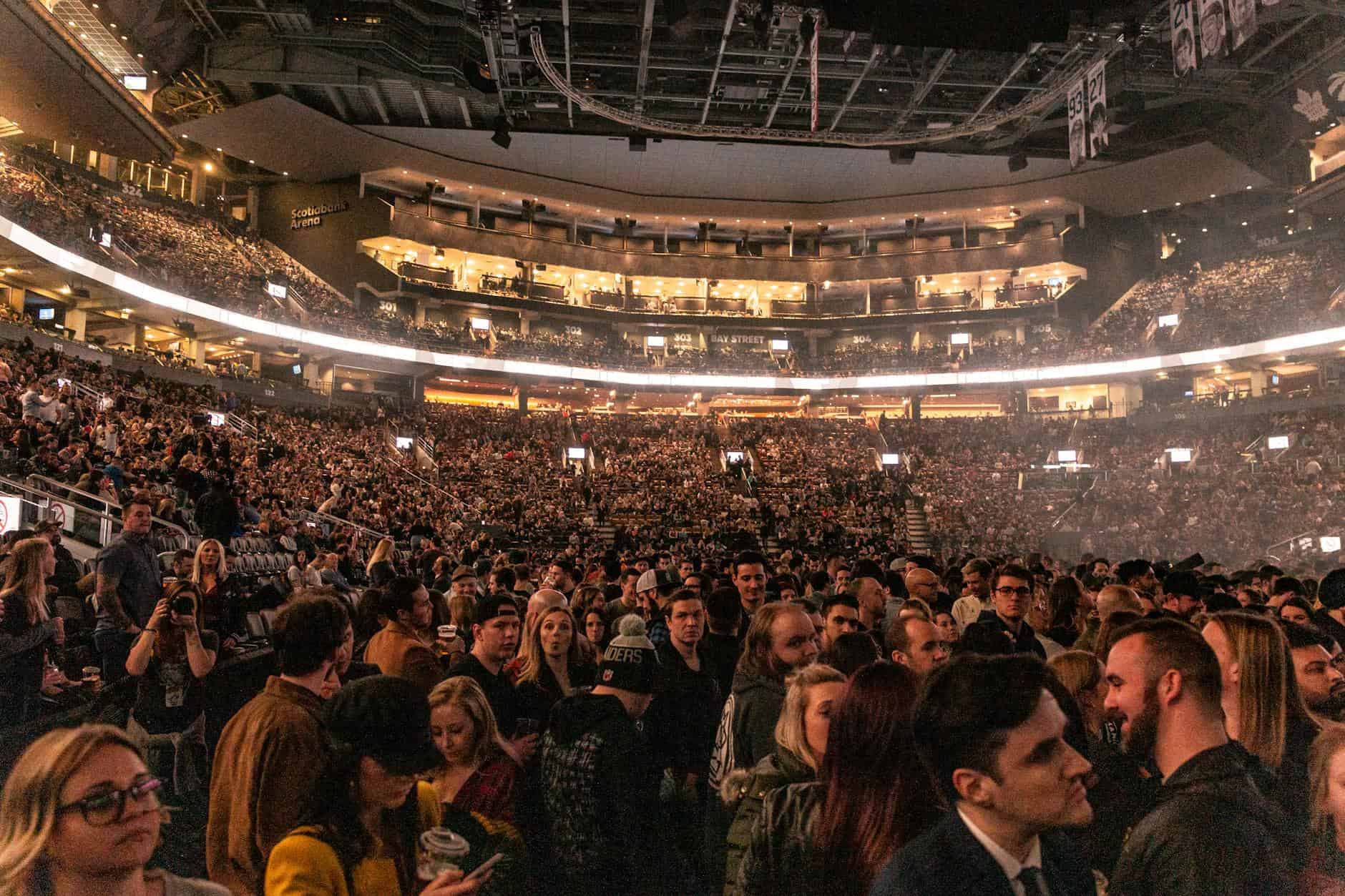
The Eras Tour became a case study in event-driven hotel pricing at a scale that surprised even the hospitality industry. Swift performed in stadiums across the United States from March 2023 through August 2023, with international legs continuing through 2024 — and in nearly every stop, the local hotel market experienced documented price surges.
In Pittsburgh, rates more than doubled for the show weekend. In Cincinnati, analysts noted that the event drove higher average daily rates than anything the market had seen outside of major sporting events. In smaller markets — Foxborough, Massachusetts; East Rutherford, New Jersey; Glendale, Arizona — the combination of limited hotel inventory and massive demand created acute shortages.
The secondary effect was geographic spread. When fans couldn’t find affordable rooms near the venue, they booked in cities thirty to sixty miles away and arranged transportation. Hotels in Providence saw elevated rates during the Boston-area shows. Hotels in San Jose saw elevated rates during the Santa Clara shows.
The Eras Tour also demonstrated the speed of the market. Within hours of tickets going on sale for a new tour leg, hotel rates in the tour cities moved upward. Fans who bought concert tickets and immediately searched for hotels found that the market had already repriced.
Who Actually Gets the Rooms at Normal Prices

In an event-week hotel market, normal prices don’t entirely disappear — they redistribute. Three categories of travelers tend to access below-market rates during major events:
First, loyalty program members with status. Major hotel chains hold back a portion of inventory for loyalty members at rates that are elevated from normal but substantially below the open market peak. A Marriott Bonvoy member with Titanium Elite status contacting the hotel directly a month before the event may find rates in the $250 to $350 range in a market where open-market rates are $600.
Second, people who book very early. In the weeks immediately after a Super Bowl host city is announced — often a year or more before the event — hotels release some inventory at rates that haven’t fully reflected the anticipated demand. Early bookers in this window can secure rates two to three times lower than what the same room will eventually command.
Third, people staying far enough away. The price surge is geographically bounded. Travelers willing to commute forty-five minutes or more from the venue, and to arrange their own transportation, can usually find rates in the normal-to-moderately-elevated range.
The Third-Party Reseller Layer Nobody Talks About

Hotel rooms, unlike concert tickets, don’t have an official secondary market. But an informal one exists, and it becomes active during major events.
Third-party booking platforms — both large legitimate OTAs (online travel agencies) and smaller aggregators — purchase hotel inventory at contract rates and resell it at market rates. During major events, this creates a layer of intermediary pricing that can exceed even the hotel’s own listed rate in some cases, and that is extremely difficult for consumers to navigate.
Platforms like Priceline’s opaque booking product (“name your price” or “express deals”) have historically offered below-market rates during events by aggregating unsold inventory. But the general landscape of third-party booking during major events is one where the same room may be listed at different prices across different platforms simultaneously, and where cancellation and modification policies vary significantly.
The general advice from hospitality industry analysts is consistent: during major events, book directly with the hotel whenever possible. Direct bookings give you the clearest price, the most straightforward cancellation policy, and the best chance of loyalty credit. Third-party bookings during events are a maze of contract terms that can be expensive to exit.
What Happens to Airbnb During Major Events

Short-term rental platforms experience the same demand surge during major events, and hosts with good properties in good locations respond the same way hotels do: they raise prices substantially.
Airbnb’s pricing algorithm is partly automated and partly host-controlled. During major events, the algorithm’s demand signals push suggested prices upward, and many hosts set prices manually at or above the suggested rate. In documented cases during Super Bowl weekends and major concert tours, Airbnb properties that normally rent for $150 to $200 per night have been listed at $800 to $1,500.
The short-term rental market during events also tends to have more availability than the hotel market, since every spare bedroom and vacation property in the metro area becomes a potential listing. For groups of four or more, a short-term rental during an event can offer better value per person than individual hotel rooms — if the booking was made early enough at a reasonable rate.
The Cities That Handled It Well and the Ones That Didn’t

How a city handles the hotel dynamics of a major event tells you something about the maturity of its hospitality infrastructure. Cities with large hotel inventories relative to the event’s demand profile — Los Angeles, New York, Chicago, Las Vegas — absorb major events without the acute price spikes that smaller markets experience. Supply is simply more elastic.
Smaller and mid-sized markets — cities like Jacksonville, Glendale, Indianapolis, and Nashville — have been repeatedly caught in situations where major event demand substantially overwhelms available hotel inventory. These cities tend to see the sharpest price spikes and the most visible evidence of travelers unable to find affordable rooms.
Some cities have developed mitigation strategies: working with neighboring markets on transportation to distribute demand, negotiating with hotels on minimum-stay requirements, and requiring event organizers to block rooms for event staff and volunteers at controlled rates. These measures moderate but don’t eliminate the pricing dynamic.
How to Navigate Event-Week Travel Without Getting Destroyed

The practical guidance for travelers who need to visit a city during a major event is primarily about timing and geography:
- Book the moment you confirm attendance. The single most effective thing you can do is book before the market fully reprices, which happens within days of event announcements or ticket sale openings.
- Consider geography. Hotels at the thirty- to forty-minute transportation radius from the venue often offer rates two to three times lower than hotels near the venue, with acceptable commute times.
- Call the hotel directly. Loyalty program rates and direct booking inventory are often not fully reflected on third-party platforms during peak periods.
- Evaluate the total cost of alternatives. A short-term rental at $400 per night split among four people is $100 each — often better than a $250 hotel room that only two people share.
- Be realistic about cancellation windows. Hotel cancellation policies during major events often shorten dramatically. Read the terms before booking.
The price is what it is. The market functions legally. The best protection is being faster and more informed than the average traveler making the same booking at the same time.