11 Rookie Mistakes to Dodge on Canada’s Epic Train Rides
We may earn money or products from the companies mentioned in this post. This means if you click on the link and purchase the item, I will receive a small commission at no extra cost to you ... you're just helping re-supply our family's travel fund.
Canada’s train journeys offer stunning scenery, from rugged mountains to endless prairies. Traveling by rail is one of the best ways to see the country, but first-time riders often make errors that affect their experience. From ticketing and timing to onboard etiquette, knowing what to avoid can make your trip smoother. Here are 11 rookie mistakes to dodge so you can relax, enjoy the ride, and experience Canada’s legendary rail routes at their best.
Not Booking Tickets in Advance
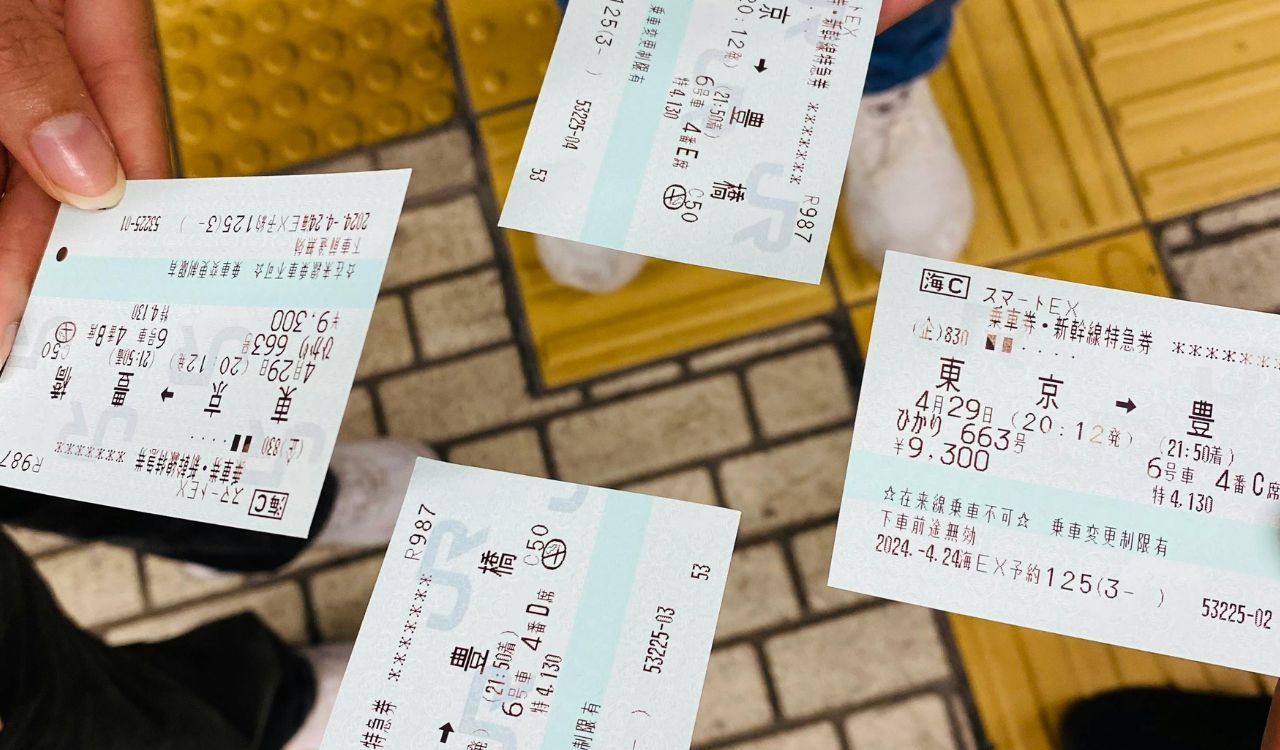
Train travel in Canada is popular, especially on scenic routes like those through the Rockies. Waiting until the last minute can mean higher prices or limited availability. Booking weeks ahead gives you access to better seats and discounts. VIA Rail often sells out during peak seasons, so early reservations are essential. Planning ahead also lets you choose between classes and routes more comfortably, ensuring a smoother and more affordable start to your journey.
Arriving Too Late

Arriving late is one of the most common mistakes on Canada’s train rides. While stations are less hectic than airports, trains depart on strict schedules. Arrive at least 45 minutes early, or up to an hour if you need baggage assistance. This allows time to check in, locate your platform, and board without stress. Unlike buses, trains will not wait for late arrivals, and missing one could disrupt your entire itinerary, especially on remote routes.
Not Boarding Quickly
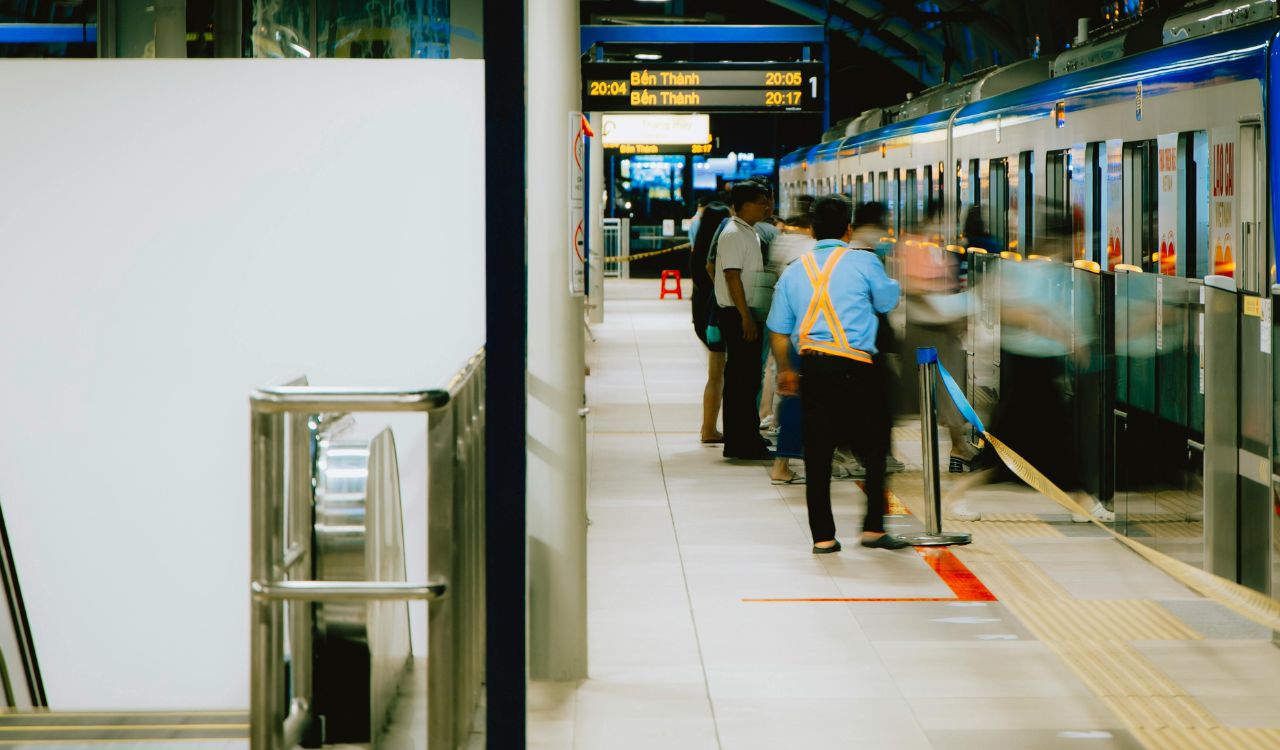
Canadian trains often stop for only a few minutes at smaller stations, especially in rural areas. If you are boarding mid-route, have your ticket ready and luggage organized to board efficiently. Moving slowly or hesitating can cause delays or leave you behind. Knowing your car number and position on the platform in advance will save time. Being prepared ensures smooth boarding and avoids unnecessary panic during brief stops where schedules are tightly followed.
Packing Too Much
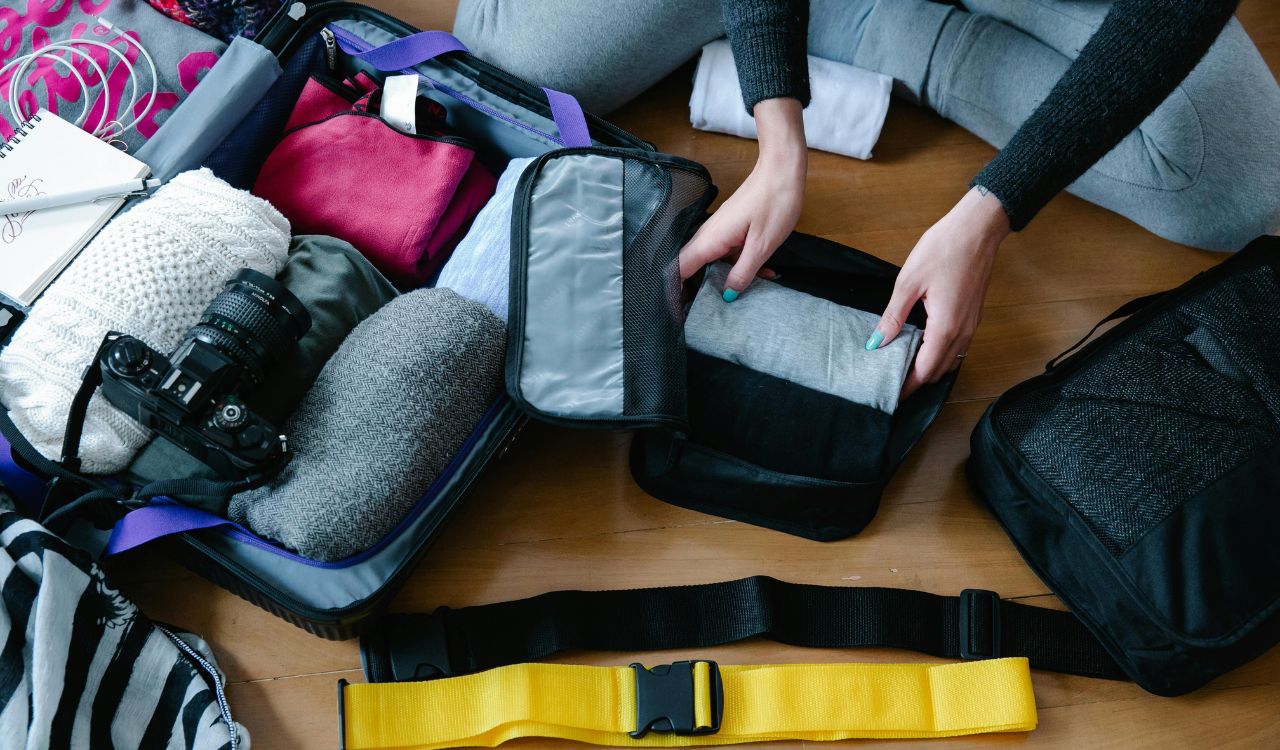
Overpacking can make navigating stations, trains, and cabins frustrating. Though trains offer more space than planes, hauling large or heavy bags is still inconvenient. VIA Rail allows two carry-ons plus checked luggage on many routes, so travel light for easier handling. Wheeled bags and compact essentials are best for tight aisles and overhead racks. Lighter luggage will also make boarding and moving between cars simpler, ensuring a more comfortable and hassle-free trip.
Sitting in the Wrong Seat or Car
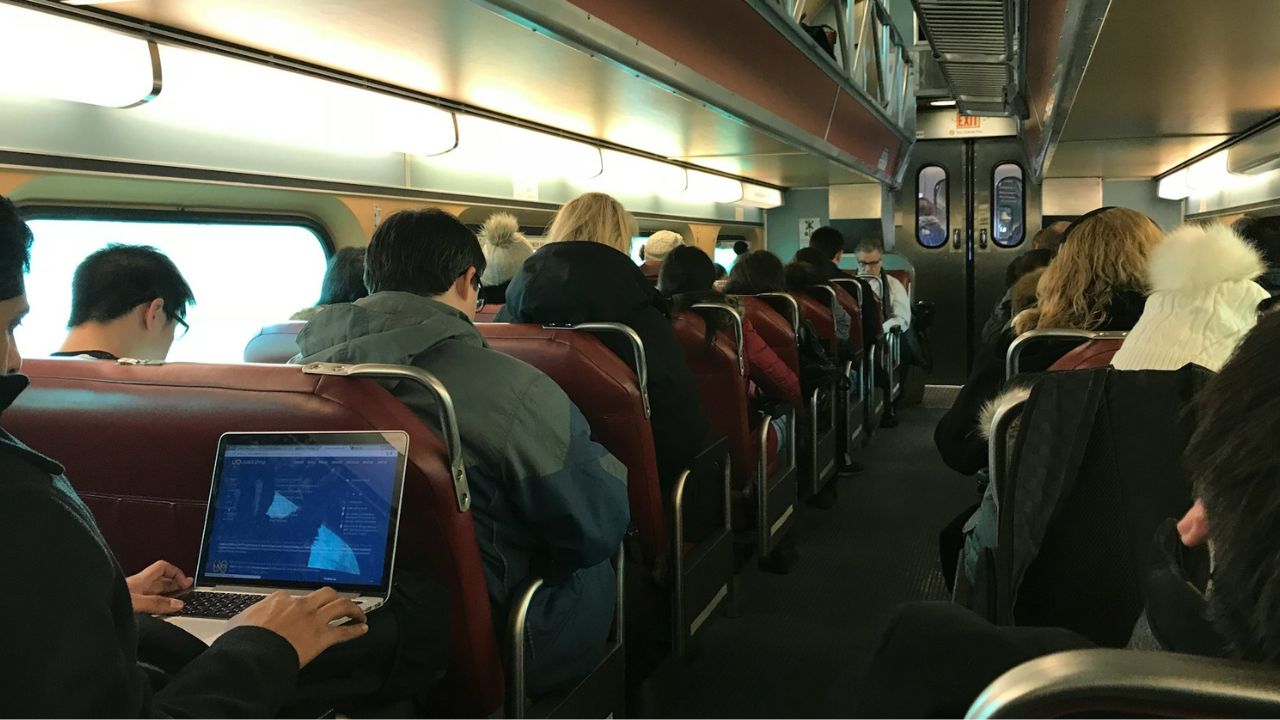
Seat assignments vary by route, and sitting in the wrong spot can cause confusion or delays. VIA Rail often has designated quiet cars or premium sections with assigned seats. Check your ticket carefully and look for car numbers posted along the platform. On some routes, trains split mid-journey, so being in the correct section is vital to reaching your destination. Double-check signs and directions to ensure you sit in the right place.
Expecting to Be Fully Connected
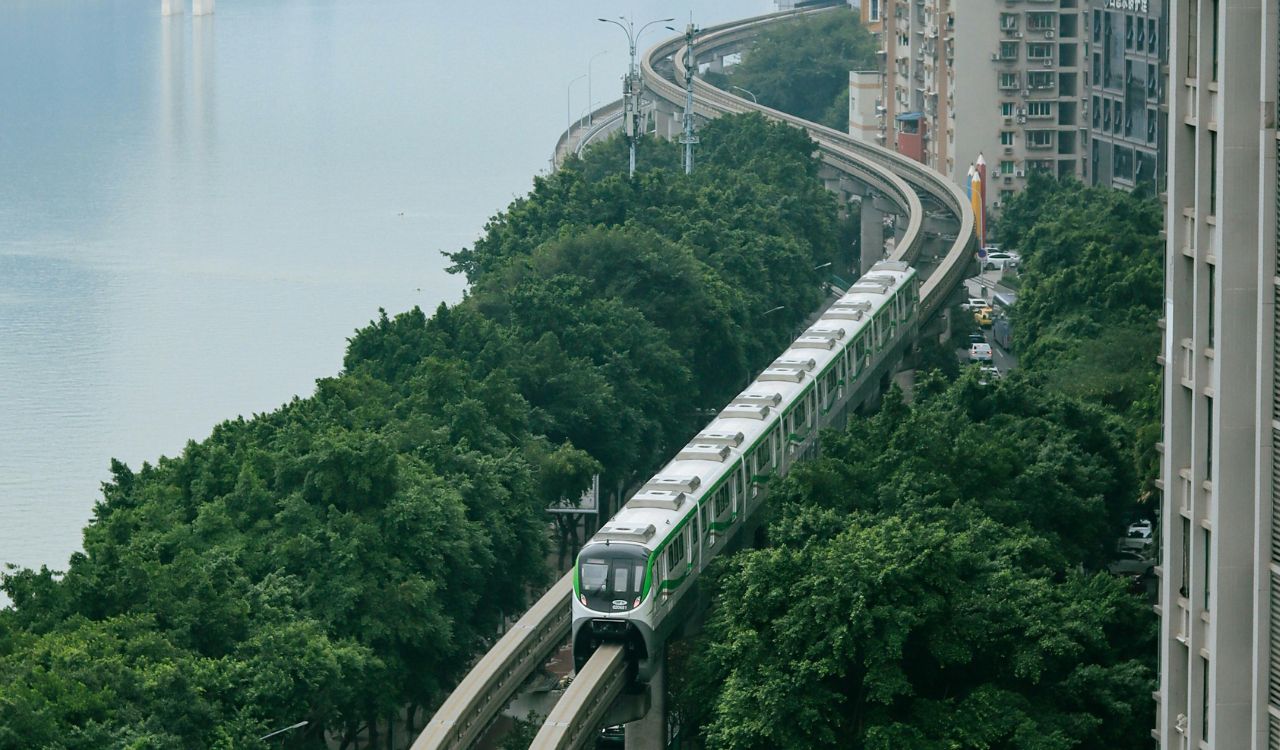
Canada’s railways cross vast stretches of wilderness where cell service is spotty or nonexistent. While some trains offer Wi-Fi, it is often limited and unreliable outside cities. Bring a fully charged phone, backup battery, or offline entertainment for long gaps without service. Train rides are an opportunity to disconnect, enjoy the scenery, or read. Embracing this downtime allows you to fully appreciate Canada’s landscapes rather than worrying about staying online constantly.
Not Bringing Snacks
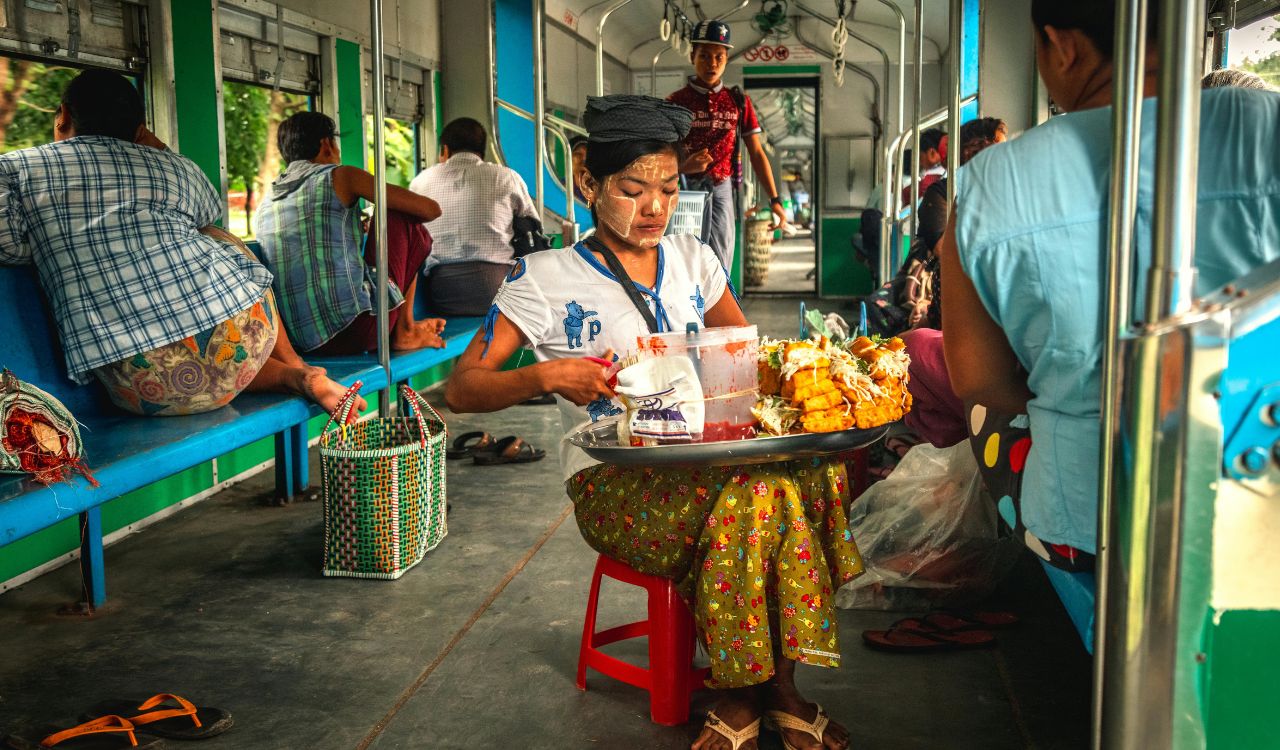
Onboard dining is convenient but limited, and prices are often higher than what you pay off the train. For long rides, bring your own snacks and drinks to stay comfortable. Non-perishable foods like nuts, fruit, or sandwiches are ideal. This is especially helpful on routes through remote regions where meal service may be infrequent. Packing your own food ensures you stay energized and avoids frustration if onboard options run out or become unavailable.
Staying in Your Seat
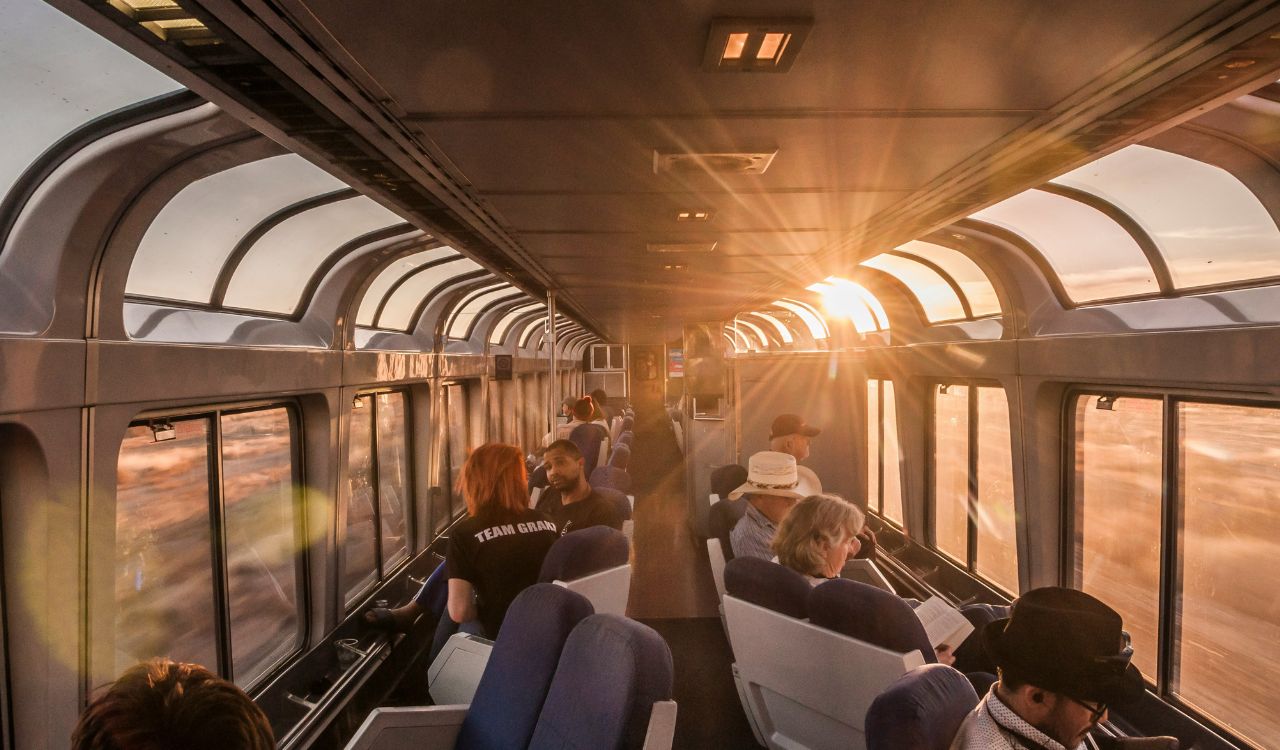
One of the best perks of train travel is the ability to move freely, unlike on planes or buses. Observation cars on routes like VIA Rail’s Canadian provide panoramic windows for incredible views. Stretching your legs, walking between cars, or simply standing at scenic spots helps break up long rides. Remaining seated for hours can be tiring, so take advantage of the freedom to explore and fully enjoy the landscapes passing by outside.
Missing Your Stop
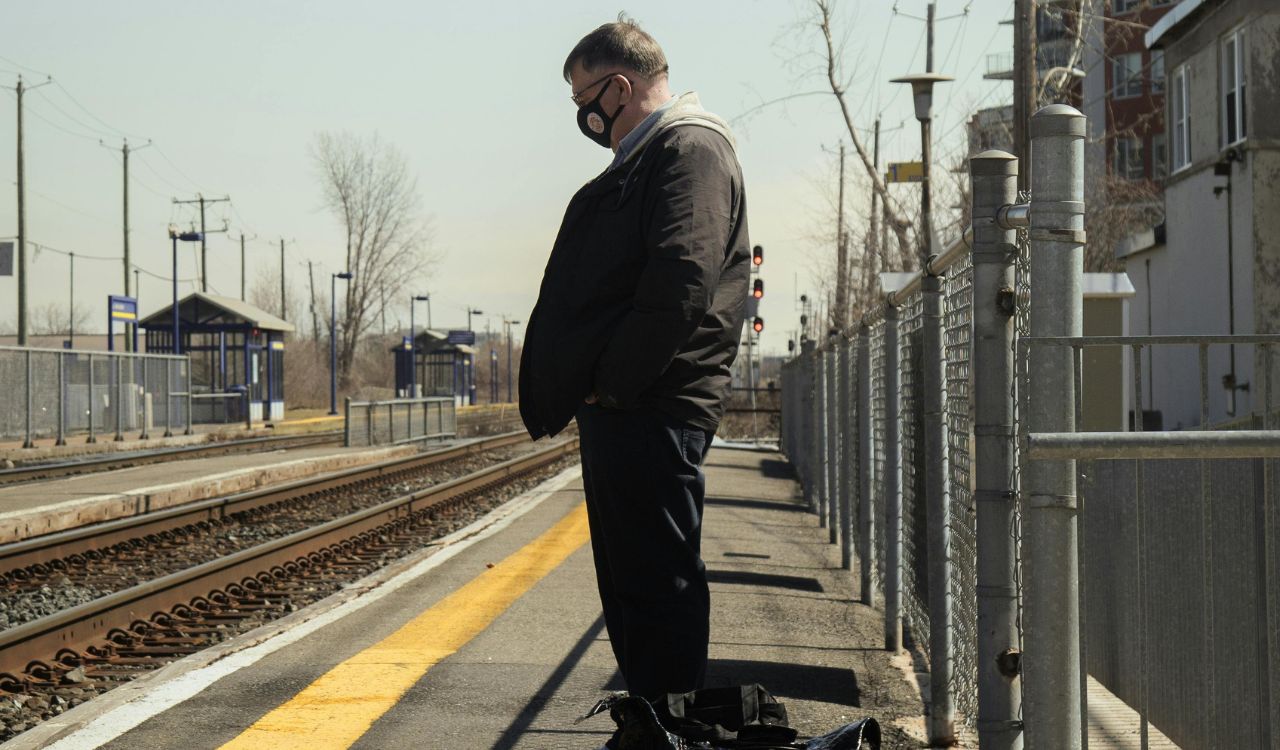
With Canada’s vast distances, missing your stop can mean hours of delay. Learn your schedule, note nearby station names, and pay attention to announcements. Some stops are unstaffed or brief, so be ready early. Setting an alarm 15 minutes before arrival is useful, especially at night or on overnight routes. Being alert ensures you disembark smoothly, avoids rushing at the last minute, and prevents the hassle of overshooting your destination on long journeys.
Not Understanding Train Etiquette

Canadian trains are quiet, clean, and respectful spaces. Speak softly, use headphones for music, and keep aisles clear. In designated quiet zones, silence is expected. Always dispose of trash in bins and tidy your area before leaving. Respect for staff and fellow passengers improves everyone’s experience. Following these simple courtesies creates a pleasant atmosphere for all and helps maintain the relaxed and scenic nature of train travel across Canada’s iconic routes.
Ignoring Timezone, Delay, And Buffer Planning
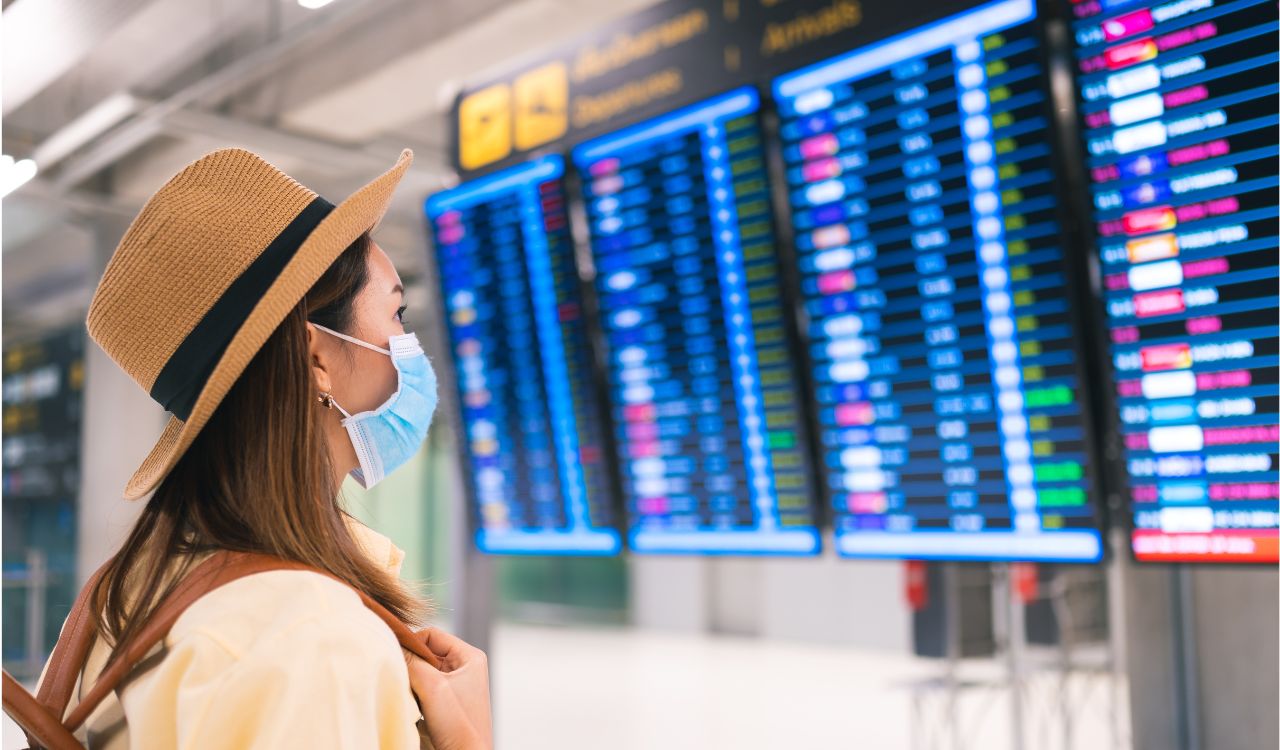
Cross‑country trains can meet freight traffic, weather, or track work, and some routes cross time zones that quietly steal an hour. Avoid tight same‑day connections to flights, tours, or dinner reservations, and instead build generous buffers at trip anchors. Download offline timetables, set arrival alerts with a 30‑minute cushion, and tell hotel hosts a flexible ETA. Planning for wiggle room protects the budget and keeps a scenic delay from becoming a scramble.