What It’s Actually Like to Solo Travel at 50, 60, and Beyond — Not the Instagram Version
We may earn money or products from the companies mentioned in this post. This means if you click on the link and purchase the item, I will receive a small commission at no extra cost to you ... you're just helping re-supply our family's travel fund.
This article contains affiliate links. We may earn a commission if you book through our links, at no extra cost to you.
The solo travel industry discovered older travelers sometime around 2018, and the coverage since then has followed a predictable arc: empowerment pieces about sixty-year-olds finding themselves in Bali, triumphant narratives about retirement-age women backpacking for the first time, aspirational content designed to get people to book something.
This content is not dishonest. Solo travel at fifty, sixty, and seventy is real, genuinely available, and often transformative. But it tends to leave out the parts that are complicated, and the complicated parts are exactly what people who are actually considering this want to know.
The Age Nobody Talks About in Solo Travel Content
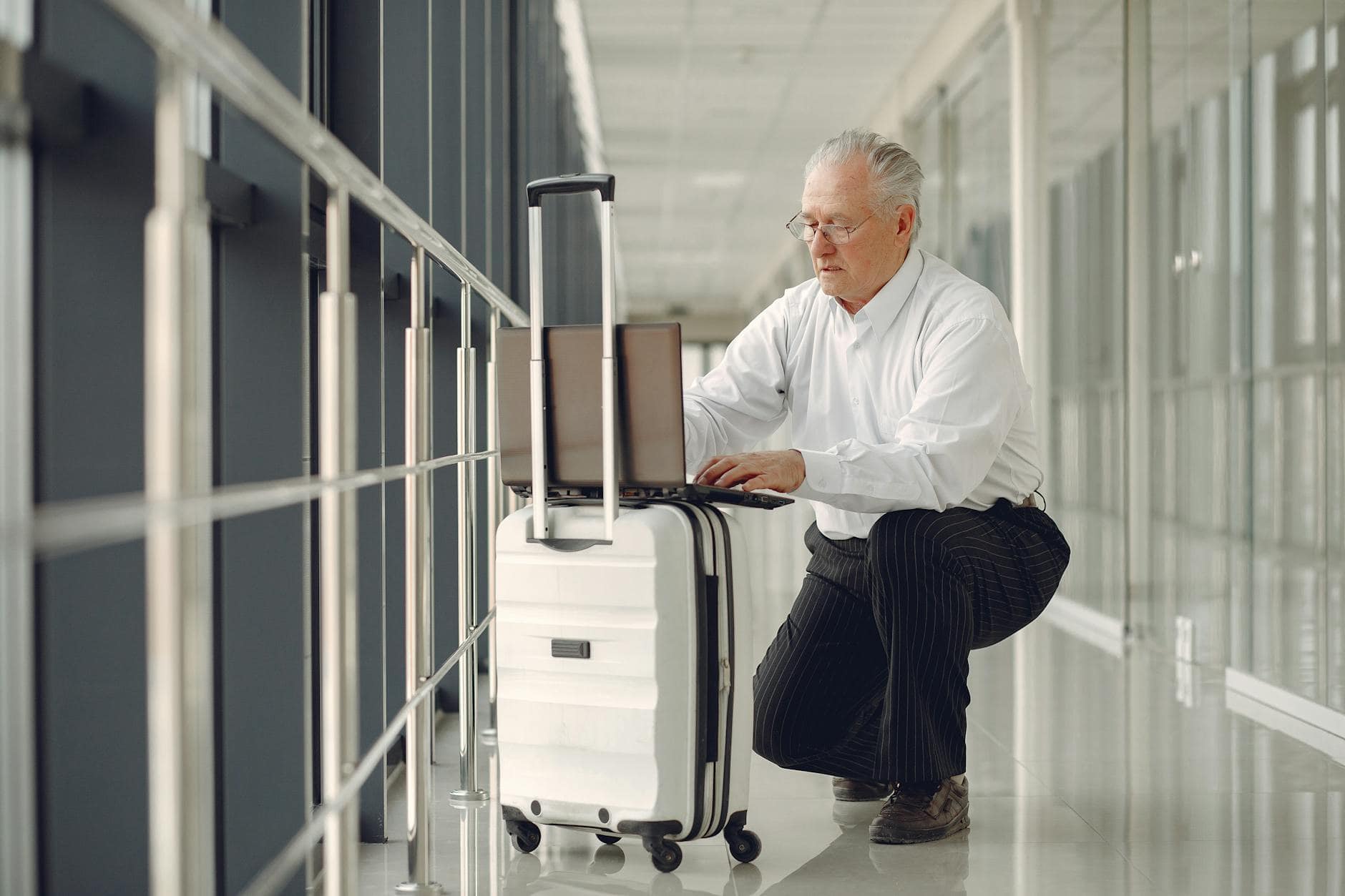
Travel content for older solo travelers tends to cluster at the aspirational end: the first major solo trip after a divorce or a partner’s death, the retirement gap year, the bucket-list destination finally visited. These are real and meaningful stories.
What they don’t capture is the experience of the person who has been doing this for years and has developed a practice — not a single transformative journey but a regular relationship with solo travel at a point in life that has specific physical, financial, and social characteristics.
Several features of solo travel after fifty are consistent and worth knowing in advance. First: the social infrastructure of solo travel is designed primarily for people in their twenties and thirties. The hostel system, the group tour market for younger travelers, the social apps and platforms built around travel connection — all of these assume a younger demographic as the default user. Older solo travelers navigate this infrastructure either by using it anyway (with mixed results) or by finding alternative structures.
Second: the freedom is real and often greater than it was at younger ages. Most people who travel alone after fifty have more money, more time, more confidence in their own preferences, and less anxiety about what other people think. These are genuine advantages that younger solo travelers often lack.
What Changes Physically and What Doesn’t

The physical experience of travel changes meaningfully in the fifties and sixties in ways that require adjustment but rarely require stopping.
Sleep becomes harder to manage across time zones. Jet lag, which younger travelers report recovering from in one or two days, tends to take three to four days to resolve for travelers over fifty. This is physiological — the circadian system becomes less adaptable with age. Experienced older solo travelers tend to build extra recovery time into itineraries rather than scheduling first-day activities immediately after a long flight.
Physical endurance changes. A twenty-five-year-old can cover twelve miles of cobblestone in a single day and recover overnight. The same itinerary for a sixty-year-old requires a different approach — not because it’s impossible, but because the recovery time is longer. Experienced older travelers describe ruthlessly prioritizing: one major physical activity per day, not three, and scheduled rest time that isn’t left to chance.
Diet management becomes more relevant. People with any dietary restrictions, food sensitivities, or medication interactions find that international travel amplifies these challenges. Researching food availability at a destination is more important at sixty than it was at thirty.
What doesn’t change is the capacity for genuine curiosity, for managing new social environments, for navigating unfamiliar systems, and for tolerating uncertainty. These are the core competencies of travel, and they don’t diminish with age for people who use them regularly.
The Social Dynamics of Traveling Alone at This Age
The social experience of solo travel varies significantly by age, and the differences for older travelers are not what most people expect.
The assumption many people have before their first solo trip at this age is that they will feel conspicuously alone — a single person at a table for one, an obvious anomaly in contexts designed for couples and groups. Some of this is real, particularly in restaurants in certain cultures. But the conspicuousness is almost always in the traveler’s head more than in the environment.
What older solo travelers consistently report surprising is the ease of conversation. Age-related social fluency — the confidence that comes from having navigated thousands of social situations — makes it substantially easier to start conversations with strangers than it was in youth. The anxiety about approaching people in a new context, which is strong in many younger travelers, diminishes considerably.
Conversely, forming peer social groups while traveling is harder. The hostel common room model, where twenty-somethings form traveling companions over shared meals, doesn’t translate. Older solo travelers who want social connection tend to create it through structured contexts: cooking classes, walking tours, small group tours, language classes, or any organized activity where social interaction is built into the format.
Loneliness is real and worth acknowledging. People who are honest about long solo trips report periods of genuine loneliness, particularly in the evenings — the dinner-alone dynamic, the lack of a companion to process the day with. This is not unique to older travelers, but it may be more acute for people coming from decades of coupled or familial travel.
How Hotels, Tours, and Hostels Treat Older Solo Travelers

The hospitality industry’s treatment of solo travelers over fifty varies considerably by property type and culture.
Boutique hotels and small inns tend to be more accommodating than large chain properties. The social ecosystem of a small hotel — a common breakfast room, a host who knows the guests by name — is naturally more supportive of solo travelers than the anonymity of a large hotel, where the solo traveler’s experience is determined almost entirely by what they make of it.
Some tour operators have developed products specifically designed for solo travelers, including eliminating the single supplement (the additional charge imposed on solo travelers in double-occupancy formats). The single supplement is one of the most financially punishing features of travel for solo people of any age; operators who have eliminated it are worth seeking out.
Hostels, which are broadly perceived as a young person’s infrastructure, are more welcoming than their reputation suggests. Many have private rooms at lower price points than hotels. The common areas tend to be dominated by younger travelers, but older solo guests are generally received without comment. For budget-conscious older solo travelers, the private-room hostel is a legitimate and underutilized option.
The Specific Logistics That Get Harder

Several logistical elements of travel become genuinely more challenging with age, and acknowledging them in advance makes them manageable.
Health management is the most significant. Travel with any ongoing health conditions — managed or otherwise — requires more advance preparation than it did at thirty. Medication management across time zones, travel health insurance that covers pre-existing conditions, knowing the location of adequate medical facilities at the destination, carrying sufficient medication documentation for customs: all of these require active attention.
Technology navigation has become a genuine friction point for many older travelers. International transportation, accommodation, and navigation increasingly assume smartphone competence: QR code menus, app-based transit payments, digital boarding passes, mobile check-in. For travelers who are less fluent with these systems, this creates friction that younger travelers don’t experience.
The physical accessibility of destinations varies enormously and is often poorly documented. A city like Amsterdam with extensive cobblestone streets and few ramp alternatives is significantly harder to navigate with any mobility limitation than a city like Barcelona with a modern accessible metro.
What Gets Easier After 50
The advantages of solo travel at this age are real and substantial, and they tend to be underrepresented in the cautionary framing that older solo travel content sometimes adopts.
Financial capacity, for many travelers in this demographic, is genuinely higher than it was in youth. This changes the trip in important ways. The ability to choose the better neighborhood, the quieter hotel, the business class seat on the overnight flight, the cooking class that costs $200 — these choices reduce friction and increase enjoyment in ways that budget-constrained travel doesn’t allow.
Self-knowledge makes trip planning more efficient. People who have traveled for decades and know what they actually enjoy — what kind of museums, what pace, what food culture, what climate — plan trips that fit them rather than trips that match what a travel guide says they should enjoy. The gap between planned and experienced is smaller.
Confidence in dealing with problems is higher. A missed train, a wrong hotel, an unexpected closure — these situations produce significantly less distress in an experienced traveler at sixty than they would in a first-time international traveler at twenty-five.
The Countries Where Age Is Actually an Advantage
Cultural attitudes toward age vary considerably, and this variation has real practical effects on solo travel.
In Japan, older travelers report being treated with a degree of deference and helpfulness that is less common in Western travel contexts. The cultural respect for age translates into practical assistance: strangers who help with navigation, service industry workers who are particularly attentive. Several countries in Southeast Asia and South Asia have similar cultural norms.
In Latin America and parts of southern Europe, the social warmth toward older travelers — particularly older women traveling alone — often produces easier social connection than younger solo travelers experience. Local families and older residents approach older solo travelers more readily than they approach younger ones.
In contrast, some Northern European countries and parts of urban East Asia have social cultures that are comparatively reserved toward solo travelers of any age, and the cultural dynamics don’t create any particular advantage for older visitors.
What People Wish Someone Had Told Them
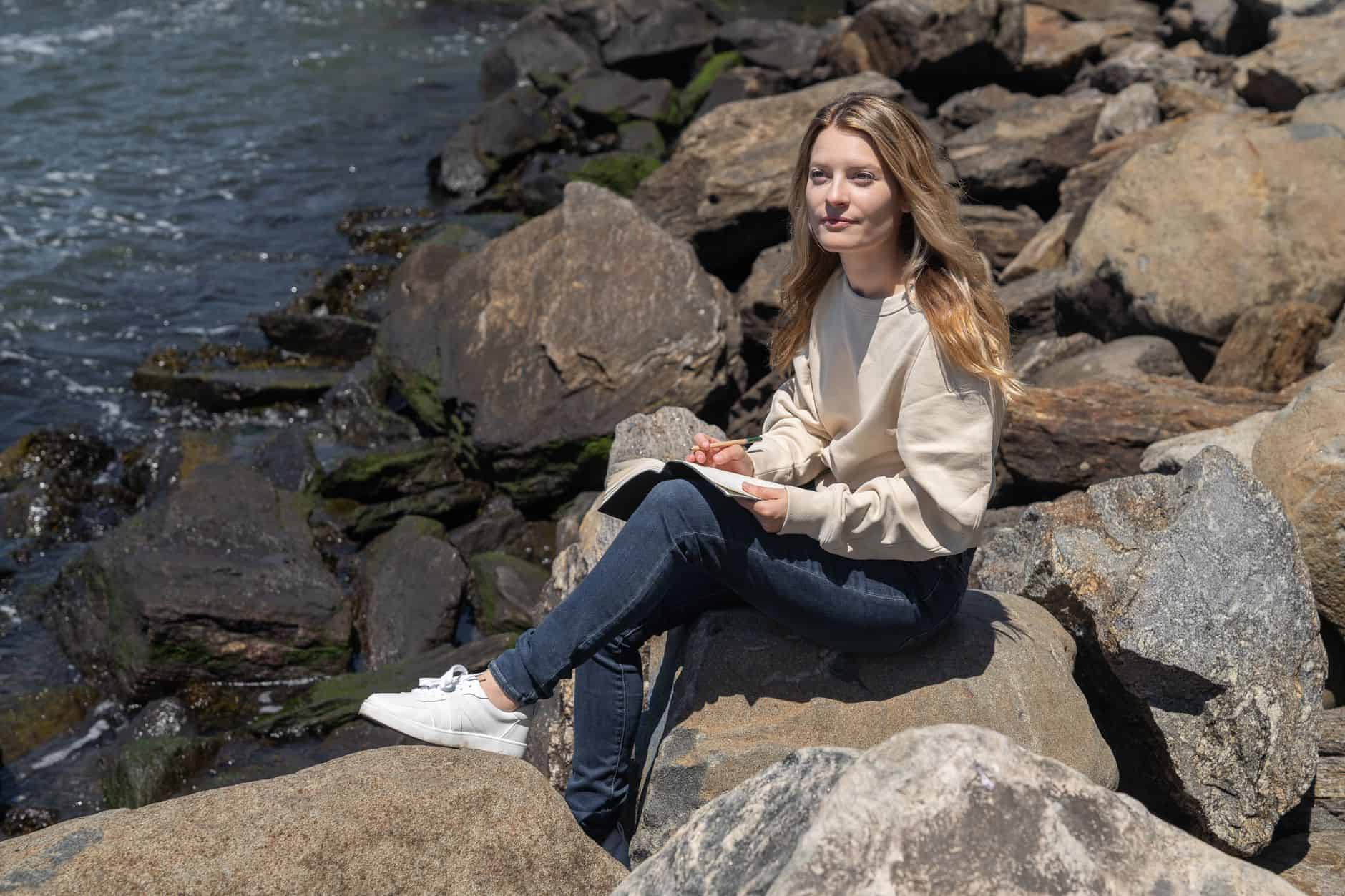
People who have established a solo travel practice in their fifties and sixties describe a consistent set of things they wish they had known at the start.
They wish they had started earlier and with less expectation. The first solo trip carries enormous psychological weight — a combination of anxiety about managing alone and expectation of transformation. Both tend to be overloaded. The second and third trips are often better, and the practice becomes genuinely enjoyable once it is a practice rather than an event.
They wish they had worried less about looking conspicuous. The self-consciousness of the solo diner, the solo museum visitor, the solo traveler at the hotel bar — this is almost entirely internal. Most people around you are not paying attention to whether you’re alone. The ones who do notice are usually other solo travelers.
They wish they had taken the good room. The upgrade, the better neighborhood, the train instead of the bus. At this age, with this much experience, the friction reduction is worth the cost in a way it might not have been at twenty-five. Comfort is not a failure of adventurousness. It is a reasonable allocation of resources by someone who knows what they value.