The Travel Gear People Swear By That Is Genuinely Useless — and the Cheap Things Nobody Packs That Actually Save Trips
We may earn money or products from the companies mentioned in this post. This means if you click on the link and purchase the item, I will receive a small commission at no extra cost to you ... you're just helping re-supply our family's travel fund.
This article contains affiliate links. We may earn a commission if you book through our links, at no extra cost to you.
Every year, a new generation of travelers discovers the travel gear industry — the optimized duffels, the lifetime-guarantee packing cubes, the silk sleep masks that cost $45, the compression socks with medical-grade something-or-other. They read the reviews. They assemble the perfect bag. They go on the trip.
Some of the gear is excellent. A fair amount of it is the travel equivalent of buying a stand mixer because you briefly wanted to bake bread: the right tool for a problem that turns out not to be your actual problem.
Experienced travelers — the kind who have spent years learning through the specific frustrations of their own trips — tend to converge on a pattern. The expensive, optimized gear largely goes in the closet. A small collection of cheap, specific things gets packed every time.
The Travel Gear Industrial Complex
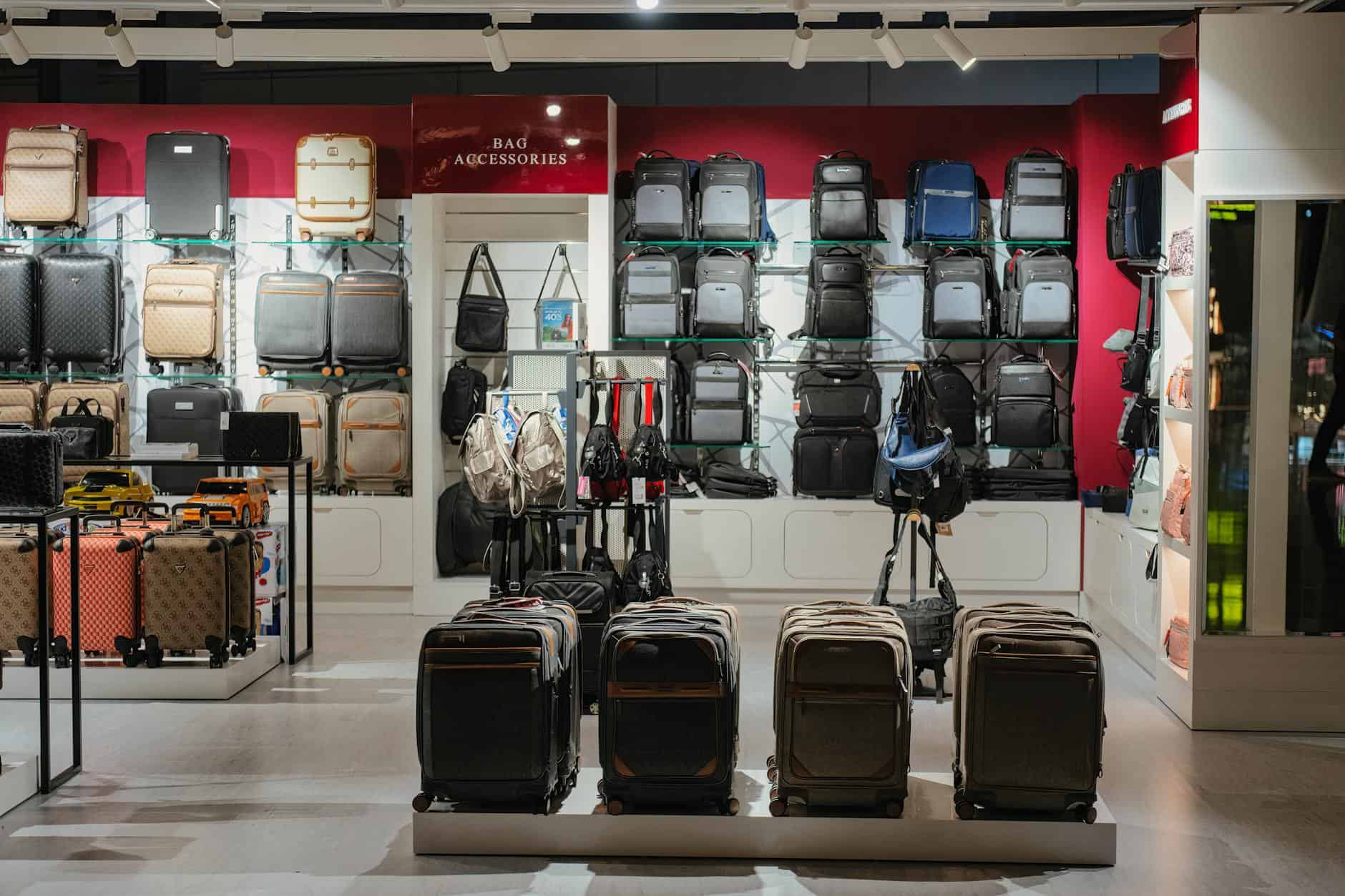
The market for travel gear is substantial and growing, driven by a specific consumer psychology. People who are planning a trip experience a form of anxiety that manifests as preparation. The solution to “what if something goes wrong” is often “buy the thing that prevents that thing from going wrong.”
Travel gear manufacturers understand this psychology and market accordingly. The copy on almost every travel product category addresses a specific fear: you will be uncomfortable on the plane, your bag will be over the weight limit, your valuables will be stolen, you will be cold, you won’t be able to charge your devices. For each fear, there is a product.
Many of these products are real solutions to real problems. But the problems they solve are rarely the problems that actually ruin trips. The things that ruin trips are mostly relational, logistical, or biological — the travel companion’s personality, the navigation error, the digestive issue, the underestimated jet lag. No gear solves these problems, and the money spent on gear is often money that would have been better spent on a different experience.
Gear That Consistently Disappoints: The Neck Pillow Problem

The travel neck pillow is one of the most purchased and least loved travel items in existence. Most people who have bought one have also quietly stopped using it after two or three flights.
The problem is structural. Neck pillows are designed to support the head in a seated upright position during sleep — which is not how human bodies want to sleep. The head wants to fall forward or to the side. A pillow that prevents this by forcing the head upright doesn’t produce sleep; it produces a kind of suspended wakefulness that is sometimes more fatiguing than not sleeping at all.
The J-shaped pillows that wrap around one side work better for side sleepers who can rest their head against the window. The traction-style pillows that support the chin address the head-falling-forward problem. But neither comes close to actual horizontal sleep, and neither is worth the volume they take up in a bag for the occasional marginal improvement they provide.
Experienced long-haul travelers who consistently sleep on planes tend to do so by mastering the window-lean, the seat recline, and the personal pillow — a regular pillow from the hotel stuffed in a compression bag. None of these require a specialized product.
Compression Cubes: The Math Nobody Did
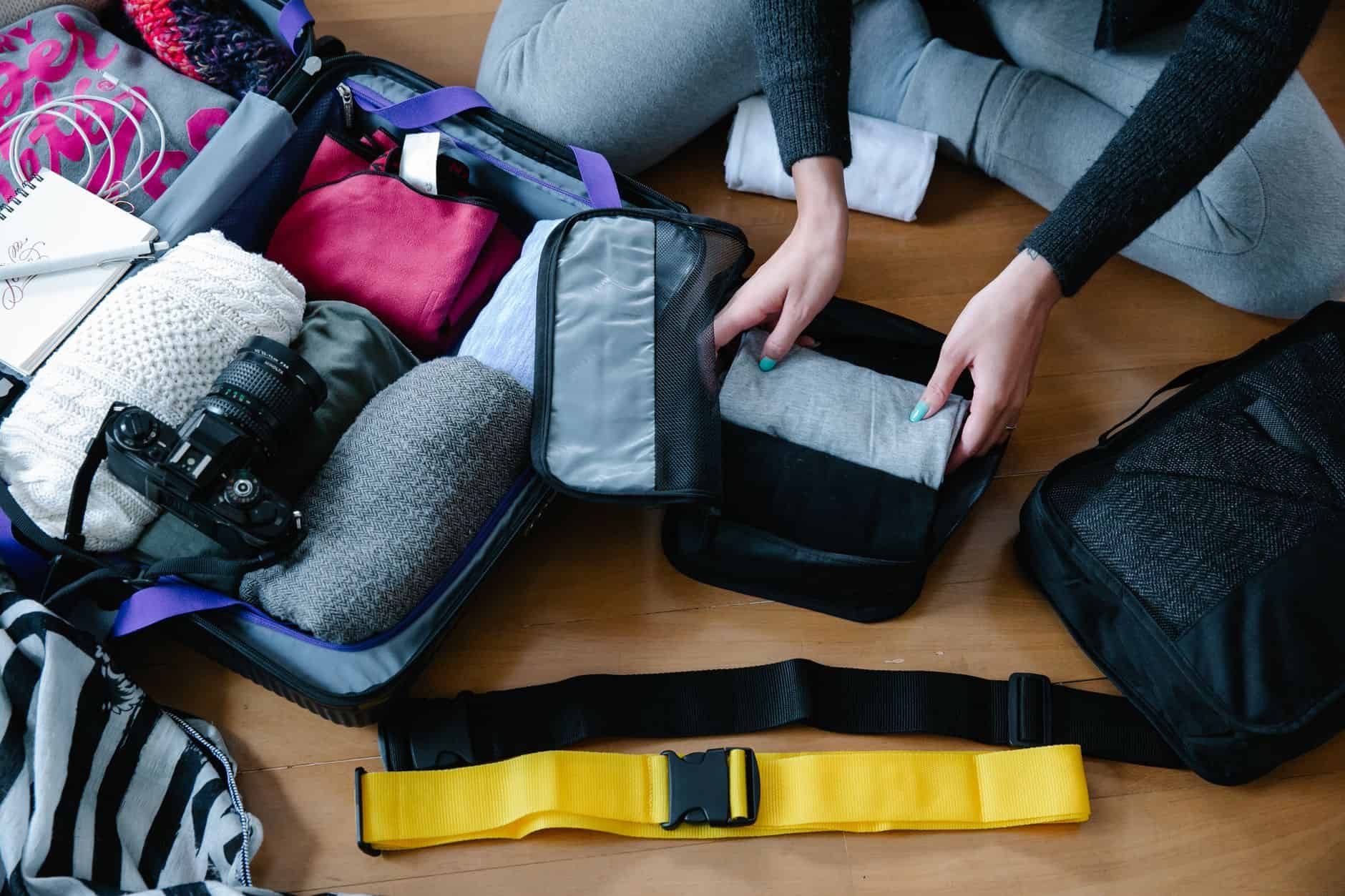
Packing cubes have achieved a level of travel gear evangelism that borders on religious. The people who love them love them with a specificity that suggests genuine organizational satisfaction. But the claim that packing cubes save space — consistently made by both marketers and enthusiasts — doesn’t hold up to examination.
Clothes stuffed into packing cubes occupy approximately the same volume as clothes stuffed directly into a bag. The compression is primarily cognitive, not physical. The bag feels more organized, which can make it easier to find things, but the total volume of clothing required for a trip doesn’t change based on whether it’s in cubes or not.
Compression packing cubes — the ones with a second zipper that compresses the contents — do produce genuine volume reduction for certain items, particularly bulky knits and down layers. For these specific items, compression cubes have real utility. For a week’s worth of cotton T-shirts and underwear, the compression effect is minimal.
Packing cubes are genuinely useful for one specific travel pattern: living out of a bag without unpacking. If you’re doing five cities in ten days and never fully unpacking, having a cube that contains all your shirts is meaningfully convenient. If you’re spending a week in one place and unpacking into drawers, the cubes are theater.
The Universal Travel Adapter Myth
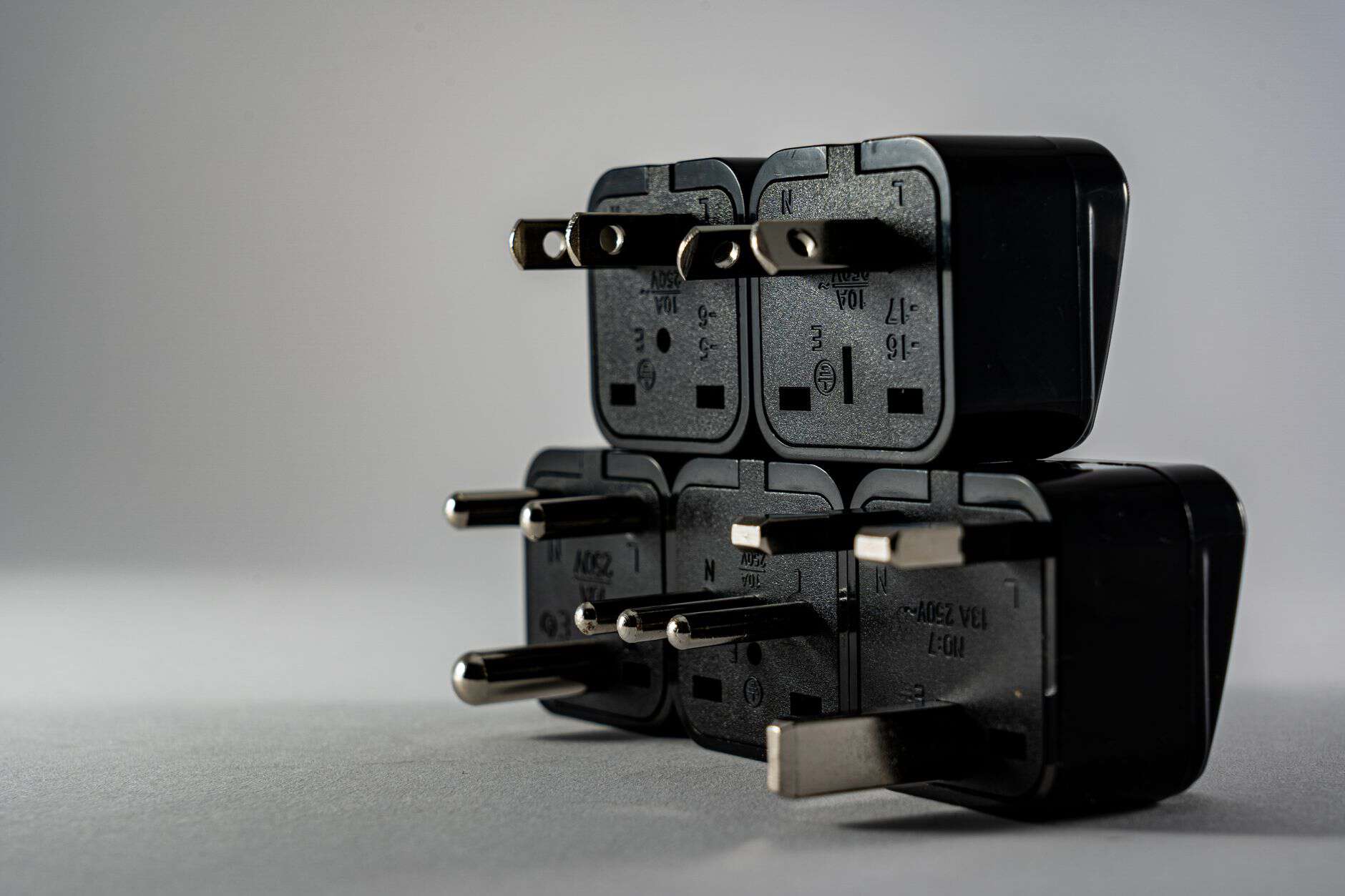
The all-in-one travel adapter — the product that promises to work in every country on earth through a combination of interchangeable prongs and a central unit — is a consistent source of traveler frustration.
The problem is engineering. An adapter that works in 150 countries requires compromises that make it worse at any specific task than a dedicated adapter for a specific region. The contact quality is often marginal. They run warm. Several popular models have histories of intermittent failures at exactly the wrong moment.
The more effective solution, counterintuitively, is a single high-quality GaN charger (a compact, efficient charger format that has become standard) paired with a destination-specific adapter purchased at the destination or ordered in advance. A $12 EU adapter and a $35 GaN charger outperform a $45 all-in-one adapter in almost every measurable dimension.
For multi-destination trips with multiple device needs, the practical solution most experienced travelers have converged on is a small power strip with a universal socket, combined with a single adapter for the local plug format. This charges multiple devices through a single outlet and requires only one adapter regardless of how many devices you travel with.
What the Fancy Travel Towel Actually Gets You
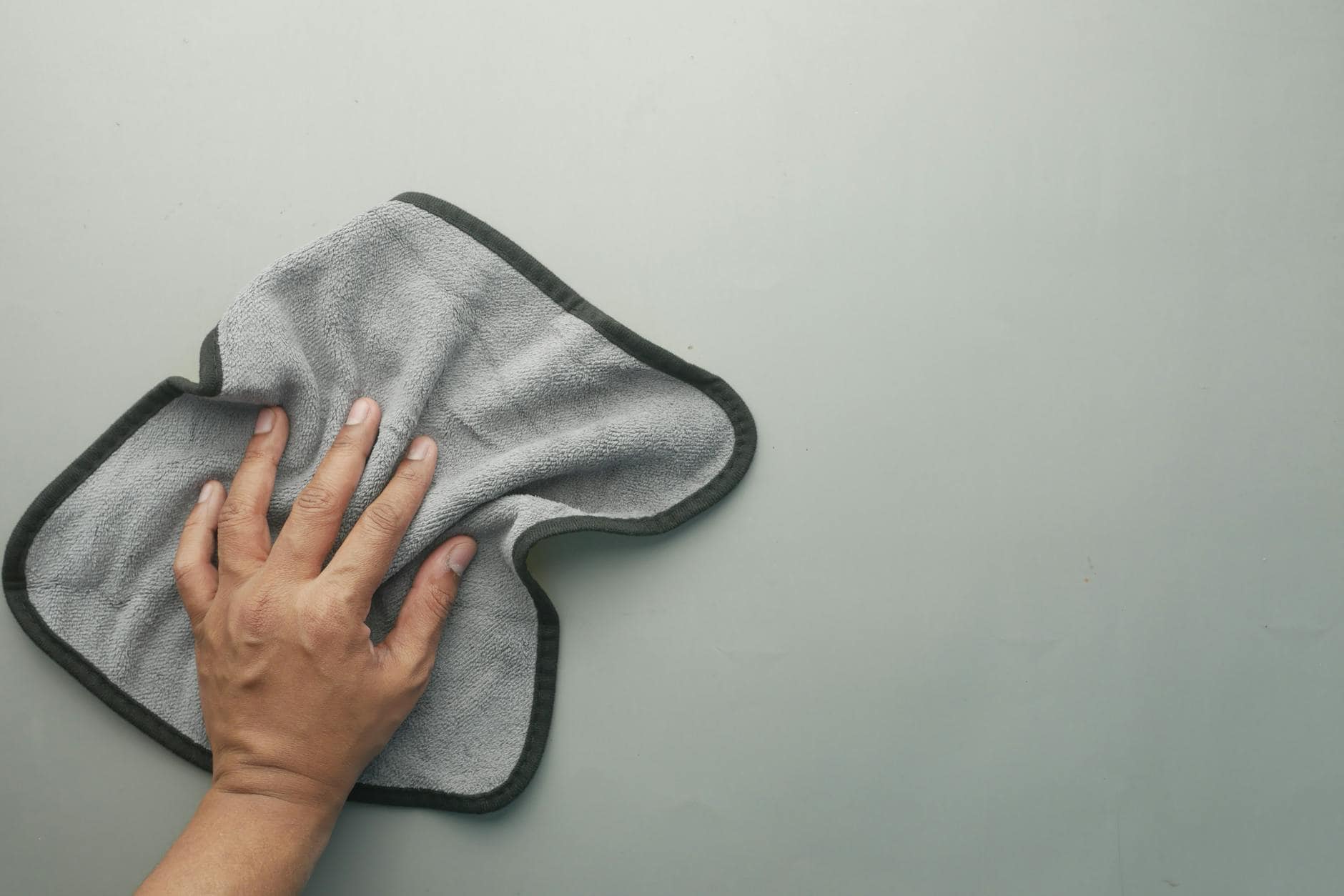
Microfiber travel towels have a legitimate use case: camping, hostels that don’t provide towels, beach days where pack weight matters. For these contexts, the quick-dry, compact properties of a microfiber towel are genuinely valuable.
For any trip that involves hotels, guesthouses, or any accommodation that provides towels — which is the majority of travel most people do — the travel towel is dead weight. Even budget hotels provide towels. The travel towel takes up space in the bag for a contingency that almost never arises.
The pattern is instructive: a lot of travel gear is designed for worst-case scenarios that rarely materialize. The money and space spent on gear for improbable problems is frequently money and space better directed elsewhere.
The Cheap Things That Actually Matter
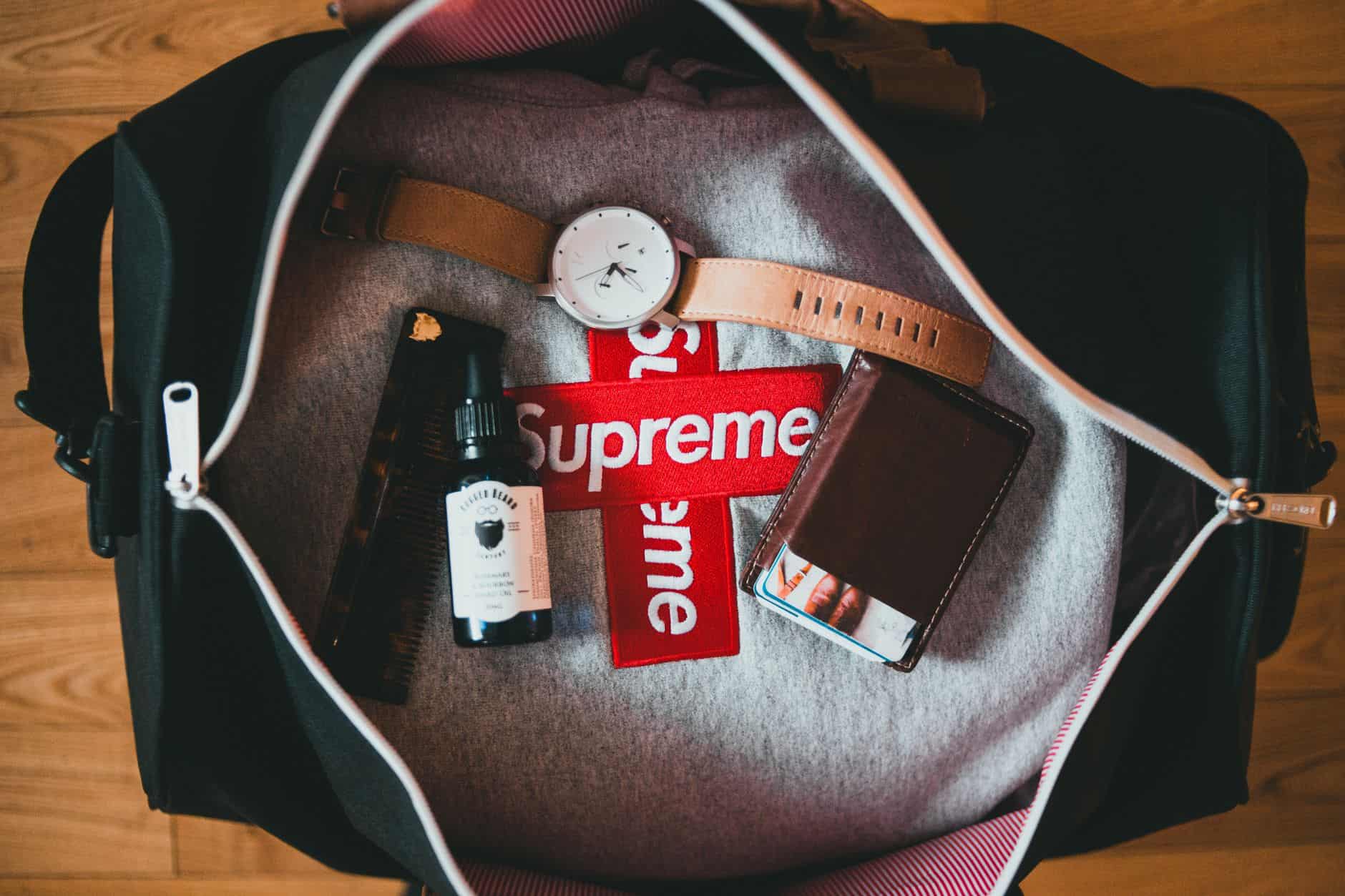
Experienced travelers tend to converge on a small set of inexpensive items that address problems that actually occur, consistently, on real trips:
- A door stop alarm: A small rubber wedge with a loud alarm that prevents a hotel door from opening. Costs $8 to $12. Provides genuine security in properties where door lock quality is uncertain, and provides psychological comfort that makes sleep easier. Experienced solo travelers almost universally include this.
- A silicone earbud case filled with basic medications: Ibuprofen, antidiarrheal, antihistamine, antacid. The specific medications vary by person, but the principle is consistent: having the right medication immediately available without a pharmacy search in an unfamiliar city is worth more than any gear item. The cost is roughly $15 for a three-trip supply.
- A paper copy of everything important: Passport data page, emergency contact numbers, hotel addresses, travel insurance policy number. Costs nothing. The failure scenarios it addresses — dead phone, lost phone, phone theft — are common enough that experienced travelers don’t leave without it.
- A reusable water bottle with a filter: A $30 to $45 filtered water bottle eliminates the cost of bottled water in destinations where tap water is questionable, and reduces the environmental footprint. Several experienced travelers describe this as the single item they would least willingly leave at home.
- Earplugs and an eye mask: The cheapest, most effective sleep tools available. A foam earplug and a light-blocking mask cost under $5 combined and outperform $100 of specialized sleep gear in most sleeping environments.
The One Thing Every Experienced Traveler Has
If you ask travelers who have been doing this seriously for ten or more years what item they would never leave without, the answers cluster around one category more than any other: a small, well-made personal first aid kit customized to their specific needs and trip profile.
Not a pre-assembled first aid kit with forty-eight items they’ll never use. A small kit built from individual items based on the traveler’s personal history of what goes wrong on their trips. The person who reliably gets blisters packs moleskin. The person who sleeps badly on flights packs melatonin. The person who consistently gets stomach issues packs the appropriate remedy.
This is the anti-generic-gear principle: the most useful travel items are the ones that address your specific, personal failure modes — not the generic failure modes the gear industry has designed products for.
The Anti-Gear Philosophy
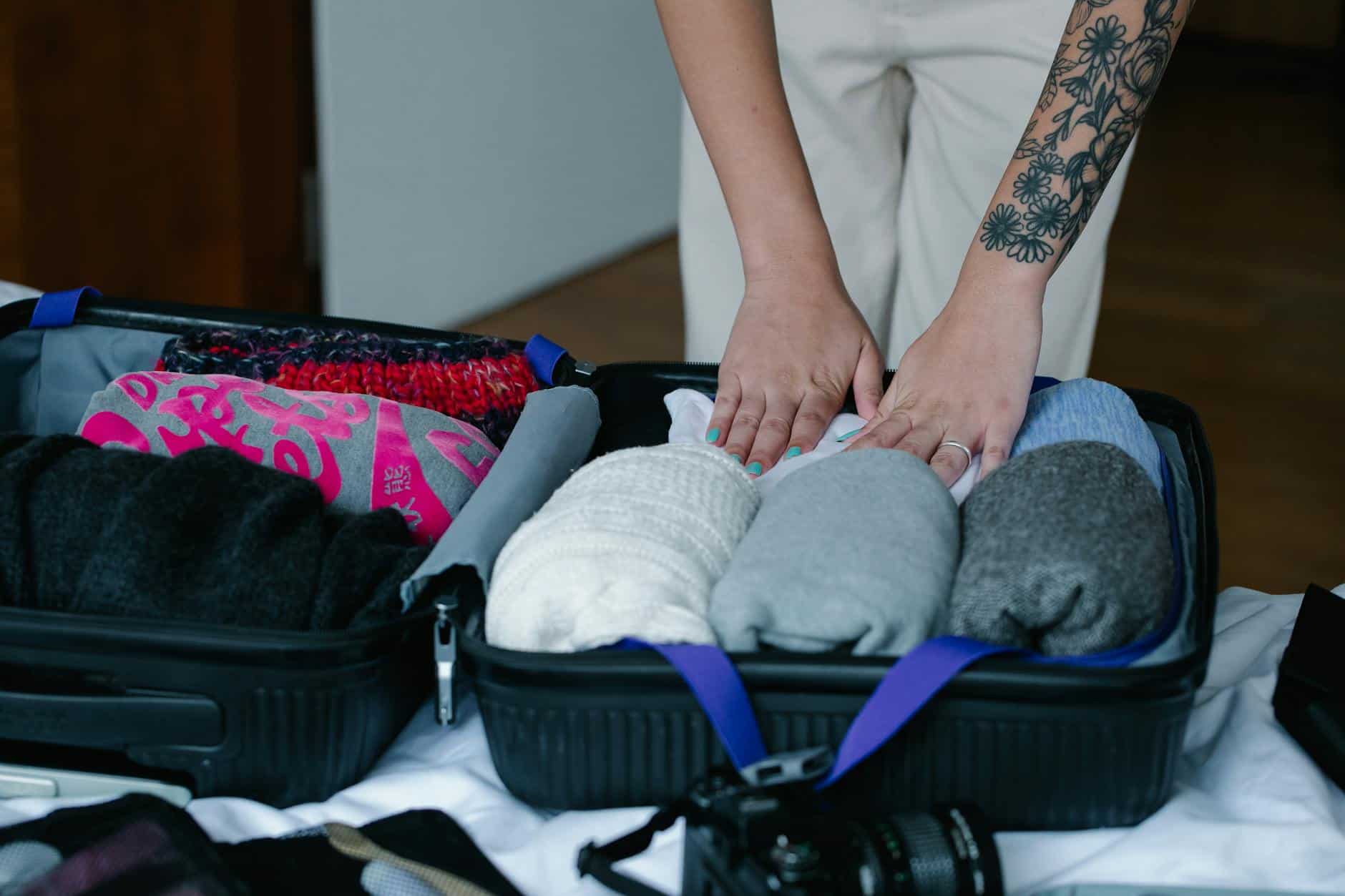
A significant number of experienced long-term travelers have arrived at what could be called the anti-gear philosophy: the best travel kit is the one with the fewest items, each of which has proven utility across many trips.
This philosophy is the product of experience, not ideology. It’s where people end up after buying the gear, using it, and discovering which items were actually necessary and which were solutions to problems that didn’t materialize.
The anti-gear traveler packs a carry-on that they carry on every trip, containing exactly the same items, none of which are specialized travel products. A regular pair of earbuds. A portable charger. A few pairs of socks and underwear. A versatile pair of shoes. The cheap things that actually matter.
The gear the industry is selling is mostly selling peace of mind, not capability. That’s not entirely without value — peace of mind before a trip is worth something. But the peace of mind fades before departure anyway, and what remains in the bag is either useful or weight.