The Specific Ways Budget Airlines Make Money Beyond Your Ticket Price — and the Math That Shows What You Actually Paid
We may earn money or products from the companies mentioned in this post. This means if you click on the link and purchase the item, I will receive a small commission at no extra cost to you ... you're just helping re-supply our family's travel fund.
This article contains affiliate links. We may earn a commission if you book through our links, at no extra cost to you.
In 2023, Spirit Airlines — one of the most aggressive practitioners of the budget carrier fee model — reported that ancillary revenue (fees and add-ons beyond the base fare) represented approximately 50 percent of total revenue. For every dollar Spirit collected from a customer, roughly fifty cents came from something other than the seat.
This is not unusual. Frontier, Allegiant, and similar carriers operate on comparable models. The base fare is, in the most literal sense, not what you’re paying for the flight. It is a price set at whatever level is required to get you to click “book” — and then the real pricing begins.
The Loss Leader Ticket and Why It Exists
The economic logic of the ultra-low-cost carrier model is borrowed from retail: the loss leader. Grocery stores sell milk at or below cost because people who come in for milk buy other things. Budget airlines sell base fares at or below their operational cost per seat because people who commit to a flight will pay fees for everything else they need.
The base fare, in many cases, is genuinely below the airline’s cost to operate that seat. The revenue model only works when the full purchase — fare plus ancillaries — covers costs and generates profit. The airline’s pricing team has modeled, with considerable sophistication, exactly how much additional revenue each booked passenger generates in ancillary fees.
This is why budget airlines invest heavily in research on what passengers will pay for at the point of booking and at the airport. The understanding of passenger willingness to pay for specific add-ons — at what price they convert, what language increases conversions — is a core competency of budget carrier operations.
For passengers, the implication is direct: the advertised price is almost never the price you pay. Understanding the architecture of the fees is essential to accurately comparing the actual cost of a budget fare against a legacy carrier’s fare.
Bag Fees: The Full Breakdown by Carrier
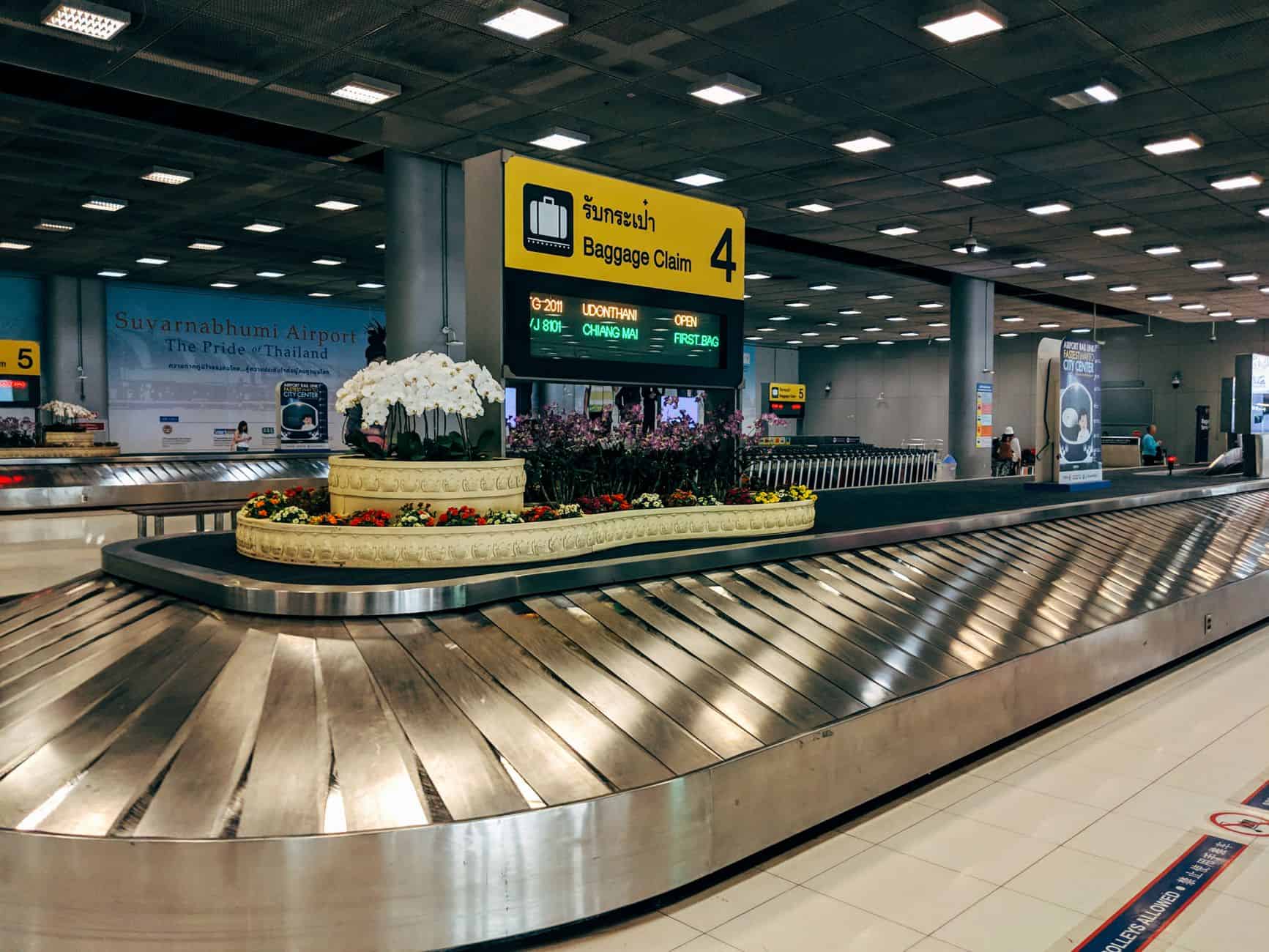
Bag fees are the oldest and most well-understood element of budget carrier fee architecture, but the specific math still surprises most passengers.
Spirit, as of recent filings, charges anywhere from $45 to $89 for a carry-on bag (not checked — carry-on) depending on how far in advance you add it, with the lowest prices available at time of booking online and the highest charged at the gate. A checked bag runs in the same range. On a roundtrip, two bags can add $180 to $360 to a base fare.
Frontier’s model is similar: carry-on bag fees that escalate as you approach the flight date, reaching their maximum at the gate. The airline has essentially created a pricing mechanism where the cost of the same item varies by a factor of two or three depending on when the customer accesses it.
Allegiant’s bag fees operate on comparable principles. The consistent feature across carriers is the escalating price structure: buy in advance and pay the minimum, wait and pay the maximum. This serves two purposes — it captures revenue from passengers who don’t plan ahead, and it encourages advance purchase, which helps the airline manage load forecasting.
For passengers traveling with any luggage at all, the practical implication is that a $39 base fare with two bags often costs more than a $179 legacy carrier fare where bags are included. The comparison requires adding the ancillary fees to the base fare before evaluating.
Seat Selection: Why the ‘Free’ Seat Is a Middle Seat in the Back
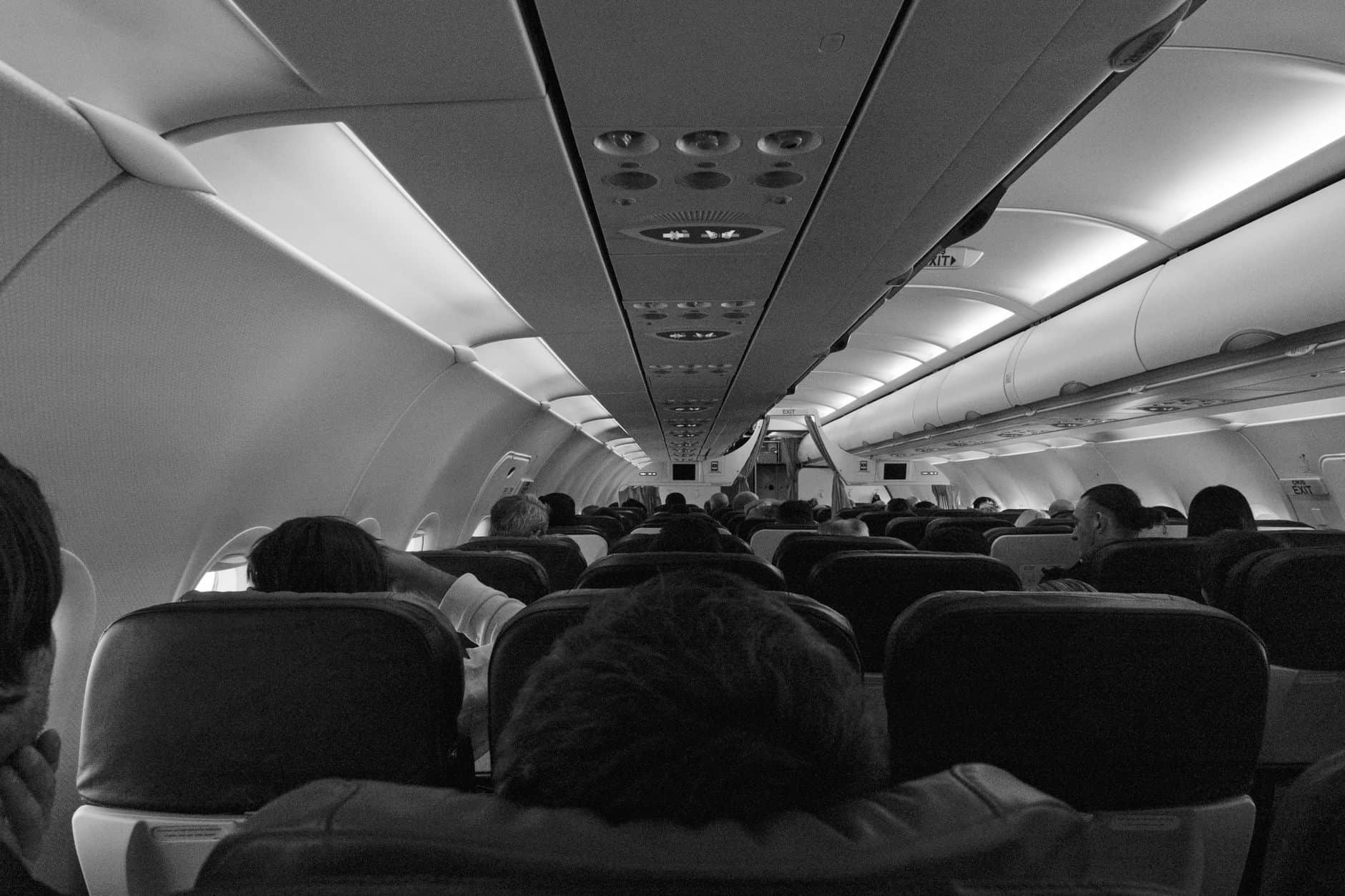
Budget carriers offer “free” seat selection — you can fly without paying for a seat assignment and receive whatever is left when you check in. The catch is structural: what’s left when you check in is almost always a middle seat in the last several rows.
This is not accidental. The seat inventory is managed precisely to ensure that passengers who don’t pay for seat selection are allocated the least desirable seats on the aircraft, creating a strong incentive to pay. Window seats and aisle seats in the forward cabin are typically priced at a premium. Exit row seats command additional fees. The “free” seat exists primarily as a reference point that makes paid seats feel worth the upgrade.
On a roundtrip flight, seat selection fees can add $40 to $120 or more, depending on the route and the specific seats. On longer routes, premium seating with extra legroom — Spirit’s “Big Front Seat,” Frontier’s “UpFront Plus” — can add $50 to $150 per segment.
For families traveling together, the seat fee architecture is particularly significant. Airlines are not required to seat companions together unless a child is under a certain age, and budget carriers generally don’t accommodate requests without fees. Families wanting to sit together routinely pay seat selection fees across all tickets.
The Boarding Group Monetization Machine
Boarding sequence has become its own revenue category. Budget carriers offer early boarding — access to the aircraft before the general boarding group — as a paid add-on, typically bundled with other benefits in product tiers.
The value proposition is primarily about overhead bin space. On aircraft with limited carry-on capacity or on flights where overhead bins fill quickly, boarding early is the difference between having a bin near your seat and gate-checking your bag. Budget carriers have engineered this dynamic deliberately: by charging for overhead bin space (in the form of carry-on fees) and then selling early boarding access that helps you secure that space, they’ve created a fee that addresses a problem their own fee structure created.
Boarding group products — Spirit’s “Shortcut Boarding,” Frontier’s “Priority Boarding” — typically cost between $10 and $25 per segment and are frequently bundled with bag fees and seat selection in package products that offer marginal savings over purchasing individually.
Food and Drink: What the Margin Actually Is
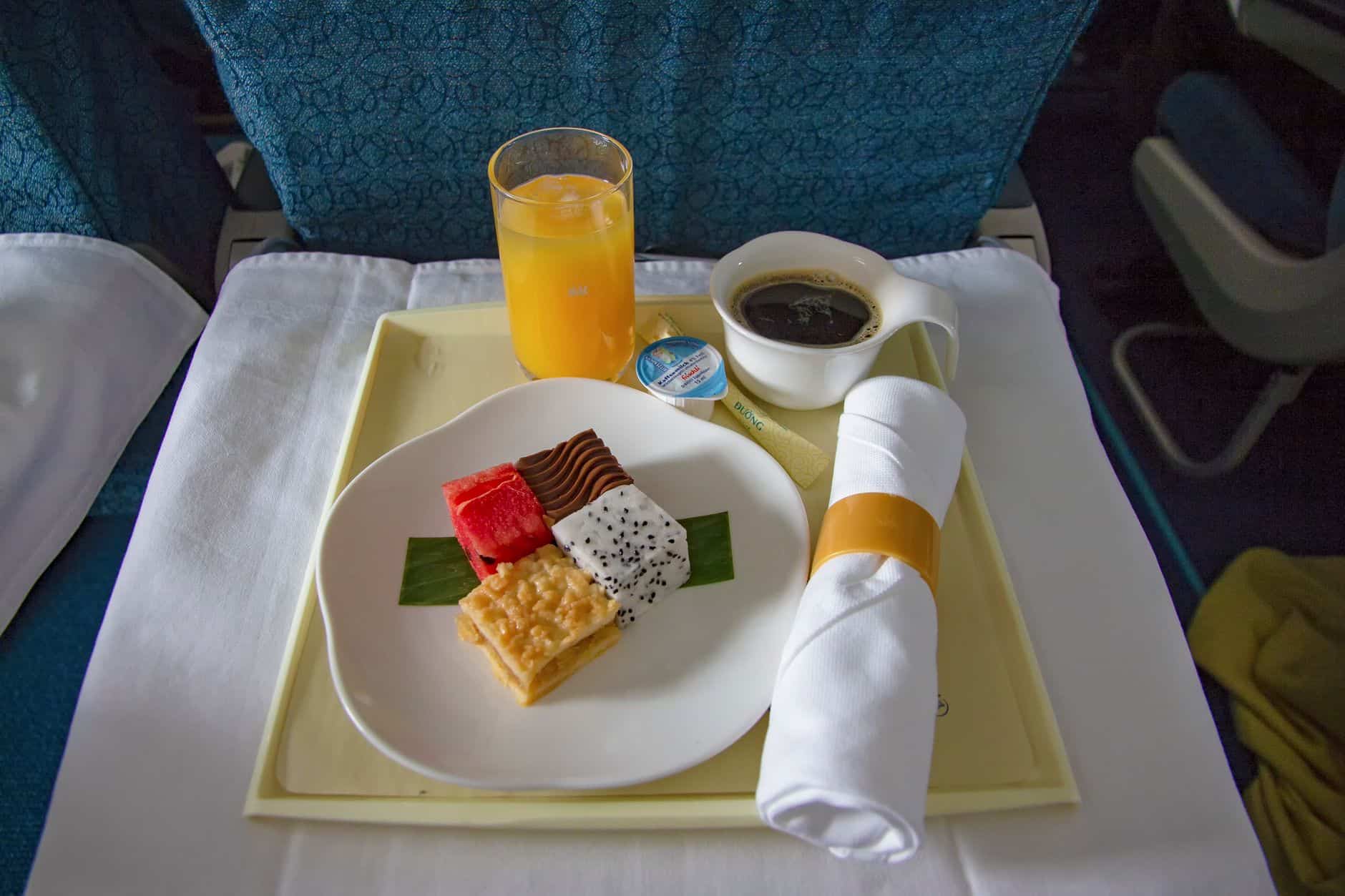
Budget carriers do not provide complimentary food or beverages except, in some cases, a cup of water. Everything else is sold at prices that reflect the captive-market dynamics of in-flight retail.
The margin on in-flight food and beverage is substantial. A beer purchased at a gate bar for $9 and consumed before boarding is the same product as a beer sold on the aircraft for $9 — but the aircraft sale occurs in a context where the customer has no alternatives. The effective price elasticity is nearly zero once the aircraft door closes.
The revenue contribution of in-flight food and beverage is modest relative to bag fees but meaningful in aggregate. For a full flight of 180 passengers, a 60 percent purchase rate at $8 average spend generates roughly $865 per flight segment in food and beverage revenue.
Credit Card Partnerships: The Revenue You Can’t See
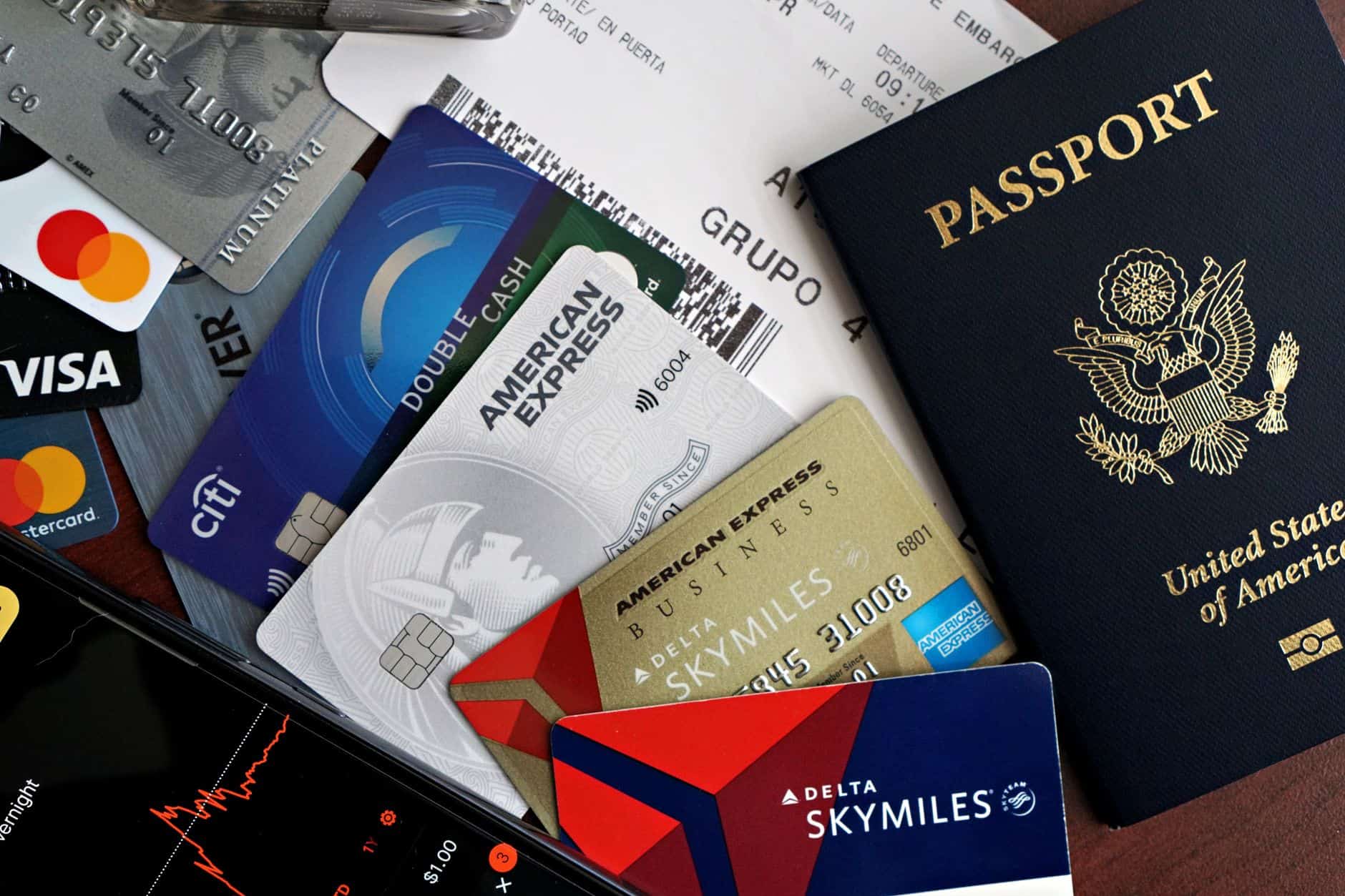
The least visible element of budget carrier ancillary revenue is credit card partnerships. Airlines sell co-branded credit cards through banking partners, receiving significant revenue from card issuance, annual fees, and the purchase of frequent flyer miles or points by the banking partner.
This revenue doesn’t appear on your booking receipt. It is embedded in the financial relationship between the airline and the card issuer. But it is substantial: for some carriers, credit card revenue represents a larger share of ancillary income than bag fees.
The co-branded card pitch is delivered at the gate, on the aircraft, and at check-in, frequently offering a sign-up bonus denominated in points that can be redeemed for flights. The economic structure benefits the airline because every dollar charged to the co-branded card generates revenue from the bank, regardless of whether the cardholder redeems their points.
The Cancellation and Change Fee Architecture
Budget carriers have complex fare rules governing cancellation and change. While many have introduced more flexible policies in the post-pandemic period, the underlying fee structure typically involves significant charges for changes made within certain windows of the departure date.
More importantly, the non-refundable nature of most budget fares means that passenger no-shows and cancellations — which occur at higher rates on lower-priced tickets, since the cost of abandoning the booking is lower — represent a revenue windfall. The airline keeps the fare, resells the seat, and collects both payments.
Trip protection products — sold at booking as an add-on — represent another fee category, typically running $10 to $30 per passenger and covering a range of scenarios that passengers should read carefully before purchasing.
The Math: What a Roundtrip Actually Costs

A worked example illustrates the architecture clearly. Consider a roundtrip on a major budget carrier, advertised at $59 each way.
- Base fare (roundtrip): $118
- Carry-on bag, both directions (pre-purchased): $100
- Seat selection, aisle seat, both directions: $60
- Early boarding, both directions: $30
- One in-flight beverage each way: $18
- Taxes and fees: $40
- Total: $366
The comparable legacy carrier fare on the same route, with one free checked bag, seat selection included, and a complimentary beverage: $249 roundtrip.
This is not a knock on budget carriers. For a passenger traveling with a personal item only, no seat preference, willing to board last and sit in whatever seat remains, the budget fare can be genuinely cheaper. The model is rational for some passengers in some circumstances.
The problem is that most passengers don’t calculate the actual cost when they book. They see $59 and make a decision. The fees accumulate at booking, at check-in, and at the gate, and the total arrives piecemeal in a way that obscures the comparison.
The one question worth asking before booking any budget carrier flight: add up every fee you will actually need to pay for your specific trip. Compare that number — not the base fare — to the alternatives.