Airlines Do Not Upgrade the Nicest-Dressed Passenger. Here Is the Actual Order They Use.
We may earn money or products from the companies mentioned in this post. This means if you click on the link and purchase the item, I will receive a small commission at no extra cost to you ... you're just helping re-supply our family's travel fund.
There is a persistent myth that airline upgrades are handed out based on how you look, how you talk to the gate agent, or plain luck. In reality, most major airlines run upgrades through a highly structured, largely automated priority list, and understanding that list explains why the well-dressed passenger at the gate rarely gets picked over someone in sweatpants with the right status.
Status Is the Foundation, Not a Tiebreaker
The single largest factor in most airline upgrade systems is frequent flyer elite status. On carriers like American Airlines, the priority order runs from top-tier status levels, such as Concierge Key and Executive Platinum, down through Platinum Pro, Platinum, and Gold, with each tier cleared before the system even looks at the next. A passenger with entry-level elite status is virtually always cleared for an available upgrade before a passenger with no status at all, regardless of how the two people are dressed or how politely they ask.
After Status, It Is About What You Paid and How You Asked
Within a given status tier, airlines break ties using fare class and how the upgrade was requested. Passengers who paid for a higher, more flexible fare, something like a full-fare economy ticket rather than a discounted basic economy fare, typically clear ahead of passengers with the same status but a cheaper ticket. Systemwide upgrade certificates and mileage-based upgrade requests generally process ahead of automatic complimentary upgrades, meaning someone who proactively redeemed miles or a certificate for the upgrade often beats someone with equal status just waiting passively on the list.
The Actual Order Most Major Carriers Use
- Highest elite status tier first, cleared in full before the system moves to the next tier down
- Within each tier, systemwide or mileage-based upgrade requests generally clear before automatic complimentary upgrades
- Higher fare classes within the same status tier clear before lower, discounted fare classes
- Timestamp of the upgrade request breaks remaining ties, so requesting the moment you become eligible, ideally at booking, matters
- Co-branded credit card benefits and companion upgrade certificates factor in at the margins, mostly as tiebreakers rather than primary drivers
Why the Old Myths Persist Anyway
Gate agents do retain limited discretion in specific situations, like resolving an overbooked flight or handling irregular operations, and being polite absolutely helps in those edge cases since agents remember and reward pleasant interactions when they do have a choice to make. But that discretion is a small sliver of total upgrades compared to the automated, status-driven system clearing the vast majority of seats well before boarding even begins. The myth of the charming passenger talking their way into first class survives because it occasionally happens and makes for a good story, not because it reflects how the system actually allocates seats.
The practical takeaway for anyone who actually wants more upgrades is unglamorous: pick one airline or alliance, fly it consistently enough to build real status, book fare classes that remain upgrade-eligible, and request the upgrade as early as your status allows, ideally the moment you book. Politeness at the gate is a nice tiebreaker. Status is the entire game.
What Happens When Elite Status Runs Out
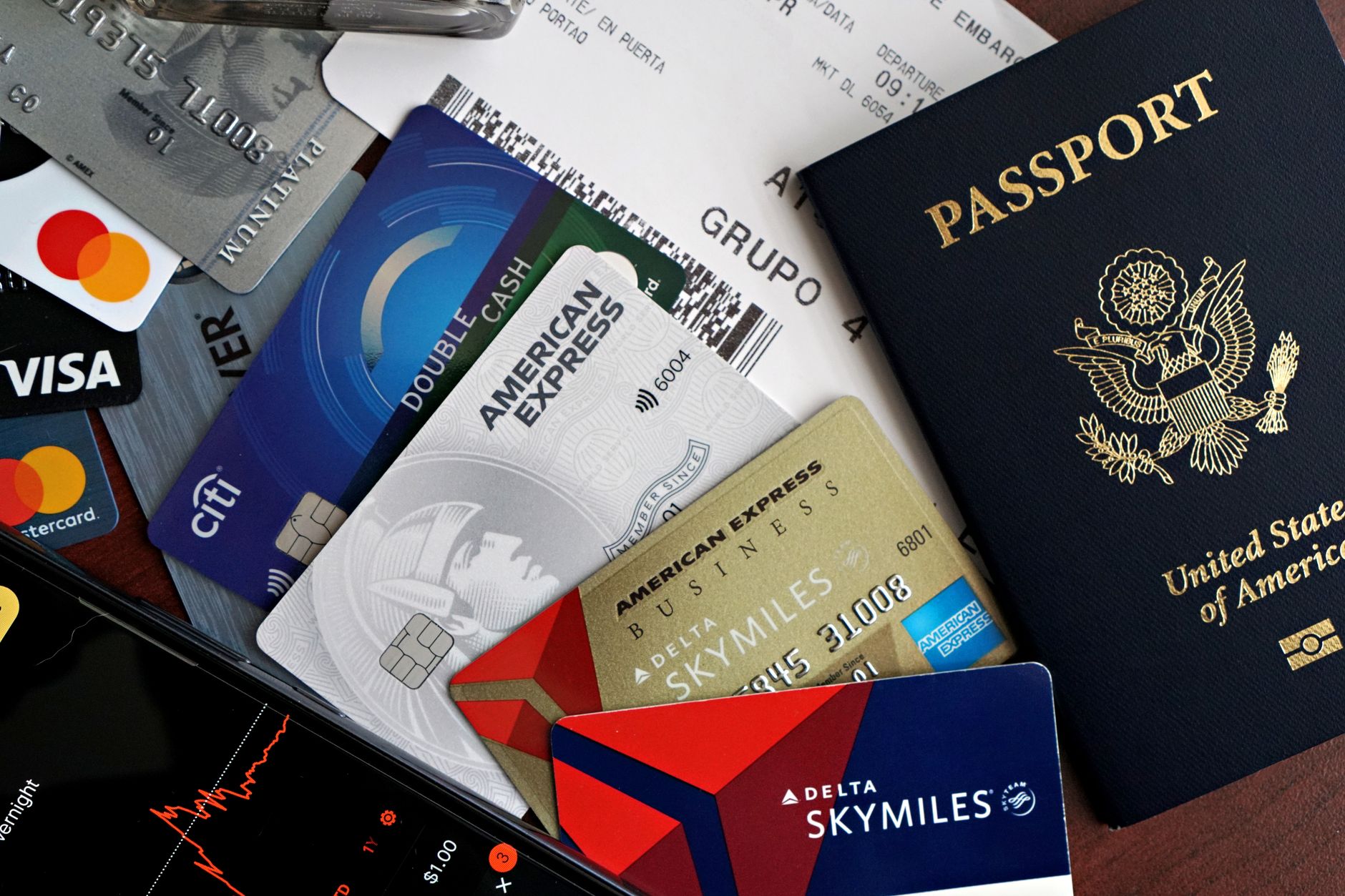
For travelers without meaningful elite status, a few underused strategies still move the needle within the limits of the automated system. Airline credit cards that come bundled with a status tier, even an entry-level one, put a cardholder ahead of every non-status passenger on the list automatically. Status matching and status challenge programs, where a competing airline will match status earned elsewhere for a trial period, let travelers temporarily access upgrade priority they have not organically earned yet, which frequent flyer forums treat as one of the most reliable ways to jump the line without years of flying.
The passengers who consistently get upgraded are rarely the ones gaming the system cleverly at the gate. They are the ones who picked a single airline years earlier, stuck with it long enough to build real status, and now benefit from a priority list that was, in effect, decided the moment they committed to that loyalty rather than the moment they showed up at the airport.
The One Upgrade Myth That Is Actually True
Amid all the myths that turn out to be false, one popular belief holds up under scrutiny: flying on routes and times with historically low load factors genuinely does increase upgrade odds, independent of status. Late-morning midweek domestic flights, particularly on routes that skew business-heavy on weekdays and leisure-heavy on weekends, tend to have emptier premium cabins on off-peak days, giving even modest-status flyers a real shot at clearing the list that a Friday evening or Sunday afternoon flight on the same route would not offer.
Combining that timing insight with even entry-level status, rather than relying on either alone, is where frequent flyers report the most consistent upgrade success. Neither trick works particularly well in isolation, but stacked together they explain most of the upgrades that happen to travelers who do not have top-tier status but still seem to get lucky more often than chance alone would predict.
None of this is a reason to stop hoping for an upgrade. It is a reason to stop being surprised when the passenger in sweatpants gets one and you do not, and to start building the kind of loyalty history that puts you in their seat instead.
Frequent flyer communities online have become unusually rigorous about documenting these patterns precisely because airlines rarely publish their exact algorithms, turning crowdsourced upgrade tracking into one of the more reliable ways ordinary travelers can reverse-engineer a system the airlines themselves prefer to keep opaque.
Airlines have started experimenting with more transparent upgrade bidding systems in recent years, letting travelers see and bid a specific dollar amount for an open premium seat, which introduces a layer of pure price competition on top of the traditional status-based list and gives non-elite travelers with disposable income a new, if expensive, way into the front of the plane.
For travelers without status on any airline, the most realistic near-term strategy is simply picking one carrier serving their most common routes and committing to it for a year, since even a modest amount of consistent flying compounds into real status faster than most people expect, often within a single busy travel year rather than the multi-year commitment people assume it requires.