Most Travel Gear Sold on Instagram Solves a Problem You Didn’t Have Until You Saw the Ad
We may earn money or products from the companies mentioned in this post. This means if you click on the link and purchase the item, I will receive a small commission at no extra cost to you ... you're just helping re-supply our family's travel fund.
Travel accessory advertising has become one of the more sophisticated anxiety-marketing categories on social media, presenting an escalating list of specific, narrow problems — packing cube organization systems, neck pillows shaped like every imaginable variation, portable luggage scales, RFID-blocking everything — most of which address a risk or inconvenience that the vast majority of travelers never actually experience in a way that justifies the purchase. Separating the genuinely useful travel purchases from the anxiety-driven ones comes down to a fairly simple test: does this solve a problem that’s already happened to you, or a problem an ad convinced you might happen?
What actually earns its place in a bag, according to frequent travelers
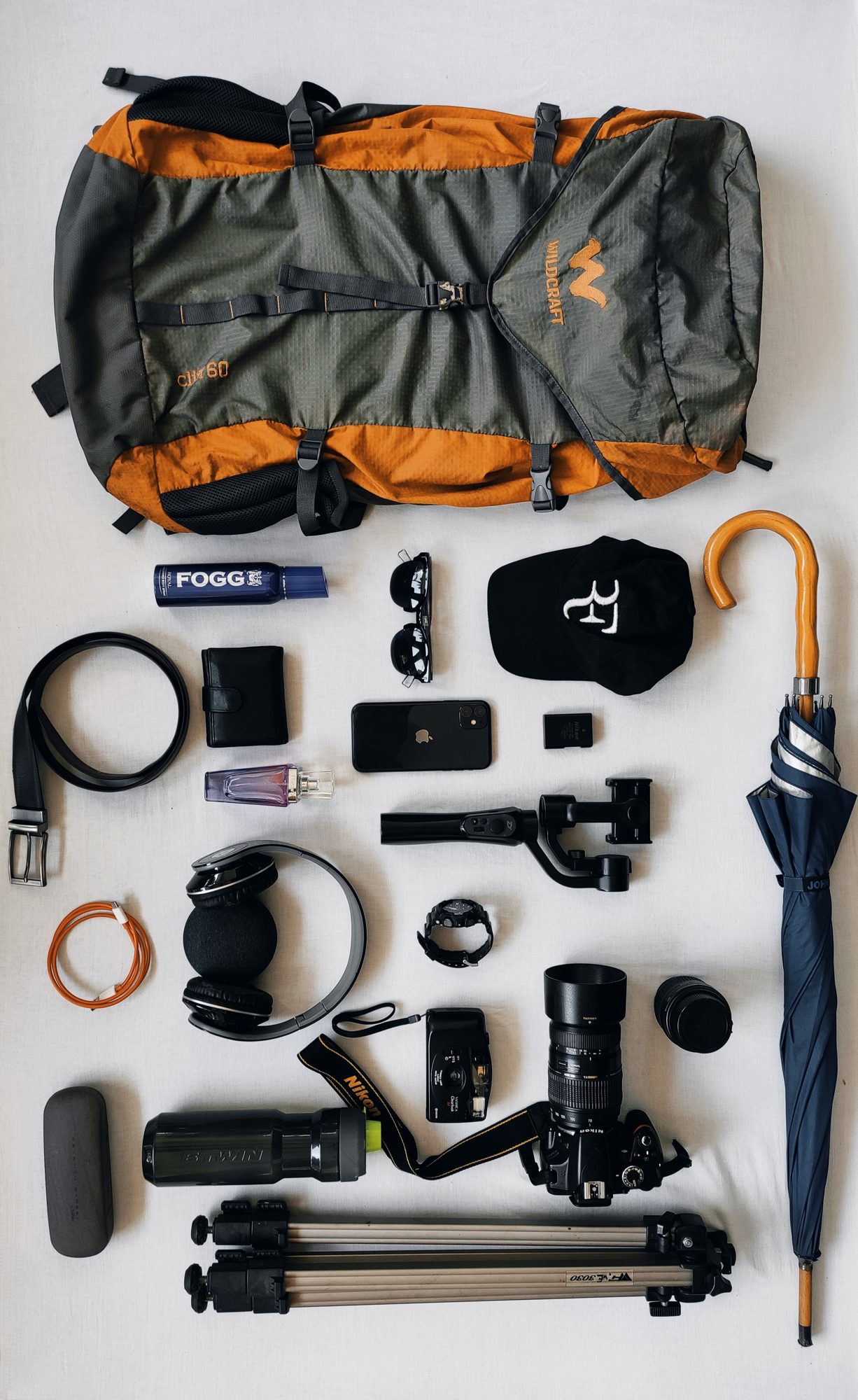
A genuinely good portable charger consistently ranks among the most recommended purchases by frequent travelers, since dead phone batteries during a long transit day or an unfamiliar city navigation emergency represent a real, commonly experienced problem rather than a manufactured one. Packing cubes, despite feeling like a gimmick to first-time buyers, earn near-universal praise from people who’ve actually used them for a full trip, since the organizational benefit of finding a specific item without unpacking an entire bag is a real, daily, repeated convenience rather than a one-time nice-to-have. A quality universal power adapter, one that actually converts voltage rather than simply adapting plug shape, solves a problem that catches out first-time international travelers reliably enough that it’s one of the few “gadget” purchases nearly every seasoned traveler agrees is worth buying before, not after, a trip.
The anxiety purchases that rarely earn their cost
RFID-blocking wallets and passport holders address a theft method — wireless skimming of contactless card data — that security researchers have consistently found to be exceedingly rare in actual reported travel theft cases, especially compared to old-fashioned pickpocketing or lost luggage, meaning the product solves a threat that barely exists in practice while doing nothing about the theft methods that actually do happen regularly. Elaborate specialty neck pillows, sold in dozens of “ergonomic” shapes each claiming superiority over the last, mostly deliver marginal comfort improvements over a basic inflatable pillow at several times the price, a pattern common across travel gear where incremental comfort gets marketed as a dramatic breakthrough. Portable luggage scales solve a real problem in theory, avoiding overweight bag fees, but most experienced travelers find that simply packing conservatively and knowing their bag’s approximate weight from experience makes the device redundant after the first trip or two of calibrating that instinct.
Travel insurance occupies a genuinely contested middle ground in this same evaluation, since it’s marketed with the same anxiety-driven urgency as clearly unnecessary gadgets, but unlike RFID wallets, it actually addresses real, statistically meaningful risks — trip cancellation, medical emergencies abroad, lost luggage above what an airline will reimburse — that financial advisors and experienced travelers generally agree are worth insuring against, particularly for expensive international trips, making it one of the few travel purchases that genuinely straddles both categories depending on the specific trip and coverage type being considered.
A practical test for any travel gear purchase
- Has this specific problem actually happened to you on a previous trip, or only in an ad’s hypothetical scenario
- Would a cheaper, more basic version of this product solve 90 percent of the same problem
- Does it need to be purchased before the trip, or could it be bought at the destination if it turns out to actually be needed
- Is the marketing emphasizing a rare worst-case scenario rather than everyday, common travel friction
Why the anxiety-purchase category keeps growing anyway
Compression packing cubes specifically, which add a zippered second layer to squeeze out extra air and space, represent a genuine middle category between the two extremes — a real, measurable improvement over standard packing cubes for travelers who consistently overpack, but a purchase most casual travelers can reasonably skip if their existing packing habits already keep bag weight and volume under control. That middle category is worth remembering whenever evaluating a new piece of gear: not every product is purely useful or purely gimmick, and the honest answer for a meaningful share of travel accessories depends entirely on a specific traveler’s existing habits and pain points rather than any universal verdict.
Social media advertising algorithms specifically reward content that triggers mild anxiety followed by an immediate, purchasable solution, a format that’s proven extremely effective at converting browsing into buying regardless of whether the underlying problem is statistically significant for the average traveler. Travel influencer partnerships compound this further, since a creator demonstrating a niche gadget’s use in an aspirational travel setting lends the product a credibility and desirability that a plain product listing never could, even when the influencer received the item for free and has no independent basis for claiming it’s actually necessary. The genuinely useful travel purchases tend to be the boring, unglamorous ones — a reliable charger, well-made packing cubes, a proper adapter — while the products that generate the most social media buzz are disproportionately the ones solving problems that mostly exist in the advertising copy rather than in most travelers’ actual, lived experience.
Consumer Reports and similar independent testing organizations have increasingly turned attention to travel gear specifically because the category has grown large enough, and marketing claims aggressive enough, to warrant the same rigorous, unsponsored evaluation traditionally reserved for appliances and electronics, giving budget-conscious travelers an actual independent resource to check before believing an influencer’s enthusiastic but financially incentivized product endorsement.