Asbury Park, New Jersey’s Median Home Price Hit $650,000. In 1990, Half the Boardwalk Was Boarded Shut.
We may earn money or products from the companies mentioned in this post. This means if you click on the link and purchase the item, I will receive a small commission at no extra cost to you ... you're just helping re-supply our family's travel fund.
Asbury Park, New Jersey spent nearly three decades as a cautionary tale about American resort towns in decline, its grand Victorian boardwalk buildings boarded up, its casino and arcade halls abandoned, and its crime rate among the highest in the state through the 1980s and 1990s. Today, median home prices in Asbury Park sit around $650,000, its boardwalk hosts a thriving restaurant and music venue scene, and the city has become a genuine LGBTQ-friendly beach destination drawing comparisons to Provincetown, a transformation few would have predicted from the depths of its collapse.
The story of how a Jersey Shore town went from Bruce Springsteen’s gritty, half-abandoned muse to a boutique hotel destination says as much about American urban redevelopment patterns as it does about Asbury Park specifically.
The Collapse That Defined a Generation
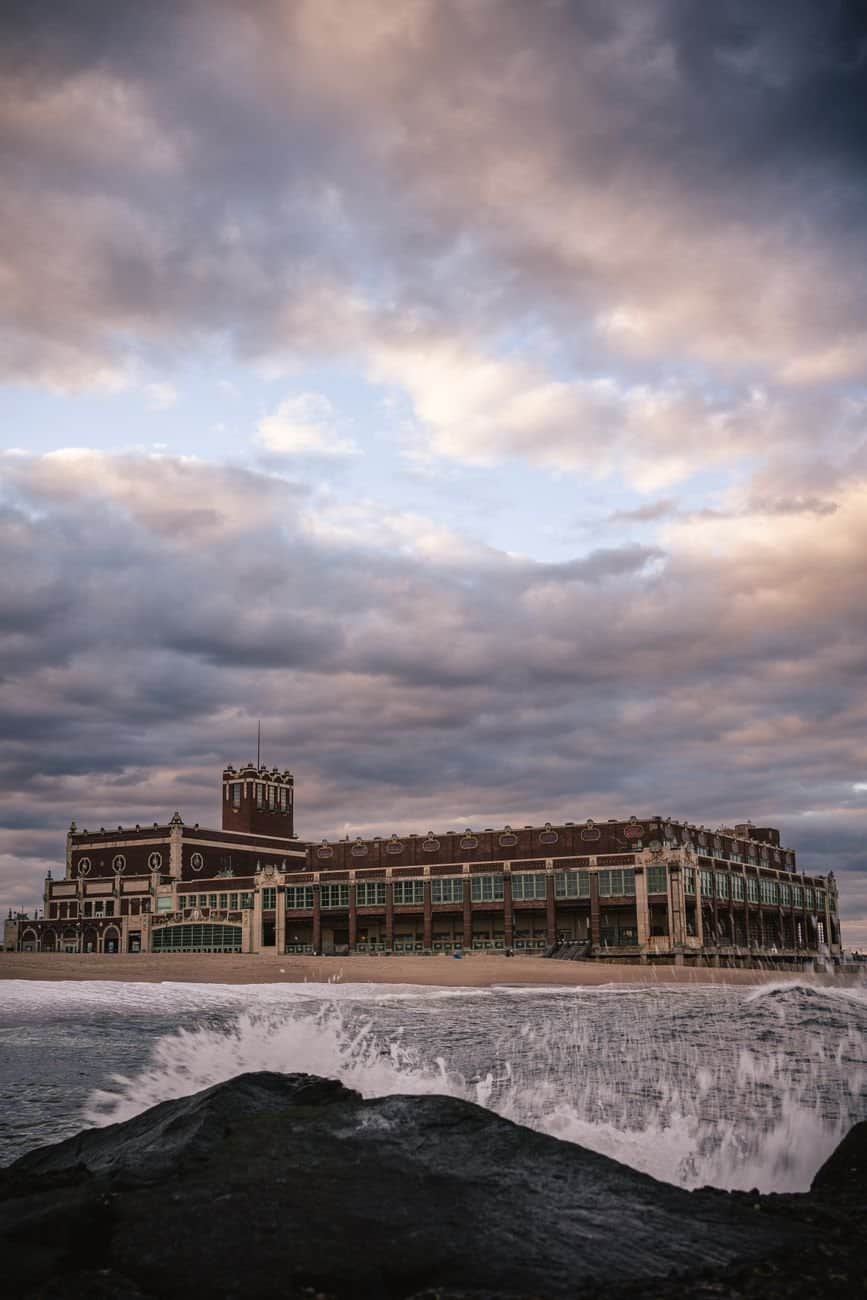
Asbury Park thrived through the early 20th century as one of the premier Jersey Shore resort destinations, with its Convention Hall and Paramount Theatre drawing major entertainers and its boardwalk rivaling Atlantic City’s. The city’s decline accelerated after racial unrest in 1970 led to widespread property damage, and subsequent decades saw white flight, disinvestment, and the closure of the grand hotels and casino buildings that had defined the boardwalk’s skyline.
By the 1980s and into the 1990s, Asbury Park had one of the highest crime rates in New Jersey, and its once-grand boardwalk buildings, including the landmark Casino building, sat vacant and deteriorating for decades. Bruce Springsteen, who got his start playing the city’s Stone Pony music venue, immortalized this era of decline in songs that captured a town that had fallen dramatically from its resort-era peak.
Multiple redevelopment plans in the 1990s and early 2000s failed or stalled amid disputes between the city and developers, leaving Asbury Park in a kind of suspended animation for years, its bones still visibly grand but its economy nearly nonexistent outside a small artist and LGBTQ community that had begun moving in, drawn by cheap rents and tolerance of an otherwise struggling city.
How the Turnaround Actually Happened
The turnaround gained real momentum in the mid-2000s when developer Madison Marquette took over redevelopment rights and began renovating boardwalk properties, but the more significant driver was organic: the LGBTQ community that had settled in Asbury Park through the 1990s built a genuine cultural and commercial infrastructure, bars, guesthouses, and restaurants, that gave the city an identity distinct from a generic beach town revival, drawing visitors specifically for that culture rather than just cheap beachfront property.
- The Stone Pony, Springsteen’s original venue, remains an active music venue and functions as a pilgrimage site for classic rock tourism
- Asbury Park’s beachfront officially desegregated in the 1970s after protests, a history the city now references directly in its LGBTQ-friendly marketing
- The Asbury Hotel and Asbury Ocean Club, both boutique properties, opened in the 2010s and signaled institutional investment confidence in the turnaround
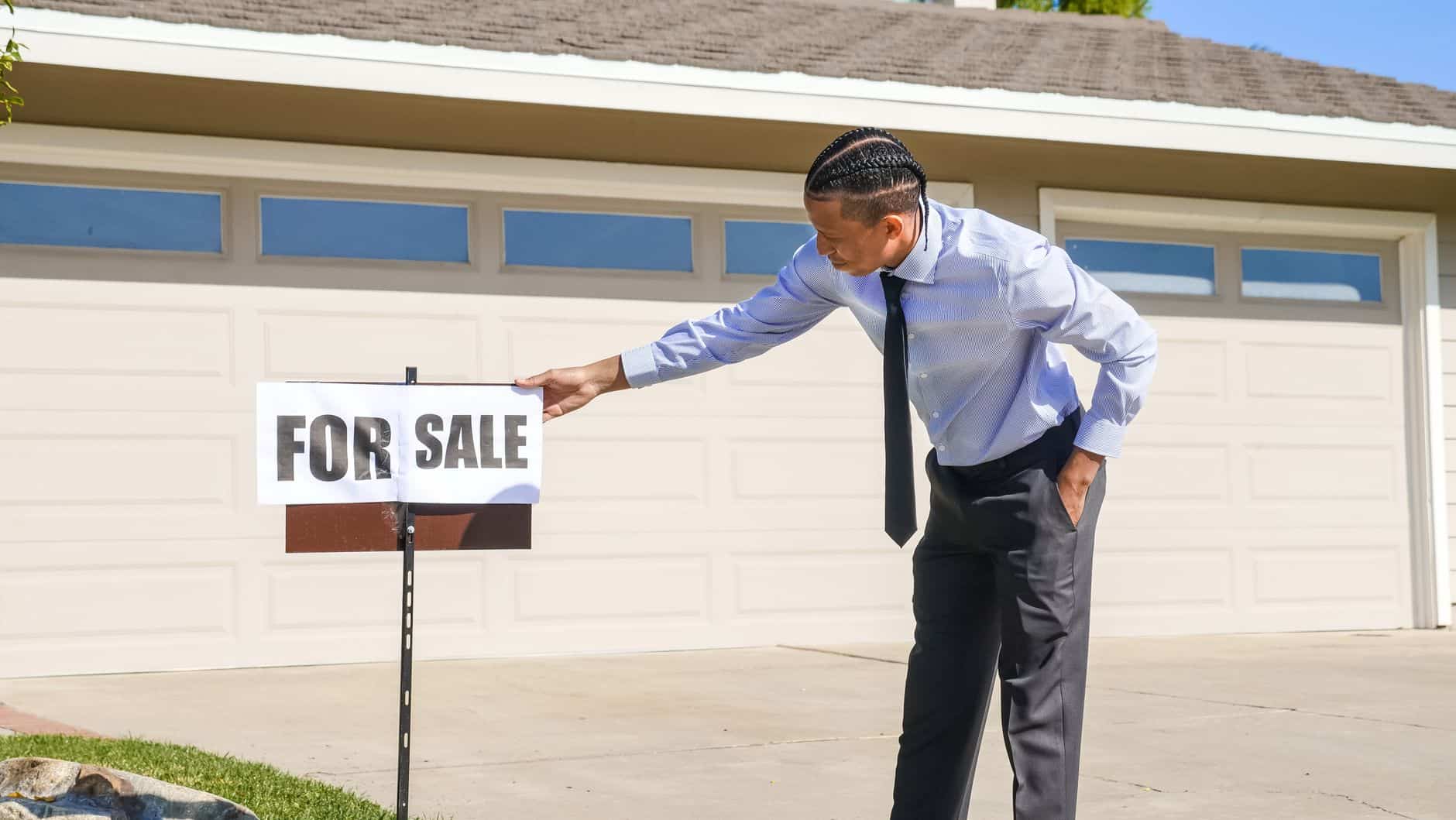
- Home prices in Asbury Park roughly tripled between 2010 and 2023, outpacing most of the broader Jersey Shore
Who Actually Lives There Now
Asbury Park’s population today reflects the layered history of its revival: longtime Black residents whose families remained through the decline, an established LGBTQ community that arrived in the 1990s and 2000s when the city was still cheap, and a newer wave of wealthier buyers, including many from New York City, drawn by the boardwalk’s renewed energy and proximity to Manhattan via NJ Transit. Those groups don’t always share the same view of the city’s trajectory, and gentrification tension is a real, ongoing conversation in local politics.
Rising property taxes and rents have pushed out some of the artists and longtime residents whose presence originally rebuilt the city’s cultural identity, a pattern familiar from nearly every American neighborhood that transitions from disinvestment to desirability within a generation.
What a Visit Actually Costs Now
A summer weekend in Asbury Park, a boutique hotel room, dinner at one of the boardwalk’s now-numerous well-regarded restaurants, and beach badges, which the Jersey Shore still charges for, easily runs $400 to $600 for a couple, a figure that would have been almost unimaginable for the city fifteen years ago when vacant storefronts outnumbered open ones along the boardwalk.
That price still undercuts the more established Jersey Shore towns like Spring Lake or the Hamptons-adjacent pricing of the North Jersey Shore, giving Asbury Park a position as a relatively more accessible, if no longer cheap, beach option within reach of both New York and Philadelphia.
Why This Story Matters Beyond Asbury Park
Asbury Park’s trajectory, decades of decline followed by a community-driven, then investor-amplified revival, has become something of a case study cited by urban planners studying how marginalized communities, in this case the LGBTQ residents who stayed through the worst years, can anchor a genuine turnaround that later attracts broader investment. It’s a different pattern than the top-down redevelopment plans that failed in the 1990s and 2000s.
Whether Asbury Park can maintain the cultural identity that made its revival distinctive, as prices continue rising and a broader, wealthier buyer pool arrives, remains an open question that longtime residents and city officials are actively debating as the boardwalk enters its third decade of renewed relevance.
The Music Venue Economy Nobody Replicated
Beyond the Stone Pony, Asbury Park’s live music ecosystem expanded to include the Wonder Bar, House of Independents, and a revived Convention Hall that now hosts touring acts across genres, giving the city a music tourism identity that few beach towns of comparable size can match. That density of venues within walking distance of each other has made Asbury Park a regular stop for touring musicians who skip larger, more expensive Northeast markets in favor of a boardwalk circuit with genuine cultural cachet.
Local officials have leaned into this identity deliberately, supporting music festivals and busking programs that reinforce the city’s Springsteen-adjacent brand, a strategy that has proven more durable and harder to replicate than simple beachfront redevelopment, since it depends on decades of accumulated cultural association rather than capital investment alone.