8 Things That Get Travelers in Real Legal Trouble Abroad — and Most Americans Do at Least One Without Realizing
We may earn money or products from the companies mentioned in this post. This means if you click on the link and purchase the item, I will receive a small commission at no extra cost to you ... you're just helping re-supply our family's travel fund.
The State Department’s consular assistance data shows a consistent pattern: American travelers get in legal trouble abroad most often not because they’re doing something they know is wrong, but because they’re doing something that’s normal at home in a place where it isn’t. The 8 things on this list are all behaviors that are unremarkable in the United States and illegal, sometimes seriously illegal, in countries that American tourists visit regularly.
Legal Problems Americans Create for Themselves Abroad
1. Photographing Government Buildings, Police, and Military
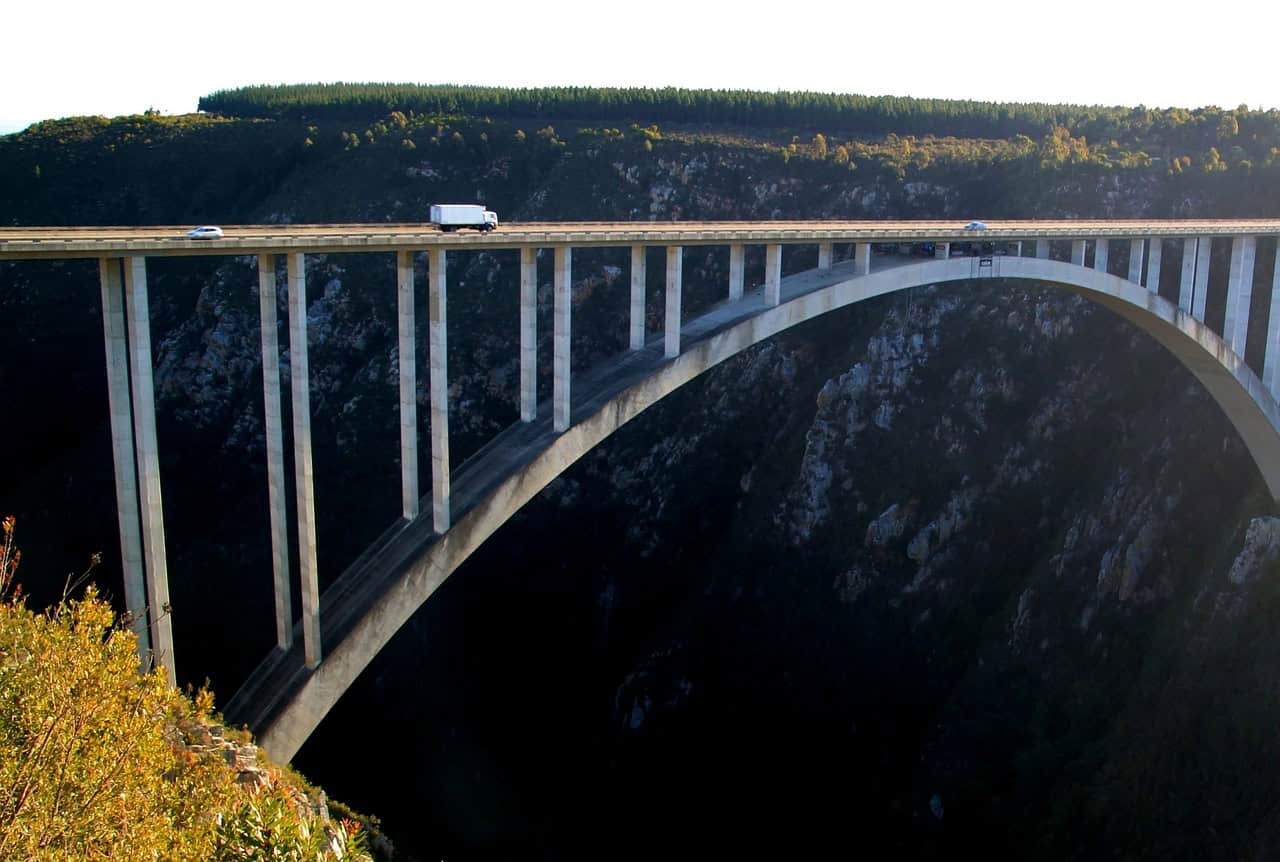
In many countries, photographing government buildings, military installations, bridges, airports, or police officers is illegal without specific permission. This includes countries that are popular American destinations: Morocco, Egypt, Thailand, Singapore, and many others. Americans accustomed to freely photographing anything in public view have been arrested, had equipment confiscated, and in some cases been briefly detained for photography that would be unremarkable in the US. When traveling, research specific restrictions for your destination country — particularly if you’re visiting anything with military or government character.
2. Carrying Medications Without Proper Documentation
Medications that are legal in the United States and available by prescription are controlled substances in some countries. Codeine-containing cough medicine, some ADHD medications (Adderall and similar), certain anxiety medications, and even some decongestants are controlled in Japan, the UAE, Singapore, and other countries. Carrying them without a translated prescription and sometimes specific import authorization can result in arrest. The UAE and Japan have some of the strictest enforcement and the most severe penalties for medication violations.
3. Same-Sex Public Displays of Affection
Same-sex relationships are criminalized in over 60 countries, including some that are significant American tourism destinations in the Caribbean, the Middle East, and Africa. Even in countries where they’re not criminalized, public displays of affection between same-sex couples can result in arrest for public indecency. LGBTQ+ travelers should research the specific legal environment of every destination they’re visiting — the State Department’s country information pages include LGBTQ+ travel advisories for each country.
4. Jaywalking and Traffic Violations
Jaywalking is illegal and actively enforced in Singapore — a $500+ fine is common. Traffic violations in Mexico can result in vehicle confiscation. In some Gulf states, traffic-related deaths can result in civil claims against the driver regardless of fault assignment, affecting your ability to leave the country until claims are resolved. Rental car accidents abroad carry implications that domestic accidents don’t.
5. Speaking Critically of the Government or Royal Family
In Thailand, lèse-majesté laws criminalize criticism of the royal family and carry prison terms of up to 15 years per offense. Similar laws protect ruling families in several Gulf states. In some countries, social media posts made from within the country — or even posts made before visiting that the government surfaces — have led to arrests. This applies to tourists, not just citizens. Several Americans have been arrested or detained in Thailand under these laws.
6. Using VPNs
VPN use is illegal or restricted in Russia, China, Iran, North Korea, UAE, and a growing list of other countries. American travelers who routinely use VPNs for privacy at home and continue to use them abroad without checking local law can face fines or worse. Research VPN legality for each country before you travel, particularly in any country with state control over internet access.
7. Importing E-Cigarettes and Vaping Products
Vaping products are banned for import and use in Thailand, Singapore, India, and many other countries. Customs confiscation is the minimum consequence; in some countries, possession results in fines or detention. This catches a large number of American travelers who travel with vaping devices without checking the rules at their destination.
8. Not Carrying Your Passport at All Times
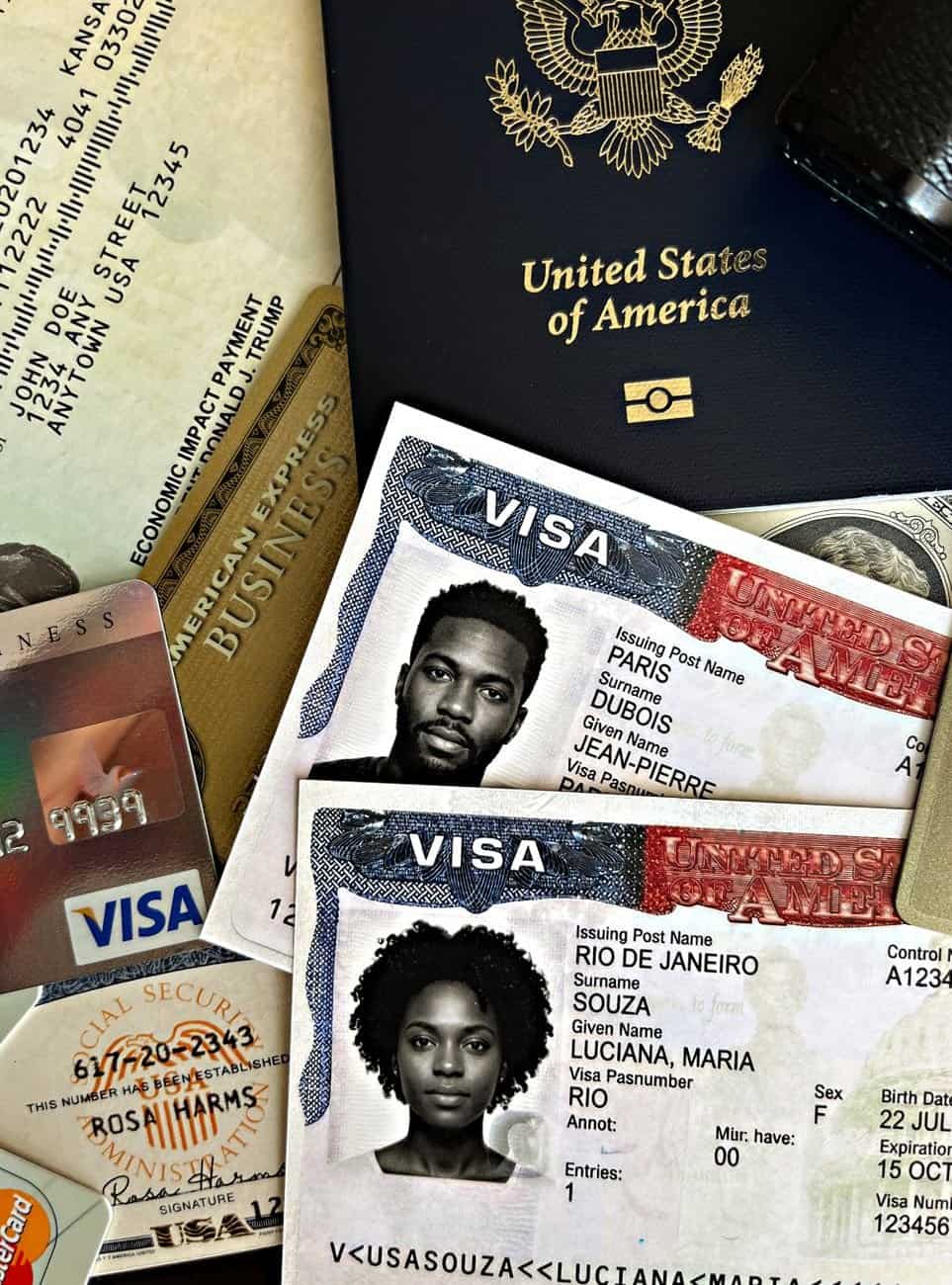
Some countries legally require you to carry your passport on your person at all times. Germany, Italy, and many other European countries have this requirement, even if enforcement is inconsistent. In practice, carrying your passport or a certified copy is good practice everywhere abroad — but in countries where it’s legally required, being stopped without it creates a legal issue that a photocopy on your phone doesn’t resolve. Know the requirements for each destination.