Pensacola Has the Best Beaches in Florida. Here’s Why the Rest of Florida Gets More Tourists
We may earn money or products from the companies mentioned in this post. This means if you click on the link and purchase the item, I will receive a small commission at no extra cost to you ... you're just helping re-supply our family's travel fund.
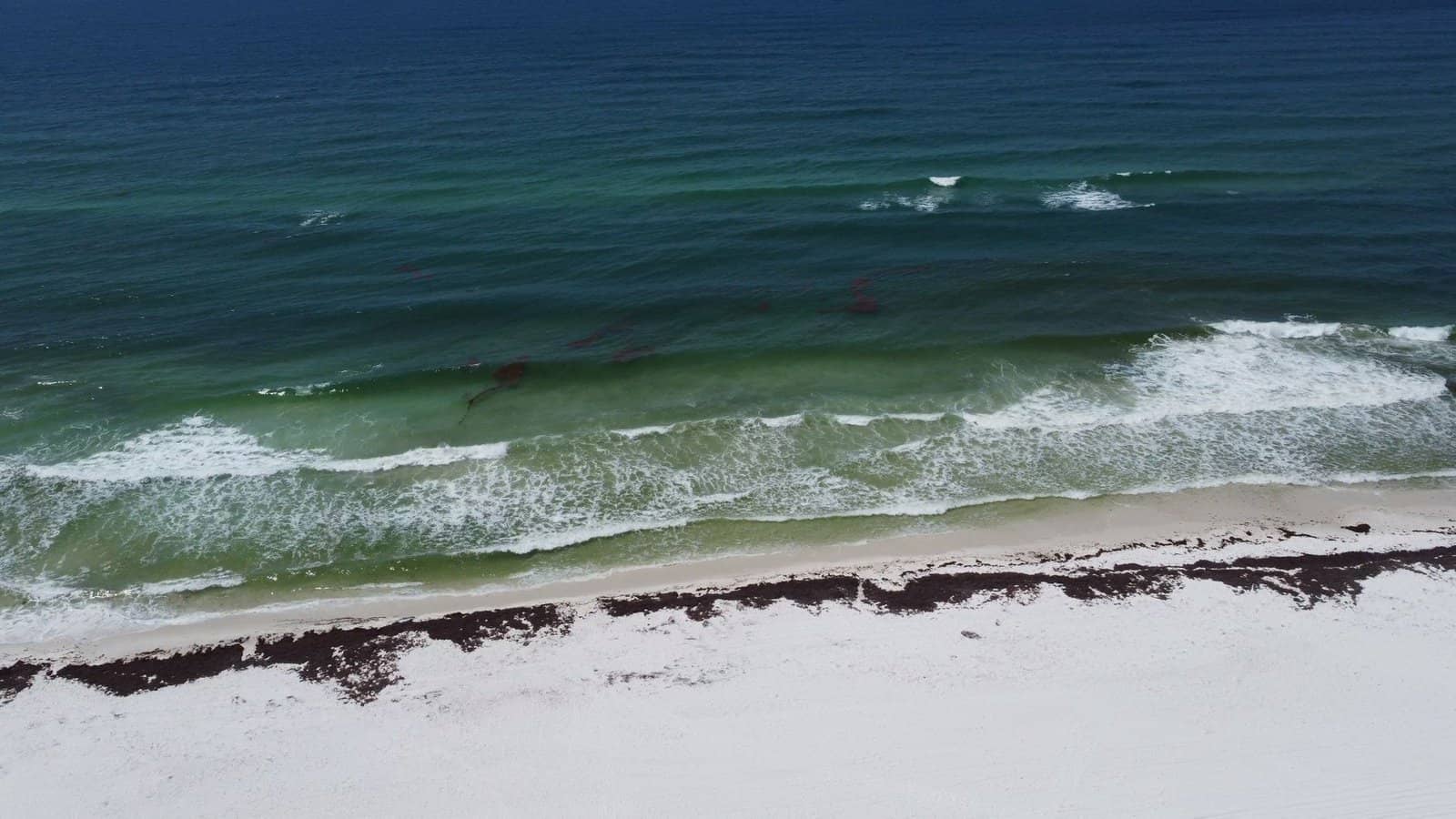
The sand at Pensacola Beach is white quartz ground fine by the Appalachian Mountains over millions of years and carried down the Choctawhatchee and Yellow rivers to the Gulf of Mexico. It’s the same white quartz sand that makes Destin and the 30A corridor famous — cooler to the touch than regular beach sand, brilliant in the sun, and pairing with the emerald-green Gulf water in ways that look photoshopped. Pensacola Beach sits at the western end of this geological gift. It’s also significantly less developed and less expensive than the 30A corridor while delivering the same fundamental beach quality. And most Florida visitors have never been there.
Why Pensacola Beach Remains Less Crowded Than It Should Be
Pensacola’s relative obscurity in Florida beach marketing is partly geographic — it’s in the westernmost corner of the Florida Panhandle, effectively closer to New Orleans and Birmingham than to Miami or Orlando. Travelers driving or flying into Central or South Florida don’t naturally route through it. The region’s fame runs on the 30A brand — the 30-mile stretch of Florida highway between Panama City Beach and Destin that has become a real estate phenomenon — and Pensacola sits just west of that branded zone without inheriting its marketing infrastructure.
What Pensacola Has That 30A Doesn’t
- A real city: Pensacola proper has history, restaurants, a walkable downtown on Palafox Street, and a cultural life that the resort-strip towns of 30A don’t
- Historic Pensacola Village: 28 museums and historic buildings on 4 acres telling the Spanish, British, and American colonial history of one of the oldest European settlements in North America
- National Naval Aviation Museum: Free, on the Pensacola Naval Air Station, one of the largest aviation museums in the world and genuinely one of the best free museums in the South
- Fort Pickens: A Civil War-era fort on the western end of Santa Rosa Island accessible by the same bridge as Pensacola Beach, with some of the park’s most dramatic Gulf views
- Price: Accommodations and restaurants run 20–30% below comparable spots in Seaside, WaterColor, and the branded 30A communities
The Hurricane Factor
The Florida Panhandle is in the Gulf of Mexico hurricane zone, and Pensacola has been hit directly or significantly affected by major storms more than once. Hurricane Ivan in 2004 caused enormous damage to Pensacola Beach. Hurricane Sally in 2020 caused flooding and infrastructure damage. Travelers in the June–November hurricane season should carry appropriate travel insurance and have a contingency plan. This is true of all Gulf Coast beach destinations; Pensacola is not more vulnerable than comparable areas, but it’s worth naming rather than hiding.
The bottom line on Pensacola: if you want the Florida Panhandle white-sand beach experience without paying 30A prices or fighting 30A traffic, Pensacola Beach delivers identical sand, water, and Gulf horizon with a real city attached that provides cultural depth no resort strip can match. The only thing it lacks is the brand recognition — which, if you’re a traveler rather than an Instagram account, is one more reason to go.