The Million Dollar Highway Has Long Stretches With No Guardrails. 7 Rules for Driving It in Winter
We may earn money or products from the companies mentioned in this post. This means if you click on the link and purchase the item, I will receive a small commission at no extra cost to you ... you're just helping re-supply our family's travel fund.
The Million Dollar Highway, the stretch of U.S. 550 between Ouray and Silverton in Colorado’s San Juan Mountains, is famous for steep drop-offs and long stretches with no guardrails. Driving the Million Dollar Highway in winter adds snow, ice, and avalanche danger to that mix. The road stays open most of the time, but it demands preparation and respect.
The roughly 25-mile route climbs over Red Mountain Pass at 11,018 feet, winding along cliffs above the Uncompahgre Gorge. In many places, the pavement is cut into the mountainside with a sheer drop on one side and no barrier between your tires and the edge. Snowplows need room to push snow off the road, which is one reason guardrails are rare on the most exposed sections.
The Colorado Department of Transportation closes Red Mountain Pass when avalanche danger is high, sometimes for much of a day while crews work slide paths above the road. Here are seven rules for driving it safely in winter.
What the Million Dollar Highway in winter is like
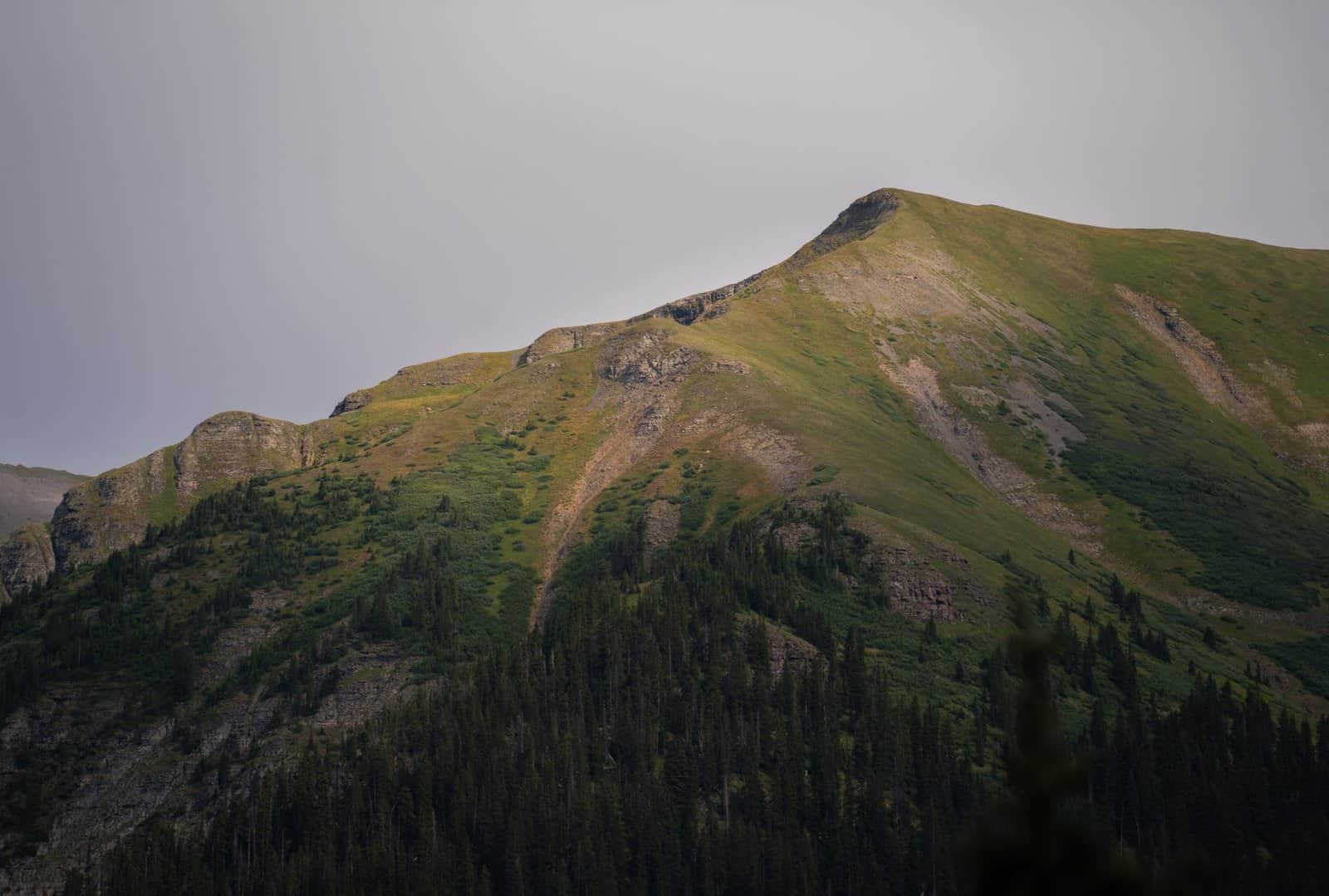
North of Silverton, the highway climbs to Red Mountain Pass and then drops steeply into Ouray, a town wedged into a box canyon. This is the section most people mean when they say Million Dollar Highway. South of Silverton, U.S. 550 continues over Molas Pass at 10,910 feet and Coal Bank Pass at 10,640 feet toward Durango. A Durango travel guide notes that the southern passes tend to stay open more reliably in winter, with shorter closures, while Red Mountain is the one CDOT closes outright during high avalanche danger.
In winter, the road can be dry and clear one hour and covered in snow the next. Dozens of avalanche paths cross or threaten the highway. One of the most notorious, the Riverside Slide south of Ouray, is crossed by a snowshed that lets snow slide over the road.
The origin of the highway’s name is disputed. Common stories say it cost a million dollars a mile to build, or that the fill used to build it contained valuable ore. Either way, it is one of the most spectacular and challenging drives in the country.
1. Check CDOT before you leave, every time
Before you drive, check current road conditions and closures on CDOT’s COtrip website or app. Conditions change fast, and closures for avalanche control or crashes can happen with little warning. Check again before you leave each town, since conditions in Ouray and Silverton can differ.
Also check the weather forecast and avalanche forecasts from the Colorado Avalanche Information Center. Heavy snow, wind, and warming can increase avalanche danger.
2. Know the Traction Law and Chain Law
Colorado has two levels of winter driving rules. Under the Traction Law, which kicks in during adverse conditions, vehicles must have snow tires, mud-and-snow tires, or all-weather tires with adequate tread, or be four-wheel or all-wheel drive with adequate tread, or use chains or approved alternative traction devices. Under the Passenger Vehicle Chain Law, used in more severe conditions, every vehicle must have chains or an approved traction device, or the road may close.
Violating these laws can bring fines, and higher fines if your vehicle blocks the road. More importantly, inadequate tires can lead to crashes on a road with nowhere to go.
3. Use real winter tires, not just all-wheel drive
All-wheel drive helps you accelerate, but it does not help you stop or steer on ice. Good winter tires make the biggest difference. If you are renting a car, ask for one with winter or mountain-rated tires, and check tread depth. Bring chains or approved traction devices and know how to install them before you need to.
4. Drive in daylight
The highway is hard enough to drive in daylight. At night, curves, drop-offs, ice, and wildlife are much harder to see. Plan to start and finish your drive with plenty of daylight. In December, that window is short.
If you are delayed, consider staying overnight in Ouray or Silverton rather than driving after dark.
5. Leave big gaps and use low gears
Leave plenty of space between you and the car ahead. Steep descents, especially from Red Mountain Pass into Ouray, can overheat brakes. Shift into a lower gear to control your speed, and brake gently. Take curves slowly, and stay in your lane.
Watch for snowplows, which may be working in either direction. Give them space, and do not pass unless conditions are clearly safe.
6. Never stop in avalanche zones
Signs mark many avalanche paths along the highway. Do not stop, park, or take photos in these areas, even if the view is tempting. If traffic stops, try not to stop under an avalanche path.
Pullouts are limited, and some are in risky areas. Stop only in safe, designated pullouts, and only when conditions are good.
7. Have a backup plan if Red Mountain closes
If Red Mountain Pass closes, the detour between Ouray and Silverton is very long, often several hours around the mountains via other highways. Plan for the possibility. Carry food, water, warm clothing, a blanket, and a full tank of gas. Have lodging options in both Ouray and Silverton.
If you are on a tight schedule, consider whether you really need to cross Red Mountain Pass in winter, or whether you can visit Ouray and Silverton from different directions.
Things to see along the way
When conditions are good, the highway is breathtaking in winter:
- Ouray: A Victorian mining town nicknamed the Switzerland of America, with the Ouray Ice Park, where climbers scale frozen waterfalls, and a hot springs pool.
- Uncompahgre Gorge: The steep canyon south of Ouray, with views of cliffs and frozen waterfalls.
- Red Mountain Pass: Wide views of snowy peaks and old mining structures.
- Silverton: A historic mining town at about 9,300 feet, quieter in winter, with skiing nearby.
Ouray Ice Park
The Ouray Ice Park, in the Uncompahgre Gorge near town, is one of the world’s best-known ice climbing areas. Water is piped over the gorge walls to create ice climbs. Visitors can watch climbers from bridges and trails, and guide services offer lessons. The park’s annual Ouray Ice Festival typically takes place in January.
Silverton in winter
Silverton is quiet in winter, with a small number of restaurants and lodges open. Silverton Mountain, a ski area known for expert terrain, attracts skiers looking for steep, ungroomed runs. The Durango and Silverton Narrow Gauge Railroad does not run all the way to Silverton in winter, so check schedules if you are planning a train trip.
Packing for the drive
Carry a winter emergency kit:
- Warm clothing, gloves, and a blanket.
- Food and water.
- A shovel and ice scraper.
- Traction devices or chains.
- A flashlight and phone charger.
- A first aid kit.
Cell service can be limited on parts of the route.
Should you drive it in winter?
For confident winter drivers with the right vehicle and tires, the Million Dollar Highway in winter can be an unforgettable experience. For drivers without winter experience, it may be better to visit Ouray or Silverton from one side, or to hire a local tour or shuttle. There is no shame in turning back if conditions worsen.
Avalanche control and closures
The San Juan Mountains have some of the most active avalanche terrain crossed by any highway in the country. CDOT works with avalanche forecasters to monitor slide paths above U.S. 550 and closes the road when danger is high. During a closure, crews may trigger slides on purpose, often using explosives, so that snow comes down while the road is empty. Once the slides run, plows clear the debris and the road reopens.
Closures can be short or last much of a day, and they can happen during or after storms. Plan your trip around the possibility, and avoid driving the pass during heavy snowfall or right after a big storm if you can wait. If you see a closure posted, do not try to go around barricades.
Who should skip it in winter
Drivers who are nervous about heights, inexperienced with snow, or driving a rental car with worn or summer tires should think twice about crossing Red Mountain Pass in winter. Large RVs and trailers can also struggle on steep, icy grades and tight curves. In those cases, consider staying in Ouray or Silverton and enjoying the town, or taking a guided tour with a local operator who knows the road.
Renting a car for the trip
If you are flying into Montrose or Durango, ask the rental company about tires and four-wheel or all-wheel drive. Inspect the tread before leaving the lot.
The bottom line
The Million Dollar Highway has long stretches with no guardrails, steep drops, and frequent avalanche closures in winter. To drive it safely, check CDOT every time, know the Traction and Chain laws, use real winter tires, drive in daylight, leave big gaps and use low gears, never stop in avalanche zones, and have a backup plan if Red Mountain Pass closes. Follow those seven rules and you can see one of America’s most dramatic roads in winter.