Marfa, Texas Has 1,700 People and a $400-a-Night Hotel. Here’s Why People Keep Going Back
We may earn money or products from the companies mentioned in this post. This means if you click on the link and purchase the item, I will receive a small commission at no extra cost to you ... you're just helping re-supply our family's travel fund.
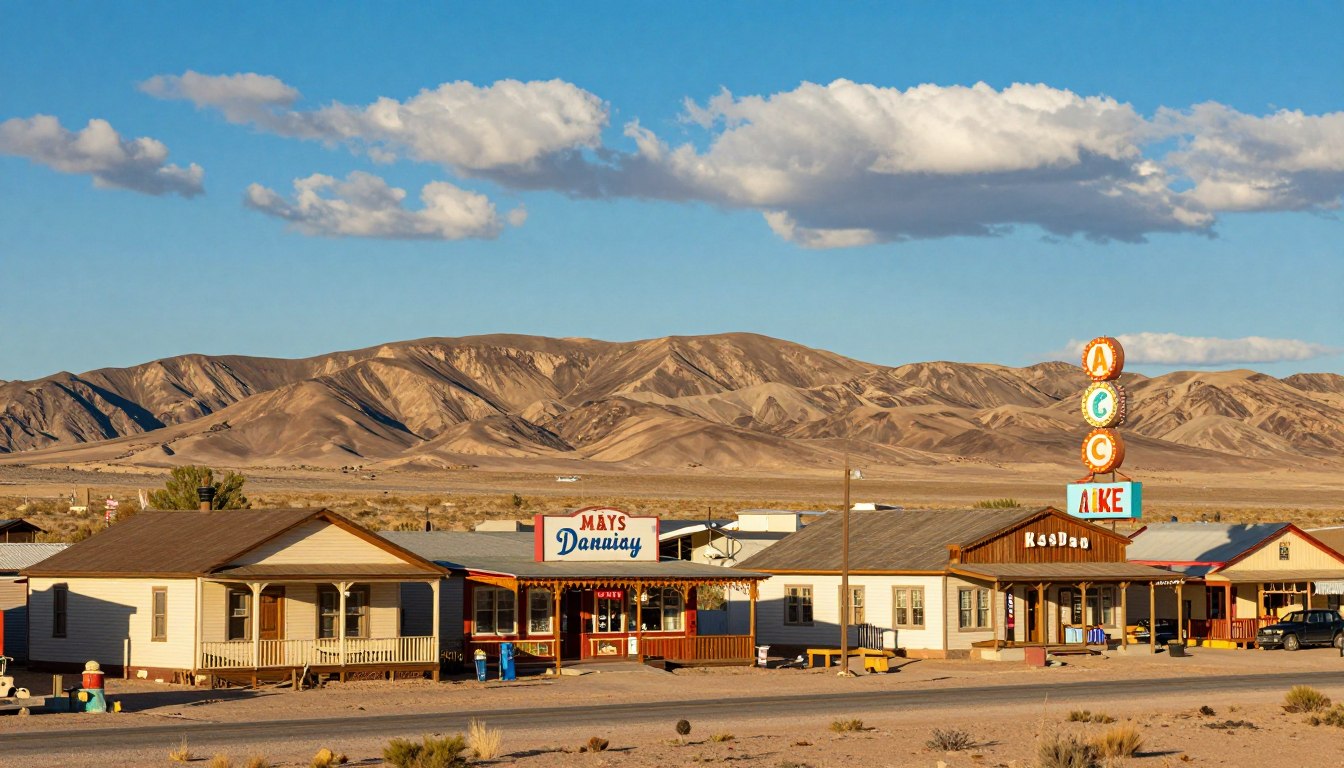
There is no airport in Marfa. The nearest major city is Midland, Texas, which is 2.5 hours away across open desert. The population is 1,700. A room at the El Cosmico can cost $400 a night. And still, every weekend, people drive or fly into the region specifically to be there. Marfa is one of the strangest phenomena in American travel, and it makes more sense when you understand what the place actually is.
What Marfa Is — Beyond the Instagram Version
Marfa’s transformation from a small ranching and military town to an international art destination traces back to Donald Judd, the minimalist artist who moved there in the early 1970s and began permanently installing large-scale works in the Chihuahuan Desert. The Chinati Foundation, which he established, now houses permanent installations by Judd, Dan Flavin, and other significant artists in converted military buildings on the edge of town. It’s one of the most serious contemporary art institutions in the United States — in a town most people have never heard of.
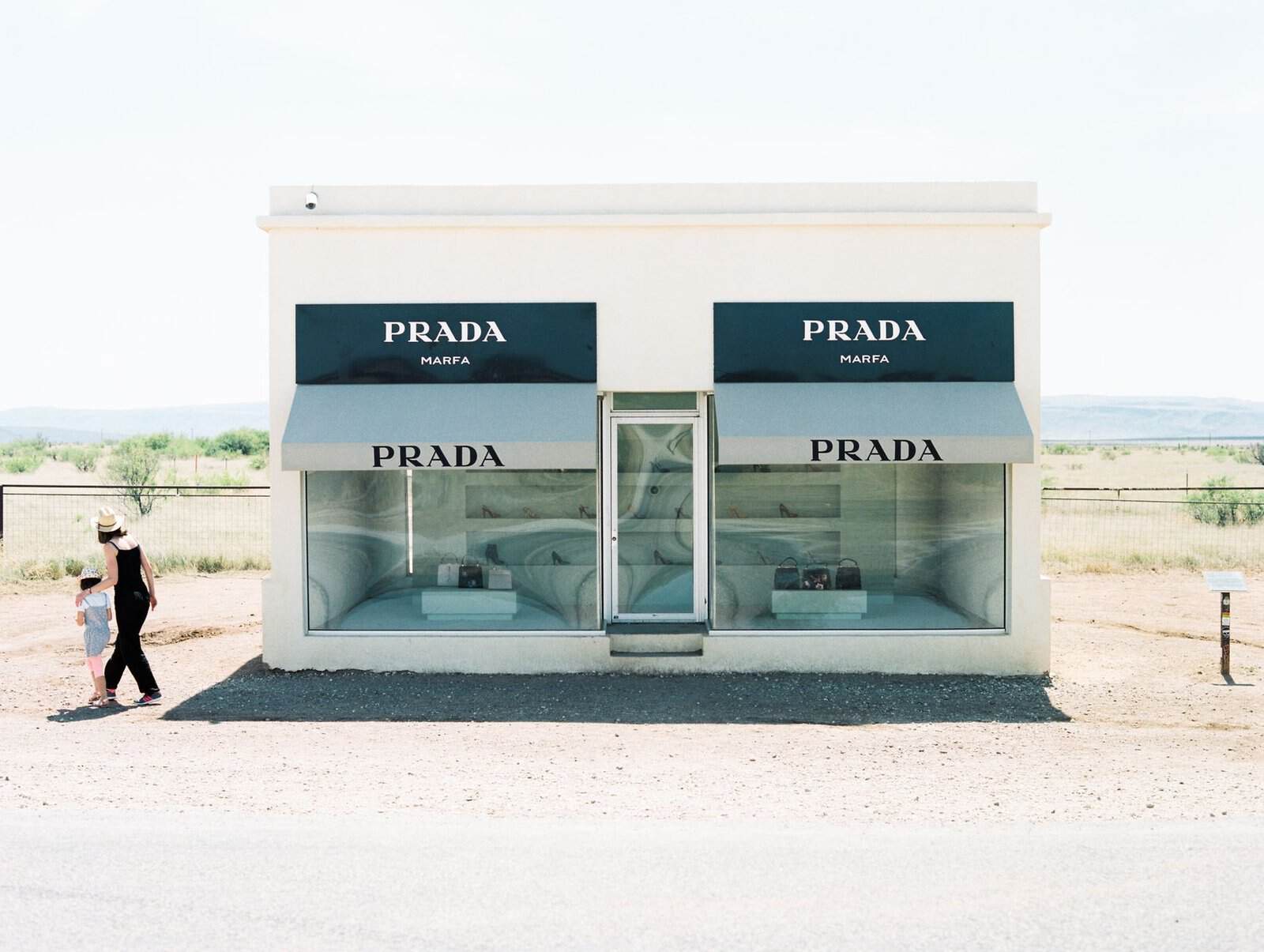
The art world that followed Judd created an economy around galleries, design-focused hotels, and restaurants that are genuinely excellent given the location. The Prada Marfa art installation — technically in Valentine, Texas, 37 miles northwest — became a cultural reference point that drew visitors who’d never heard of Judd or Chinati. And the Big Bend region that surrounds Marfa is, independently, one of the most spectacular landscapes in the United States.
What a Trip to Marfa Actually Costs
Getting there:
- Fly into Midland/Odessa (MAF) or El Paso (ELP) — both require 2–3 hour drives on arrival
- Drive from El Paso: 3 hours; from Midland: 2.5 hours; from San Antonio: 4 hours
- There is no public transit. You need a rental car.
Accommodation range:
- El Cosmico (the iconic glamping/hotel): $195–$450/night depending on accommodation type
- Hotel Saint George (high-design boutique): $200–$350/night
- Short-term rental houses: $150–$280/night, often better value for longer stays
- Alpine, TX (30 minutes away): budget motels at $80–$120/night
Food and activities:
- Dinner for two at a nice Marfa restaurant: $70–$110
- Chinati Foundation guided tour: $25/person (required for the main installations)
- Big Bend National Park entrance: $35/vehicle, valid 7 days
- Marfa Lights Viewing Area: free
Big Bend: The Reason Marfa Is Worth the Drive Even If You Don’t Care About Art
Big Bend National Park is consistently ranked among the least-visited national parks relative to its size and quality, which means the crowds that make Yosemite and Zion unpleasant simply aren’t there. The Chisos Mountains in the center of the park reach 7,800 feet and look profoundly out of place rising from the Chihuahuan Desert. The Santa Elena Canyon, where the Rio Grande cuts through 1,500-foot limestone cliffs, is one of the most dramatic landscapes anywhere in the United States. And because Big Bend is six hours from Houston and four hours from El Paso, it sees a fraction of the visitors those parks receive.
Is It Worth the Cost and the Drive?
For two specific types of traveler: yes, unequivocally. If you care about serious contemporary art in an extraordinary setting, the Chinati Foundation is not replicable anywhere else in the world. You cannot see what Judd installed there by going to a museum in New York or Los Angeles. It has to be visited in place. If you care about wilderness and don’t want crowds, Big Bend plus the surrounding desert landscape offers experiences that are genuinely hard to find in the continental US.
For the traveler who’s drawn primarily by photos seen on social media — the Prada installation, the El Cosmico aesthetic, the light — Marfa can feel expensive and remote for what it delivers. The photos are not lying, but they’re also not telling the full story. If you go expecting a cool backdrop, you might feel you overpaid. If you go understanding what made Marfa what it is, you’ll probably feel you underpaid.
Why Marfa Keeps Attracting Art World Attention
Donald Judd’s decision in 1979 to relocate permanently to Marfa and build the Chinati Foundation — a non-profit art institution housed in a former military fort on the edge of the city — established the pattern that defines Marfa today. The permanent installations at Chinati, including Judd’s 100 aluminum boxes in two converted artillery sheds, are considered some of the most important large-scale sculpture environments in the world. Visiting Chinati requires advance reservation, takes 3–4 hours for the guided tour, and costs $25/person. The experience of standing inside one of those sheds with the light moving through the aluminum boxes is not reproducible in photograph or description.
The Marfa Prada art installation — a freestanding fake Prada store in the desert on US-90 between Marfa and Valentine — is the most photographed object in the Big Bend region and is 35 miles from Marfa on a straight desert highway. Artists Elmgreen and Dragset built it in 2005 as a permanent non-functional art installation. It has never been open for business. People drive to it specifically to photograph it, which is exactly what it was built for. The combination of the Chinati seriousness and the Prada absurdity captures the duality that makes Marfa what it is: a place that takes contemporary art completely seriously and has a profound sense of humor about itself.