The World’s Most Underrated Cities That Americans Never Book — But Should
We may earn money or products from the companies mentioned in this post. This means if you click on the link and purchase the item, I will receive a small commission at no extra cost to you ... you're just helping re-supply our family's travel fund.
American travelers have a default list. Paris. London. Rome. Cancun. Tokyo. Barcelona. Santorini. These cities are extraordinary. They’re also increasingly expensive, increasingly crowded, and increasingly designed around the tourist economy rather than actual local life.
Meanwhile, extraordinary cities all over the world are sitting with decent hotel availability, genuinely low prices, and locals who haven’t yet developed the weary expression of people who’ve answered the same tourist question 40 times today.
Here are the cities worth booking before everyone else figures out they’re missing them.
Why Americans Default to the Same 8 International Cities

Before the list, it’s worth understanding the psychology:
- Americans receive less vacation time than almost any other developed country — the average American takes 11 days of paid leave per year vs. 28 in France. With limited time, the incentive is to go somewhere “known” to avoid wasting a precious trip.
- Travel media recycles the same cities because they have the most photography, the most stories, and the most search traffic
- Social proof: “everyone I know has been to Italy” is its own kind of endorsement
- Language anxiety: English is widely spoken in the top 8 destinations
The irony is that many of the cities below are equally English-friendly, equally photogenic, and dramatically more affordable.
Southeast Asia’s Most Overlooked Gem: Hoi An, Vietnam
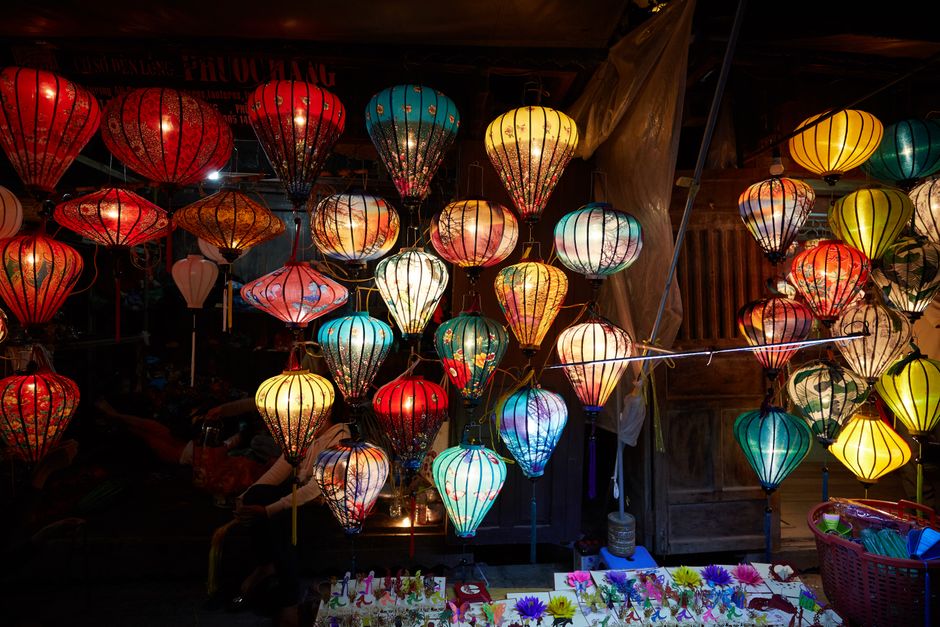
While Thailand dominates American itineraries in Southeast Asia, Vietnam — and specifically Hoi An — is doing things that Bangkok and Chiang Mai simply can’t match.
- Hoi An’s ancient town is a UNESCO World Heritage Site: 16th–19th century trading port architecture in extraordinary condition, lit by hundreds of silk lanterns at night
- The food scene is among the best in Southeast Asia — Cao Lau (thick noodles in a rich broth with pork and herbs, made with water from a specific ancient well) can only be eaten authentically here
- An Bang Beach is a 10-minute bike ride from the ancient town — white sand, warm water, beach clubs, and $3 beers
- Tailored clothing: Hoi An’s tailors are legendary. A custom-fitted suit can be made in 24–48 hours for $100–$200. Women’s dresses and ao dai for $30–$60. Every visitor leaves with clothes.
- Cost: Budget travelers can live well on $40–$60 per day including accommodation, food, and activities. Mid-range runs $80–$120 per day.
- Flights: Fly into Da Nang (30 minutes away) — good connections from major hubs via Hong Kong, Singapore, or Tokyo
Europe’s Greatest Kept Secret: Porto, Portugal

Lisbon gets all the American attention in Portugal. Porto, 200 miles north, is quietly the better city.
- Ribeira District: A UNESCO World Heritage Site of medieval townhouses stacked vertically above the Douro River, in colors that make every photo look like a painting
- Port wine: Porto is literally where port wine was invented and all the major port wine lodges (Taylor’s, Ramos Pinto, Graham’s) have caves in Vila Nova de Gaia across the river, open for tours and tastings. $5–$10 for a taste of things that cost $50 a glass at an American wine bar.
- The food: Francesinha (a sandwich drowned in a tomato-beer-meat sauce that defies description but is a religious experience) and fresh Atlantic seafood at prices that feel like a mistake
- São Bento train station: The most beautiful train station in Europe. 20,000 hand-painted tiles depicting scenes from Portuguese history covering the interior. No admission charge.
- Cost: Porto is 30–40% cheaper than Lisbon, which is already cheaper than most of Western Europe. Excellent wine for €3–€5 at a bar. Dinner for two with wine for €25–€40.
The Middle East City That Will Change How You Think About the Region: Amman, Jordan
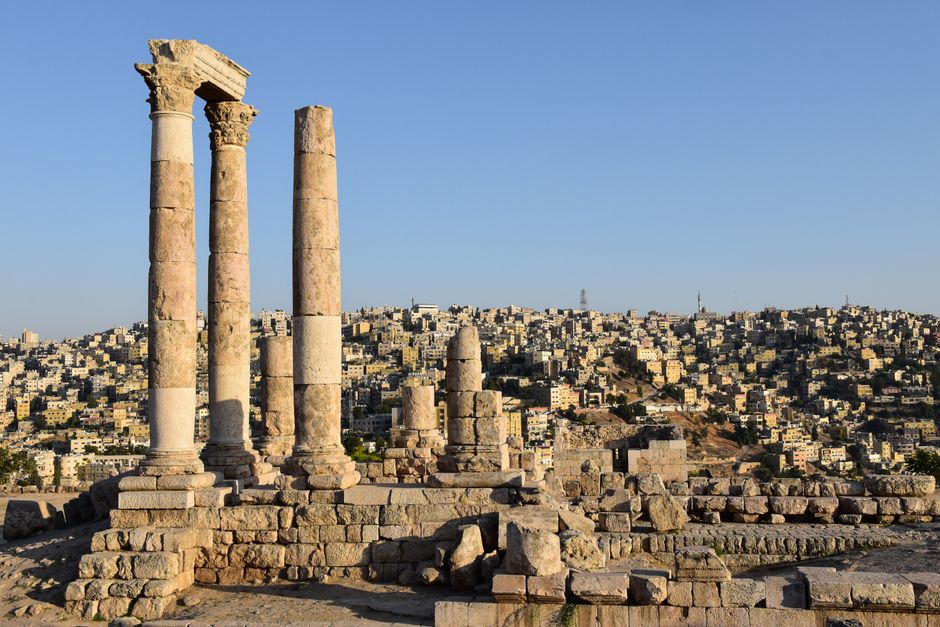
Jordan may be the most American-friendly country in the Arab world, and Amman is one of the most comfortable entry points into Middle Eastern travel for first-timers.
- Amman is a modern, walkable city built on seven (now more like 19) hills, with an ancient citadel at its center and a contemporary art and food scene that would feel at home in any major European city
- The Rainbow Street neighborhood: Local restaurants, bars (Jordan has a strong wine and spirits culture), bookshops, and art galleries in a completely un-touristy environment
- Petra is three hours south: One of the true wonders of the world, included in the Jordan Pass ($80) along with unlimited national park access for 3 days
- Wadi Rum: The most otherworldly desert landscape on earth — red sandstone and granite mountains used as a filming location for The Martian and Dune. Overnight in a Bedouin camp under stars so thick they look edited.
- Americans feel genuinely welcome in Jordan — it is one of the most pro-American societies in the region and travelers consistently report being greeted with warmth and curiosity
- Cost: The Jordan Pass makes most major attractions affordable. Hotel rooms in Amman range from $60–$150 per night for quality properties.
Latin America’s Most Overlooked Destination: Medellín, Colombia
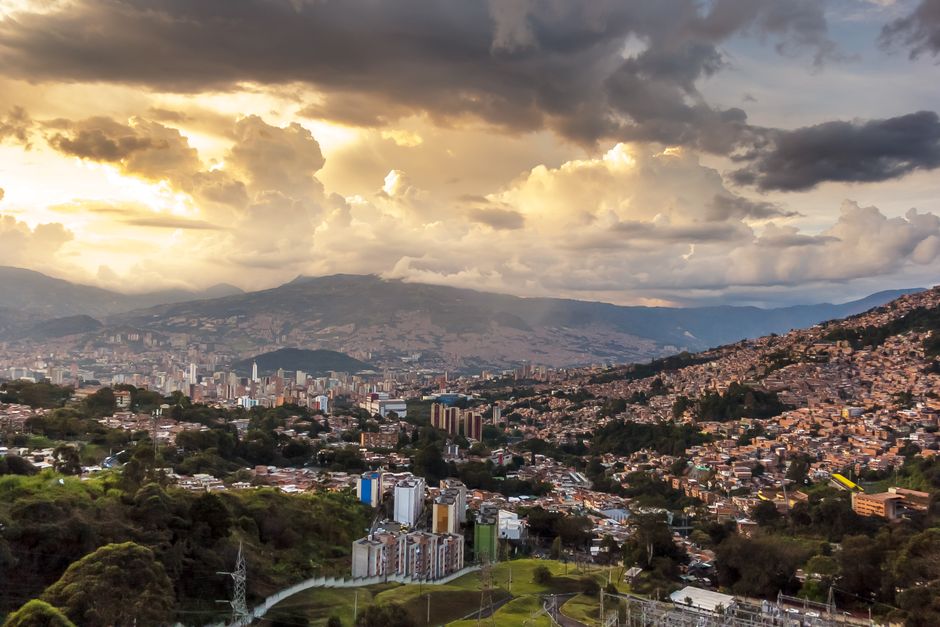
Medellín has undergone one of the most dramatic urban transformations of any city in the world — from the most dangerous city on earth in the early 1990s to a World Bank award winner for urban innovation in 2013.
- The cable cars (Metrocable) that were built to connect hillside comunas to the city center for residents are now one of the world’s best city views — riding them feels like flying over a hillside of packed houses and murals
- El Poblado neighborhood: Safe, walkable, great restaurants and cafés, excellent nightlife, and a concentration of boutique hotels with great value
- The weather: 72°F average year-round. Medellín is known as the “City of Eternal Spring.” It sits at 5,000 feet elevation in a mountain valley.
- Coffee culture: The best Colombian coffee is consumed in Colombia, not exported. A café macchiato at a specialty café costs the equivalent of 50 cents.
- Food: The paisa platter (bandeja paisa) — beans, rice, chicharrón, egg, plantain, chorizo, and ground beef on one plate — is the most filling meal in Latin America and costs $6–$10.
- Cost: Budget travelers can do $40–$60 per day. Mid-range is $80–$120. Significantly cheaper than any comparable South American city.
The African City That Should Be On Every Bucket List: Marrakech, Morocco
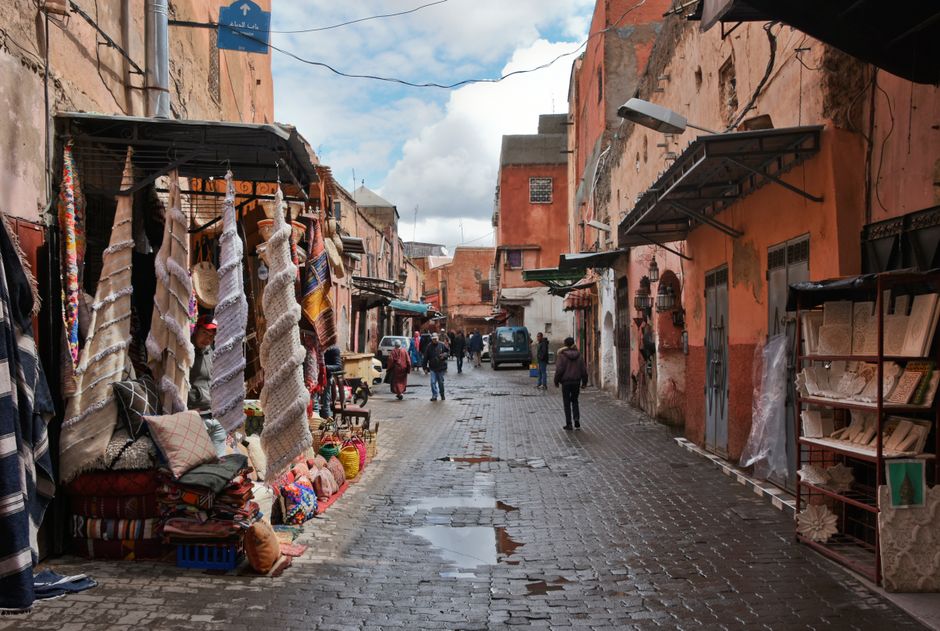
Marrakech is not unknown — it appears on European “must visit” lists constantly. But American visitation remains disproportionately low relative to how accessible and extraordinary the city is.
- The medina (old city): A UNESCO World Heritage Site of 11th-century narrow streets, souks, mosques, and riad courtyards. Getting lost in the medina is not a problem — it is the activity.
- Jemaa el-Fna: The main square transforms throughout the day — orange juice vendors and snake charmers by day, storytellers, musicians, and food stalls by night. One of the great public spaces on earth.
- Riads: Traditional courtyard houses converted to guesthouses, with plunge pools, rooftop terraces, and interior tilework that makes you feel like you’re living in an art installation. Budget $80–$200 per night for excellent properties.
- The Atlas Mountains: 30 minutes outside the city, the High Atlas rises to 13,000 feet. Day trips and multi-day trekking are available with local guides.
- Direct flights from New York on Royal Air Maroc. 7 hours. No European connection required.
- Cost: Very affordable for most American budgets. Lunch at a medina restaurant: $5–$8. Dinner at a good riad: $20–$35.
Central Europe’s Underdog: Ljubljana, Slovenia

Ljubljana (pronounced lyoo-BLYAH-nah) is the capital of Slovenia — a country wedged between Italy, Austria, Croatia, and Hungary — and it is one of the most charming, walkable, and overlooked capitals in Europe.
- The entire old town is car-free. You walk everywhere. The Ljubljanica River runs through the center with café terraces on both banks.
- Ljubljana Castle sits on a hill directly above the old town and is lit spectacularly at night. The funicular up costs €2.
- The food market along the river: Fresh produce, local cheese, prosciutto from the Karst region next door, and the best honey you will ever taste (Slovenia is the world’s most bee-friendly country per capita)
- Day trips: Bled (the postcard lake with a castle on an island — 45 minutes), the Karst Caves at Postojna (the largest show cave in Europe — 1 hour), and the Adriatic coast at Piran (90 minutes) are all achievable from Ljubljana in a day
- English fluency: Near-universal among Slovenians under 50. Getting around is effortless.
- Cost: Cheaper than Vienna, much cheaper than Zurich. Wine from the Goriška Brda wine region (Slovenia’s answer to Friuli) for €4 a glass. Dinner for two with wine: €35–€55.
The Budget Breakdown: What Each City Actually Costs

Here’s how each of these cities compares on daily spend for a mid-range traveler (private hotel room, two meals out, one activity):
Hoi An, Vietnam
— $60–$100 per day. One of the best value destinations on earth.Porto, Portugal
— $100–$150 per day. Significantly cheaper than Lisbon or any comparable Western European city.Amman, Jordan
— $100–$180 per day, higher if you add Petra (worth every dollar).Medellín, Colombia
— $70–$120 per day. Exceptional value for the quality of experience.Marrakech, Morocco
— $80–$150 per day depending heavily on riad quality.Ljubljana, Slovenia
— $120–$180 per day. More expensive than the others but dramatically cheaper than most Western European comparisons.
For comparison: a mid-range week in Paris runs $250–$350 per day. Rome is $200–$300. You can do two weeks in Hoi An for what Paris costs for four days.
The world is bigger than the cities on the poster. Start in one of these and you’ll never look at a travel map the same way again.