Spring Break Killed the Paradise It Needed to Survive: What Cancún, Cabo, and Panama City Beach Actually Look Like Now
We may earn money or products from the companies mentioned in this post. This means if you click on the link and purchase the item, I will receive a small commission at no extra cost to you ... you're just helping re-supply our family's travel fund.
Cancún was literally invented. In the late 1960s, the Mexican government commissioned a computer study to identify the optimal location for a tourism development that would generate foreign revenue. The algorithm identified a thin strip of Caribbean coastline in what was then nearly uninhabited jungle. By 1975, there were hotels. By 1985, there were too many.
The story of how Cancún, Cabo San Lucas, and Panama City Beach became synonymous with spring break excess — and whether the transformation is reversible — is really three variations on the same cautionary tale: you can market a place into existence, but you can’t always control what you’ve summoned.
How Cancún Went From Planned Paradise to Spring Break Ground Zero
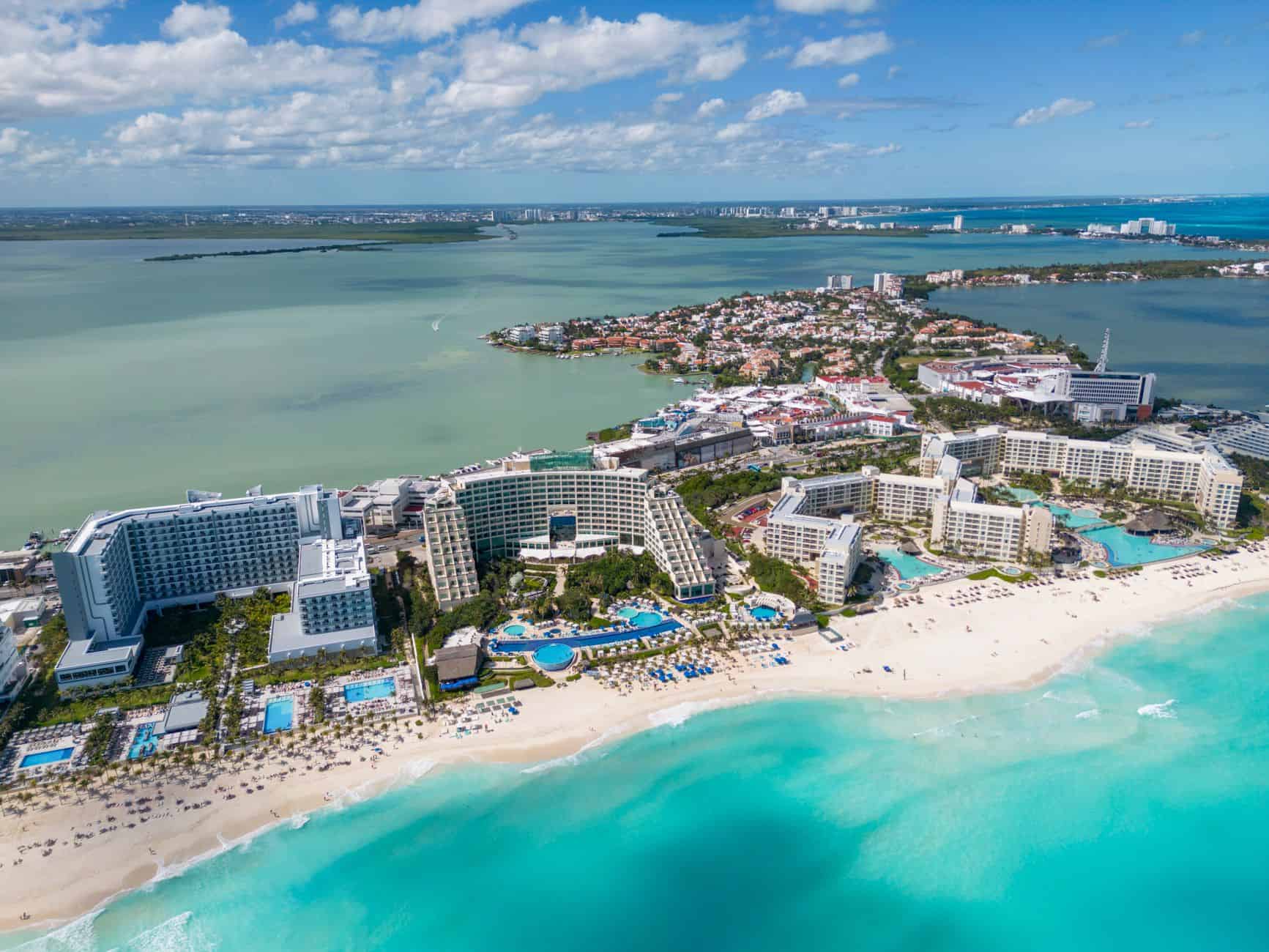
Cancún’s transformation into the spring break capital of North America happened in waves, each one adding a layer that’s now nearly impossible to sand away.
The first wave was infrastructure — the Hotel Zone (Zona Hotelera) was designed as a strip of resort properties along a barrier island, separated from the actual Mexican city of Cancún that grew up to service the workers. This separation was intentional, and it created a tourism bubble that had almost no organic relationship to local culture.
The second wave was marketing. Through the 1980s and 1990s, Cancún appeared in MTV’s Spring Break programming, in beer commercials, in every media piece about where young Americans went to let loose. The association calcified: Cancún was spring break. Spring break was Cancún.
The third wave was the economy of spring break itself. Resorts competed on price and permissiveness to attract the 18-to-25 demographic. All-inclusive packages promised unlimited alcohol. Venues competed to host the most outrageous parties. The behavior escalated because the business model required escalation.
What exists today in Cancún’s Hotel Zone is not a beach destination that happens to get a spring break rush. It is, for a significant stretch of weeks each February through April, one of the highest-density alcohol tourism destinations in the Western Hemisphere.
The Numbers Behind What Spring Break Actually Does to a Destination
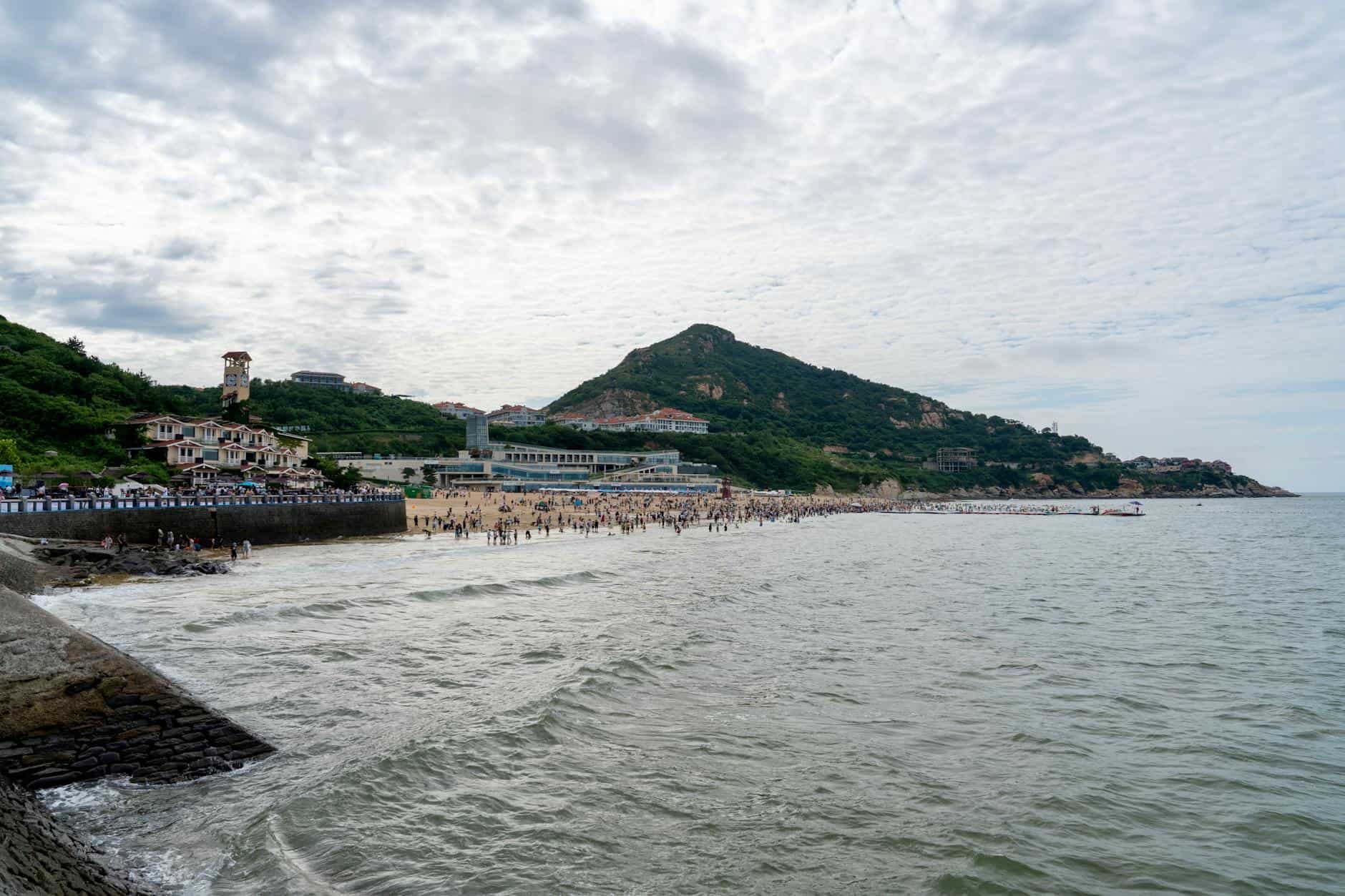
This isn’t just vibes — there are measurable effects:
- Cancún’s Hotel Zone receives an estimated 120,000 to 150,000 spring break visitors annually during peak weeks in March
- Crime statistics in Quintana Roo state (which includes Cancún) have risen consistently over the past decade, with the US State Department currently listing Mexico with a Level 2 travel advisory and certain areas of Quintana Roo with higher caution designations
- The US consulate in Cancún processes significantly more emergency assistance cases during spring break weeks than any other period
- Environmental impact studies of the Hotel Zone barrier island have documented coral reef degradation, beach erosion accelerated by the removal of coastal vegetation for resort development, and Sargassum seaweed accumulation problems exacerbated by warmer water temperatures
Cabo San Lucas: When the Rich Kids Found the Place the Locals Loved
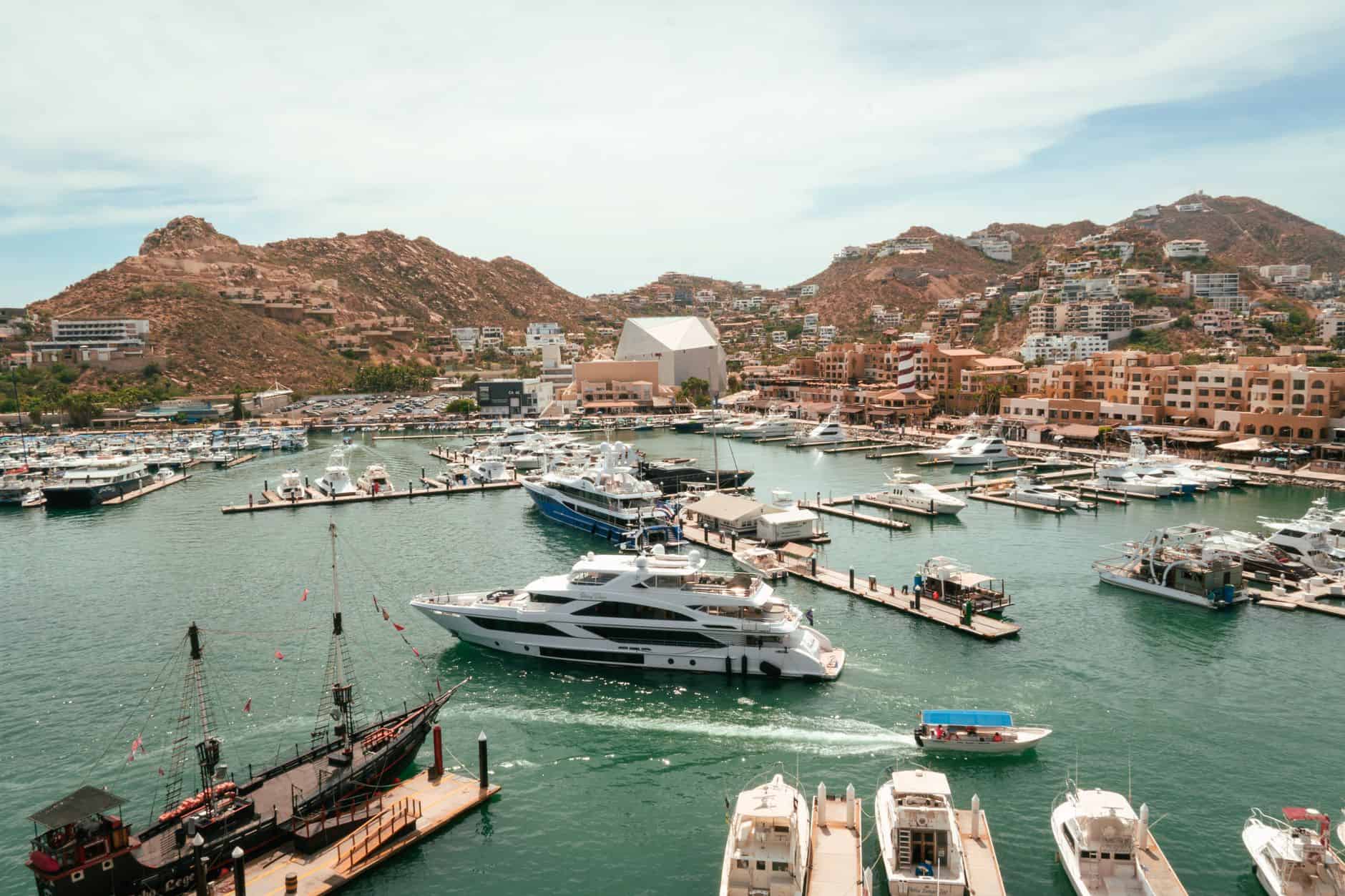
Cabo San Lucas is a different origin story. It started as a fishing village at the southern tip of the Baja California Peninsula — genuinely remote, genuinely beautiful, a place that attracted budget backpackers in the 1970s and then wealthier adventure travelers in the 1980s who discovered the marlin fishing was extraordinary.
The transformation accelerated in the 1990s when American celebrity culture discovered it. Cabo became a shorthand for “affordable luxury within driving or short-flying distance from California.” The cruise ship industry added it as a standard Pacific Mexico stop. Hotels built faster than infrastructure could support.
Spring break came later to Cabo than to Cancún, but it arrived with the same intensity once it did. The key difference: Cabo’s transformation is more economically stratified. The spring break crowd clusters at specific resorts — Médano Beach, the Cabo Wabo corridor — while higher-end travelers try to maintain a presence at properties farther from the chaos.
The result is a destination with a split personality. Walk one direction from the marina and you’re in a functioning resort town with good restaurants and accessible beaches. Walk the other direction during the third week of March and you’re in something that resembles a Vegas pool party that got rained on and moved to the ocean.
Local business owners in the historic center of San José del Cabo (the quieter, more traditional town 20 miles up the coast) have openly talked about the tension between the economic necessity of tourism and the character erosion that comes with certain tourism demographics.
Panama City Beach: The One That Tried to Rebrand and Mostly Failed
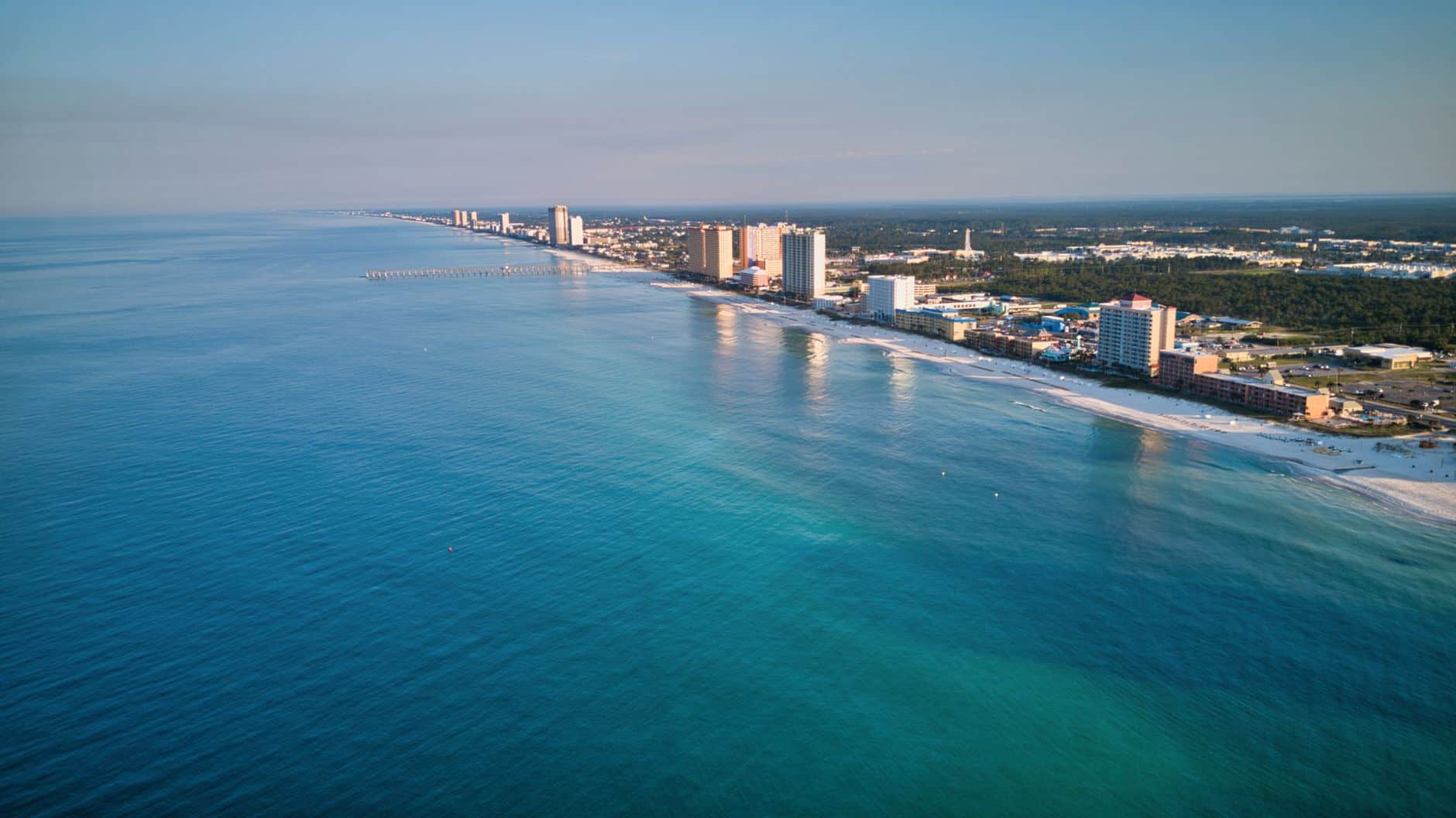
Panama City Beach deserves special attention because it’s the one that actually tried to fix the problem — and the story of how that went is instructive.
In 2015, Panama City Beach banned alcohol on the beach during spring break, implementing one of the first explicit policy interventions by a major spring break destination. The reasoning was straightforward: a series of high-profile incidents including sexual assaults and shootings had created a PR crisis serious enough to threaten the destination’s year-round appeal.
The immediate effects were measurable:
- Spring break crowds declined significantly in the following years, with some estimates suggesting a 30 to 40 percent reduction in spring break-specific visitors
- Year-round family tourism increased, with the beach earning higher ratings in family-friendly destination surveys
- Local businesses that had catered specifically to the spring break demographic — the open-container bars, the DJ beach clubs — either closed or repositioned
But “mostly failed” is in the section heading for a reason. Panama City Beach’s spring break crowd didn’t disappear — it dispersed. Some moved down the coast to Fort Walton Beach and Destin. Some moved to South Padre Island in Texas. The ban moved the problem rather than solving it, and left Panama City Beach in an awkward middle position: too associated with its spring break reputation to attract premium family travelers, too constrained in the beach to attract the spring break crowd it had built its economy around.
As of 2025 and 2026, the beach has made genuine progress on its family-friendly positioning, with stronger investment in pier upgrades, water sports infrastructure, and Gulf-front family resorts. But it’s still working against a brand association built over decades.
What Local Residents and Business Owners Actually Say
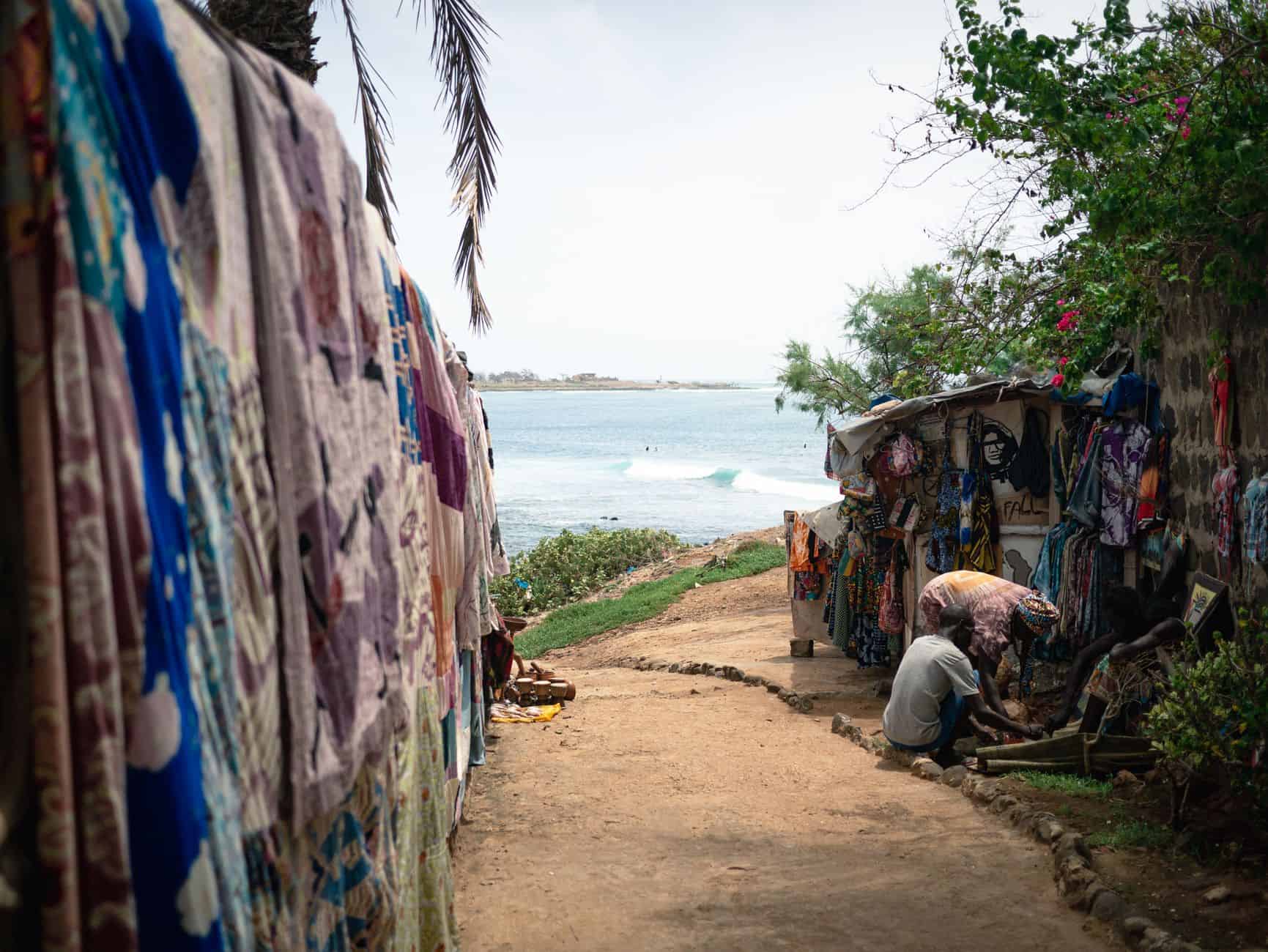
The most honest voices in this conversation are people who live in these destinations year-round — not hotel marketing departments or tourism boards.
Consistent themes from residents in all three destinations:
- The economic dependency is real. Spring break revenue, for many businesses, represents 20 to 30 percent of annual income compressed into three to four weeks. Objecting to it is financially dangerous.
- The physical damage is visible and cumulative. Beach erosion, property vandalism, water quality impacts from waste — residents notice what tourists often don’t.
- The social disruption is hard to quantify but deeply felt. Schools adjust schedules. Residents reroute their daily lives. Emergency services are stretched.
- There’s genuine ambivalence, not simple resentment. The money is needed. The transformation is mourned. Both things are true simultaneously.
The Safety Reality That Tourism Boards Don’t Want to Lead With

None of the major spring break destinations are uniformly dangerous. But the safety picture is more complicated than resort marketing suggests:
- Cancún’s tourist zones are heavily policed and generally safe within the Hotel Zone perimeter. The situation changes in the adjacent city of Cancún, which has experienced significant cartel-related violence concentrated in specific neighborhoods unrelated to tourist areas — but which requires travelers to understand geography carefully
- Cabo’s crime profile has shifted: petty theft, spiked drinks at nightclubs, and transportation scams are more common than they were a decade ago, and several US tourists have reported serious incidents in recent years
- Panama City Beach’s post-ban era has seen reductions in the specific incidents that prompted the ban, but alcohol-related incidents during spring break season remain elevated compared to other periods
The pattern: these are not uniquely dangerous destinations, but the concentration of young, intoxicated travelers creates conditions where crimes of opportunity are more frequent and where travelers who would normally exercise judgment may not.
Are Any of These Destinations Recoverable?
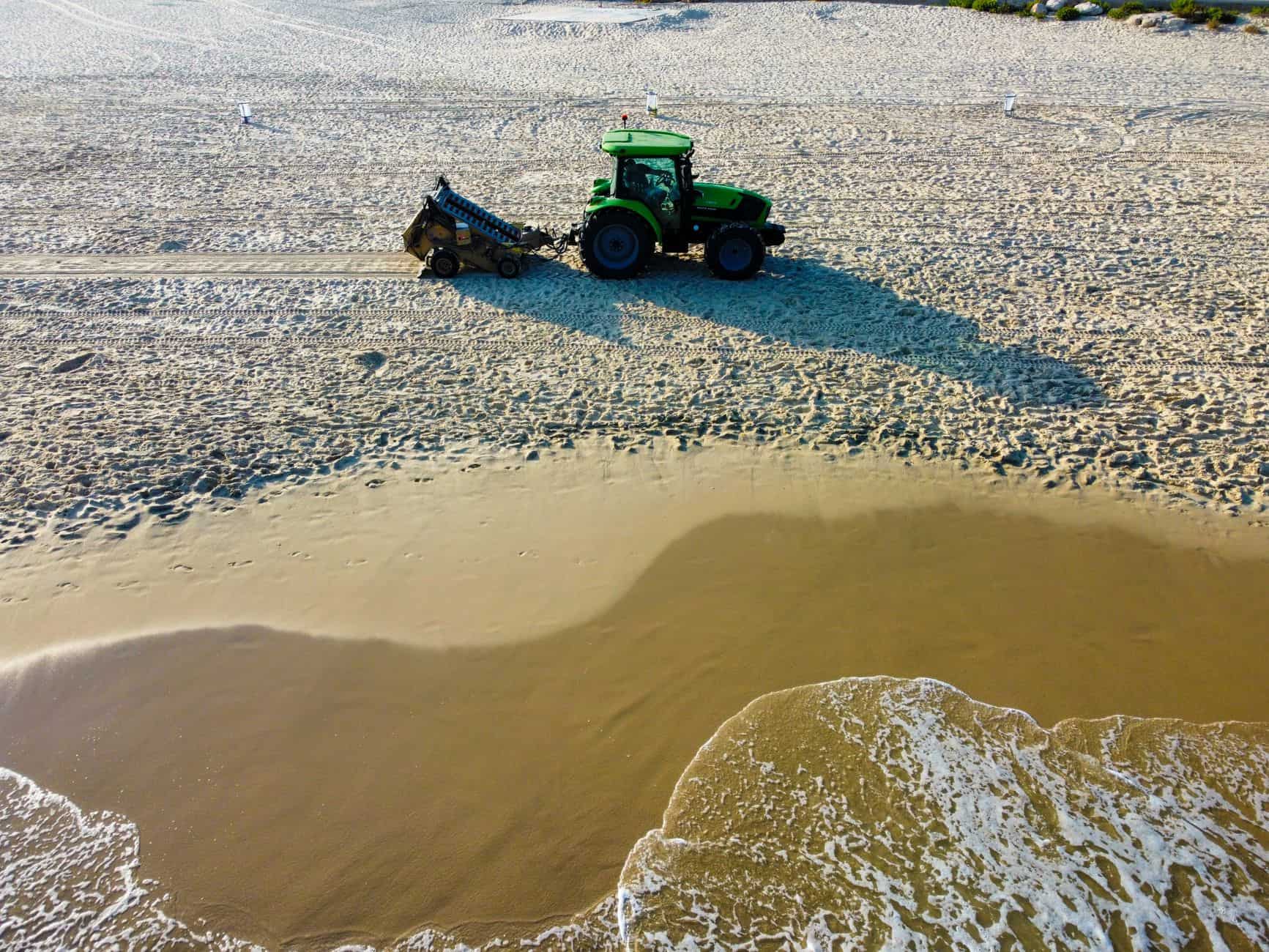
Reachable honesty: it depends on what you mean by “recoverable.”
If you mean recoverable to what they were before spring break defined them — Cancún as a Caribbean beach resort with actual Mexican character, Cabo as a fishing village with accessible world-class marlin fishing, Panama City Beach as an unpretentious Gulf Coast family destination — probably not. The infrastructure built to serve spring break crowds, the brand associations calcified over decades, and the economic dependency are not easily dismantled.
If you mean recoverable in the sense of becoming functional, enjoyable destinations for travelers who aren’t part of the spring break demographic — already happening, in pockets.
- Cancún’s Isla Mujeres, accessible by ferry, offers a quieter version of Caribbean Mexico that the spring break crowd mostly ignores
- Cabo’s San José del Cabo has developed a legitimate art gallery scene and traditional town square experience that has almost nothing to do with Médano Beach
- Panama City Beach in October through November is almost unrecognizable from its March self — genuinely pleasant, moderately priced, and notably quiet
Where the Spring Break Crowd Is Going Next — and What That Means
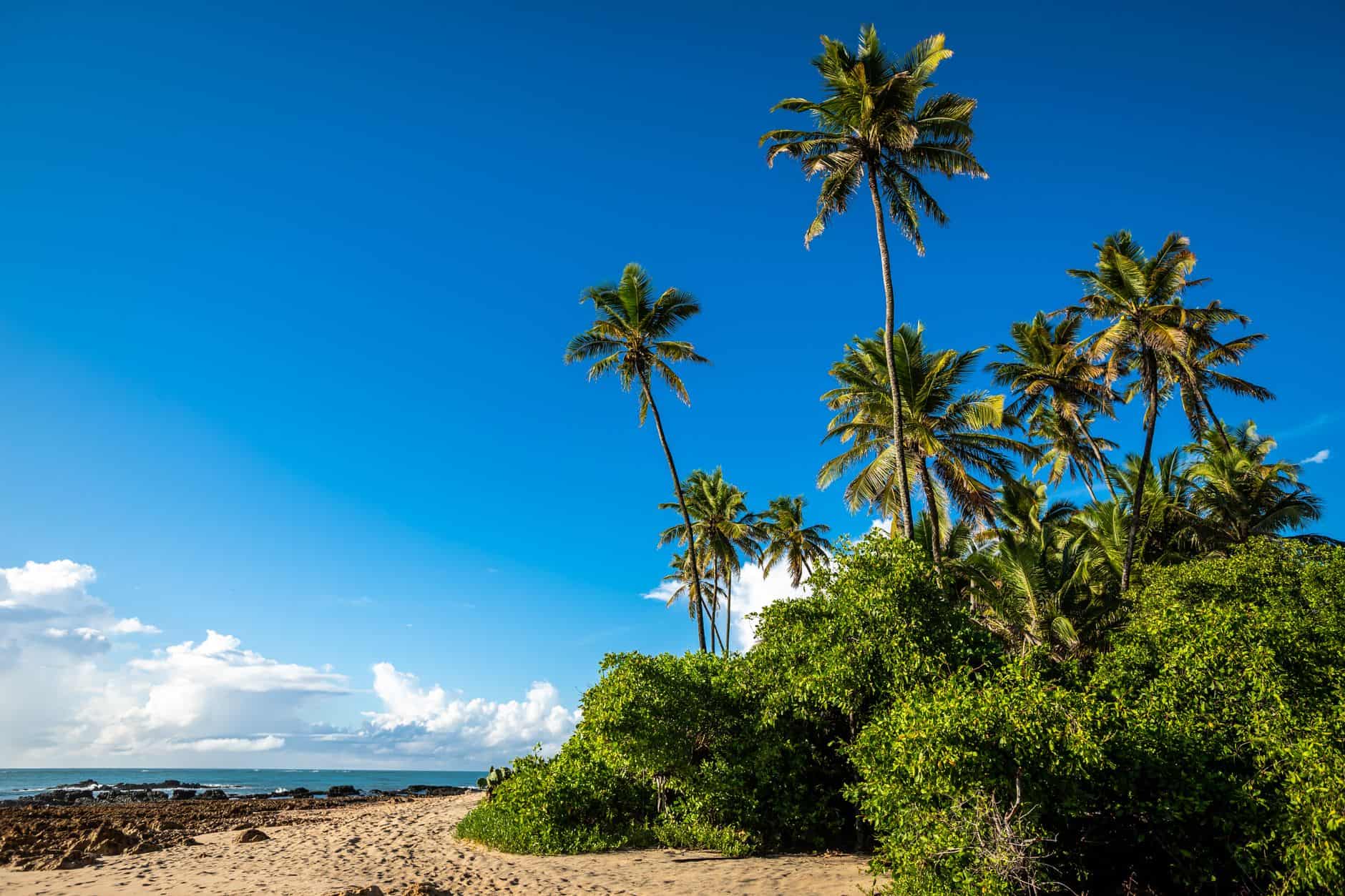
The spring break demographic is mobile. As legacy destinations have regulated, raised prices, or simply lost their appeal through overexposure, new destinations absorb the pressure:
- Nassau and other Bahamas islands have seen increased spring break traffic as accessible Caribbean alternatives
- Punta Cana, Dominican Republic has been absorbing younger American travelers at increasing rates
- Tulum, which spent years marketing itself as the “sophisticated alternative” to Cancún, has accelerated its own transformation — increased development, safety issues, and infrastructure problems — at remarkable speed
- Domestic destinations like South Padre Island, Texas and Myrtle Beach, South Carolina continue to absorb crowds priced out of or exhausted by the Mexico options
The same cycle plays out in every case. A destination is beautiful and relatively unspoiled. Budget travel options develop. Spring break discovers it. Marketing amplifies it. Infrastructure builds to serve it. The thing that made it beautiful gets replaced by the thing that serves the crowd. Locals mourn what was. Visitors who came five years ago mourn what was. New visitors arrive without a reference point for what was lost.
Repeat, next destination.