Japan Surprises Americans One Way. Argentina Surprises Them the Opposite Way. Here Is Why Both Reactions Are Right.
We may earn money or products from the companies mentioned in this post. This means if you click on the link and purchase the item, I will receive a small commission at no extra cost to you ... you're just helping re-supply our family's travel fund.
Culture shock runs in two directions, and the most interesting travel stories come from the countries where Americans consistently guess wrong, not because the destination is exotic in some vague sense, but because a specific expectation gets flipped in a specific, nameable way. A handful of countries do this so reliably that returning travelers tell almost identical stories.
Japan: The Shock Is Order, Not Chaos
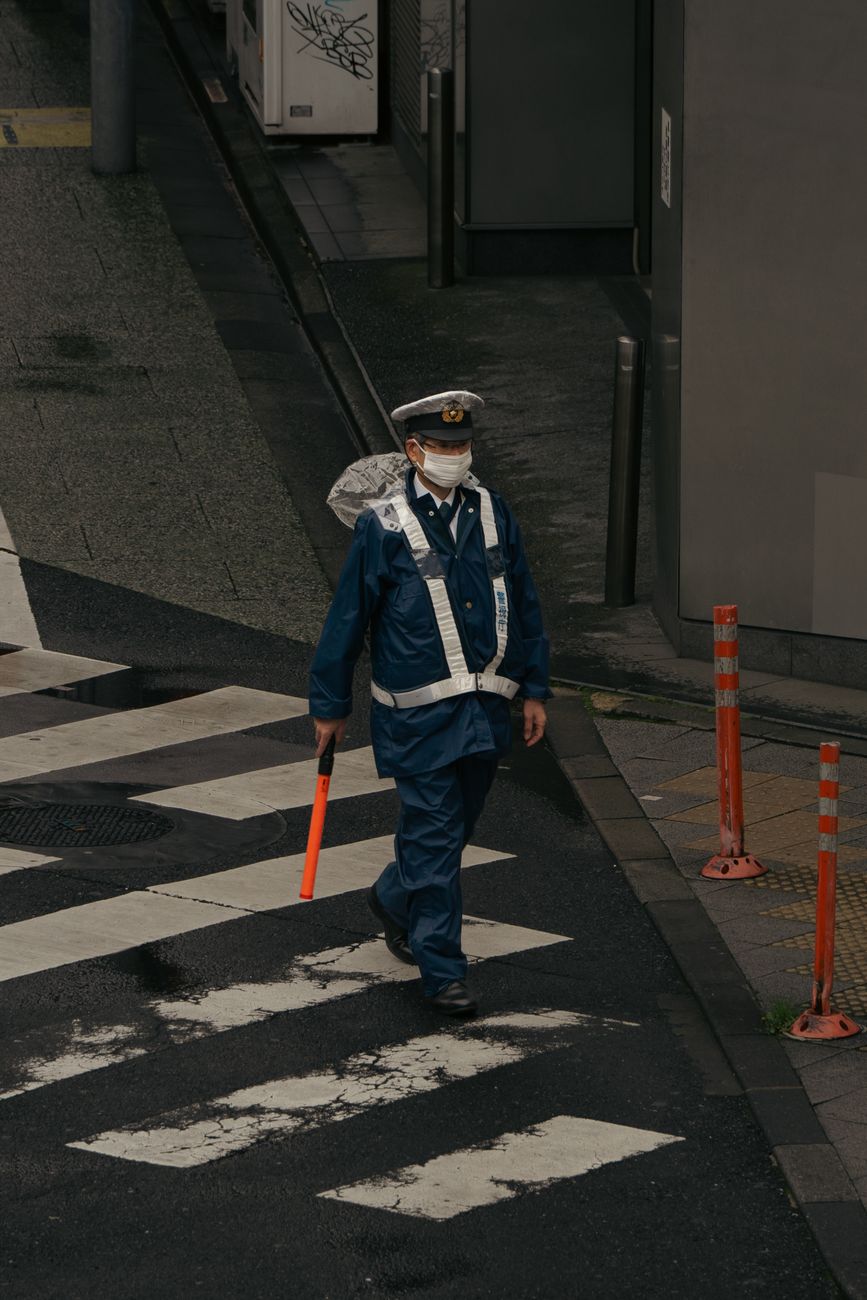
Americans expecting culture shock in Japan usually expect it to come from unfamiliarity: a different alphabet, different food, different customs. What actually surprises most visitors is how functionally smooth everything is. Trains run within seconds of their scheduled time. Streets are extraordinarily clean despite a near-total absence of public trash cans, because the social expectation is that you carry your own trash until you get home. Convenience store food, sold at 7-Eleven and Lawson locations on nearly every block, is genuinely good, not the sad gas-station sandwich Americans associate with convenience store food. The shock is not disorder. It is realizing how much friction American daily life actually contains that Japan has simply engineered away.
Argentina: Cheaper Than Expected, and Then Confusingly So

Americans tend to assume a country as culturally rich and cosmopolitan as Argentina, especially Buenos Aires, will price like a European capital. Instead, thanks to persistent currency instability and inflation that has made the peso extremely volatile, visitors paying in dollars often find world-class steak dinners, wine, and boutique hotel stays at prices that feel almost implausibly low compared to equivalent experiences in the US or Western Europe. The confusing part for many Americans is realizing this affordability comes directly from an economic crisis that is genuinely difficult for Argentines living on peso salaries, which turns the pleasant surprise into a more complicated one once you actually talk to locals about their own cost of living.
Other Reliable Surprise Reversals
- Iceland surprises Americans with how expensive it is, since a small population and almost everything imported drives grocery and restaurant prices well above US levels
- Germany surprises many Americans with how affordable daily life is, with rent, groceries, and even cars often cheaper than comparable American cities despite Germany’s wealthy, developed reputation
- Singapore surprises Americans with how much social control accompanies its clean, safe, English-friendly comfort, from strict laws on chewing gum and jaywalking to limited press freedom
- Thailand surprises Americans with just how far a dollar stretches, with full meals available for the equivalent of two or three dollars outside tourist-heavy zones
Why the Direction of the Surprise Is the Real Story
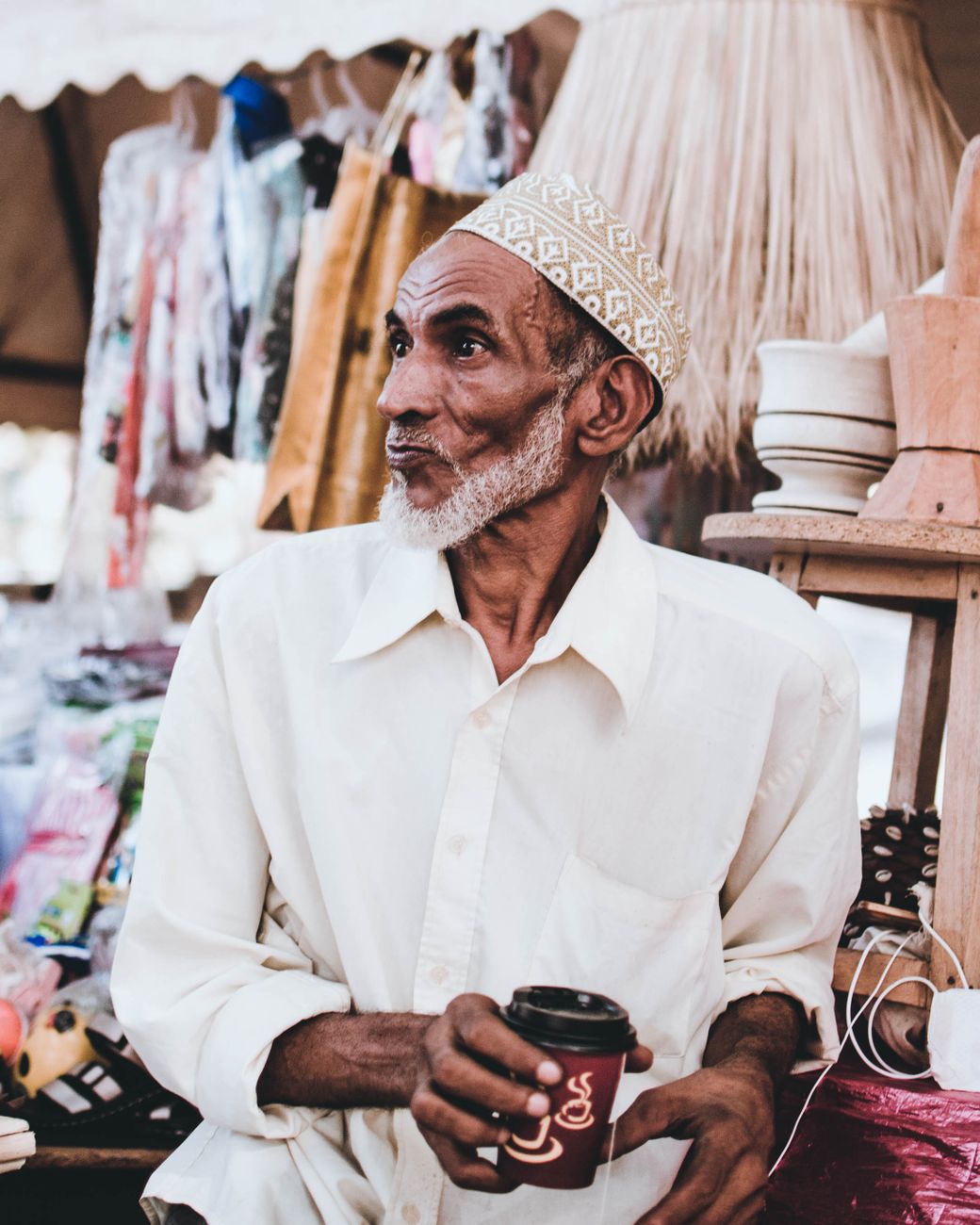
The countries that generate the most consistent, retellable culture shock stories are rarely the ones that are simply “very different.” They are the ones where a specific American assumption gets flipped in a clean, legible way: the orderly country that should feel chaotic, the glamorous country that should feel expensive, the wealthy country that should feel pricey but does not. Saudi Arabia produces shock through its conservative social and legal codes contrasting with its oil wealth and modern infrastructure. Vietnam produces shock through how startlingly cheap and how startlingly good the food is relative to its very low prices, a combination Americans rarely encounter together at home.
None of these reactions are wrong, and none of them are really about the destination being objectively strange. They are about the specific gap between an American mental model of a place and the reality of living inside it for a week, and the countries that keep coming up in these conversations are simply the ones where that gap is widest and most easily explained in a single sentence at a dinner party once you get home.
Why Locals in These Countries See It Completely Differently

It is worth remembering that the culture shock Americans feel abroad is almost never mutual. A Japanese visitor to the United States is frequently far more shocked by American tipping culture, the absence of universal healthcare, and the sheer size of grocery store portions than any American visiting Tokyo is by convenience store sushi. An Argentine visiting the US is often more struck by how expensive routine restaurant meals are relative to wages than an American visiting Buenos Aires is by the cheap steak dinner in front of them.
That asymmetry is really the underlying lesson in all of these culture shock stories. The surprise Americans feel abroad says as much about the assumptions baked into American daily life as it does about the destination itself. The countries that generate the best stories are simply the ones where that gap between assumption and reality happens to be widest, and the traveler returns home with a single, clean sentence that explains exactly why.
How to Actually Prepare for Either Direction of Surprise
The most practical takeaway for a traveler heading somewhere likely to produce culture shock in either direction is to research actual price points and social norms before departure rather than relying on a general sense of a country’s wealth or poverty. A country’s GDP per capita correlates only loosely with what a specific traveler will actually pay for meals, transit, and lodging, since local currency valuation, tourism pricing structures, and import costs all distort the relationship in ways that vary enormously by country and even by city within a country.
Travelers who do this basic homework consistently report fewer jarring surprises and, more importantly, spend their culture shock energy on the things that actually matter, social customs, language, unfamiliar food, rather than on basic logistics that a few minutes of research could have anticipated entirely.
The best travelers are not the ones who avoid culture shock entirely. They are the ones who arrive expecting to be wrong about something, and treat the moment they realize exactly what they were wrong about as the actual highlight of the trip.
Ultimately, the countries that produce the most memorable culture shock stories tend to reward travelers who arrive curious rather than certain, since the gap between expectation and reality is where nearly all of the best travel stories, and the best travel lessons, actually live.