Americans Learned to Love Brunch in Europe, Then Brought It Home and Made It Bigger Than Anywhere It Started
We may earn money or products from the companies mentioned in this post. This means if you click on the link and purchase the item, I will receive a small commission at no extra cost to you ... you're just helping re-supply our family's travel fund.
Brunch as a dedicated weekend ritual, complete with bottomless mimosas and a reservation booked two weeks out, is a distinctly American institution, but a meaningful share of Americans’ emotional attachment to the idea of a long, leisurely late-morning meal was shaped by trips abroad, particularly to Paris, Rome, and increasingly cities like Lisbon and Mexico City. The pattern is consistent enough to notice: Americans travel, encounter a culture that treats a midday meal as an unhurried social event rather than a quick refuel, and come home determined to build that same slowness into their own weekends.
The European Version Isn’t Actually Brunch
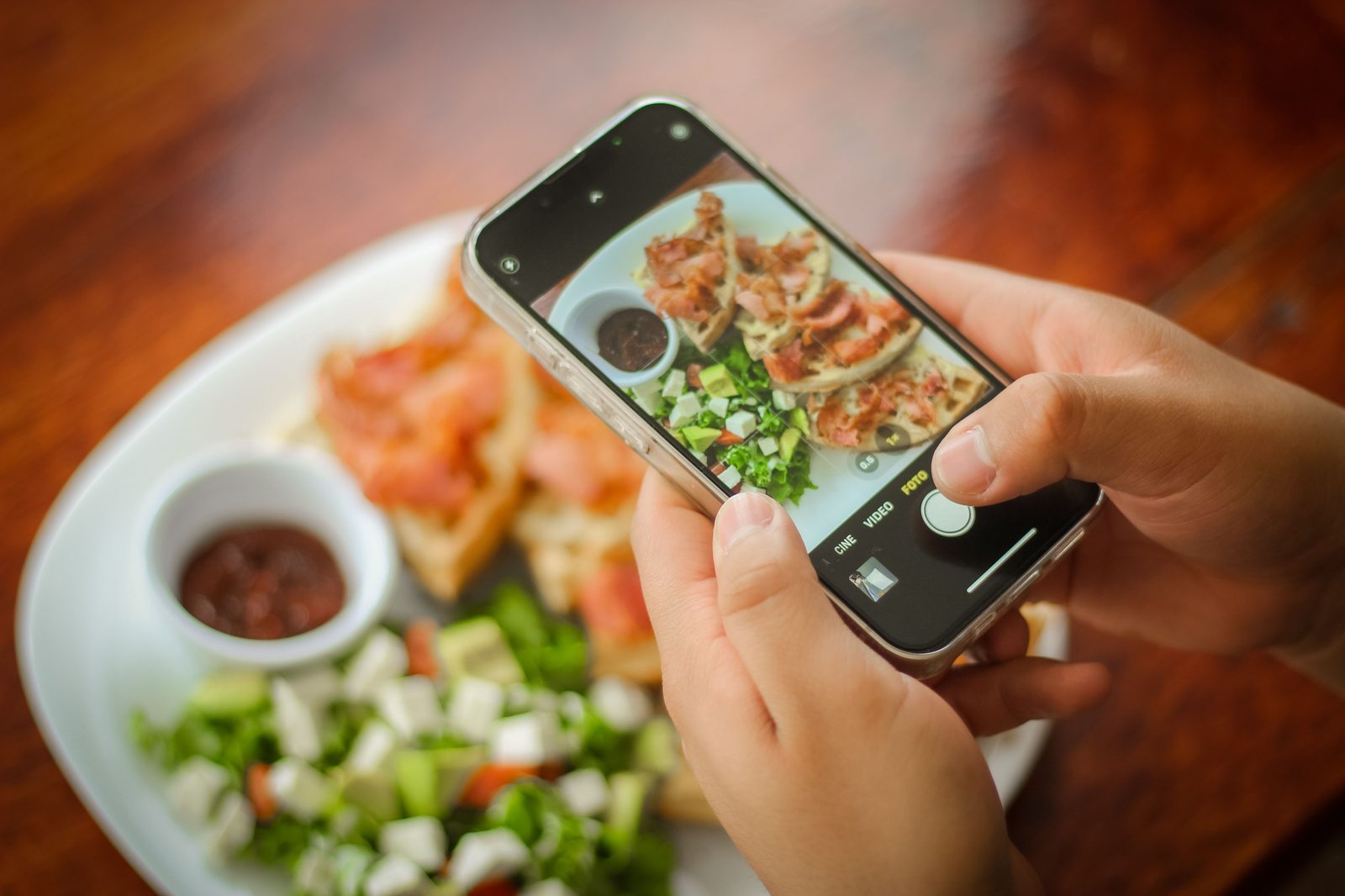
What Americans experience as inspiration for brunch abroad is usually something else: a long lunch in France or Italy, a leisurely café breakfast in Vienna, or the Spanish tradition of a late, extended midday meal that stretches into the afternoon. These traditions are built around the idea that a meal is a social occasion worth protecting time for, not specifically a hybrid breakfast-lunch concept with eggs Benedict and mimosas. American brunch culture actually traces more directly to England, where “brunch” as a term was coined in the 1890s by writer Guy Beringer, who proposed it as a lighter, cheerful alternative to a heavy post-church Sunday meal, and to New York and Chicago hotel culture in the early to mid-20th century, which popularized it as a weekend social event for the upper middle class.
What Actually Traveled Home Was the Feeling, Not the Menu
What Americans really absorb from long European meals is the permission to linger — the sense that a table doesn’t need to be turned over in 45 minutes, that a meal can occupy two or three hours without anyone hovering with a check. American brunch culture has taken that feeling and scaled it dramatically upward: bottomless drink packages, DJ sets at weekend brunch in cities like Miami and Atlanta, elaborate multi-course tasting brunches in cities like Los Angeles and New York that can run $60 to $100 per person before drinks. The European “long lunch” traveled home and became, in classic American fashion, a bigger, more commercialized, more monetized version of the original feeling.
The Export Cycle Keeps Going
The pattern doesn’t stop at brunch. American travelers who move abroad — retirees in Mexico, remote workers in Lisbon or Bali — frequently bring the fully developed American brunch concept with them, opening or patronizing brunch spots that serve the bottomless-mimosa, DJ-set version in cities where it never existed before. Lisbon and Mexico City in particular have seen a wave of brunch spots catering specifically to American and European expats over the past several years, essentially re-exporting a version of European leisure that Americans reinterpreted and then sent back out into the world.
- The word “brunch” originated in 1890s England, not continental Europe
- American brunch as a bottomless-drinks weekend ritual developed primarily in 20th-century hotel and restaurant culture
- What Americans borrow from European trips is the unhurried pacing, not any specific dish
Why It Keeps Happening
This cycle of borrowing a feeling abroad and then rebuilding it bigger at home isn’t unique to brunch, but brunch is one of the clearest examples because the transformation is so visible: a two-hour lunch in Rome becomes a three-hour bottomless brunch in Chicago with a cover charge and a waitlist app. Americans tend to travel for experiences of slowness precisely because their daily domestic life rarely permits it, and then, once home, the only way that slowness survives is by being scheduled, monetized, and turned into an event substantial enough to justify blocking off a Saturday. It says less about European food culture than it does about how hard it is for American routines to accommodate leisure without first packaging it as a product.
How Restaurant Chains Turned the Idea Into an Industry
Restaurant chains recognized the brunch opportunity decades before the current bottomless-mimosa era, and companies like Denny’s and IHOP built entire business models partly around all-day breakfast availability that anticipated the eventual brunch boom by treating breakfast food as appropriate at any hour. What changed more recently is the addition of alcohol and the reframing of brunch as an event rather than just a meal: restaurant groups in cities like Atlanta, Houston, and Los Angeles built entire venues around bottomless drink packages, often requiring reservations weeks in advance and generating some of the highest per-table revenue of the week during just a two- or three-hour Saturday or Sunday window. The economics are genuinely compelling for restaurant owners, since a bottomless drink package encourages long table occupancy that would be unprofitable without the built-in alcohol markup covering the extended seating time.
The Backlash That Never Quite Materialized
Food writers have periodically declared brunch culture exhausted or overdone for the better part of a decade, pointing to the formulaic nature of bottomless packages and DJ-driven brunch venues as evidence the trend had become a caricature of itself. Despite that recurring criticism, demand for brunch reservations in most major American cities has remained remarkably stable or grown, suggesting the ritual serves a social function — a scheduled, low-stakes gathering point for friend groups — that’s resistant to changing food trends in a way that more novelty-driven dining concepts aren’t. Brunch has essentially become infrastructure for American social life rather than a fad, which is part of why it kept exporting itself internationally even as domestic critics kept predicting its decline.
The financial scale of the American brunch economy is genuinely large when aggregated across the industry: weekend brunch service now accounts for a significant share of total revenue at many full-service restaurants, particularly in cities with strong food cultures, and the format has proven durable enough that new restaurant concepts frequently launch with brunch as a planned core offering rather than an afterthought added later, a level of forward planning that reflects just how central the ritual has become to how Americans structure their social calendars. What started as a niche import from a handful of American cities with strong European travel ties has become one of the more thoroughly Americanized food rituals in the country, in a way that would likely surprise the diners who first admired the slower pace of a Parisian lunch.