California’s Mother Lode Still Sells Gold-Rush Dreams—Here’s What the Year-Round Reality Means for These 3 Towns
We may earn money or products from the companies mentioned in this post. This means if you click on the link and purchase the item, I will receive a small commission at no extra cost to you ... you're just helping re-supply our family's travel fund.
Mother Lode towns still sell the Gold Rush with wooden sidewalks, saloon fronts and gold-panning demonstrations. Behind the postcards, the people who live in them work in hospitals, county offices, schools and wineries, and they live with wildfire seasons and a shortage of affordable homes. Three towns along Highway 49, Sonora, Placerville and Jackson, show how that gap between marketing and daily life plays out.
What Year-Round Reality Means for These 3 Mother Lode Towns
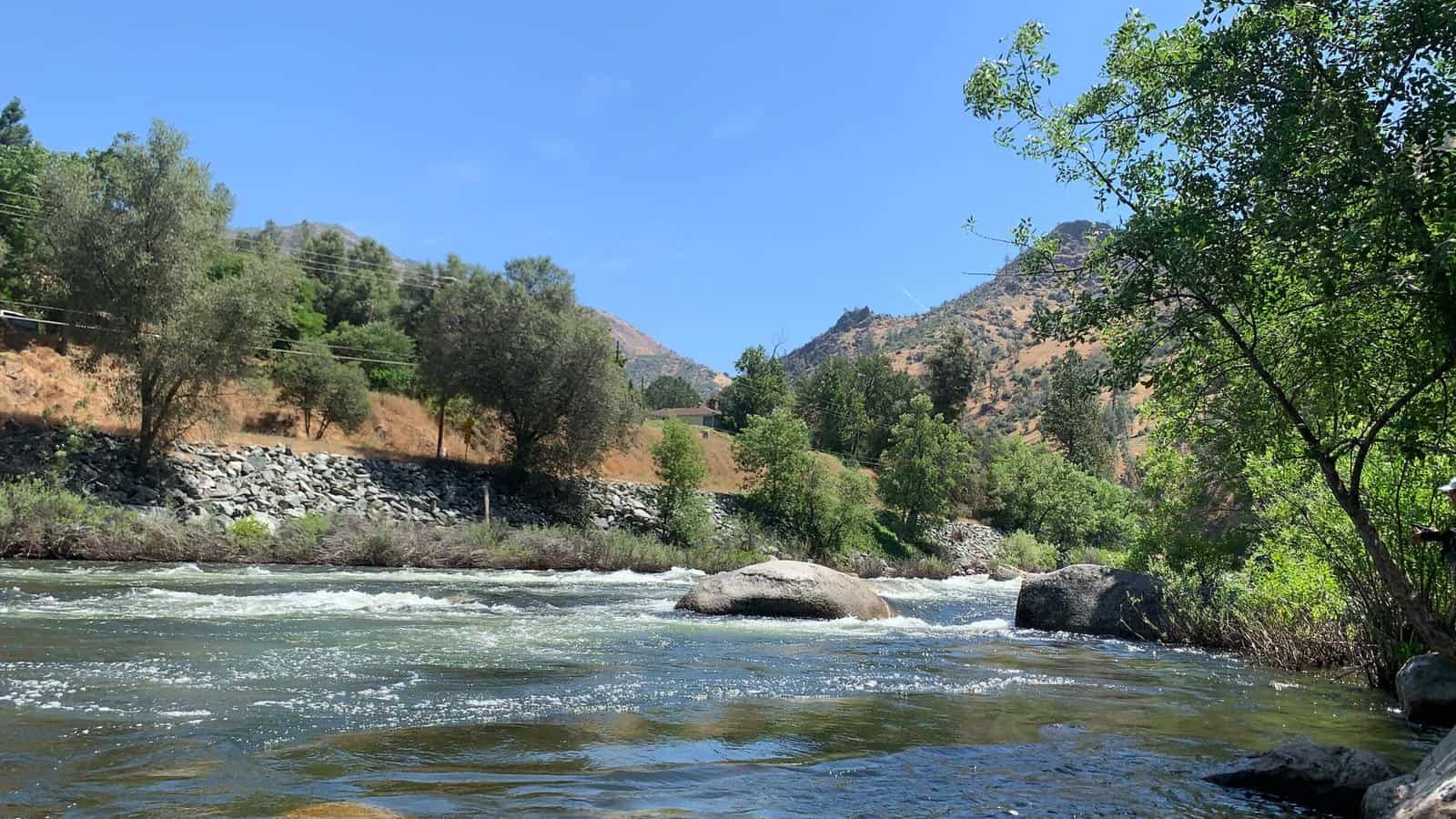
The Mother Lode is the belt of gold-bearing quartz in the Sierra Nevada foothills, running roughly 120 miles along Highway 49 from Mariposa to the Georgetown area. Gold was found at Sutter’s Mill in Coloma on January 24, 1848, and within a few years hundreds of thousands of people had arrived. Most of the gold was gone within a generation. What remained were towns with historic buildings, courthouse squares and a story that still draws visitors.
Here are three towns that show what life is like after the rush, with notes on what to do and what to expect.
1. Sonora
Sonora is the county seat of Tuolumne County, with a population of about 5,000 in the city and roughly 55,000 in the county. It was founded by miners from Sonora, Mexico, in 1848, and once was one of the richest of the gold camps. Today it is the main service hub for the central Sierra foothills, with a hospital, courthouse, shopping and a college campus.
The year-round economy rests on government, health care, retail and tourism. Many visitors pass through on their way to Yosemite National Park, whose Big Oak Flat entrance is about an hour and a half away on Highway 120. Summer is busy with travelers and campers, and winter is much slower.
Daily life includes the realities of foothill living: long commutes, limited jobs outside the main sectors and housing costs that have risen as people from the Bay Area have moved in. Wildfire is a constant concern, and the 2013 Rim Fire, one of the largest in California’s history, burned a vast area near Yosemite, hurting the local economy for a time.
What to do:
- Walk downtown Washington Street for historic buildings, antique stores and restaurants.
- Visit Columbia State Historic Park, about five miles north, a preserved gold-rush town where you can ride a stagecoach and pan for gold.
- Ride the steam train at Railtown 1897 State Historic Park in nearby Jamestown, which has appeared in many films.
- Use Sonora as a lower-cost base for Yosemite trips, with rooms commonly $110 to $200 outside peak weekends.
2. Placerville
Placerville, the seat of El Dorado County, sits about 45 miles east of Sacramento along Highway 50. It has a population of around 11,000. It began as a rough mining camp called Hangtown, named for its quick frontier justice, and the name survives in a famous dish, Hangtown fry, made of eggs, oysters and bacon.
Because it is on a major route to Lake Tahoe and close to Sacramento, Placerville has a different economy from other Mother Lode towns. Many residents commute to the capital region, and others work in county government, health care and a growing set of small businesses. Retirees and remote workers have also moved in. Housing prices are well above those in the deeper foothills.
The area is known for Apple Hill, a collection of dozens of orchards, farm stands and wineries east of town that draws large crowds from late summer through December. Wine grapes are a growing crop in the El Dorado foothills. The town also sits near Coloma, where Marshall Gold Discovery State Historic Park marks the spot of James Marshall’s find, with a replica mill, museum and the South Fork American River, a popular rafting run.
Wildfire is a serious issue here too. The 2021 Caldor Fire destroyed the community of Grizzly Flats and threatened parts of El Dorado County and Lake Tahoe, and fire preparedness has become a local priority.
What to do:
- Tour Gold Bug Park and Mine, a city-owned park with a real mine you can walk through.
- Stroll Main Street for shops and restaurants in historic buildings.
- Visit Apple Hill from September through November for apples, cider doughnuts and pies.
- Go to Coloma to see the mill replica, then raft or walk the river.
3. Jackson
Jackson, the seat of Amador County, has a population of around 4,800 and is one of the smaller county seats in California. It sits about 40 miles southeast of Sacramento on Highway 49 and Highway 88. Its history is tied to the Kennedy Mine, one of the deepest gold mines in North America, whose tailing wheels and headframe still stand outside town.
Modern Jackson is a small government and service town. The Jackson Rancheria Casino Resort, operated by the Jackson Rancheria Band of Miwuk Indians, is one of the largest employers in the county, along with county government, schools and health care. Tourism centers on historic downtown, antique shopping and nearby wine country. The Shenandoah Valley, east of Plymouth, is home to old-vine zinfandel vineyards, and tasting rooms keep many weekend visitors in the area.
Everyday life in Jackson means a modest income base and a lot of reliance on seasonal and weekend tourism. Like other foothill towns, it faces housing costs and wildfire risk, and it has fewer jobs than larger towns nearby. That makes it a quieter, more affordable base for visitors.
What to do:
- Walk the Kennedy Mine tailing wheels and trails for a sense of the old industry.
- Visit the Amador County Museum and nearby historic sites.
- Taste zinfandel in the Shenandoah Valley, with tasting fees often between $10 and $25.
- Drive Highway 49 to Sutter Creek, a few miles north, for another well-kept Gold Rush main street.
Why the Gold Rush Story Still Sells
Gold Rush heritage is a durable draw. The wooden balconies, brick storefronts and gold-panning exhibits create an image visitors can understand in a minute, and the story ties into the broader California identity. Towns promote it through museums, festivals, reenactments and heritage railroads.
The risk of leaning too hard on the past is that it can hide present needs. Younger residents want jobs, housing and services, and those don’t come from souvenir shops. The towns that do best tend to build on history while also supporting wine, outdoor recreation, health care and small manufacturing.
What the Year-Round Reality Looks Like
Several themes show up in all three towns:
- Government, health care and education provide the steadiest jobs.
- Tourism is seasonal, peaking in summer and fall, with slower winters.
- Retirees and remote workers support local businesses but raise housing costs.
- Wildfire risk shapes insurance costs, planning and daily anxiety.
- Roads are two-lane and winding, which complicates commuting and emergencies.
- Services such as hospitals, specialists and large stores are limited, and residents often drive to larger cities.
None of that makes the towns less appealing. It does mean that the Gold Rush storefronts are only part of the story.
Other Mother Lode Stops Worth Knowing
If you have extra time, a few more towns along Highway 49 show different versions of the same story. Sutter Creek, just north of Jackson, has one of the most intact main streets in the region and a strong inn and tasting-room scene. Angels Camp in Calaveras County hosts the Calaveras County Fair and Jumping Frog Jubilee each May, inspired by a Mark Twain story. Murphys, farther east, has a lively wine-tasting village with more than two dozen tasting rooms. Mariposa, at the southern end, serves as a gateway to Yosemite and has a historic courthouse that has hosted court sessions since 1854. Each town balances its heritage against modern needs in its own way.
Planning Your Visit
Spring and fall are the best seasons, with mild weather, wildflowers in March and April, and fall color and harvest events in October. Summer can be hot in the foothills, often above 95 degrees, and winter can bring fog and occasional snow at higher elevations. Fire season can bring smoke, so check air quality and any road closures before you go.
A short driving loop can connect the three towns, though they are far apart. Placerville to Jackson is about an hour, and Jackson to Sonora is about an hour and a quarter by way of Highway 49. Allow time for winding roads and slower speeds. Some businesses close on weekdays in winter, so check hours.
Costs and Typical Prices
Prices in the Mother Lode are lower than in coastal California, though they climb on weekends and holidays. Lodging in historic inns often runs $140 to $260 a night, and chain motels in Sonora, Placerville and Jackson commonly cost $90 to $170. Dinner at a casual restaurant typically costs $15 to $30 per person, with higher prices at upscale wine-country restaurants. Mine and museum admissions usually cost $5 to $20. Wine tasting fees often run $10 to $30 per person and are sometimes waived with a bottle purchase.
Gas and groceries are more expensive in small towns, so fill your tank in larger cities. Some small businesses accept only cash or have limited hours, particularly outside summer, so call ahead.
How to Be a Good Visitor
Spend in locally owned shops and restaurants. Respect private property, especially around old mine sites, which can be dangerous. Don’t pan or collect on claims without permission. Ask before you photograph residents, and be patient with small-town service. In fire season, follow all rules about campfires and fireworks.
The Bottom Line
The Mother Lode towns still sell the Gold Rush, and the story is real, but their year-round lives look different. Sonora, Placerville and Jackson each run on government, health care, retirees, wine and seasonal tourism, with wildfire and housing pressure shaping their future. Visit for the history, stay for the food and wine, and notice the working towns behind the storefronts.