Americans Keep Going to Colombia and Uzbekistan Expecting the Worst. They Come Back Talking About Almost Nothing Else
We may earn money or products from the companies mentioned in this post. This means if you click on the link and purchase the item, I will receive a small commission at no extra cost to you ... you're just helping re-supply our family's travel fund.
Ask an American what they expect from a trip to Colombia and the answer, even now, is often shaped by decades-old associations with cartels and conflict that have little to do with the country most travelers actually experience in Medellín, Cartagena, or the coffee region around Salento. The same pattern shows up with countries like Uzbekistan, Albania, and Rwanda: low expectations set by outdated news coverage, followed by trip reports and social posts that read almost like conversion stories once people actually go.
Colombia’s Reputation Lagged Its Reality by Two Decades
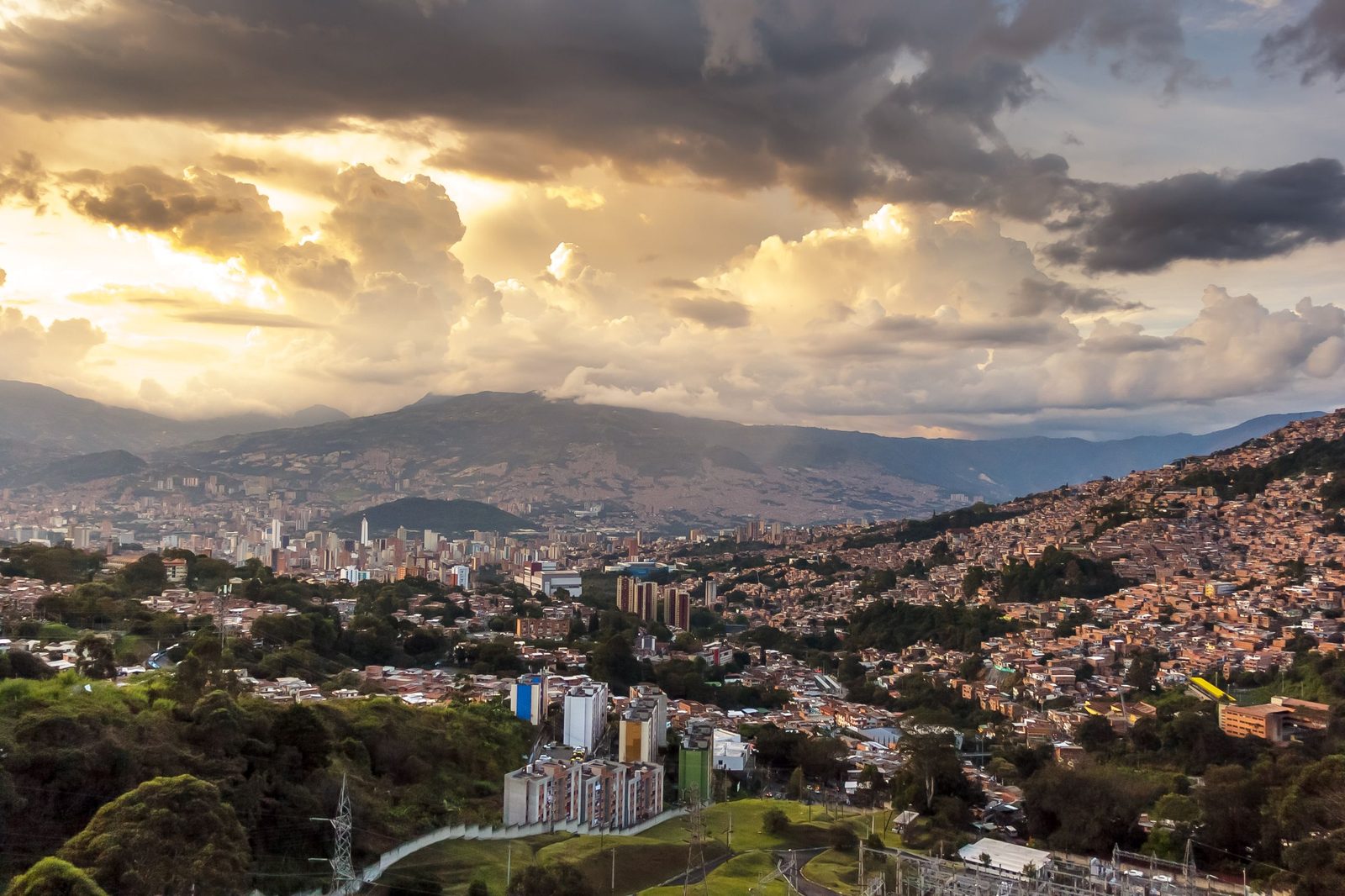
Medellín in particular has undergone one of the most dramatic urban transformations in Latin America since the peak of Pablo Escobar-era violence in the early 1990s, rebuilding its public transit with the Metrocable gondola system that connects hillside comunas to the city center, and developing a genuinely lively nightlife and food scene in neighborhoods like El Poblado and Laureles. American travelers who arrive expecting a dangerous, tense city consistently report the opposite experience: a temperate climate that earns the nickname “City of Eternal Spring,” affordable long-term rentals that have made it a hub for remote workers, and a level of everyday warmth from locals that visitors frequently call out as the most memorable part of the trip.
Uzbekistan Is Not on Most People’s Radar at All
Uzbekistan doesn’t carry a bad reputation so much as no reputation at all among most Americans, who couldn’t place it on a map, let alone describe what a trip there would look like. Travelers who do go — often drawn by the Silk Road cities of Samarkand, Bukhara, and Khiva — routinely come back describing turquoise-tiled mosques and madrasas that rival anything in the more famous parts of the Middle East, combined with a level of hospitality and food (plov, the national rice dish, is a near-universal favorite) that generates disproportionately enthusiastic trip reports relative to how few Americans have ever considered going. Uzbekistan eliminated visa requirements for a large number of countries in recent years specifically to encourage this kind of tourism growth, and the infrastructure for travelers, particularly in Samarkand, has improved substantially as a result.
Albania Went From Communist Isolation to Adriatic Coastline Nobody Expected
Albania spent decades under one of Europe’s most isolated communist regimes, closed to virtually all outside travel until 1991, and the country’s tourism reputation has lagged that history by a full generation. Travelers who now visit the Albanian Riviera — beach towns like Dhermi and Himara along the Ionian coast — frequently describe scenery comparable to the Greek islands or the Amalfi Coast, at a fraction of the price, precisely because Albania spent so many years off the tourism map that its coastline never developed the same infrastructure or prices as its more famous Mediterranean neighbors.
- Colombia: reputation still shaped by 1990s-era cartel violence, reality is a transformed, walkable Medellín and a thriving coffee region
- Uzbekistan: no bad reputation, just no visibility at all, despite Silk Road architecture that rivals better-known destinations
- Albania: decades of communist-era isolation left an Adriatic coastline that developed later and cheaper than its neighbors
Why the Surprise Keeps Happening
The common thread across these countries isn’t that they were great all along and nobody noticed. It’s that American perception of a country’s safety and appeal tends to freeze at whatever the dominant news narrative was decades ago, and that narrative rarely updates on its own without someone actually going and reporting back. Rwanda faces a similar dynamic tied to the 1994 genocide, even as Kigali has become one of the cleanest, most orderly capital cities in Africa with a functioning gorilla trekking tourism industry that generates substantial revenue for conservation. In every case, the gap between reputation and reality is large enough that a single trip tends to overturn years of assumption, which is exactly why travelers who go to these places so often come back talking about them more than they talk about the destinations everyone expected them to love.
Kigali and the Broader Pattern in East Africa
Rwanda’s tourism recovery since the 1994 genocide has been deliberate and government-driven, built substantially around gorilla trekking permits in Volcanoes National Park that, while expensive, generate revenue directly tied to conservation funding and have helped stabilize mountain gorilla populations that were once critically endangered. Kigali itself has developed a reputation among travelers as one of the cleanest and safest capital cities in Africa, partly due to a nationwide ban on plastic bags and a monthly community cleanup day, Umuganda, that residents participate in collectively. American travelers who arrive expecting to see visible remnants of the genocide instead typically encounter a modern, orderly city, and the disconnect between that expectation and the reality is usually the single most-discussed part of any trip report from the country.
The Practical Reason These Trips Keep Exceeding Expectations
There’s a structural reason trips to reputation-lagging countries tend to overperform expectations so consistently: anyone who travels to Colombia, Uzbekistan, Albania, or Rwanda despite lingering negative associations has already done enough independent research to arrive with realistic, well-calibrated expectations, rather than the vague, media-driven assumptions that shape a first-time visitor’s baseline. That research-driven visitor is primed to notice and appreciate what’s actually there rather than searching for confirmation of a stereotype. It’s a selection effect as much as a hidden-gem story, but the trip reports keep accumulating regardless of the explanation, and the gap between the old reputation and the current reality shows no sign of closing on its own.
Colombia’s broader tourism numbers reflect the same shift in perception: international visitor arrivals to the country have grown substantially over the past decade, with Medellín and Cartagena both investing heavily in hospitality infrastructure to accommodate the increase. That growth has brought its own complications, including rising housing costs in popular expat neighborhoods that echo concerns raised in gentrifying American cities, a reminder that even a genuine reputation turnaround comes with trade-offs the enthusiastic trip reports rarely mention. Uzbekistan and Albania have followed similar, if smaller-scale, trajectories, suggesting the pattern of reputation catching up to reality years after the reality has already changed is less an exception than a fairly consistent feature of how Americans process information about the wider world.