Colorado Ski Towns Empty Out Every Spring. What’s Left Behind Is the Town Everyone Forgets Exists.
We may earn money or products from the companies mentioned in this post. This means if you click on the link and purchase the item, I will receive a small commission at no extra cost to you ... you're just helping re-supply our family's travel fund.
Vail’s population swells to several times its year-round base during peak ski season, and the same pattern repeats across Breckenridge, Aspen, Telluride, and Steamboat Springs — towns built almost entirely around a four-to-five-month winter economy that then goes strangely quiet every spring, once the lifts stop running and the second-home owners head back to Dallas, Houston, or the Bay Area. The gap between ski-season Colorado and the rest-of-the-year version is one of the starkest seasonal economic swings anywhere in the American tourism industry, and the mud season that follows — roughly April through late May, when snow has melted but wildflowers and warm hiking weather haven’t arrived yet — is when the towns’ actual, much smaller permanent population has the place to themselves.
What actually happens to the local economy when the lifts stop
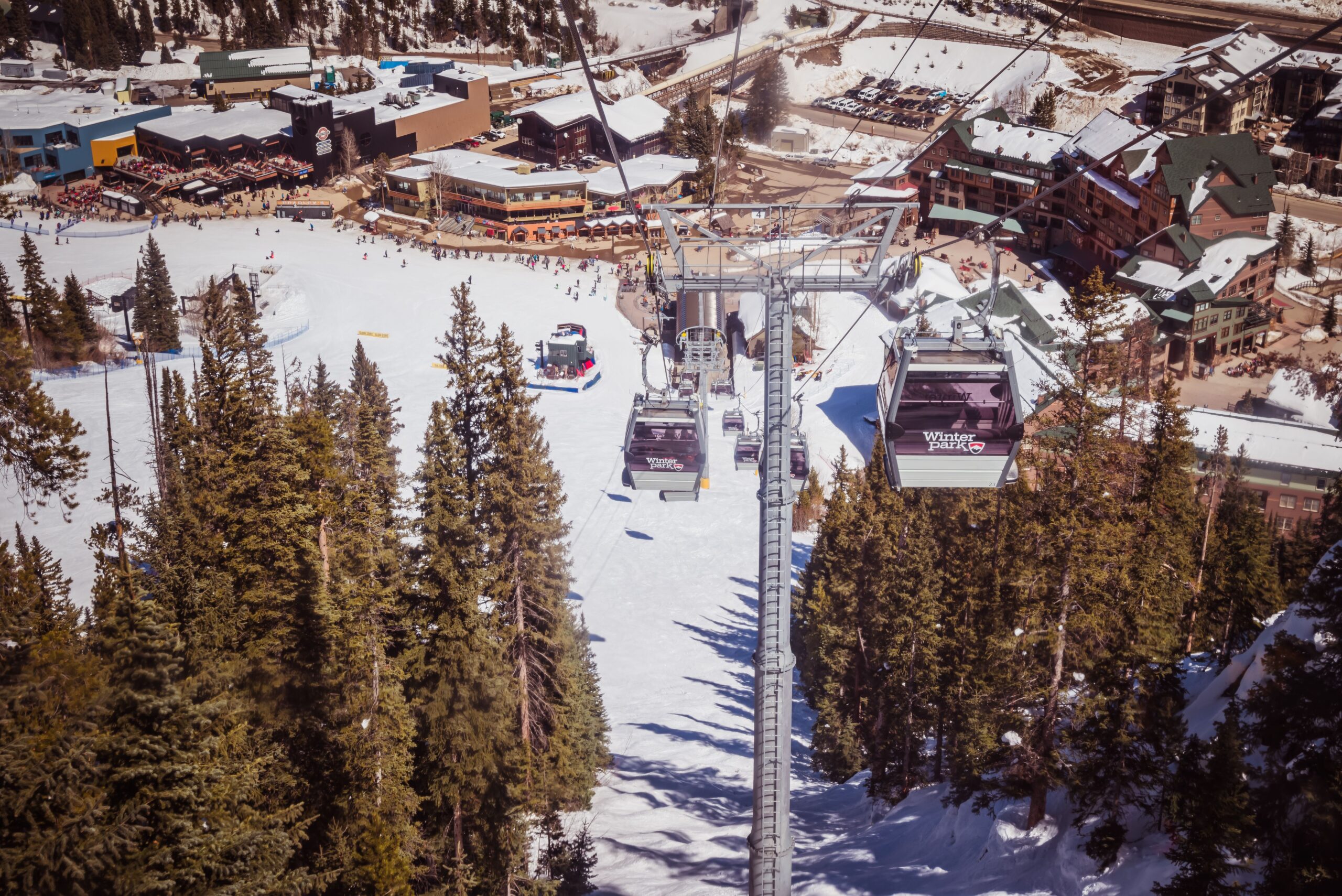
Restaurants, ski shops, and hotels in towns like Breckenridge and Steamboat routinely cut staff dramatically or close entirely for several weeks during mud season, since the seasonal workforce — many on H-2B visas or J-1 student visas that specifically tie work authorization to the winter season — leaves once ski operations wind down, and there simply isn’t enough year-round demand to justify keeping restaurants fully staffed. Some businesses use the closure window deliberately for renovations and deep maintenance that summer and winter’s high occupancy makes impossible, while others simply can’t generate enough revenue in April to cover payroll and choose to shut down until Memorial Day weekend, when the summer hiking and mountain biking season begins building toward its own, smaller peak.
The workforce housing problem that’s become a major statewide issue in Colorado’s mountain resort communities doesn’t disappear during the off-season — it just becomes less visible without the seasonal workers whose overcrowded housing situations draw the most attention during peak months. Towns like Vail and Aspen have implemented deed-restricted affordable housing requirements tied to new development for years, and Summit County voters have approved specific taxes earmarked for workforce housing construction, but the fundamental math remains difficult: short-term vacation rentals generate far more revenue per property than long-term workforce housing, which keeps pulling the incentive structure away from solving the exact housing shortage that these mountain economies depend on seasonal and year-round workers to fill.
Real estate transaction patterns follow the same seasonal logic, with a large share of second-home sales in resort towns like Aspen and Telluride closing in late spring specifically so buyers can complete renovations before the following winter season begins, giving local contractors and tradespeople their own busy season that runs almost opposite to the tourism industry’s calendar. That creates an interesting, lesser-known economic rhythm underneath the more visible ski-season boom and mud-season bust: a construction and renovation economy that peaks precisely when the tourism economy is at its quietest, employing a meaningfully different workforce than the seasonal service jobs most visitors associate with these towns.
The version of these towns almost nobody visits for
Year-round residents of Colorado ski towns describe the off-season shoulder periods — both spring mud season and the shorter fall lull before ski season ramps back up in November — as the actual best time to live there, when the town operates at a human scale rather than a tourism-industry one. Trailheads that see hundreds of hikers on a July Saturday sit nearly empty in early May. Restaurants that require reservations weeks out during ski season take walk-ins without any wait. Locals who work service jobs supporting the tourism economy finally get to experience their own town as residents rather than as staff managing a constant influx of visitors, a distinction that year-round Coloradans in these towns describe as the actual payoff for tolerating the intensity of ski season the rest of the year.
What’s actually still operating during mud season
- Grocery stores, gas stations, and essential services stay fully open year-round regardless of tourism volume
- A handful of local, year-round-resident-focused restaurants deliberately stay open specifically to serve the community during the lull
- Hot springs resorts like those near Steamboat Springs and Glenwood Springs often run year-round since their draw isn’t snow-dependent
- Real estate offices stay busy, since spring is when many second-home sales and rentals get negotiated ahead of the coming winter season
Why this seasonal emptying isn’t going away
Local school calendars in several mountain resort towns have started building around the same seasonal rhythm, with some districts scheduling spring break specifically during mud season rather than the more traditional early-spring window, since teachers and families whose household income depends on the winter tourism economy often travel or take on other income during the exact weeks when the resort economy is dormant anyway. That kind of institutional adaptation, unusual outside resort communities, is a small but telling sign of how completely the ski economy’s calendar shapes every other aspect of civic life in these towns, right down to when kids get time off school.
Climate change has made ski season timing somewhat less predictable, with some resorts opening later or closing shoulder-season operations earlier than they did two decades ago, adding a layer of financial uncertainty to towns whose entire economic model depends on a reliable snow window. Colorado’s resort communities have discussed diversifying into stronger summer tourism infrastructure — mountain biking, via ferrata courses, high-altitude training facilities — specifically to smooth out the extreme seasonal swings, and some towns, particularly Steamboat and Breckenridge, have made real progress building a legitimate summer season on top of their traditional winter identity. But the fundamental mud-season lull, the weeks when neither ski infrastructure nor summer infrastructure is fully operational, has proven much harder to engineer away, and locals mostly seem fine with that — it’s the one stretch of the year that still belongs to them.