Theme Parks Are Designed Down to the Trash Can Placement to Make Adults Spend More Than They Planned
We may earn money or products from the companies mentioned in this post. This means if you click on the link and purchase the item, I will receive a small commission at no extra cost to you ... you're just helping re-supply our family's travel fund.
A family of four visiting Walt Disney World today can easily spend $700 to $1,000 or more for a single day once tickets, food, parking, and a souvenir or two are factored in, and almost none of that spending happens because visitors planned for it in advance. Theme park design is one of the most deliberately engineered retail environments in existence, built by people with backgrounds in behavioral psychology and urban planning specifically to convert a fixed admission price into ongoing, largely unplanned spending throughout the day.
The specific design tricks that increase spending
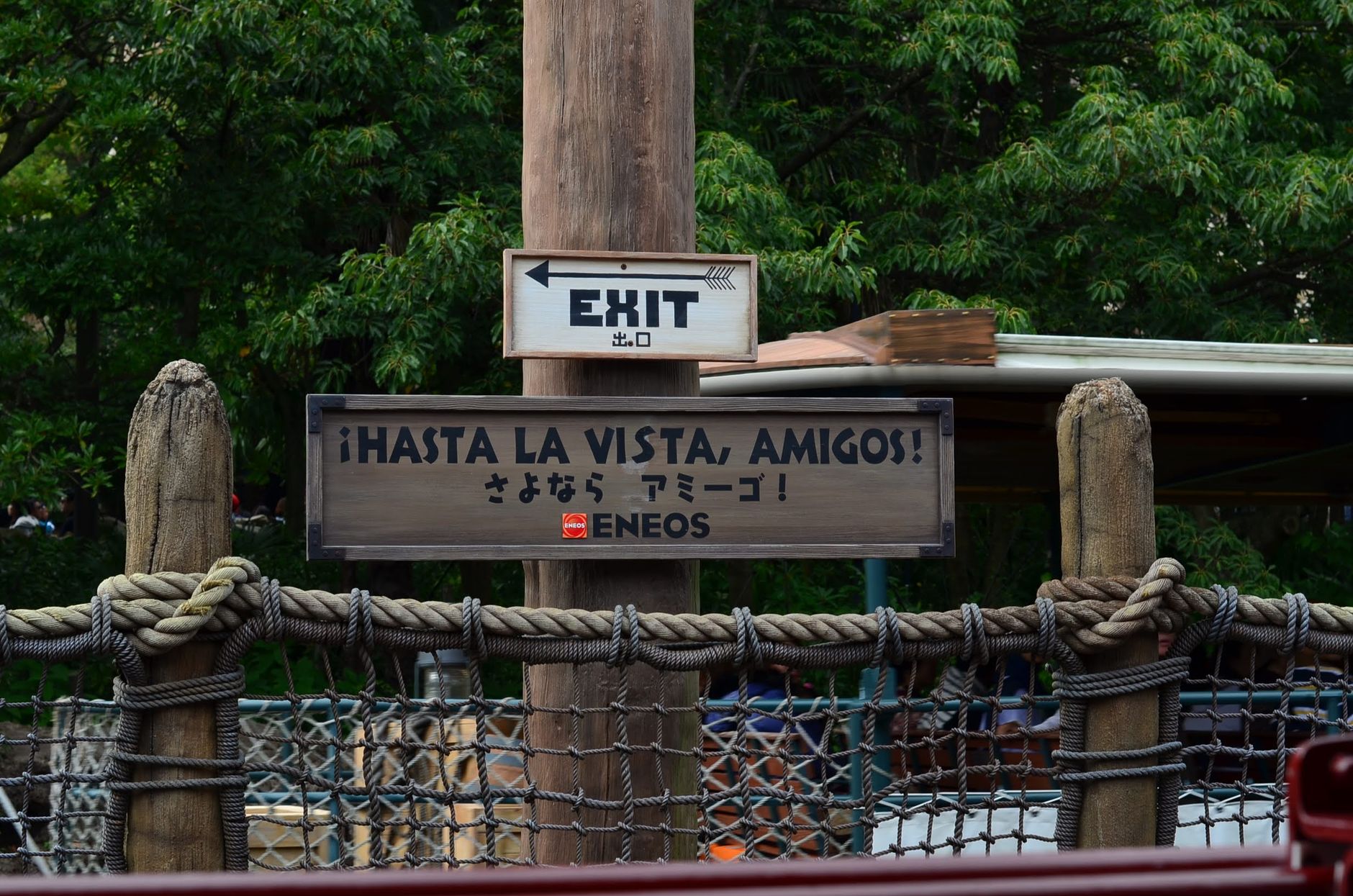
Nearly every major ride at a large theme park exits directly into a themed gift shop, a layout decision with a specific name in the industry — the “unload-to-retail” design — that ensures every rider passes through merchandise tied directly to the emotional high of the ride they just experienced, at the exact moment that emotional connection is strongest. Walt Disney World famously used the “Main Street” design principle, where the buildings along the park’s entrance corridor are built at a slightly reduced scale on upper floors, a forced-perspective trick that makes the street feel more intimate and walkable while subtly encouraging a slower, more leisurely pace that increases exposure to storefronts along the way.
Food and drink pricing inside parks relies heavily on captive-market economics — once inside, guests can’t easily leave to find cheaper food elsewhere without losing park time and, at many parks, needing a re-entry stamp or ticket scan, so a $6 bottle of water or a $14 hot dog faces essentially no local competition. Parks also deliberately limit visible trash can placement and public seating in certain sections, subtle nudges that keep foot traffic moving past retail and food kiosks rather than settling in one spot, according to design analyses of park layouts that have studied crowd-flow engineering at major parks.
Universal Studios and Disney have both invested heavily in immersive land design — Universal’s Wizarding World of Harry Potter and Disney’s Star Wars: Galaxy’s Edge are frequently cited by park design analysts as the clearest recent examples of environments built to make guests forget they’re inside a commercial retail space at all, with themed currency, in-universe product naming, and architecture that extends the illusion right up to the register. That level of immersive design costs hundreds of millions of dollars to build, an investment parks recoup specifically through the increased dwell time and per-capita spending those fully realized environments generate compared to a standard themed area with a simpler gift shop bolted onto the exit.
Why the spending decisions feel emotional rather than rational
Theme parks are, by design, high-emotion environments — excitement, nostalgia, and the specific psychological state of wanting a trip to feel “worth it” after the often significant upfront cost of admission all push adults toward impulse purchases they wouldn’t make in a normal retail environment. Behavioral economists describe this as a version of sunk-cost reasoning: having already paid $150 or more per person just to enter, an additional $30 souvenir purchase feels comparatively small, even though that same $30 item would likely get a harder second look in a regular store. Parks also lean heavily on limited-time and location-exclusive merchandise, a scarcity trigger that pushes visitors to buy immediately rather than wait, since the specific item often genuinely won’t be available anywhere else or at any other time.
The specific line items that add up fastest
- Character dining experiences, which run significantly above standard park restaurant pricing
- Photo packages for rides and character meet-and-greets, priced individually but often bundled into pressured up-sells
- Skip-the-line pass systems, now standard at most major parks, which add a real per-person daily cost on top of admission
- Parking fees, which at some major parks now exceed $30 a day before anyone walks through the gate
How informed visitors actually push back against the design
Mobile ordering and app-based park experiences have added a newer layer to this same psychology, since a tap on a phone screen removes the small friction of physically handing over cash or a card, a friction that behavioral economists have long identified as one of the few natural brakes on impulse spending. Parks have also started using dynamic pricing for parking and even admission tickets, adjusting cost based on projected demand the same way airlines price seats, which means the “sticker price” a family budgets for months in advance may not reflect what they actually pay once surge pricing on a popular date is factored in.
Experienced theme park visitors increasingly set a hard daily spending budget before entering and treat every gift shop and food kiosk exit as a deliberate decision point rather than a passive stroll, specifically because they understand the environment isn’t neutral — every sightline, exit path, and price point has been tested and optimized by people whose job is to increase per-guest spending. Bringing in refillable water bottles where allowed, eating a real meal before entering to reduce in-park food urgency, and deciding on souvenir budgets in advance rather than in the moment are the practical countermeasures that actually work, precisely because they remove the decision from the emotionally charged, deliberately engineered environment the park was built to create in the first place.
Annual pass programs represent one of the more sophisticated versions of this same psychology applied at a longer time horizon, converting what would otherwise be a series of separate, consciously evaluated purchase decisions into a single upfront payment that then makes every subsequent visit feel free, encouraging far more frequent trips and far more in-park spending across a year than pay-per-visit pricing would ever produce on its own. Parks have gotten increasingly sophisticated about tiering these passes with blackout dates and parking add-ons priced separately, extracting additional revenue from a product that’s marketed primarily on the emotional appeal of unlimited access rather than its actual itemized cost.