Staunton Has About 25,000 Residents—Here’s Why Its Theater and College Make Downtown Worth Exploring
We may earn money or products from the companies mentioned in this post. This means if you click on the link and purchase the item, I will receive a small commission at no extra cost to you ... you're just helping re-supply our family's travel fund.
Staunton, Virginia, has about 25,000 residents, and it behaves like a larger city for a simple reason: two institutions bring in people from far beyond the Shenandoah Valley. The American Shakespeare Center runs a replica of Shakespeare’s indoor theater, and Mary Baldwin University has anchored the hill above downtown since 1842. Together, they explain why Staunton Virginia downtown is full of restaurants, galleries and well-kept Victorian buildings.
Here is how the theater and college shape the city, what to see and how to plan a visit.
Why Staunton’s Theater and College Make Downtown Worth Exploring
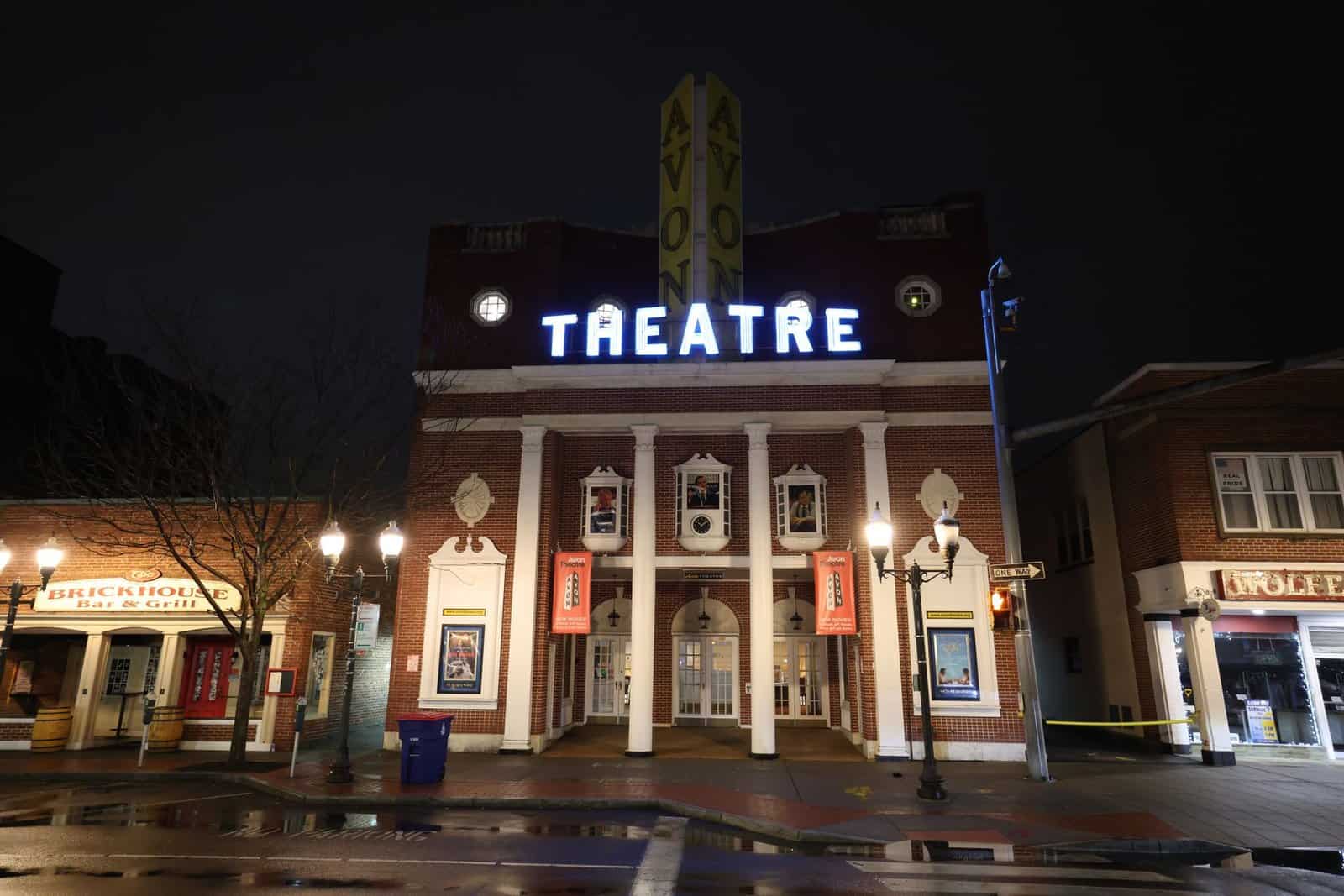
Staunton is an independent city in the Shenandoah Valley, about 150 miles southwest of Washington, D.C., and about 35 miles west of Charlottesville. The city, whose population was about 25,750 in the 2020 census, was founded in the 1740s and grew as a railroad and commercial center. Its downtown, which preserves a large collection of 19th-century buildings, rises up a hill from the old railroad depot. The city is often described as a place where historic preservation and the arts work together.
Culture drives the economy. People travel from across the region to attend plays, and students, faculty and staff keep downtown busy during the academic year. That support allows a small city to sustain bookshops, independent restaurants, galleries and a movie theater.
The theater: Blackfriars Playhouse
The American Shakespeare Center, founded in the 1980s, operates the Blackfriars Playhouse, which opened in 2001. It is a reconstruction of the indoor theater that Shakespeare’s company used in London, built of timber and lit with candlelight-style lamps. Performances follow what the company calls Shakespeare’s practices: the house lights stay on, actors speak directly to the audience and a small number of audience members sit on stage. The company performs Shakespeare’s plays, other classics and new works, and offers talks and educational programs.
The theater is intimate, with about 300 seats, so no seat is far from the action. Tickets vary by performance and seating, and shows are often sold out in peak seasons, so book ahead. A pre-show visit to the playhouse’s entrance hall or a nearby restaurant sets the tone. The company has also run a summer and fall season for years, with a lineup that changes, so check the schedule.
The college: Mary Baldwin University
Mary Baldwin University began in 1842 as the Augusta Female Seminary and has since become a university that serves both women and men, though it retains a historic focus on women’s education. Its campus sits on a hill overlooking downtown, with historic buildings, gardens and views of the Blue Ridge. Students, faculty and alumni are part of the city’s life. The university runs art exhibitions, lectures and concerts, and its theater and arts programs partner with local groups. Visitors can walk through the campus, which has a quiet, collegiate feeling.
Exploring Staunton Virginia Downtown
Walk the historic district
Staunton’s downtown has hundreds of historic buildings in styles from Italianate to Victorian, along with a hillside of Gothic and Queen Anne homes in the Gospel Hill and Newtown neighborhoods. A self-guided walk takes you past the old train station, the Wharf District with its brick warehouses and stairs and the Stonewall Jackson Hotel, a landmark that opened in the 1920s. Streets are compact and walkable, with benches, flower boxes and public art.
Visit the Woodrow Wilson birthplace
The Woodrow Wilson Presidential Library and Museum includes the Greek Revival manse where Wilson was born in 1856. Guided tours cover his life and presidency, with galleries on World War I and the League of Nations. The grounds include a garden. The site is worth a visit for history lovers, though Wilson’s legacy is complex, and the museum addresses that.
Explore the Frontier Culture Museum
On the edge of town, the Frontier Culture Museum is an outdoor living-history museum with reconstructed farms from England, Germany, Ireland and West Africa, plus an American frontier farm. Costumed interpreters demonstrate daily life of the 1700s and 1800s. It illustrates how settlers from different regions shaped the Shenandoah Valley, and it is good for families.
Browse shops and galleries
Downtown has bookstores, antiques shops, art galleries and gift stores, many run by locals. The Staunton Augusta Art Center shows regional artists. Queen City Mischief and Magic, a shop and theater, is a quirky stop. Check hours, since many shops close on Mondays or early in the evening.
Where to Eat and Stay
Staunton has a strong food scene for its size, with farm-to-table restaurants, pubs, bakeries and coffee shops. Many use Shenandoah Valley produce, meat and cheese. Reservations help on theater nights. Lodging includes historic hotels, bed-and-breakfasts in Victorian houses and chain hotels near the interstate. Prices rise on weekends, in October and on graduation weekends, so check rates.
Day Trips From Staunton
- Shenandoah National Park: The Blue Ridge Parkway and Skyline Drive are about 30 minutes east, with views and trails.
- Monticello and Charlottesville: About 45 minutes away, with historic sites, wineries and breweries.
- Lexington and the Virginia Military Institute: About an hour south, with historic streets and Washington and Lee University.
- Natural Bridge and caverns: Luray and Shenandoah Caverns are within easy drives.
- Hiking: The Appalachian Trail passes close to the region, with trailheads on the Blue Ridge ridge.
A Weekend Plan
On Friday evening, arrive and have dinner downtown, then see a show at Blackfriars if tickets are available. On Saturday morning, walk the historic district and visit the Wilson museum. After lunch, spend the afternoon at the Frontier Culture Museum or in the shops, and in the evening, attend another show or enjoy a restaurant in the Wharf District. On Sunday, take a drive on the Blue Ridge Parkway or hike a short trail before returning home.
Tips
- Book Blackfriars tickets and hotel rooms early for fall weekends.
- Park in public garages or lots, since downtown spots are limited.
- Wear comfortable shoes for the hills.
- Check the university calendar, since move-in and graduation affect traffic.
- Be respectful of residents in historic neighborhoods.
A Closer Look at a Night at Blackfriars
Attending a play at the Blackfriars Playhouse is different from a night at a conventional theater, and it helps to know what to expect. The lights stay on during the show, so you can see the faces of the actors and the people around you. Actors may speak to individual audience members, and they move through the aisles. Plays are often performed with a small cast, and actors play multiple roles, switching costumes in view. Music before the show and during intermission, played by the company, is part of the experience.
Choosing seats
Seating includes benches, chairs and a few seats on the stage, called gallant stools, which put you right inside the action. They are popular but come with etiquette: stay in your seat, keep your reactions in good humor and expect to be noticed. The upper gallery has a good overview of the stage. Because the room is small and mostly wooden, sound carries well, and even back rows hear clearly.
Beyond Shakespeare
The company performs Shakespeare, but it also stages other Renaissance plays, modern works and new adaptations, and it runs education programs for students and teachers. Some seasons include a festival of Shakespeare’s lesser-known plays. Check the current schedule for the shows on offer and the dates. You may want to read a short synopsis before attending, since language can be challenging at first. The staff are friendly and can recommend which performances are best for first-time visitors.
The Wharf and the Railroad Story
Staunton owes much of its growth to the railroad, which arrived in the 1850s and made it a trading hub for the valley. The Wharf Historic District, near the depot, has brick warehouses that once held goods and now hold restaurants, shops and offices. The Staunton Train Station, which still serves Amtrak’s Cardinal line a few times a week, is a short walk from downtown. Visitors who arrive by train find themselves close to everything.
The architecture
The city was rebuilt in the late 1800s after a fire and reflects the prosperity of the time, with ornate cornices, tall windows and brick facades. The architect T.J. Collins designed many of the buildings, and a printed or online walking tour can help you spot them. The hillside neighborhoods, such as Gospel Hill, show the variety of Victorian homes, with towers, porches and gingerbread trim. Walking uphill gives you views of the downtown rooftops and the Blue Ridge beyond.
A city built for walking
Because downtown is compact, you can park once and walk to most sights. Public staircases connect different levels of the city, and small plazas offer places to sit. Streets can be steep, so wear comfortable shoes. The city has worked to maintain sidewalks, bike lanes and public art, and it hosts markets and festivals throughout the year.
Events and Seasons
Staunton fills its calendar with events. The farmers market runs on Saturday mornings in season. Fall brings foliage, and the city holds festivals, art walks and holiday events. Winters are quiet but festive, with lights, shows and cozy restaurants. Spring is green and mild. Summer can be warm but pleasant at the valley’s elevation of about 1,400 feet.
Local flavor
Look for regional foods such as country ham, biscuits, apples and cider, along with Virginia wines and craft beers from the nearby valley. Several bakeries and cafes serve local products. If you like to cook, farm stands and specialty shops sell jams, cheeses and meats you can take home.
How the College and Theater Shape the Town Year-Round
The presence of the university and the theater company provides a stable base of jobs and visitors that keep downtown active even in slow months. Students give the place energy, and the arts attract people who spend money in restaurants and shops. This differs from towns that rely on a single tourist season. Staunton’s economy also includes health care, manufacturing and government, giving it a more balanced footing.
For residents, the combination means that a city of 25,000 has a theater, galleries, a farmers market and independent shops. For visitors, it means that a weekend visit can include culture, food and history without the crowds of larger tourist destinations.
A note on what the city is not
Staunton is not a big-city destination, and it does not have nightlife on the scale of a metropolis. Many restaurants close by 10 p.m., and some shops close on Mondays. It is also not a wilderness, but a historic town in a valley of farms and highways. Its appeal is its balance of small-town ease and cultural depth. Visitors who arrive with realistic expectations tend to enjoy it more.
The Takeaway
Staunton Virginia downtown is a small place with large ambitions. A replica Elizabethan theater and a historic college give it a cultural life that many bigger cities lack, and its Victorian streets reward slow exploring. Plan a weekend, see a play and walk the hills.