The Jersey Shore in the TV Show Is Seaside Heights. The Jersey Shore People Grew Up With Is a Different Coastline Entirely
We may earn money or products from the companies mentioned in this post. This means if you click on the link and purchase the item, I will receive a small commission at no extra cost to you ... you're just helping re-supply our family's travel fund.
MTV’s “Jersey Shore” filmed almost entirely in Seaside Heights, a single boardwalk town roughly in the middle of New Jersey’s 130-mile Atlantic coastline, and it flattened an entire regional identity into a caricature of tanning, fist-pumping, and guido culture that most people who actually grew up along the Jersey Shore find almost unrecognizable. The real Jersey Shore is a string of dozens of towns, each with a distinct character, class identity, and relationship to the water that has almost nothing to do with what a national audience saw on cable television starting in 2009.
The North-South Divide Locals Actually Care About
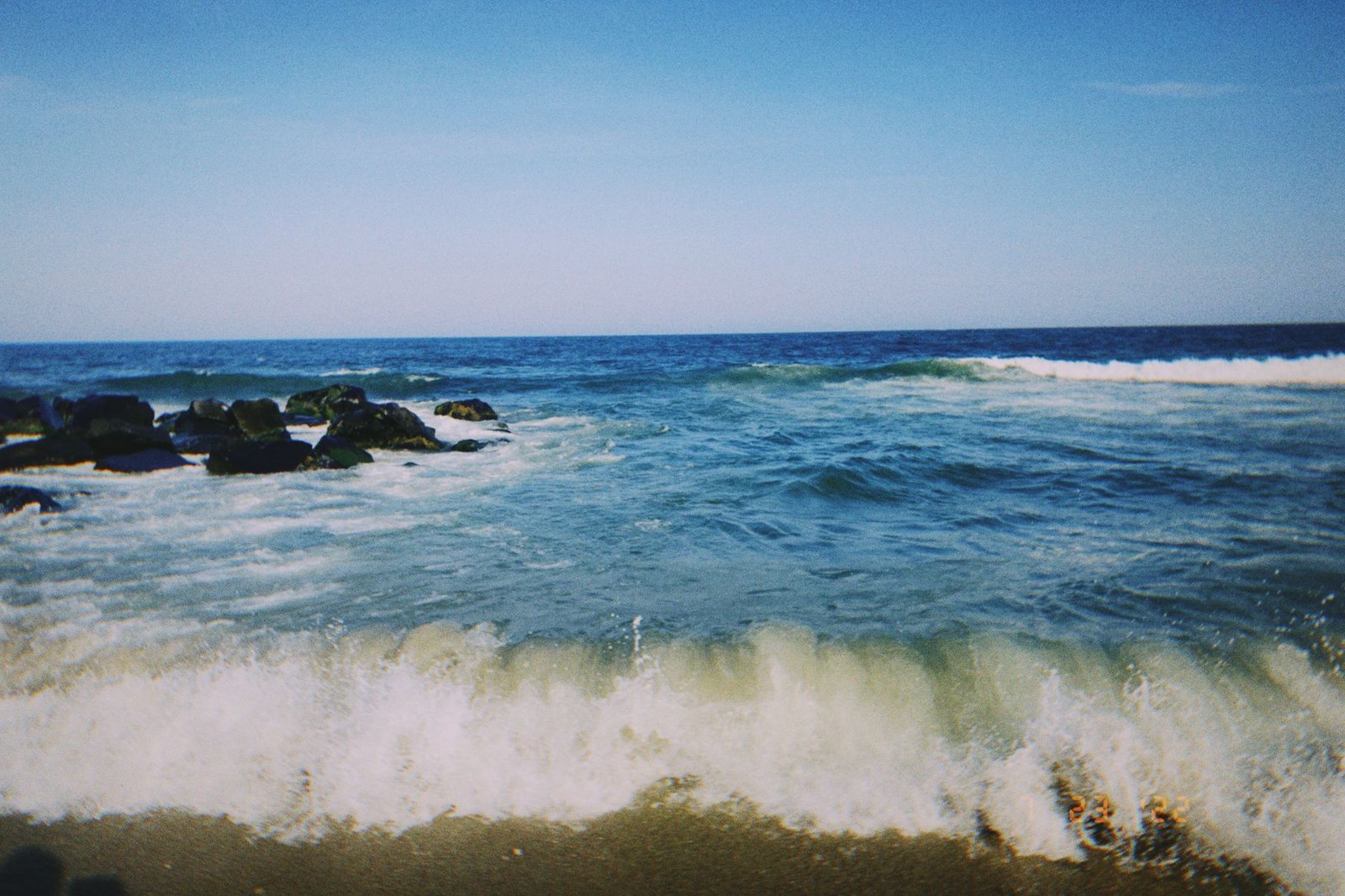
People from New Jersey generally understand the Shore as split into distinct sub-regions, and locals will correct you quickly if you conflate them. The Gold Coast towns closest to New York City — Sandy Hook, Sea Bright, Long Branch — have always had a different relationship to money and access, historically drawing wealthy New Yorkers since the Gilded Age, when presidents like Ulysses S. Grant summered in Long Branch. Moving south, towns like Spring Lake and Avon-by-the-Sea maintain a quiet, old-money, family-oriented character with strict no-alcohol-on-the-boardwalk rules and Victorian architecture that couldn’t be more different from Seaside Heights’ arcade-and-tattoo-parlor boardwalk fifteen miles south.
Further south still, Long Beach Island (LBI) functions as its own self-contained identity, a barrier island reachable by a single causeway that fills with generational family homes passed down for decades, while Atlantic City anchors a completely separate economy built around casinos rather than family beach tourism. Cape May, at the very southern tip, presents yet another version entirely: a preserved Victorian seaside town with a National Historic Landmark district, closer in feel to a New England resort town than anything associated with the MTV show.
Sandy Rebuilt the Coast, Not Just the Houses
Hurricane Sandy devastated much of the northern Jersey Shore in 2012, and the rebuilding that followed changed the region’s economic character as much as its physical one. Damaged homes were frequently replaced with larger, elevated new construction that pushed property values up sharply, and the region increasingly became a second-home market for the New York financial community, according to background compiled on Wikipedia’s Jersey Shore entry, drawing comparisons to the more established Hamptons and Long Island Gold Coast. Towns that were once solidly middle-class, working-family beach towns have gentrified substantially in the decade since Sandy, pricing out multi-generational local families in a pattern that echoes what’s happened along much of the East Coast.
- Gold Coast (Sea Bright, Long Branch): historic wealth, closest to NYC
- Spring Lake, Avon-by-the-Sea: quiet, family-oriented, alcohol-free boardwalks
- Seaside Heights, Point Pleasant: boardwalk, arcades, the “Jersey Shore” TV identity
- Long Beach Island: generational family homes, single-causeway access
- Cape May: preserved Victorian architecture, National Historic Landmark district
What “Down the Shore” Actually Means
The phrase New Jersey natives use — “going down the shore,” never “to the shore” or “to the beach” — carries a specific cultural weight that outsiders often miss entirely. It typically refers to a family tradition tied to a specific town, often the same rental house or family property returned to every summer for generations, not a generic beach vacation. Locals distinguish sharply between people who are “shore people,” meaning they grew up spending summers there, and tourists who show up for a single weekend expecting the version of the Jersey Shore they saw on television. That distinction matters more to people from New Jersey than almost any other regional identity marker in the state, precisely because the television version so thoroughly overwrote the more complicated, more varied reality for a national audience that never bothered to look past Seaside Heights.
The Boardwalk Culture That Doesn’t Travel Well on TV
What television could never really capture is how deeply routine and unglamorous most of “down the shore” life actually is for the families who live it. It’s not nightly parties; it’s the same boardwalk custard stand every summer since childhood, the same fudge shop, the same rental agency handling the same week in the same house for thirty consecutive years. Seaside Heights itself, before MTV arrived, was primarily known among locals as a working-class, family-friendly boardwalk town with a Ferris wheel and arcade games, catering largely to day-trippers from North Jersey and Pennsylvania rather than the party-driven reputation the show cemented nationally. Longtime Seaside Heights business owners have spoken publicly about the mixed blessing the show represented — a massive tourism boost paired with a reputational shift that many locals felt didn’t represent the town they grew up in.
What’s Happened Since Sandy, Town by Town
The rebuilding after Sandy played out unevenly across the coastline. Some towns, particularly those with the most storm damage and the most attractive locations for new investment, rebuilt into noticeably more upscale versions of themselves, with elevated, larger new homes replacing older bungalows. Other towns, further from the most severe damage or lacking the same investor appeal, rebuilt more conservatively and retained more of their pre-Sandy character and price points. The result is a coastline where the range between the least and most expensive towns has widened considerably since 2012, adding yet another layer of complexity to a region outsiders already tend to oversimplify into a single, cable-television-shaped idea of what the Jersey Shore is.
What outsiders ultimately miss by treating “the Jersey Shore” as a single, TV-defined place is the sheer range packed into 130 miles of coastline — a range that locals navigate instinctively but that takes most visitors years of repeat trips, town by town, to actually understand.
New Jersey’s own tourism board has leaned into the complexity rather than fighting it in recent marketing campaigns, promoting the range of shore experiences from Cape May’s Victorian charm to Wildwood’s classic boardwalk amusements, an implicit acknowledgment that the single, TV-flattened version of the Jersey Shore was never good marketing for the rest of the coastline’s genuinely different offerings. Longtime shore families tend to view this shift favorably, seeing it as a small but overdue correction to fifteen years of a single show defining an entire 130-mile stretch of coastline in the national imagination.