One Minneapolis Recovery, Three Very Different Neighborhoods—How Longfellow, Powderhorn, and Seward Are Rebuilding After 2020
We may earn money or products from the companies mentioned in this post. This means if you click on the link and purchase the item, I will receive a small commission at no extra cost to you ... you're just helping re-supply our family's travel fund.
George Floyd was killed at 38th Street and Chicago Avenue in south Minneapolis in May 2020, a corner that sits inside the Central neighborhood, blocks from Longfellow, Powderhorn, and Seward. Six years on, these neighborhoods have not returned to what they were before that spring — they have become something else entirely, shaped by fire damage that took years to clear, a wave of new investment that arrived unevenly across different blocks, and a population that shifted in ways the census data released since then makes visible in granular detail.
The unrest in the days after Floyd’s death destroyed or damaged more than 1,500 properties across the Twin Cities, according to insurance industry estimates compiled in the aftermath, with the heaviest concentration along Lake Street, which runs through the heart of these south Minneapolis neighborhoods. Some of those buildings sat as empty lots for years afterward. Others rebuilt faster than almost anyone expected them to at the time.
George Floyd Square Became a Permanent, Contested Memorial
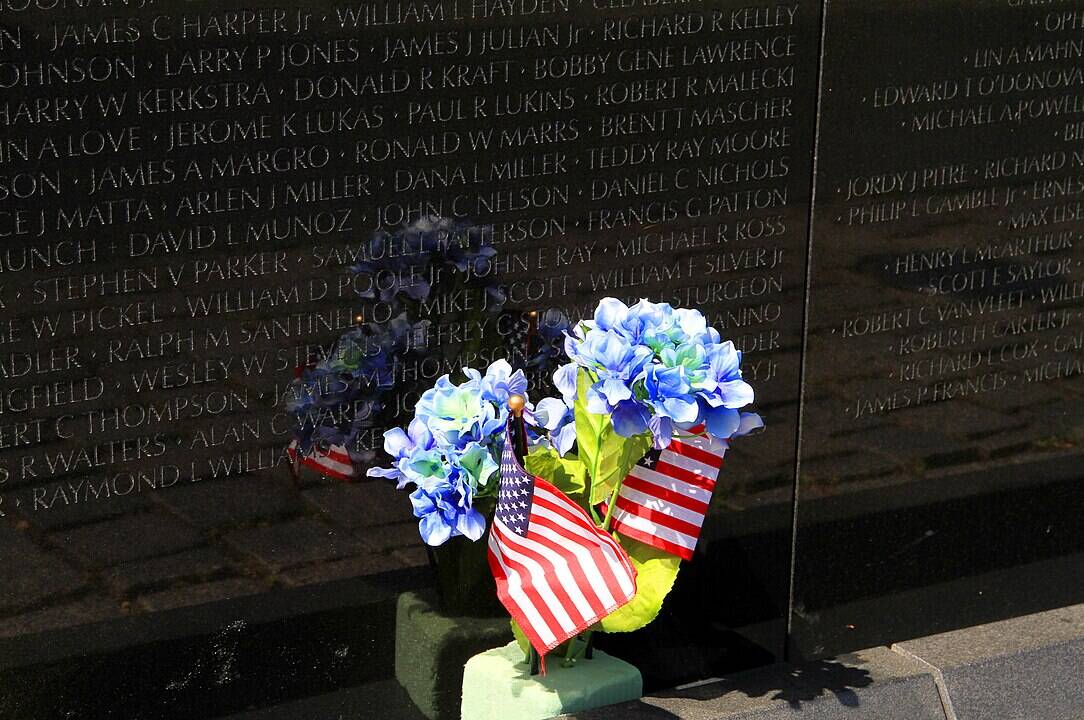
The intersection where Floyd died has never fully reopened to normal traffic in the way city officials initially planned it would. What locals call George Floyd Square remains a site of murals, memorials, and periodic protest activity, with the city and neighborhood residents locked in an ongoing negotiation over how much of the site should stay a memorial versus return to functioning as a normal city intersection. Businesses on the block report mixed fortunes from the arrangement — some benefit from visitors who come specifically to see the site, while others say the altered traffic patterns have genuinely hurt their day-to-day operations.
Powderhorn Park, just blocks away, became a symbol of a different kind in 2020 when it hosted an encampment of homeless residents that grew to hundreds of tents at its peak, part of a broader homelessness crisis that intersected directly with the unrest that summer. The park has since returned to normal recreational use, but the encampment period reshaped how the surrounding neighborhood thinks about its public spaces and what the city owes people living without housing.
Housing Prices Diverged By Block, Not By Neighborhood
Longfellow, generally considered the most stable of the three neighborhoods, has seen home values continue climbing steadily, with the neighborhood’s proximity to the Mississippi River, Minnehaha Park, and the Sabo pedestrian bridge continuing to draw buyers who want single-family homes within the city limits. Seward, anchored by its food co-op — one of the oldest in the country — and its proximity to the University of Minnesota, has maintained a strong renter and young professional base that keeps demand steady.
Powderhorn’s recovery has been the most uneven of the three. Lake Street corridor properties, particularly those destroyed in 2020, took years to redevelop, with some lots remaining vacant into 2023 and beyond due to insurance disputes, permitting delays, and the sheer cost of rebuilding commercial space in a neighborhood where rents didn’t necessarily support the new construction costs required.
What a Visitor Actually Finds Now
Lake Street today is a genuine mix: rebuilt storefronts with new murals sitting next to boarded-up lots, longtime Latino-owned businesses that never left standing alongside new restaurants opened by people betting on the neighborhood’s continued recovery. Midtown Global Market, a multicultural food hall inside a former Sears building on Lake Street, survived the unrest and remains one of the best places in the Twin Cities to get Somali, Mexican, and Vietnamese food all under one roof.
The neighborhoods retain what made them appealing before 2020 — walkability, park access, a genuine mix of housing stock, proximity to the river — but visiting now means understanding that you are seeing a place still actively working through what happened, not a neighborhood that has fully closed that chapter and moved past it.
What Longtime Residents Say Changed Most
Residents who have lived in these neighborhoods for decades describe a subtle but real shift in how the community relates to outsiders and to the city government downtown. Neighborhood associations that once focused mostly on zoning disputes and park maintenance now regularly discuss police reform, public safety alternatives, and how to memorialize what happened without freezing the neighborhood in a permanent state of crisis response.
That tension — between honoring what happened and letting the neighborhood function as a normal place to live, shop, and raise a family — shows up in city council meetings, in local business association debates, and in the informal conversations that happen on porches along these same streets every summer.
Seward’s food co-op, founded in the early 1970s as part of a wave of cooperative grocery stores across the Twin Cities, expanded rather than contracted in the years after 2020, adding a second location and doubling down on a model that ties neighborhood identity to a specific institution in a way few other American neighborhoods can claim. Longfellow’s proximity to Minnehaha Falls, a genuine waterfall inside city limits, continues to anchor the neighborhood’s appeal to families who want urban convenience without giving up green space entirely.
Small business owners along Lake Street who reopened after 2020 frequently describe navigating a patchwork of city grants, insurance payouts, and community fundraising campaigns that took years to fully resolve, with some rebuilding projects still finishing interior work well after their storefronts reopened to the public. The pace of recovery has become its own local news beat, tracked block by block by neighborhood associations and local reporters in a way few other American commercial corridors have been followed so closely for so long after a single event.
Visitors who come to the area now, whether out of curiosity about what happened or simply because they are staying nearby, tend to find a genuinely functioning set of neighborhoods rather than a static memorial district. Restaurants along Lake Street still fill up on weekend nights, Minnehaha Park still draws families for picnics along the creek, and the Seward and Longfellow farmers markets still run on their normal seasonal schedule, all happening within walking distance of a corner that remains one of the most photographed intersections in recent American history.