Bend’s Growth Is Sending People to Sisters, Oregon — 3,100 Residents Live Beneath 3 Volcanic Peaks, Ready or Not
We may earn money or products from the companies mentioned in this post. This means if you click on the link and purchase the item, I will receive a small commission at no extra cost to you ... you're just helping re-supply our family's travel fund.
Sisters, Oregon sits at about 3,180 feet elevation on the eastern edge of the Cascade Range, named for the three volcanic peaks — Faith, Hope, and Charity, though most locals just say North, Middle, and South Sister — that rise directly behind its Western-themed downtown storefronts. The town has a population that hovers around 3,100 people, and it has become the accidental beneficiary and casualty of Bend’s explosive growth twenty miles to the south over the past two decades.
Bend’s population roughly doubled between 2000 and 2020, driven by tech remote workers, retirees, and outdoor recreation enthusiasts chasing a specific lifestyle, and it pushed housing costs high enough that people who wanted small-town access to the same Cascade recreation started looking seriously at Sisters, Redmond, and other high desert towns nearby that hadn’t yet caught the same wave.
The High Desert Economy Runs on Tourism and Ranching at the Same Time
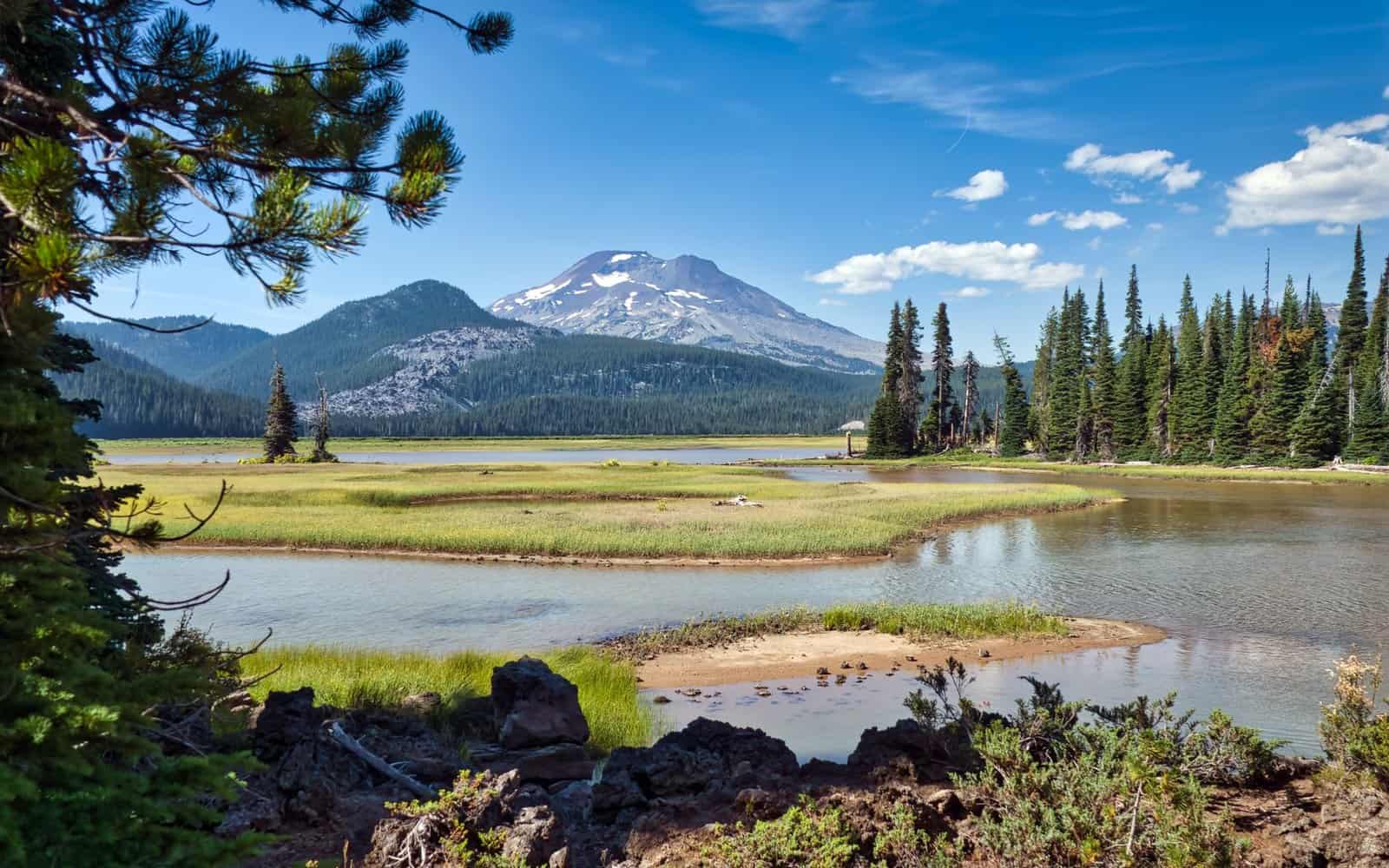
Sisters sits in a genuinely strange ecological zone — high desert with ponderosa pine forest, receiving under 12 inches of rain annually despite being surrounded by mountains that catch some of the heaviest snowfall in Oregon each winter. This creates an economy split between working cattle ranches on the outskirts of town and a downtown built almost entirely around tourism, anchored by the Sisters Rodeo, running since 1940, and the Sisters Outdoor Quilt Show, which turns the entire downtown into an open-air gallery each July and draws tens of thousands of visitors in a single weekend.
The town’s Western storefront architecture is a deliberate design code, not historical accident — Sisters adopted zoning requirements in the 1970s mandating that new construction match an Old West aesthetic, which is why a town of 3,100 people has a downtown that looks like a movie set and functions as one of the more heavily photographed small towns in the entire state of Oregon.
What Bend’s Growth Actually Did to Its Smaller Neighbors
Median home prices in Sisters climbed sharply through the pandemic years, tracking a similar trajectory to Bend but from a smaller base, pricing out some longtime residents and second-generation ranching families even as it brought new restaurants and a noticeably stronger arts scene to the downtown core. Redmond, a larger and more affordable neighbor with the regional airport, absorbed a different slice of Bend’s overflow — families and workers who needed lower housing costs but still wanted reasonable proximity to Bend’s job market.
The dynamic isn’t unique to central Oregon, but the scale of it is unusual: Deschutes County’s population grew by more than 25% in a single decade, one of the fastest rates in the state, concentrated overwhelmingly in Bend itself but rippling outward to every town within roughly a 30-minute drive of the city center.
- Sisters Rodeo: running annually since 1940, draws competitors and crowds each June
- Sisters Outdoor Quilt Show: turns downtown into a gallery every July, one of the largest quilt shows in the country
- Three Sisters Wilderness: trailheads minutes from downtown lead into some of Oregon’s most dramatic alpine terrain
- Metolius River: a spring-fed river near Sisters known for its clarity and fly fishing
Why the Volcanoes Matter Beyond Scenery
The Three Sisters are part of the Cascade volcanic arc, and while none are considered a major near-term eruption risk compared to Mount St. Helens or Mount Hood, South Sister has shown periodic signs of magma movement in past decades that geologists at the Cascades Volcano Observatory monitor closely as a matter of routine. For most visitors, though, the peaks simply serve as the backdrop to some of the best accessible alpine hiking in Oregon, with trailheads a short drive from a downtown that still closes some streets for rodeo parades every June.
Sisters’ school district and local government have had to plan for a population that swells dramatically during summer weekends without a corresponding increase in year-round infrastructure, a mismatch that shows up in strained parking, water systems built for a smaller town, and a volunteer fire department that covers a service area far larger than its full-time staffing would suggest is manageable.
What Longtime Residents Say About the Trade-Off
Ranching families who have worked land around Sisters for generations describe a complicated relationship with the tourism economy that now dominates the town’s public image. The same visitors whose spending keeps downtown shops open also drive up land values to a point where expanding or even maintaining a working ranch becomes financially difficult, especially as neighboring parcels get subdivided for vacation homes rather than sold to other agricultural operations.
Younger residents who moved to Sisters specifically to escape Bend’s prices increasingly find themselves having the same conversation Bend residents were having a decade earlier, just one rung down the price ladder — a pattern central Oregon real estate agents describe as growth simply moving outward one town at a time rather than actually slowing down.
The town’s small size means these debates play out in intensely personal ways rarely seen in larger cities — the rancher whose family sold land to a developer is a neighbor, sometimes a relative, of the person now paying property taxes on a subdivided parcel that used to be pasture. Sisters City Council meetings, once sparsely attended affairs about sewer easements, now regularly draw crowds concerned about short-term rental regulations and water rights in a high desert basin that was never designed to support this many households.
Wildfire risk adds another layer that didn’t weigh as heavily on the town’s planning a generation ago. Sisters sits surrounded by ponderosa pine forest that has burned repeatedly in the surrounding national forest over the past twenty years, and the same growth that has brought new subdivisions closer to the tree line has also brought more people into the highest-risk wildfire zones, a tension local fire officials raise every summer as red flag warnings become a near-annual feature of the high desert calendar.
Smoke from wildfires elsewhere in Oregon and California now regularly blankets the town for stretches of late summer, a seasonal reality that has become part of how both residents and visitors plan their trips, checking air quality indexes the way people elsewhere check the chance of rain before deciding whether a hike is worth attempting that day.