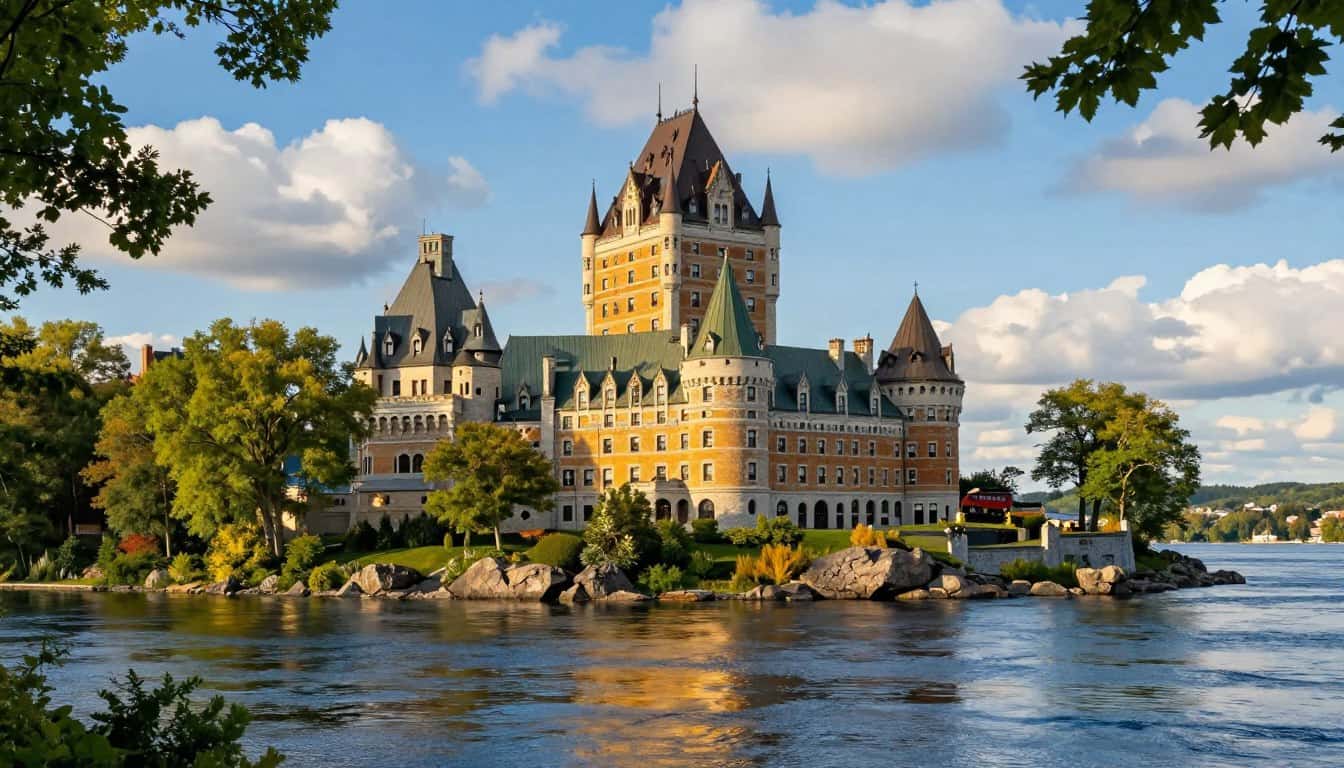
This Southern City Packs Antebellum Homes, Allman Brothers Roots, and a Cherry Blossom Festival—Here’s Why Travelers Shouldn’t Skip Macon
We may earn money or products from the companies mentioned in this post. This means if you click on the link and purchase the item, I will receive a small commission at no extra cost to you ... you're just helping re-supply our family's travel fund.
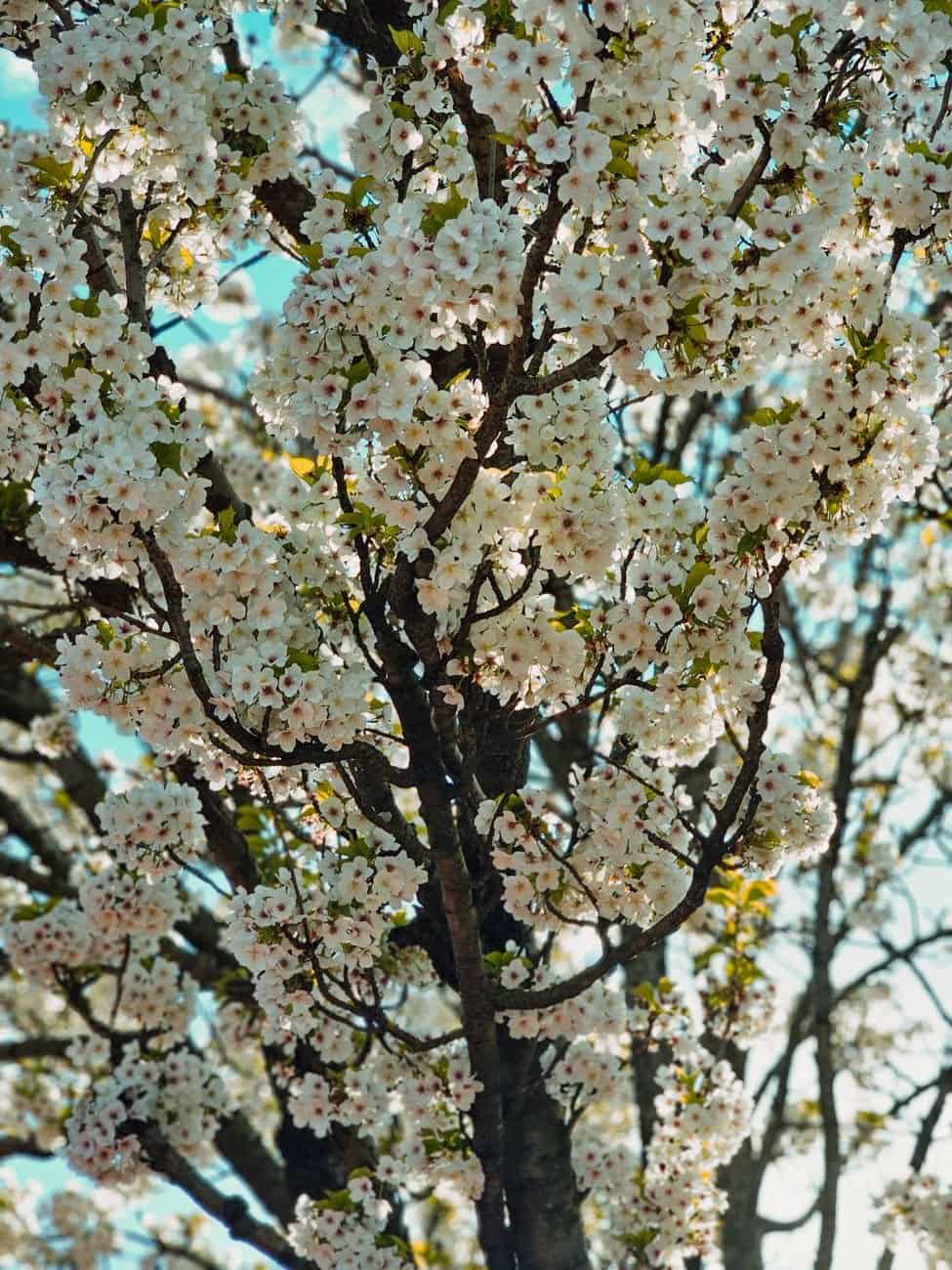
Macon, Georgia sits on the fall line of the Ocmulgee River, roughly halfway between Atlanta and Savannah, and it has spent decades being the city Southern road trippers pass on the highway rather than a place they plan to stop and explore. That reputation is based on outdated information about what the city actually offers. Macon has more than 5,500 blooming Yoshino cherry trees planted across the city — more than Washington, D.C.’s celebrated collection along the Tidal Basin — and the city’s International Cherry Blossom Festival each March draws crowds that Macon’s tourism bureau estimates in the hundreds of thousands over its ten-day run each spring.
The trees exist because of one man. Macon businessman William Fickling discovered a single Yoshino cherry sapling growing wild in his yard in 1952, traced its origin back to a local nursery shipment, and spent much of the rest of his life propagating and giving away the trees around the city for free, eventually helping found the festival to celebrate them each year. Macon now markets itself as the ‘Cherry Blossom Capital of the World,’ a designation that surprises most people outside Georgia who have simply never heard the claim before.
The Allman Brothers Built Southern Rock Here
Macon became the unlikely headquarters of Southern rock in the early 1970s when Capricorn Records, founded by local music executive Phil Walden, signed the Allman Brothers Band and built an entire regional music scene around them and other Southern acts. The Big House, a Tudor-style mansion on Vineville Avenue where band members lived communally between 1970 and 1973, is now a museum housing one of the largest collections of Allman Brothers memorabilia anywhere in the world, including Duane Allman’s guitars, handwritten lyrics, and stage-worn clothing preserved by the family and fan community that continues to maintain the site today.
The band’s connection to Macon runs deeper than a rental house where they wrote some of their best-known material of the era. Duane Allman and bassist Berry Oakley are both buried in Rose Hill Cemetery, the same sprawling Victorian-era cemetery along the Ocmulgee River that inspired some of the band’s early imagery and songwriting, and fans still visit their graves decades after both men died in separate motorcycle accidents just over a year apart in the early 1970s, cementing Macon’s place in American rock history in a way that outlived the band’s active years actually spent living there.
Capricorn Records itself, though it went bankrupt in the early 1980s, left an outsized legacy on the city’s identity — a legacy Macon has leaned into more deliberately in recent years, with efforts to restore the old Capricorn Sound Studios building and incorporate it into a broader downtown music heritage push that also includes the Otis Redding Foundation, honoring another Macon-born musical legend whose statue stands in a downtown riverside park.
The Architecture Survived the Civil War Almost Intact
Macon has one of the largest and best-preserved collections of nineteenth-century architecture anywhere in the American South, largely because the city was spared the widespread destruction that leveled Atlanta and other Georgia cities during the Civil War. The Hay House, an Italian Renaissance Revival mansion completed in 1859, is frequently cited by architectural historians as one of the finest surviving antebellum houses in Georgia, featuring an innovative ventilation, plumbing, and speaking-tube communication system that was remarkably advanced for a home built decades before indoor plumbing was common anywhere in the country.
The historic district contains hundreds of contributing structures spanning multiple architectural styles, from Greek Revival columns to ornate Victorian trim, concentrated in neighborhoods like Intown Macon and along tree-lined streets such as College Street and High Street. Unlike Savannah, which built an entire modern tourism economy around this same kind of architectural inheritance, Macon’s historic homes remain comparatively undervisited by national and international tourists, which locals will tell you is either a genuine shame for the local economy or a quiet blessing, depending entirely on how they feel about Savannah’s crowding problem.
What the Cherry Blossom Festival Actually Costs the City to Run — and Draws In
The festival, first held in 1982, has grown into one of the largest annual festivals anywhere in the Southeast, with attendance figures that Macon’s tourism bureau has put at several hundred thousand visitors across its full ten-day run each March. Most individual events are free to attend, funded through corporate sponsorships and the city’s tourism budget, with the underlying theory being that visitor spending on hotels, restaurants, and parking during the run more than covers the public investment required to stage the whole event every spring.
Beyond the festival itself, Macon’s food and music scene runs on a similar second-tier-city logic: rents low enough that longstanding institutions like the H&H Restaurant — a soul food institution famous for feeding the broke, then-unknown Allman Brothers Band for free in the late 1960s when the musicians genuinely couldn’t afford to pay — can survive for decades on a loyal working-class customer base rather than needing constant tourist turnover just to stay open.
- The Big House Museum: the Allman Brothers’ communal home, open to visitors with timed tickets
- Rose Hill Cemetery: Victorian-era cemetery and final resting place of Duane Allman and Berry Oakley
- Hay House: 1859 Italian Renaissance Revival mansion open for guided tours
- Ocmulgee Mounds National Historical Park: Native American earthworks dating back more than 1,000 years, on the edge of downtown
A Downtown Built for Walking, Not Just Driving Through
Macon’s compact downtown grid, laid out in the early nineteenth century, makes it one of the more walkable mid-size Southern cities once visitors actually park the car, with restaurants, museums, and the historic Grand Opera House all within a short distance of each other along Cherry Street and Mulberry Street. The Grand Opera House itself, built in 1884 and once billed as the largest theater south of Philadelphia, still hosts touring performances and anchors a stretch of downtown that has seen steady if modest reinvestment over the past fifteen years.
Mercer University, a private university founded in 1833, adds a modest but steady student population to the downtown core, supporting coffee shops and bars that might not otherwise survive on tourist traffic alone during the many weeks of the year when the cherry blossoms have long since fallen and the festival crowds have gone home.