Everyone Has Heard of Bozeman Now. The People Who Live There Are Still Adjusting to What That Actually Means.
We may earn money or products from the companies mentioned in this post. This means if you click on the link and purchase the item, I will receive a small commission at no extra cost to you ... you're just helping re-supply our family's travel fund.
Bozeman, Montana’s population has grown by roughly 30 percent over the past decade, crossing 55,000 residents in a town that felt like a modest college and ranching community as recently as the early 2010s. Montana State University has always anchored the town, but the newer growth has come almost entirely from remote workers, wealthy second-home buyers, and companies relocating specifically to tap into the “Bozeman lifestyle” — proximity to Yellowstone, world-class fly fishing, and ski access at Bridger Bowl, all wrapped in a town small enough to still feel walkable.
The specific mechanism behind Bozeman’s growth
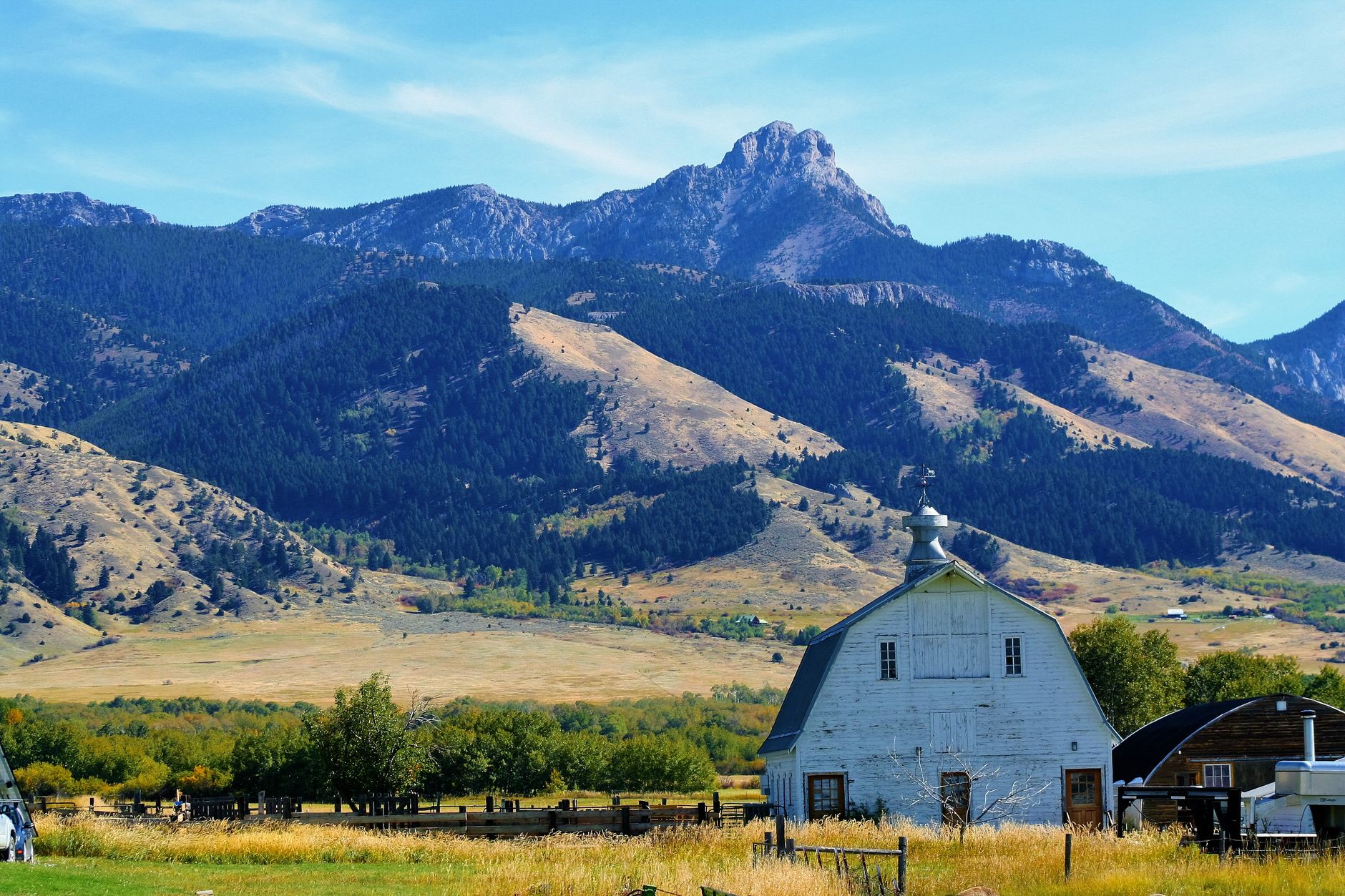
Bozeman’s transformation accelerated sharply during and after 2020, when remote work removed the traditional requirement of living near an employer, and a specific cultural moment — heavily amplified by shows filmed in the broader Yellowstone region and by a wave of California and coastal buyers seeking space and lower density — turned Bozeman from a well-regarded regional college town into a nationally recognized relocation target almost overnight. Median home prices in Gallatin County, which includes Bozeman, have climbed to levels that would have been unthinkable a decade earlier, frequently exceeding $700,000, a number that bears little relationship to local wages, which remain anchored by university salaries, tourism and hospitality jobs, and a healthcare sector that, while growing, doesn’t pay Silicon Valley or Wall Street relocation-era wages.
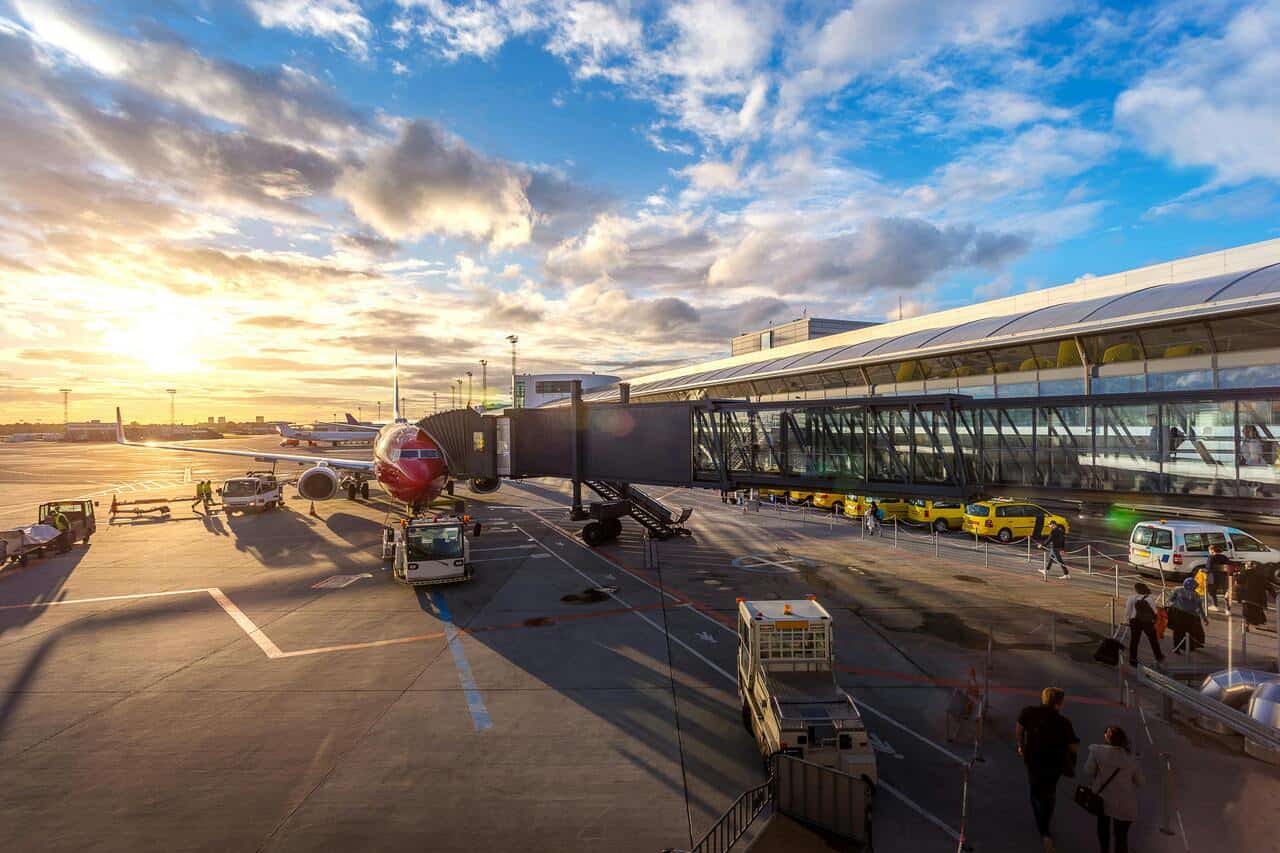
The airport tells its own story: Bozeman Yellowstone International has become one of the fastest-growing airports in the country by passenger volume, adding direct flights from major coastal hubs that simply didn’t exist a decade ago, specifically because airlines recognized sustained demand from wealthy travelers and new residents rather than purely seasonal Yellowstone tourism.
Restaurant and retail turnover downtown has accelerated noticeably, with several longtime local businesses closing in recent years after lease renewals came in at rates that reflected the town’s new land values rather than its historical, more modest commercial rents. Some of those spaces have been replaced by outposts of brands more commonly seen in Aspen or Jackson Hole, a shift that longtime residents point to as one of the clearest, most visible signs that Bozeman’s retail identity is being reshaped by the same wealth that’s reshaped its housing market, whether or not that shift matches what the town’s original character actually was.
What locals actually say has changed
Longtime residents describe a town that’s become harder to recognize in specific, concrete ways: traffic that didn’t exist a decade ago on roads never designed for the current volume, a workforce housing shortage severe enough that local employers, including the hospital and school district, have struggled to recruit and retain staff who can’t find anywhere affordable to live within a reasonable commute, and a downtown that’s shifted its retail mix toward higher-end boutiques and restaurants that price out exactly the kind of longtime local business that gave the town its original character. Montana State University students increasingly compete with wealthy transplants for the same limited rental housing stock, a dynamic that’s pushed rental prices in a college town to levels usually associated with major coastal cities.
What’s actually still there, underneath the growth
- Bridger Bowl ski area, still locally owned and known for lighter lift-ticket prices than comparable Colorado resorts
- The Gallatin River and world-class fly fishing access within a short drive
- Yellowstone National Park’s north entrance roughly 90 minutes away
- Montana State University’s continuing role as an economic and cultural anchor independent of the relocation boom
Whether Bozeman is still “worth it” depends entirely on who’s asking
The city and Gallatin County have responded with a series of workforce housing initiatives, including deed-restricted affordable units tied to local income requirements and a community land trust model aimed at keeping some housing stock permanently out of the speculative market. These efforts remain small relative to the scale of the problem, producing dozens or low hundreds of units against a shortage that local housing advocates estimate in the thousands. Montana’s broader political environment has also shifted in response, with state lawmakers debating short-term rental regulations and property tax relief measures specifically because Bozeman’s growth has become a statewide talking point, not just a local one, illustrating how a single town’s transformation can reshape debates far beyond its own city limits.
For a wealthy remote worker or retiree, Bozeman still delivers largely what it promises — genuine mountain access, a real town center, and a lifestyle that coastal money can now buy in a way it couldn’t as easily a decade ago. For the people who built the town before that money arrived — university staff, service workers, longtime ranching families on the valley’s edges — the calculus has shifted much less favorably, and the tension between those two groups now defines nearly every local political fight in Gallatin County, from zoning battles to school funding to water rights, in a way that Bozeman’s earlier, smaller version never had to contend with.
Wildlife and public land access remain the one area where Bozeman’s transformation hasn’t fundamentally changed the underlying deal, since federal land surrounding the town, including the Gallatin National Forest, isn’t subject to the same private development pressure reshaping the town itself. That distinction matters more than it might seem: no matter how expensive Bozeman real estate becomes, the actual wilderness access that drew people there in the first place remains largely intact and legally protected, which is part of why even priced-out longtime residents often describe a complicated, unresolved relationship with the town rather than simple resentment — the thing they loved most about it hasn’t disappeared, even as almost everything else around it has changed.