All-Inclusive Resorts Advertise One Flat Price—Here’s What the Fine Print Can Mean for Your Vacation
We may earn money or products from the companies mentioned in this post. This means if you click on the link and purchase the item, I will receive a small commission at no extra cost to you ... you're just helping re-supply our family's travel fund.
All-inclusive resorts have built their entire marketing appeal around the promise of a single flat price covering meals, drinks, and activities, a simplicity that has driven substantial growth in the category over the past two decades, particularly across the Caribbean and Mexico, but the actual business economics behind that flat price depend heavily on a combination of premium upsells, strategic portion and ingredient cost control, and a pricing model actuarially similar to how insurance companies price coverage against average, rather than worst-case, guest consumption patterns.
Resort operators calculate their all-inclusive pricing based on statistical averages of how much food, alcohol, and activity access a typical guest actually consumes during a stay, a model that works profitably precisely because most guests consume meaningfully less than the theoretical maximum value of what their all-inclusive package technically entitles them to use.
How Resorts Price All-Inclusive Packages to Guarantee Profitability
Resort revenue management teams analyze detailed guest consumption data, average drinks per day, average meals eaten at included restaurants versus skipped meals, average participation rates in included activities, to set all-inclusive pricing at a level that remains profitable even though a small percentage of guests will consume dramatically more than the package’s average assumed value.
This statistical approach means the guests who eat and drink the least relative to their package’s theoretical maximum value are effectively subsidizing the resort’s margin on the smaller number of guests who consume aggressively, a cross-subsidization model conceptually similar to how insurance pricing works, where most policyholders pay in more than they draw out specifically so the pool can cover the smaller number who need more.
The Premium Upsell Categories That Actually Drive Resort Profitability
Nearly every major all-inclusive resort maintains a tier of premium options excluded from the base package, top-shelf liquor brands, specialty a la carte restaurants requiring reservations and sometimes additional fees, spa treatments, and premium excursions, categories specifically designed to capture additional revenue from guests willing to spend beyond their included package.
Resort operators have become increasingly sophisticated about positioning these premium upsells throughout a guest’s stay, often through strategically placed reservation systems for the best specialty restaurants or curated excursion packages presented during check-in, converting a meaningful share of guests who initially chose an all-inclusive resort specifically to avoid additional spending decisions into paying for exactly the kind of add-on purchases the base package was designed to make unnecessary.
How Ingredient and Portion Strategy Shapes the Guest Experience
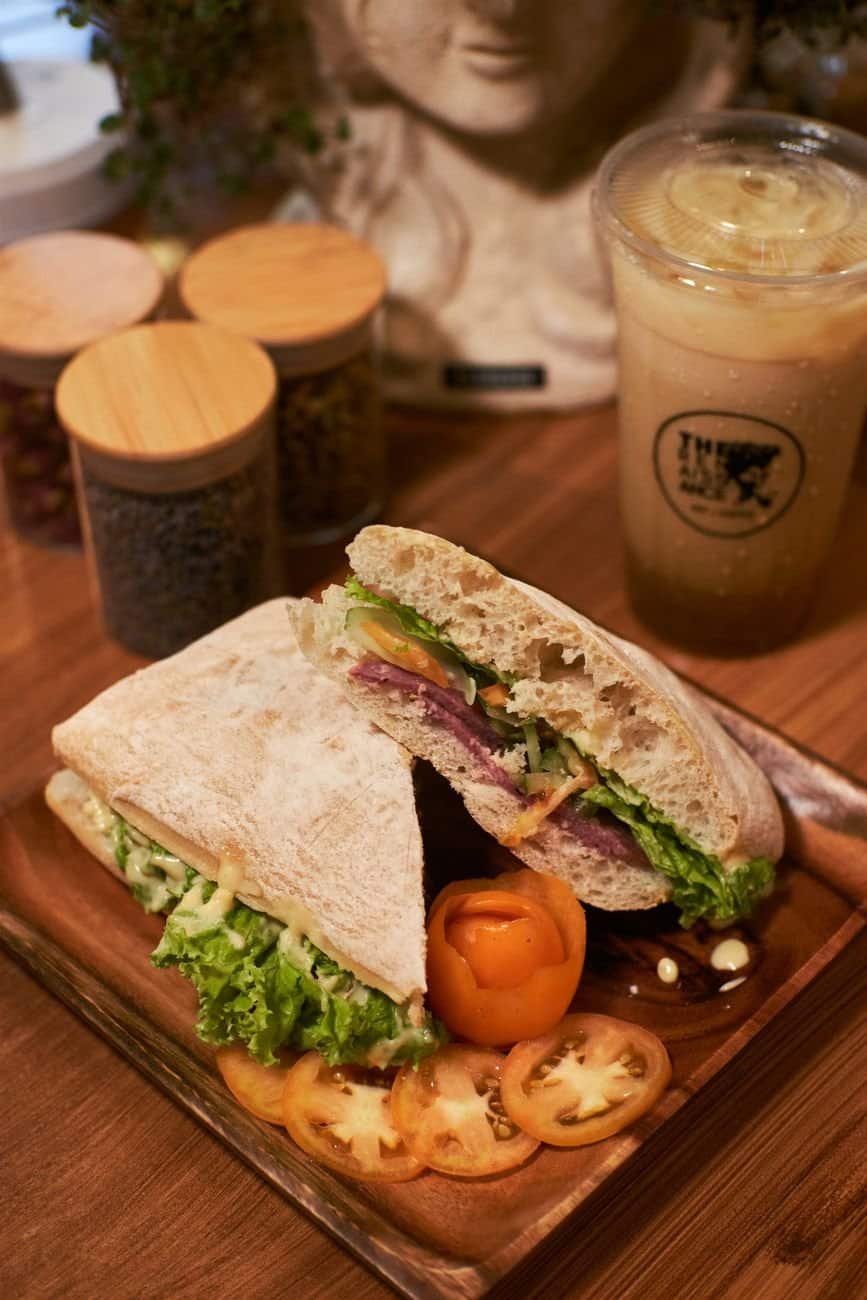
All-inclusive resorts manage food costs through a combination of strategic menu design, favoring less expensive proteins and ingredients in high-volume buffet settings while reserving premium ingredients for smaller-portion specialty dining options, and careful portion control that guests rarely notice consciously but that food and beverage directors calculate meticulously against the resort’s overall per-guest cost targets.
This cost management explains why guest experiences can vary so dramatically even within resorts marketed under the same all-inclusive brand, since individual property management teams have real discretion over exactly how tightly to manage these food and beverage costs relative to guest satisfaction scores, a tradeoff that shapes everything from buffet variety to how readily bartenders pour a genuinely generous drink.
What Savvy Travelers Have Learned About Maximizing All-Inclusive Value
Experienced all-inclusive travelers increasingly research specific resort review data focused on food quality and premium restaurant reservation availability before booking, recognizing that the all-inclusive label itself guarantees remarkably little about actual quality or value across different properties and price tiers within the same broad category.
Booking directly during a resort’s own promotional periods, when premium restaurant reservations or activity credits are sometimes included as limited-time incentives, has become a specific strategy serious all-inclusive travelers use to extract meaningfully more value from a stay than the base package alone would provide, effectively capturing some of the upsell revenue the resort’s own pricing model was designed to capture from less informed guests.