Michigan’s Upper Peninsula Is Bigger Than Vermont and New Hampshire Combined. Fewer People Live There Than in a Single Detroit Suburb.
We may earn money or products from the companies mentioned in this post. This means if you click on the link and purchase the item, I will receive a small commission at no extra cost to you ... you're just helping re-supply our family's travel fund.
The Upper Peninsula spans roughly 16,400 square miles, bigger than Vermont and New Hampshire put together, and it’s home to fewer than 300,000 people total — a population density so low that several counties have fewer than 10 people per square mile. It’s connected to the rest of Michigan only by the Mackinac Bridge, a five-mile suspension bridge that opened in 1957 and remains one of the longest in the world, and the entire region operates on a set of economic and cultural rules that have almost nothing in common with the auto-industry identity most people associate with the state.
What actually sustains the UP economically
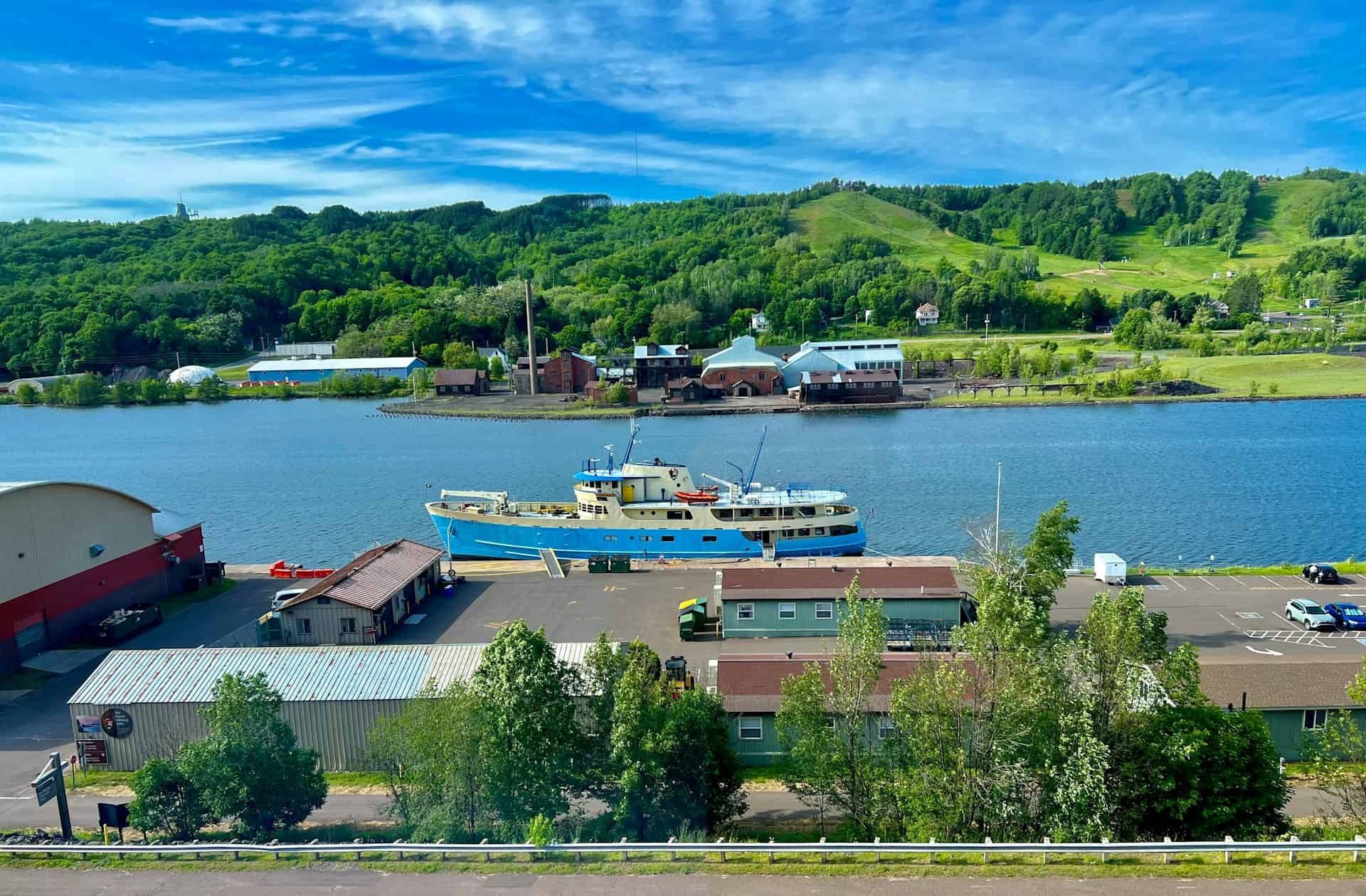
Mining built the UP’s early economy — copper around the Keweenaw Peninsula and iron ore around Marquette and the Menominee Range drove settlement patterns through the 19th and early 20th centuries, and towns like Calumet still show the wealth that copper money briefly generated, with an opera house and downtown architecture that feel wildly out of scale for a town of a few thousand people today. That mining economy largely collapsed over the 20th century, and what replaced it was a mix of tourism, forestry, and a shrinking manufacturing base, plus a meaningful year-round population of retirees and remote workers drawn by extremely low property costs and genuine wilderness access.
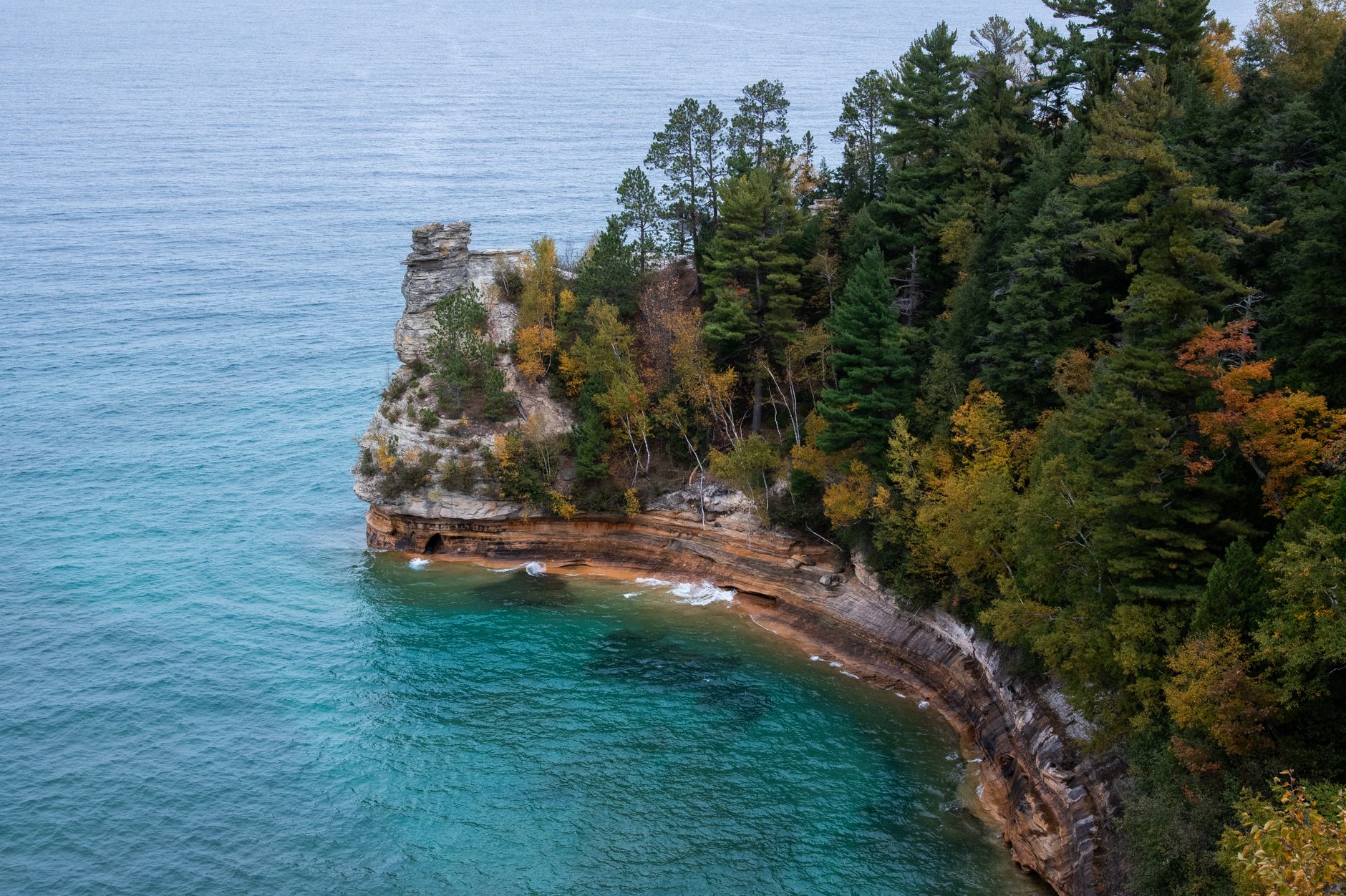
Tourism runs almost entirely on outdoor recreation rather than built attractions — Pictured Rocks National Lakeshore along Lake Superior, Isle Royale National Park (one of the least-visited national parks in the country specifically because it’s only reachable by boat or seaplane), and a snowmobiling culture in winter that rivals anything in northern Minnesota or Wisconsin. Summer tourism from downstate Michigan and neighboring Wisconsin sustains small towns along Lake Superior and Lake Michigan’s shoreline, but the season is short and sharply defined, typically running from Memorial Day through Labor Day, with a secondary bump for fall color.
The Ojibwe and other Native communities have deep historical roots throughout the UP that predate European settlement by centuries, and several federally recognized tribes, including the Keweenaw Bay Indian Community and the Sault Ste. Marie Tribe of Chippewa Indians, maintain reservation lands and cultural centers throughout the region. Casino gaming operated by these tribal governments has become a meaningful part of the UP’s modern economy, providing both employment and, through revenue-sharing agreements, funding for tribal services that the broader regional economy’s mining-and-tourism base doesn’t otherwise support at the same scale.
The actual cost comparison between living there and visiting
Living in the UP is remarkably cheap by national standards — median home prices in most UP counties sit well under $200,000, and property taxes are correspondingly low, but wages track the low cost of living closely, meaning the affordability doesn’t translate into disposable income the way it might for a remote worker earning a coastal salary while living rurally. Visiting is a different calculation entirely: lodging is inexpensive by national park standards, but the region’s remoteness means gas costs add up fast across distances that would be unremarkable in Texas but feel enormous in a region with few direct highways, and grocery and restaurant options thin out considerably outside Marquette, the UP’s largest city at around 20,000 people.
What defines a real UP trip
- Pictured Rocks National Lakeshore, best seen by boat tour or kayak for the full cliff formations
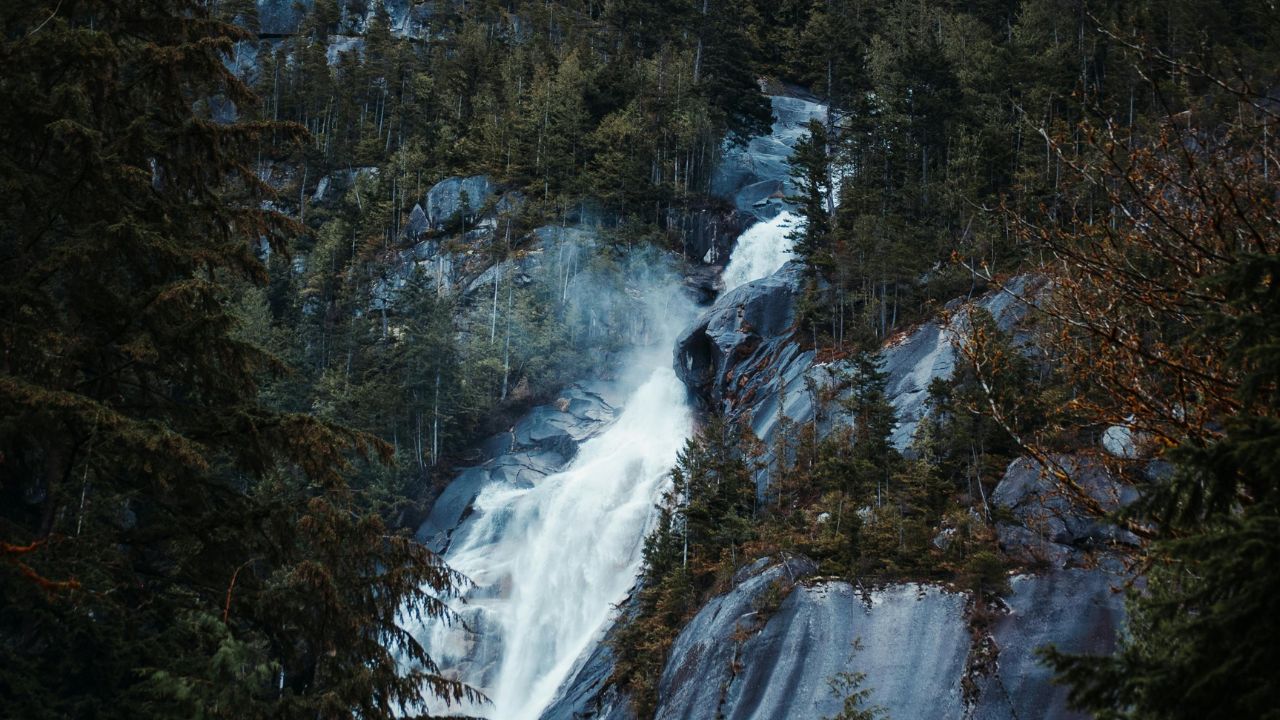
- Tahquamenon Falls, one of the largest waterfalls east of the Mississippi by volume
- Isle Royale, requiring a ferry or seaplane and typically a multi-day backcountry commitment
- Marquette, the closest thing the UP has to a real city, with a walkable downtown and Northern Michigan University
- Winter visitors should expect genuinely extreme snowfall — some areas near Lake Superior average over 200 inches a season
A category of its own, deliberately
Cell service and broadband access remain genuinely unreliable across large stretches of the UP, a detail that shapes daily life in ways downstate Michiganders rarely have to think about. Entire highway corridors, including parts of US-2 along the Lake Michigan shoreline, still have dead zones long enough to matter for anyone relying on GPS navigation or expecting to make a phone call. That connectivity gap has become a genuine economic development issue for the region, since it limits the remote-work opportunities that have revitalized similarly remote areas elsewhere in the country, even as the UP’s natural beauty and low cost of living would otherwise make it an obvious candidate for that same kind of population influx.
Yoopers — the regional nickname residents use for themselves, derived from “U.P.’er” — maintain a distinct cultural identity that occasionally floats secessionist jokes about forming a separate state called Superior, only half in jest given how disconnected the region genuinely feels from Michigan’s political and economic center of gravity downstate. That isolation is exactly the point for many residents and repeat visitors: the UP offers a version of the northern Great Lakes that’s harder to reach and less developed than comparable regions in Minnesota or northern Wisconsin, which keeps both its wilderness and its population numbers exactly as small as the people who love it most seem to want them to stay.
The Mackinac Bridge itself has become a minor tourist attraction independent of its practical function, with an annual Labor Day bridge walk drawing tens of thousands of participants who walk the full five-mile span, a tradition dating back to the bridge’s opening year that’s continued almost every year since. For many downstate Michigan families, crossing “the Bridge” for the first time as a kid remains a specific, remembered rite of passage, one of the clearer examples of how a single piece of infrastructure can carry outsized symbolic weight in a state’s collective identity.