Dallas, Fort Worth, Austin, and Houston Are Not Interchangeable Texas Cities. Locals Get Genuinely Annoyed When Visitors Treat Them That Way
We may earn money or products from the companies mentioned in this post. This means if you click on the link and purchase the item, I will receive a small commission at no extra cost to you ... you're just helping re-supply our family's travel fund.
Outsiders sometimes talk about “visiting Texas” the way they’d talk about visiting a single region, but Dallas, Fort Worth, Austin, and Houston are four of the ten largest cities in the country, each with a distinct economy, culture, and self-image that Texans themselves take seriously enough to argue about constantly. Conflating them, or worse, assuming Fort Worth is just a Dallas suburb, is a fast way to signal you’ve never actually spent time in any of them.
Dallas vs. Fort Worth: The Rivalry Is Real
Dallas built its identity around finance, corporate headquarters, and a self-consciously polished, image-driven culture — think the Dallas Cowboys’ AT&T Stadium spectacle and the Highland Park mansions. Fort Worth, less than 30 miles west, has spent decades cultivating a “Cowtown” identity rooted in its actual cattle-driving and stockyards history, and locals there describe their city as having kept more of an authentic Texas character while Dallas chased a more corporate, coastal-adjacent image. The Fort Worth Stockyards still hosts a twice-daily cattle drive down a public street, a genuine working tradition rather than a manufactured tourist gimmick, and Fort Worth residents will often point to it as proof their city never lost touch with its roots the way they believe Dallas did.
Austin Sees Itself as Not Really Texas at All
Austin’s identity, built around the “Keep Austin Weird” branding, the University of Texas, and its explosive tech-industry growth over the past fifteen years, positions itself culturally as distinct from — sometimes explicitly opposed to — the rest of the state’s political and cultural conservatism. That self-image has become considerably more complicated as Austin’s population and cost of living have both surged, driven partly by tech companies like Tesla and Oracle relocating headquarters there, and by an influx of California transplants that longtime Austinites frequently blame for driving out the very weirdness the city built its brand on. The tension between Austin’s countercultural self-image and its current reality as one of the most expensive housing markets in Texas is a constant subject of local frustration.
Houston Doesn’t Bother Selling You on an Image
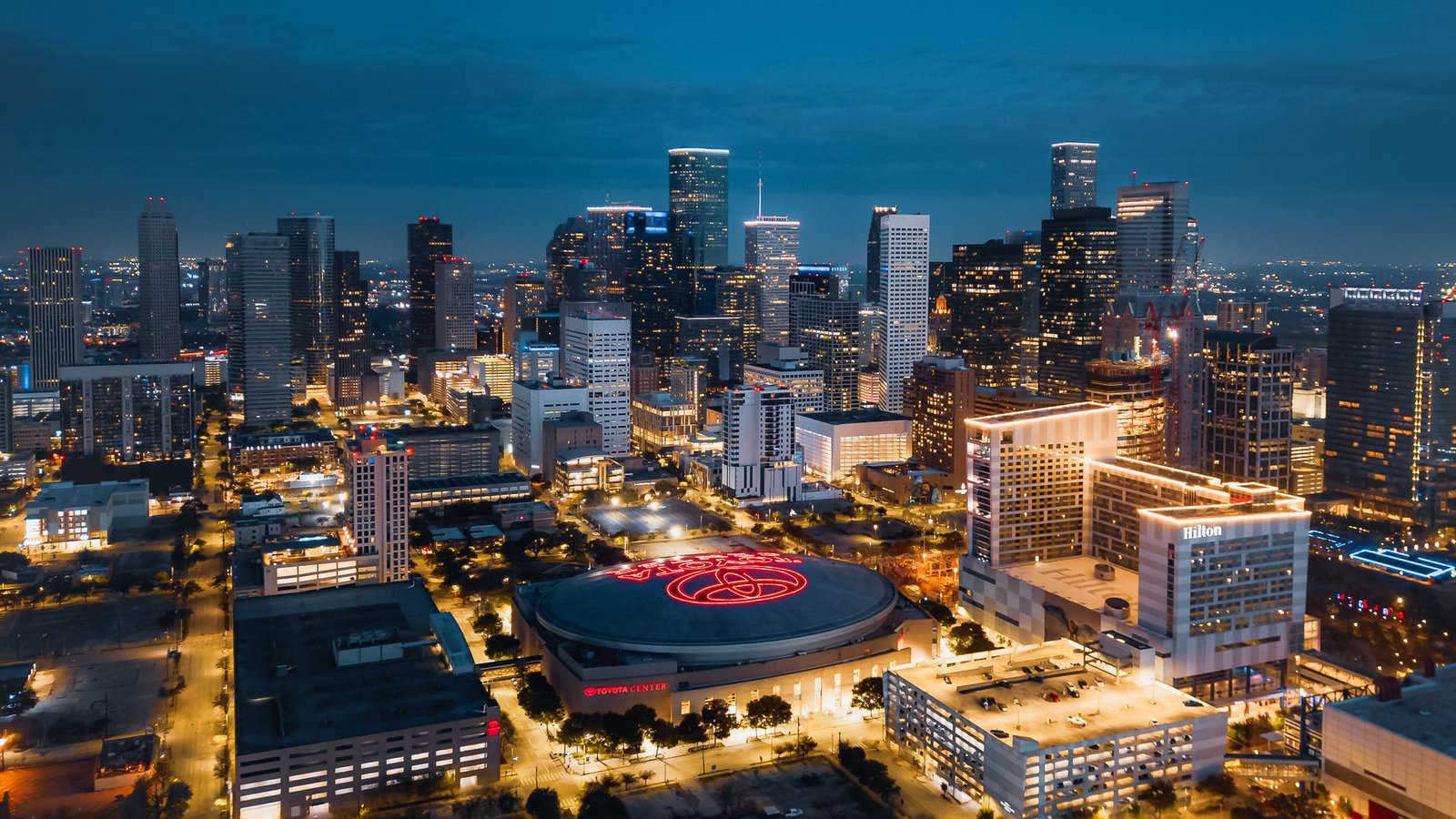
Houston, the largest of the four and the fourth-largest city in the country, has famously no zoning code, which has produced a sprawling, functionally organized rather than aesthetically planned city built around the energy industry, the Texas Medical Center (the largest medical complex in the world), and one of the most ethnically diverse populations of any major American city. Houston doesn’t market itself with the same self-conscious branding Austin or even Dallas pursue; locals tend to describe their city’s appeal in practical terms — job opportunities, genuinely excellent and diverse food, relatively affordable housing for a city its size — rather than lifestyle branding.
- Dallas: corporate, polished, finance and headquarters-driven economy
- Fort Worth: Cowtown heritage, working stockyards, self-styled as more authentic than Dallas
- Austin: tech-driven growth colliding with a countercultural self-image
- Houston: no zoning, energy and medical industry base, diversity over branding
Why Visitors Miss This
Visitors passing through on a business trip or a single-city vacation rarely have a reason to notice these distinctions, since each city presents a competent, functional version of “Texas” on the surface — barbecue, highways, a certain openness. The differences show up in what locals argue about at length: Dallas-Fort Worth residents will debate for an hour about which side of the metroplex has better barbecue or a more authentic identity, Austin residents will debate whether the city has already lost what made it Austin, and Houston residents mostly shrug at the entire debate, comfortable that their city doesn’t need to win a personality contest to function as one of the most economically important cities in the country.
What Each City’s Airport Says About It
Dallas-Fort Worth International Airport, one of the busiest in the world and a major American Airlines hub, physically sits between the two cities and has long been treated as shared regional infrastructure, even as the metroplex’s two anchor cities compete for corporate relocations and cultural relevance. Austin-Bergstrom has seen explosive growth in passenger traffic over the past decade, tracking the city’s broader population and tech-sector boom, while Houston operates two major airports, Bush Intercontinental and Hobby, reflecting its sheer scale and its role as a genuine international gateway city, particularly for Latin American routes tied to its energy industry connections. The infrastructure differences mirror the cultural ones: Houston built for scale and function, Austin built for a growth curve nobody entirely planned for, and Dallas-Fort Worth built to serve two cities that have never quite agreed to fully merge their identities despite decades of shared geography.
The Food Rivalry Underneath the City Rivalry
Texas barbecue debates alone could fill a book, but the short version locals argue over constantly: Austin claims the state’s most nationally famous barbecue pilgrimage sites, while Houston’s food identity leans harder into its Vietnamese, Mexican, and broader immigrant culinary influence, arguably the most diverse food city in Texas by most measures. Dallas and Fort Worth split the difference, with Fort Worth’s Tex-Mex and steakhouse tradition tied to its cattle heritage standing in contrast to Dallas’s more cosmopolitan, internationally influenced fine dining scene. None of these distinctions are trivial to the people who live with them daily, even if a visitor passing through on a single business trip would likely never notice the difference between a Fort Worth chicken-fried steak and a Dallas version of the same dish.
Visitors who spend meaningful time in all four Texas cities inevitably come away understanding something locals have known all along: “Texas” as a single cultural monolith barely exists once you’re actually standing in Fort Worth’s stockyards, Austin’s tech corridor, Houston’s energy district, or Dallas’s financial towers, comparing notes.
San Antonio, often left out of the core four-city conversation despite being the second-most-populous city in Texas, adds yet another layer that locals sometimes bring up specifically to complicate the simplified four-city framing — a city with deep Tejano cultural roots, a slower growth trajectory than its neighbors, and an economy leaning more on tourism, military bases, and healthcare than the finance, tech, or energy sectors that define its better-known neighbors.