You Can Buy a House in Youngstown, Ohio for Less Than a Used Car. Here’s What That Actually Buys You.
We may earn money or products from the companies mentioned in this post. This means if you click on the link and purchase the item, I will receive a small commission at no extra cost to you ... you're just helping re-supply our family's travel fund.
Youngstown, Ohio’s median home price sits in the $80,000 to $100,000 range in many neighborhoods, and it’s genuinely possible to find habitable single-family homes listed under $40,000 — prices that would function as a down payment, not a purchase, in most American metros. The city lost more than 60 percent of its population since its steel-industry peak in the mid-20th century, falling from around 170,000 residents to roughly 60,000 today, and that population collapse is the direct cause of the extraordinary affordability: there’s simply far more housing stock than there are households to fill it.
What “Black Monday” actually did to the city
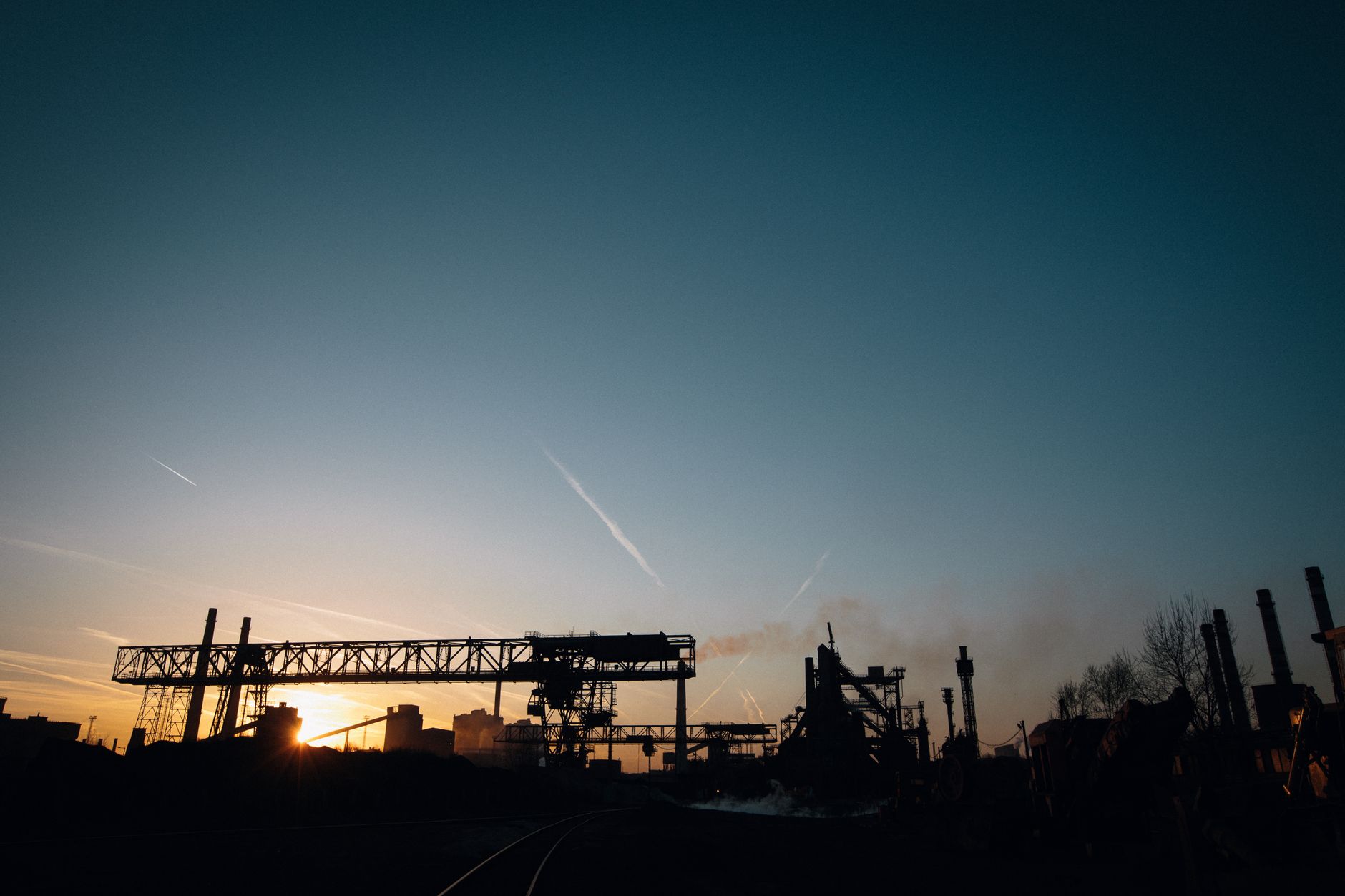
September 19, 1977 — remembered locally as Black Monday — was the day Youngstown Sheet and Tube announced the closure of its Campbell Works, eliminating roughly 5,000 jobs in a single announcement. It was the first domino in a sequence that gutted the region’s steel industry over the following decade, and unlike some Rust Belt cities that diversified afterward, Youngstown never fully replaced that industrial base. The population exodus that followed was steep and sustained, and it never really reversed — the city’s population has declined in nearly every census since 1930, a duration and consistency of decline that’s unusual even by Rust Belt standards.
What that decline actually buys a buyer today is complicated. The extreme affordability is real, but it coexists with a property tax base eroded by the same population loss, meaning city services — schools, road maintenance, policing — operate with meaningfully less funding per capita than a comparably sized but more stable city would have. Youngstown’s crime rate, particularly violent crime, has ranked among the highest for U.S. cities of its size in various national analyses, a statistic tied closely to the same economic collapse that produced the cheap housing in the first place — they’re not separate problems, they’re the same problem measured two different ways.
The city’s additive manufacturing push, centered around the nonprofit America Makes initiative headquartered in Youngstown, represents one of the more genuine attempts at economic reinvention among Rust Belt cities of similar size, using federal defense department funding to position the region as a research hub for 3D printing technology. It hasn’t replaced the tens of thousands of jobs the steel industry once provided, and it likely never will at that scale, but it has created a small, real cluster of higher-skilled employment and kept Youngstown State University’s engineering programs relevant to a modern industrial base rather than training students for jobs that no longer exist in the region at all.
Who’s actually buying, and why
Youngstown State University anchors a stable population base that keeps parts of the city functioning normally, and its downtown has seen targeted, genuine investment over the past fifteen years — loft conversions, a business incubator focused on additive manufacturing and 3D printing that’s tried to position the city as a niche tech hub, and a small but real wave of young professionals and remote workers specifically drawn by the extreme cost-of-living arbitrage. Out-of-state real estate investors have also bought heavily into the market, sometimes renovating and renting properties responsibly, sometimes buying distressed properties and leaving them vacant while waiting for appreciation that, in many neighborhoods, hasn’t meaningfully arrived.
The neighborhood-level reality that averages hide
- Downtown and the area near Youngstown State have seen the most consistent, visible investment
- Some residential neighborhoods have vacancy rates high enough that entire blocks sit largely empty
- The city has run demolition programs for decades specifically to remove blighted, unsellable housing stock rather than let it stand
- Property taxes remain low in absolute terms but represent a real burden relative to home value in a market with minimal appreciation
The honest calculation for anyone actually considering it
Youngstown’s story isn’t unique in the Rust Belt, but it’s become a useful case study for economists studying deindustrialization specifically because the decline was so sudden and so total — most comparable cities lost manufacturing gradually over multiple decades, while Youngstown’s steel industry collapsed in a compressed handful of years starting with Black Monday. Randy Newman’s song “Youngstown,” and Bruce Springsteen’s cover of it, helped cement the city’s national symbolic status as shorthand for American industrial decline, a reputation that’s arguably outlasted the specific economic reality on the ground, since the city’s downtown core has stabilized and modestly improved even as the broader population figures have continued sliding.
Extreme affordability in a shrinking city is not free money — it’s compensation for real risk and real tradeoffs, the same way a stock trading at a steep discount to its historical price usually reflects a genuine, ongoing problem rather than a market inefficiency waiting to be discovered. Youngstown works well for a specific buyer: someone with remote income who doesn’t need the local job market, who’s comfortable in a specific neighborhood they’ve researched carefully rather than buying blind based on price alone, and who understands that home appreciation isn’t the point — the point is a radically lower cost of living, full stop, in exchange for accepting a city that never fully recovered from a single industry’s collapse nearly fifty years ago and, by most measures, still hasn’t found what will replace it.
Neighboring Mahoning Valley towns, including Warren and Niles, share a similar economic history and similarly depressed housing prices, meaning the affordability story extends well beyond Youngstown’s city limits into a broader regional pattern. Some real estate investors have started buying across the entire valley rather than focusing narrowly on Youngstown proper, betting that any eventual recovery would lift the whole region rather than a single city, though that broader recovery has remained more theoretical than realized across most of the valley’s small towns so far.