Alaska Is the Largest State in America. Most Visitors See 3% of It and Think They’ve Been to Alaska
We may earn money or products from the companies mentioned in this post. This means if you click on the link and purchase the item, I will receive a small commission at no extra cost to you ... you're just helping re-supply our family's travel fund.
Alaska is 2.5 times larger than Texas. It has more coastline than the entire continental United States. It has 17 of the 20 highest peaks in the United States. And the vast majority of its visitors — the over 2 million cruise ship passengers who disembark annually at Juneau, Ketchikan, and Skagway — see a small, developed, tourist-facing slice of southeastern Alaska before returning to their floating hotel. Here’s what the rest of Alaska actually is.
What Cruise Ship Alaska Is and Isn’t
Southeast Alaska’s Inside Passage is genuine: Glacier Bay National Park, Misty Fjords, the temperate rainforest, the totem pole culture of the Tlingit, Haida, and Tsimshian peoples. These are real. The cruise ports — Juneau, Ketchikan, Skagway — are also real Alaskan towns with history and their own character, even if the summer cruise economy has made certain parts of them feel like a staged version of Alaskan culture. Seeing Southeast Alaska from a cruise ship is a legitimate way to see Southeast Alaska. It is not a way to see Alaska in any broader sense.
What the Rest of Alaska Is
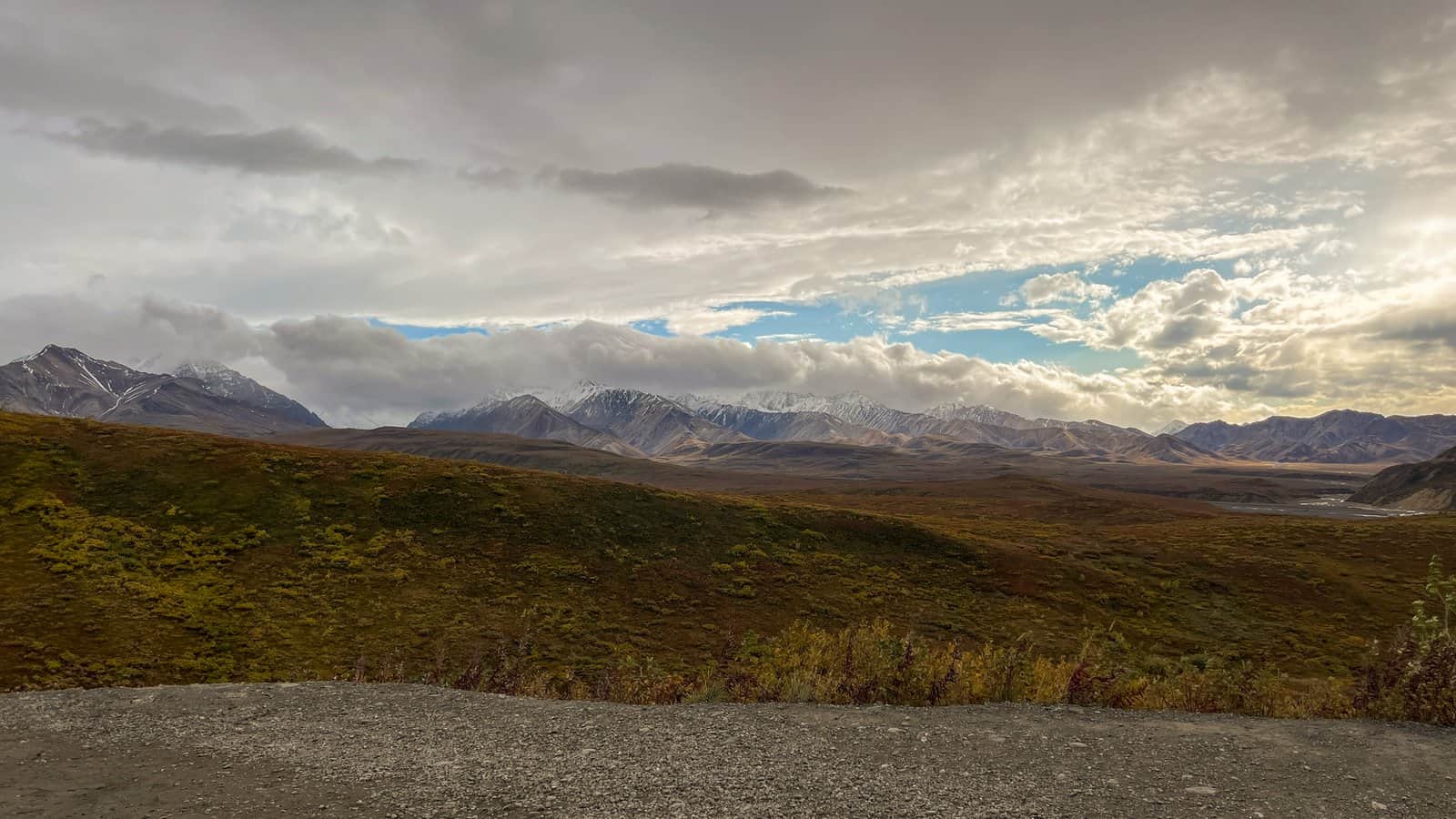
Denali National Park, accessed from Fairbanks or Anchorage, contains North America’s highest peak (6,190 meters / 20,310 feet) and one of the most significant wilderness preserves in the world. Only one road runs through the park, and private vehicles are permitted only on the first 15 miles — beyond that, bus access is required. The road limits development but opens 6 million acres of wilderness to wilderness travel, and Denali’s wildlife (grizzly bears, wolves, caribou, moose, Dall sheep) is visible in density that few national parks can match.
The Kenai Peninsula, 2 hours south of Anchorage, provides the combination of fishing, hiking, and coastal wildlife that most people imagine when they think of Alaska. Kenai Fjords National Park, accessible by boat from Seward, has tidewater glaciers, sea otters, orcas, Steller sea lions, and puffins in concentrations that are genuinely different from any experience in the continental US. Resurrection Bay and the boat tour industry based out of Seward offer some of the most rewarding wildlife day trips in North America.
The Alaska Road Trip Most People Haven’t Heard Of
The Dalton Highway, running 414 miles from Fairbanks north to Prudhoe Bay, crosses the Arctic Circle and the Brooks Range and ends at the Arctic Ocean. It’s one of the most remote roads in North America — the last 200+ miles have no services, no cell coverage, and extremely limited infrastructure. For travelers with appropriate vehicle preparation and planning, it’s an experience without comparison in the lower 48 states or anywhere in the Southeast Alaska cruise circuit. The midnight sun in June and July means continuous daylight for weeks above the Arctic Circle — a physical experience that requires being there to fully understand.
Planning a Real Alaska Trip
Practical planning notes:
- Fly into Anchorage (the main gateway, with direct flights from most US hubs)
- Kenai Peninsula loop from Anchorage: 4–5 days, no bush plane required, accessible in a standard rental car
- Denali: fly into Fairbanks or take the Alaska Railroad from Anchorage to Denali Park — 3–4 days minimum for a real visit
- Alaska Railroad connecting Anchorage, Denali, and Fairbanks: a genuinely spectacular train route that handles much of the logistics
- Best months: June for midnight sun and wildflowers; late August–early September for aurora activity beginning and fall colors
Alaska is expensive — hotels, rental cars, food, and activities all run significantly above national averages. A week in Alaska for two people at mid-range costs $4,000–$6,000 without a cruise package. What that buys is an experience that’s not available anywhere else in the United States: wilderness at a scale that requires no editorial enhancement, wildlife that exists in density that requires no staging, and geography that makes every other American landscape feel like a practice run. The cruise ship passengers who think they’ve seen Alaska have seen its porch. The rest is still there, unchanged, waiting for the smaller number of visitors who make the trip to find it.
Alaska Beyond the Denali Corridor
The Southeast Alaska corridor — the Inside Passage from Ketchikan north through Sitka, Juneau, Skagway, and Glacier Bay — is the Alaska that cruise ships carry 1.2 million passengers to annually. The experience from a cruise ship is real in the sense that the landscape is exactly as dramatic as it looks on the itinerary: Glacier Bay’s 16 tidewater glaciers, the humpback whales in Frederick Sound, the brown bears fishing Anan Creek. The experience is also fundamentally different from what independent travelers who fly into Juneau, take the state ferry, and spend 10 days in Southeast Alaska encounter — the small towns at full resident scale rather than the crowd-managed version the cruise ships see for 8 hours.
Interior Alaska beyond Denali includes the Kenai Peninsula (Homer’s Spit, the most photographed spot in Southcentral Alaska, with bald eagles in the boat harbor and Kachemak Bay State Park across the water), the Wrangell-St. Elias National Park (the largest national park in the United States, 6 times the size of Yellowstone, with the historic copper mining town of Kennicott accessible by gravel road), and the Dalton Highway (500 miles of gravel road to Deadhorse at the Arctic Ocean, available to self-driving visitors in robust vehicles). The Alaska that most travelers — including most Alaska visitors — have never seen is the 94% of the state’s land area that sits beyond the Parks Highway and the Kenai.