Memphis Barbecue Is Not Nashville Hot Chicken. Here’s the Difference — And the 6 Places That Actually Define Memphis Food
We may earn money or products from the companies mentioned in this post. This means if you click on the link and purchase the item, I will receive a small commission at no extra cost to you ... you're just helping re-supply our family's travel fund.
Nashville gets the food coverage because Nashville gets the visitors. Memphis gets the barbecue coverage because there’s no way to cover Memphis food without starting there. But Memphis food is not a one-subject story, and the people who eat their way through the city — past the Rendezvous and Beale Street — find a culinary culture that’s been building on itself for over a century. Here’s the full picture.
Why Memphis Barbecue Is Different From Every Other Style
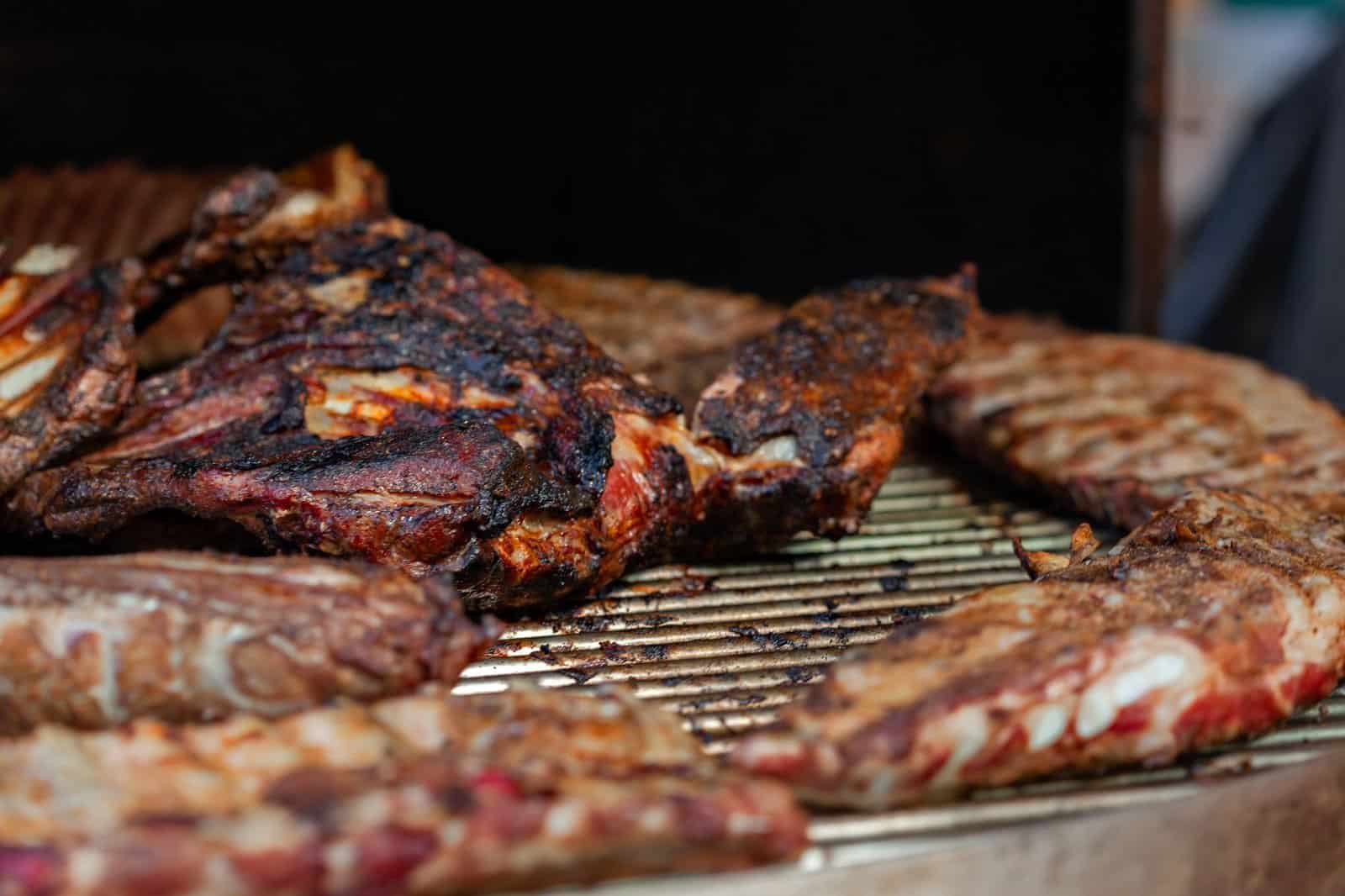
Memphis barbecue’s defining characteristic is the dry rub — a blend of spices (paprika, garlic, onion, cayenne, brown sugar in varying proportions) applied to the meat before smoking, without sauce. The resulting crust, called the bark, is deeply spiced and colored, and the smoke ring beneath it is achieved with extended low-temperature cooking over hardwood charcoal. Memphis also does wet ribs (with sauce applied during cooking) and wet-sauce brisket, but the dry rib is the signature that distinguishes Memphis from Kansas City (sauce-forward), Texas (beef-forward), or the Carolinas (vinegar or mustard-forward).
The 6 Places That Define Memphis Food
1. Charlie Vergos’ Rendezvous
Operating since 1948 in an alley basement off Union Avenue, the Rendezvous is the institution that defined dry-rub ribs as a Memphis signature. The restaurant seats 600 and fills nightly. The atmosphere — servers in white coats, walls covered in memorabilia from a hundred years of Memphis life, the smell of charcoal smoke from the underground pit — is part of the experience rather than background noise. The dry-rub spare ribs here are what every other Memphis rib is measured against.
2. Central BBQ
If the Rendezvous is the institution, Central BBQ is the contemporary standard. Multiple locations throughout Memphis, with a focused menu and consistency that makes it the default recommendation for visitors who want excellent Memphis barbecue without the tourist-landmark framing. The pulled pork sandwich is the benchmark.
3. Gus’s World Famous Fried Chicken
Nashville Hot Chicken gets the national press, but Memphis fried chicken — specifically Gus’s — has a devoted national following that predates the Nashville trend. The Gus’s preparation is different: a thinner, crispier coating with a slow-building heat that’s more complex than the cayenne-forward Nashville style. The original Mason, Tennessee location is the pilgrimage; the Memphis location is reliable and closer to the city’s other food stops.
4. Four Way Soul Food
Open since 1946 in South Memphis, Four Way was a restaurant where civil rights leaders including Martin Luther King Jr. ate during the Memphis sanitation workers strike. The soul food — fried chicken, smothered pork chops, collard greens, cornbread — is excellent and inexpensive. The history is real and gives the meal a context that a barbecue restaurant doesn’t provide.
5. Brother Juniper’s
The Memphis breakfast institution near the University of Memphis, running since 1989. The pancakes, biscuits, and egg preparations are the other half of the Memphis food story that the barbecue focus obscures. Weekend waits are real; go early on weekdays.
6. Flight Restaurant and Wine Bar
The Memphis contemporary restaurant story is told here most clearly. Flight serves a tasting menu of three-to-a-flight small plates with a wine program that rewards the visitor who assumed Memphis was a barbecue-and-blues-bar city. It isn’t only that, and Flight demonstrates what Memphis food culture has built on top of its historical foundation.
Memphis food requires two full days to do correctly: one day for barbecue (Rendezvous for dinner, Central BBQ for lunch, the smoky everything), one day for the broader culture (Four Way for breakfast or lunch, Gus’s for dinner, a walk through the South Main Arts District food corridor). The people who spend a night in Memphis on the way through and eat at the hotel are skipping something that took over a hundred years to build and can’t be replicated anywhere else.
Memphis Barbecue Culture — The Technical Differences
Memphis barbecue’s technical identity is built on two specific distinctions: dry-rubbed ribs (a spice rub applied before and after cooking, with no sauce, consumed as the finished product) and wet ribs (with sauce applied during the last hour of cooking). The dry-rib tradition is specific to Memphis in American barbecue and is not standard at Texas brisket houses, Kansas City sauce-forward operations, or Carolinas whole-hog joints. The Central BBQ dry ribs and the Rendezvous dry ribs (the oldest and most famous dry rib house, in an alley behind the Peabody Hotel since 1948) are the two required reference points for understanding what the Memphis tradition is.
The pulled pork sandwich at Cozy Corner (opened 1977, closed for years after owner Raymond Robinson’s death, reopened by his daughter Desiree in 2007) is the barbecue experience that most Memphis food writers put above everything else in the city. The Cornish hen, slow-smoked at Cozy Corner, has no equivalent anywhere in American barbecue. The Central BBQ on Central Avenue is the modern high-volume destination that produces consistent quality at scale. Interstate Barbecue on South Third Street represents the South Memphis tradition. The three establishments in three different neighborhoods cover the geographic and stylistic range of Memphis barbecue without overlap — and none of them are open past 6pm, which is the logistics fact that most out-of-town visitors who plan a Memphis dinner around barbecue find out after arriving.