Anchorage Has McDonald’s, Costco, and Six Months of Winter Darkness Closing In on Each Other Every Year
We may earn money or products from the companies mentioned in this post. This means if you click on the link and purchase the item, I will receive a small commission at no extra cost to you ... you're just helping re-supply our family's travel fund.
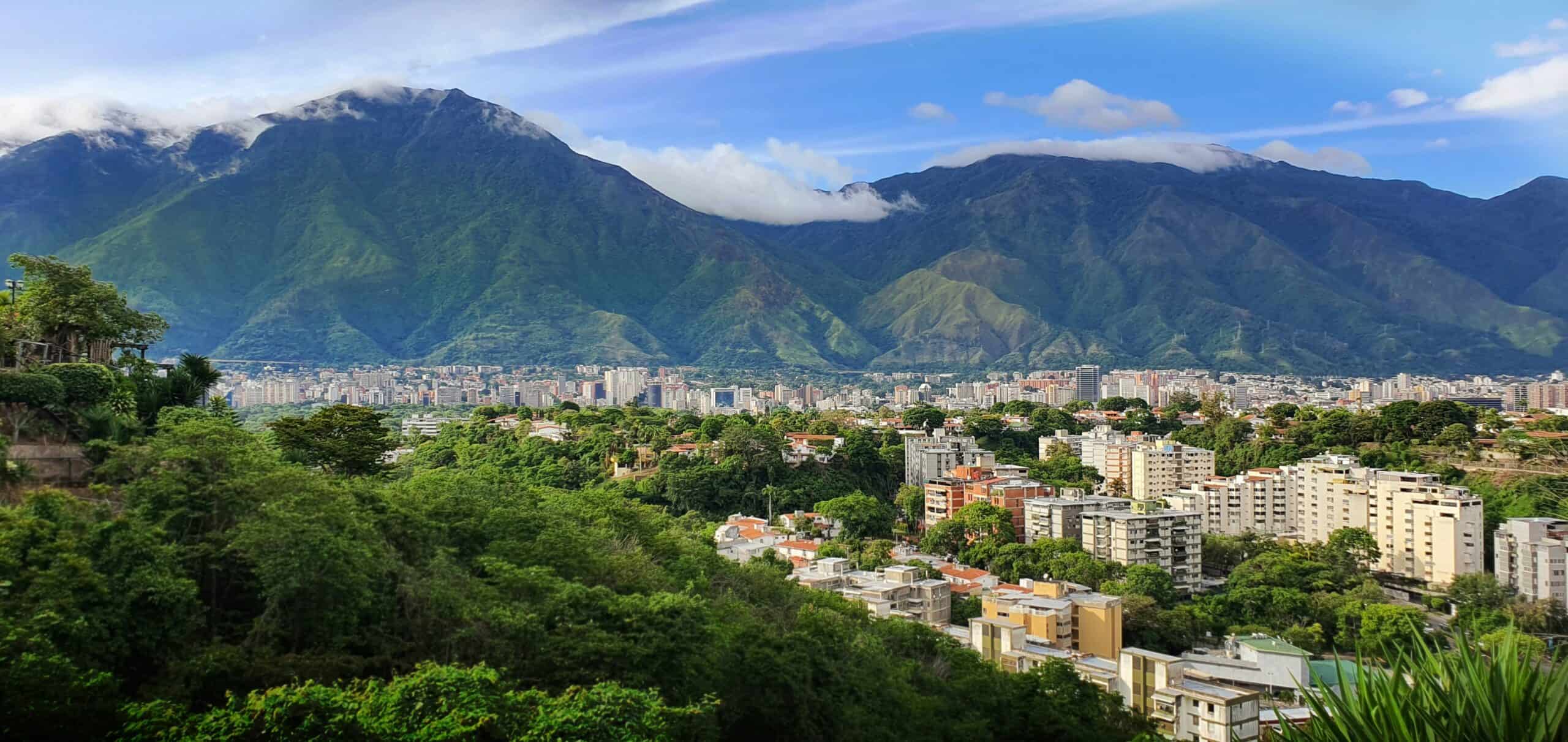
Anchorage is home to roughly 40% of Alaska’s entire population, and it functions almost nothing like the wilderness fantasy that dominates how the rest of the country imagines the state. It has a Costco, a Nordstrom Rack, a light-rail-free but genuinely functional bus system, and a cost of living that ranks around 5.4% above the national average, according to PlainCost’s regional cost index, which places it 28th most expensive out of 387 U.S. metro areas tracked. It is, in other words, a mid-sized American city — just one that happens to sit closer to Russia than to most of the continental United States and loses nearly all its daylight for a third of the year.
The Daylight Math That Runs the City’s Psychology
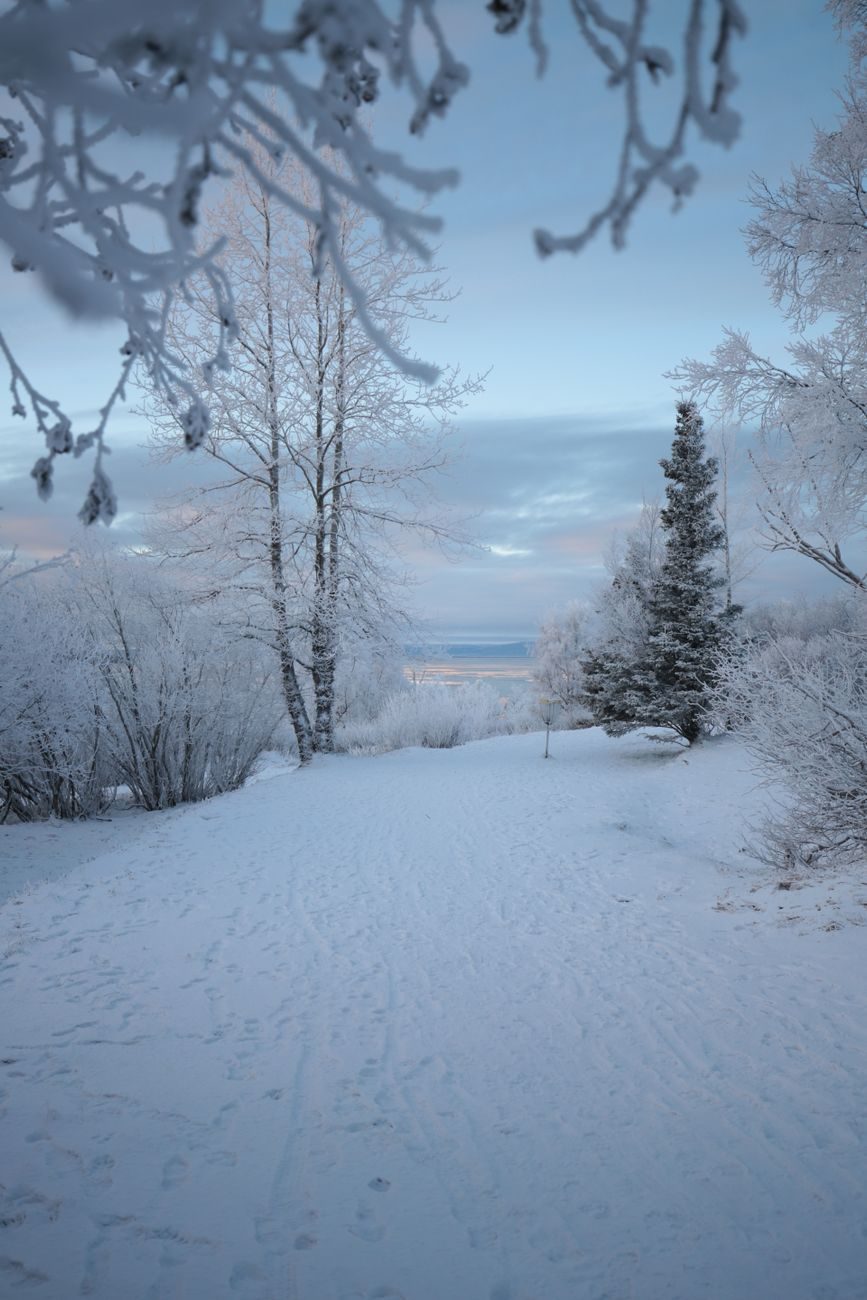
In December, Anchorage gets roughly five and a half hours of daylight. In June, it gets close to nineteen. That swing dictates the rhythm of daily life in a way that has no real equivalent in the lower 48 — summer is manic, with residents packing hiking, fishing, and outdoor projects into every available hour of light, while winter forces a slower, indoor-oriented pace that outsiders often assume is depressing but that many longtime residents describe as the part of the year they actually get to rest. Seasonal affective disorder rates are measurably higher in Alaska than in most states, and light therapy lamps are a standard household item rather than a niche wellness product.
What Living There Actually Costs
- Overall cost of living index: roughly 5.4% above the U.S. average
- Grocery costs run notably higher than the Lower 48 due to shipping — most goods arrive by barge or air freight
- Heating costs are a major line item given the climate, though natural gas from Cook Inlet keeps energy costs lower than many assume
- MIT’s Living Wage Calculator places Anchorage’s required living wage for a single adult noticeably above the national median (MIT Living Wage Calculator)
It’s a City Built Around a Military Base and an Earthquake
Anchorage’s modern layout owes as much to Joint Base Elmendorf-Richardson, one of the largest military installations in the country, as it does to the oil industry that’s often assumed to be the state’s defining economic force. The city was also nearly leveled by the 1964 Good Friday earthquake, a 9.2-magnitude event — the second-largest ever recorded — that reshaped both the physical city and its building codes. Downtown Anchorage today is a mix of practical mid-century construction and newer development, without the historic core that defines most American cities of comparable size, precisely because so much of what existed before 1964 didn’t survive it.
What Tourists Never See
Visitors typically pass through Anchorage on their way to Denali, the Kenai Peninsula, or a cruise departure, treating the city as a logistics stop rather than a destination. That means most tourists miss the parts of Anchorage that actually define daily life there: the Alaska Native Heritage Center, which represents the state’s eleven distinct Indigenous cultural groups; the Saturday Market downtown, which runs through summer and is where much of the city buys produce that would otherwise cost a fortune in grocery stores; and neighborhoods like Spenard, which has the kind of dive bars, float plane docks, and genuinely local character that the cruise-ship version of Alaska never shows anyone.
Why Year-Round Residents Stay
Despite the costs and the darkness, Anchorage retains a stable base of multi-generational residents who describe an unusual trade-off: a genuine American city, with genuine infrastructure, that’s also a twenty-minute drive from moose, black bears, and mountains that most Americans would drive six hours and pay for a permit to see. The compromise is real — six months of winter, higher prices on everything shipped in, and a level of geographic isolation that means a medical emergency requiring a specialist often means a flight to Seattle. But for people who’ve built a life around it, that trade reads less like sacrifice and more like the entire point.
The Grocery Logistics That Define Daily Life
Nearly everything on an Anchorage grocery shelf arrived by barge from Seattle or by air freight, since Alaska’s road network doesn’t connect the state’s population centers to the Lower 48 in any way that supports efficient trucking at scale. That logistics reality shows up directly in prices: produce, in particular, carries a substantial markup compared to equivalent items in Seattle or Portland, and price spikes during barge delays or severe winter weather are a routine feature of life rather than a rare disruption. Costco’s Anchorage location is disproportionately important to the local economy precisely because bulk purchasing meaningfully offsets the shipping markup built into smaller retail purchases.
Fuel costs follow a similar logic, though Alaska’s own oil production keeps gasoline prices somewhat more insulated from national spikes than the grocery situation. Still, heating costs during the winter months represent one of the largest line items in an Anchorage household budget, even with access to relatively affordable natural gas from Cook Inlet fields, because the sheer duration and intensity of the cold season demands sustained energy use for months at a stretch.
The Community Structures Built Around Isolation
Anchorage residents have built an unusually dense network of community institutions specifically to manage the psychological weight of the winter dark season — indoor sports leagues, library programming, and a genuinely active arts scene that runs at full capacity through the months when outdoor recreation isn’t viable. The Anchorage Museum and the University of Alaska Anchorage both anchor a cultural infrastructure that punches well above what a city of roughly 290,000 people would typically support, a direct response to needing robust indoor options for a third of the year.
The Finger Lakes’ rise is a reminder that wine regions, like most things in American consumer culture, run on decades of unglamorous groundwork before a single flashy award changes how outsiders see them. The recognition arrived in 2025. The labor behind it started closer to seventy years earlier.