Hot Springs, Arkansas Has Been Synonymous With Bathhouse Row for 100 Years. Here’s What Brings People There in 2026
We may earn money or products from the companies mentioned in this post. This means if you click on the link and purchase the item, I will receive a small commission at no extra cost to you ... you're just helping re-supply our family's travel fund.
Hot Springs, Arkansas is the only city in the United States where a national park sits in the middle of town. The Ouachita Mountains thermal springs that made the city famous in the 19th century — when it was a destination for everyone from Al Capone to presidents — still run at 143°F and still feed the bathhouses on Bathhouse Row. What’s changed is the audience. People who come to Hot Springs in 2026 are as likely to be there for the arts scene, the lake, and the hiking as for the thermal waters.
Bathhouse Row and Hot Springs National Park
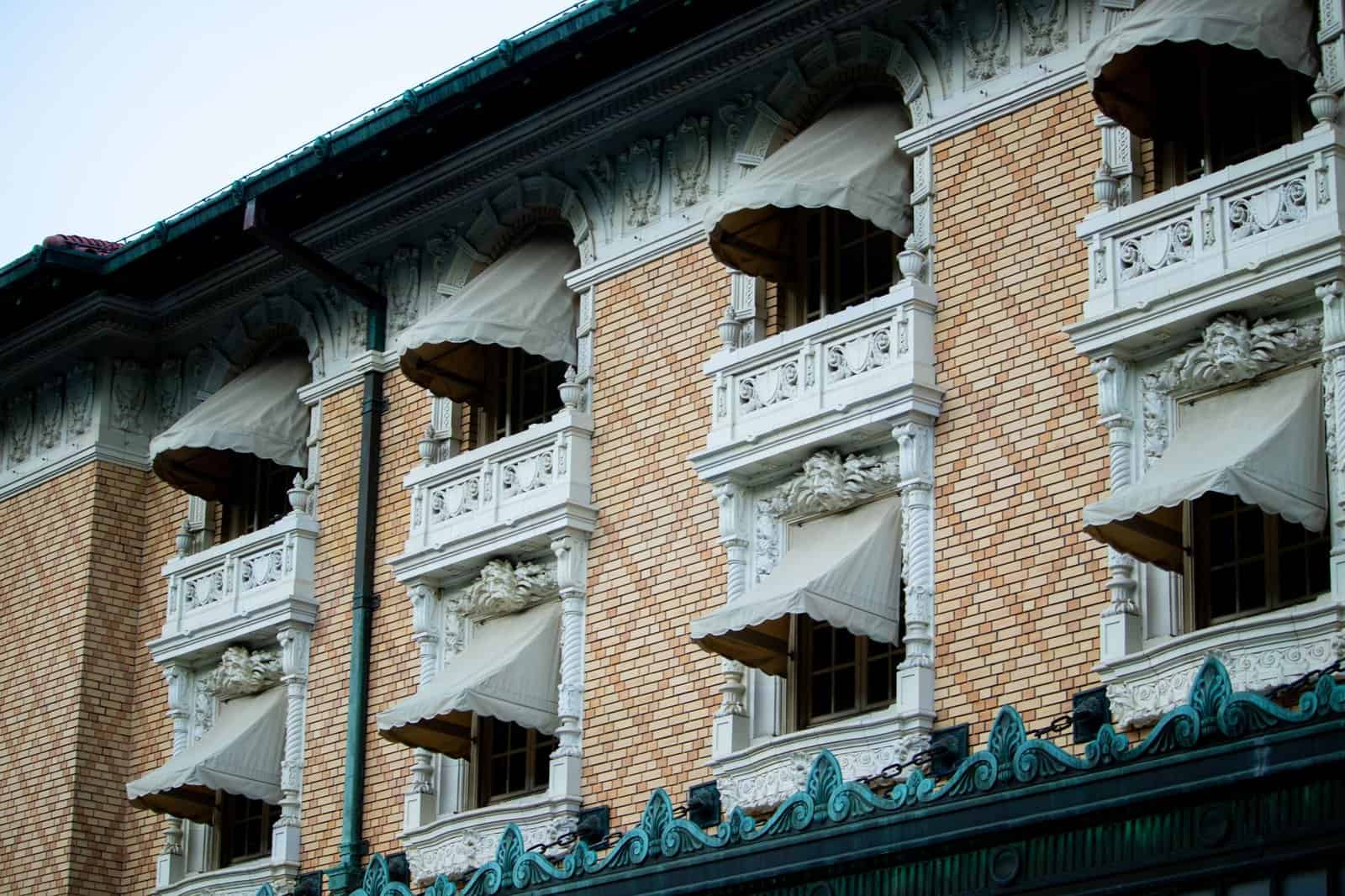
The eight historic bathhouses on Central Avenue were built between 1892 and 1923 in Spanish Colonial Revival style to accommodate the tens of thousands of visitors who came annually to “take the waters.” The federal government has managed the springs since 1832 — making Hot Springs one of the country’s oldest federally protected reserves, long before the National Park Service existed. Today, two of the bathhouses offer traditional thermal bathing services (Buckstaff Bath House and Quapaw Baths & Spa), two are used as visitor centers and exhibit spaces, and the others have been converted to other uses including a brewery and restaurant.
The Buckstaff Bath House offers the traditional Hot Springs experience — a formal sequence of whirlpool bath, steam cabinet, hot pack, and massage — in a building that opened in 1912 and has never closed. Prices run $45–$85 per service. The experience of lying in thermal water in a building that’s looked the same since Teddy Roosevelt was president is specific and not available anywhere else in the country.
What Else Hot Springs Offers
The art scene that most visitors miss:
Hot Springs has developed a contemporary arts scene anchored by the Hot Springs Documentary Film Festival (one of the oldest documentary film festivals in North America, running in October), the Gangster Museum of America (the city’s history with organized crime in the 1920s–50s is genuine and documented), and a gallery concentration in the downtown area that’s grown with the tourism investment. The arts scene is modest compared to major arts cities but surprisingly substantive for a city of 37,000.
Lake Hamilton and outdoor access:
Lake Hamilton, a reservoir immediately southwest of downtown Hot Springs, provides the standard Arkansas lake experience: boat rentals, lakeside restaurants, fishing, and the dock-and-swim culture that defines summertime in the Ouachitas. Hot Springs National Park’s 26 miles of hiking trails on the surrounding mountainsides are underused given their proximity to downtown — the Sunset Trail and Dead Chief Trail offer genuine woodland hiking 10 minutes from Bathhouse Row.
What Hot Springs Costs and When to Go
Practical details:
- Hotels in the downtown/Bathhouse Row area: $100–$180/night
- October Documentary Film Festival week: accommodation books out early, rates up 30%
- Bathhouse services: $45–$85 per treatment
- Hot Springs National Park entrance: free (one of the few national parks with no entrance fee)
- Drive time from Dallas: 4.5 hours; from Little Rock: 1 hour; from Memphis: 3 hours
Hot Springs works as a 2-day trip — one day for Bathhouse Row and the national park hiking, one day for the lake and arts district. It’s the kind of place that rewards visitors who understand its specific character: a resort town built on thermal springs, with mid-century architecture, a gangster history, and a contemporary arts investment that’s trying to be more than a nostalgia destination without abandoning what made it famous. That combination is genuinely unusual and genuinely interesting, at prices that reflect Arkansas rather than comparable resort towns in more expensive states.
Hot Springs Beyond Bathhouse Row
Hot Springs National Park’s Bathhouse Row — the eight Beaux-Arts bathhouses along Central Avenue that the federal government began regulating in 1832 — is the most architecturally coherent federal historic district in the South. The Fordyce Bathhouse is preserved as the visitors center and museum, restoring the full treatment rooms, stained glass ceilings, and marble baths to their 1930s operating condition. The Buckstaff Bathhouse, still operating as an active thermal spa since 1912, provides the only active hot spring bath experience on Bathhouse Row — treatments run $45–$65 and require advance reservation. The Quapaw Bathhouse, the newest operating facility (reopened 2008), has private thermal pools available by reservation at $25/person per hour.
Hot Springs Mountain, which rises above the thermal springs and the bathhouse district, has 26 miles of trails within the national park and provides views of the Ouachita Mountains and Lake Catherine to the south. The Hot Springs Mountain Tower provides a 360-degree panoramic view from 216 feet above the mountain summit; the combined mountain trail and tower visit takes a morning and costs $7/adult for the tower. The historic gangster culture that made Hot Springs a 1920s–1940s resort destination — Al Capone’s favored vacation spot, protected by a corrupt local government that tolerated illegal casinos and bookmaking — is documented at the Gangster Museum of America on Central Avenue, an independent museum that’s either the most entertaining or the most historically tenuous institution in Arkansas depending on your standards.