The Travel-Time Trap That Wrecks Otherwise Good Itineraries — Why Your Trip Will Take Longer Than You Think
We may earn money or products from the companies mentioned in this post. This means if you click on the link and purchase the item, I will receive a small commission at no extra cost to you ... you're just helping re-supply our family's travel fund.
The planning fallacy — a well-documented cognitive bias first named by psychologists Daniel Kahneman and Amos Tversky in the 1970s — describes the consistent human tendency to underestimate how long tasks will take, even when we have direct past experience suggesting we’ll be wrong again. Travel planning is one of the clearest, most universal examples of this bias in everyday life, showing up in nearly every stage of a trip from initial booking through the actual day of travel.
Where the Planning Fallacy Shows Up in Travel
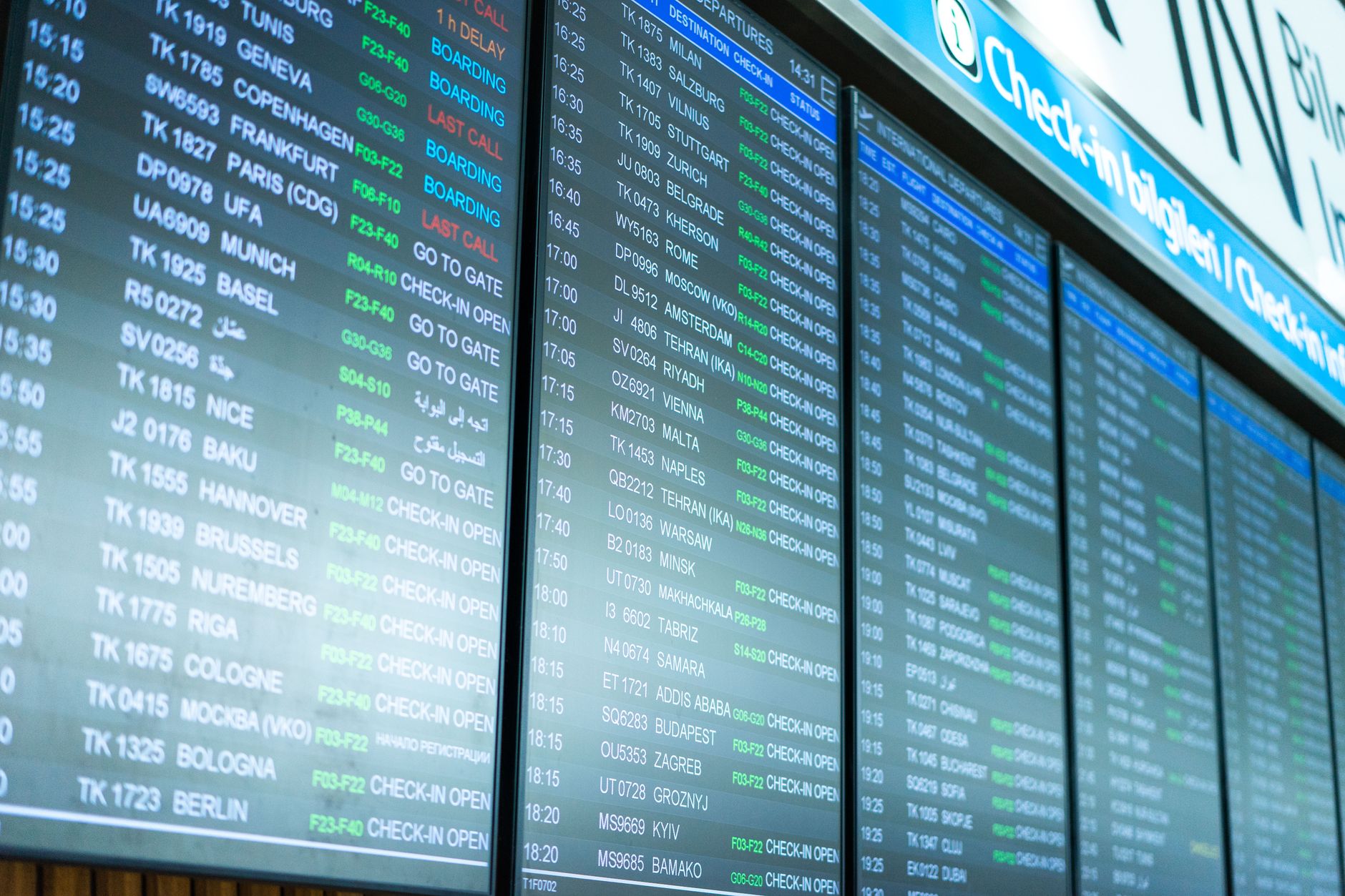
Travelers routinely underestimate airport arrival buffers, drive times to less familiar destinations, and how long it actually takes to see a museum, city, or national park properly. Research on the planning fallacy consistently finds that people generate time estimates by focusing on the ideal, unobstructed version of a task — a museum visit imagined as an efficient two hours — while ignoring the “distributional” information from past experience, like the fact that museum visits reliably run long, ninety minutes turn into three hours, and a fifteen-minute drive through a tourist town becomes forty-five minutes searching for parking.
Kahneman and Tversky’s original research, along with decades of follow-up studies, attribute this to a focus on “singular” case-specific planning — thinking about this particular trip as a unique case — rather than “distributional” thinking, which would mean asking “how long did this kind of thing take the last several times I did it,” a comparison most travelers skip entirely when planning something novel and exciting.
Why Travel Makes It Worse Than Everyday Tasks
- Unfamiliar environments remove the intuitive time-calibration people develop for routine daily tasks in places they know well”,
- Optimism and excitement about a trip appear to independently worsen planning fallacy effects, according to research linking positive mood to overconfident time estimates”,
- Multi-step itineraries compound small individual underestimates — being fifteen minutes off on five different legs of a day adds up to over an hour of accumulated delay”,
- Tourist infrastructure itself often assumes ideal conditions — posted walking times between attractions rarely account for crowds, photo stops, or simply stopping to look at something”,
The Specific Cost of Underestimating Travel Time
Beyond missed flights and stressful sprints through airports, chronic underestimation of travel time has a compounding effect on trip satisfaction: research on time pressure and enjoyment consistently finds that rushed experiences are rated lower in enjoyment than the same experience taken at an unhurried pace, even when the rushed version technically covers more ground. Travelers who pack too much into an itinerary because they underestimated how long each piece would take often report their trips as more stressful and less memorable than those who built in deliberate slack.
What Actually Corrects the Bias
The research-backed correction is straightforward but rarely applied: using “reference class forecasting,” a term coined by planning researcher Bent Flyvbjerg, which means deliberately looking at how long similar past activities actually took — not how long they should take in an ideal scenario — and adding a buffer based on that historical pattern rather than fresh optimism. Frequent business travelers, notably, tend to develop better calibration over time simply through repetition, building an internal database of how long airport security actually takes at specific airports or how long a “quick” downtown meeting really runs.
For most leisure travelers without that repetition, the simplest fix recommended by travel planning researchers is blunt but effective: take your initial time estimate for any travel day activity and multiply it by 1.3 to 1.5, then build your itinerary around that adjusted number instead of the optimistic original. It won’t eliminate the planning fallacy, since it’s a deeply ingrained cognitive default, but it reliably produces itineraries that survive contact with reality.
Why Group Trips Make the Problem Worse
Planning fallacy effects compound significantly in group travel, since every additional person introduces their own independent set of underestimated transition times — one person running five minutes late to check out, another taking longer than expected to find a bathroom, a third stopping for a photo. Research on group decision-making and time estimation has found that groups often produce even more optimistic collective time estimates than individuals do alone, a phenomenon partly explained by diffusion of responsibility, where each person assumes someone else is tracking the schedule closely.
Tour guides and travel professionals who manage group itineraries for a living tend to build far larger time buffers into group schedules than independent travelers typically build for themselves, precisely because they’ve learned through repeated experience how much slower groups move than any single estimate would predict. That professional calibration is exactly the kind of distributional, experience-based forecasting that individual leisure travelers rarely have the repetition to develop on their own.
Family trips involving multiple generations show the effect most severely, combining young children’s unpredictable pacing with older travelers’ potentially slower mobility, and researchers who study family travel logistics generally recommend building buffers at the high end of that 1.3 to 1.5 multiplier range, or even beyond it, for any itinerary spanning more than two generations. The alternative, consistently borne out in travel satisfaction surveys, is a trip remembered more for its rushed transitions than for whatever the intended highlight of each stop was supposed to be.
International travel adds a further layer of underestimation risk, since unfamiliar transit systems, language barriers at ticket counters, and unpredictable border or customs processing times all fall outside the reference class most American travelers have built from domestic experience. Travelers who have only calibrated their internal time estimates against domestic airports and highways often find those estimates fail entirely the first time they encounter a chaotic train station transfer in an unfamiliar country, which is its own specific, learnable version of the same broader planning fallacy. Frequent international travelers eventually build a second, separate reference class specifically for unfamiliar-country logistics, distinct from their domestic calibration, which is part of why seasoned travelers often seem unbothered by transitions that would completely derail a first-time visitor operating only on domestic intuition. That calibration takes years to build organically, but simply asking someone who has already made a similar trip how long each leg actually took them is a reasonable shortcut for borrowing someone else’s already-built reference class instead of starting from zero.