Waco, Texas Was a Punchline Until 2016. The Magnolia Effect Changed More Than Just Home Renovation Shows
We may earn money or products from the companies mentioned in this post. This means if you click on the link and purchase the item, I will receive a small commission at no extra cost to you ... you're just helping re-supply our family's travel fund.
In 2016, Waco, Texas was known to most Americans for two things: a university and a compound standoff from 1993. Then HGTV’s “Fixer Upper” started pulling in 13 million viewers per episode, Chip and Joanna Gaines bought and restored houses in Waco on national television, and the Magnolia brand turned a sleepy Central Texas city into a destination that drew over 5 million visitors in 2023 alone. What’s worth understanding is what actually changed — and what a trip there looks like when you see past the shiplap.
What the Magnolia Complex Actually Is
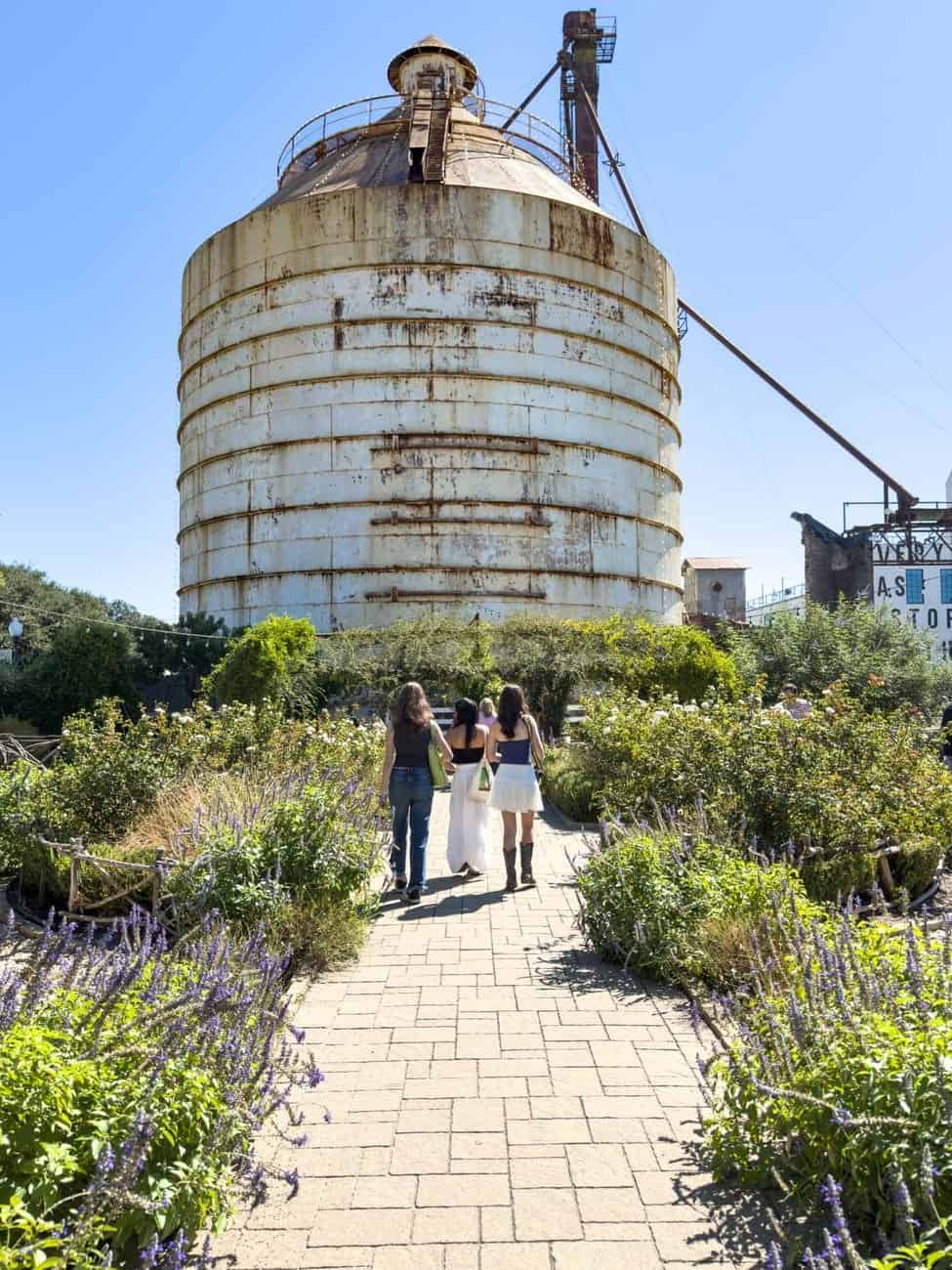
Magnolia Market at the Silos is the retail and food hub that the Gaines built around two historic grain silos on the south edge of downtown Waco. The complex includes retail stores selling Magnolia-branded home goods and décor, a food truck park, bakery, and event space. The grounds are free to walk through and regularly host live music. The Magnolia Table restaurant, a separate location a few miles away, serves the farm-to-table Southern breakfast and lunch menu from the show. Waits at Magnolia Table routinely run 30–60 minutes on weekends.
The brand’s influence on Waco extends beyond the retail footprint. Hotel investment in Waco accelerated dramatically after the show’s popularity became clear. The Silos-adjacent hotel, the George, is a Magnolia-operated boutique property. Dozens of Magnolia-inspired short-term rentals now operate throughout the city. The hospitality infrastructure that Waco built between 2016 and 2026 is real, and it’s what makes the visit possible at a quality level that wouldn’t have existed before.
What Waco Has Beyond the Brand
Waco has always had the Cameron Park Zoo — one of the better regional zoos in Texas, consistently underrated and perpetually undercrowded. The Waco Mammoth National Monument, a fossil site where Columbian mammoths died in a catastrophic event 68,000 years ago and were preserved in the Bosque River floodplain, is one of the few places in the world where you can see an in-situ mammoth bone bed in a climate-controlled shelter above the actual excavation site. It’s a national monument operated by the National Park Service and sees a fraction of the visitors that Magnolia draws despite being genuinely extraordinary.
Baylor University’s presence gives Waco the cultural programming and food options a research university generates — the Mayborn Museum Complex on the Baylor campus is an excellent natural and cultural history museum with strong interactive programming for families. The Waco Cultural Arts Fest and other events have grown as the city’s visitor infrastructure expanded.
What a Waco Weekend Costs
Accommodation:
- Magnolia-affiliated George Hotel: $200–$280/night
- Mid-range chain hotels near the Silos: $120–$170/night
- Short-term rentals (Magnolia-style): $150–$250/night
Key activities and dining:
- Magnolia Market at the Silos: free to enter, retail and food truck spending variable
- Magnolia Table breakfast for two: $35–$55 plus wait time
- Waco Mammoth National Monument: $10/adult
- Cameron Park Zoo: $16/adult
Waco is a full-day trip from Dallas (90 minutes) or Austin (90 minutes) and a compelling two-day stop if you’re moving between those cities on any Central Texas itinerary. The Magnolia complex delivers exactly what it promises for fans of the show and the brand aesthetic. And the Waco Mammoth National Monument, sitting 20 minutes away with almost no line, delivers something genuinely irreplaceable — you’re standing above the actual bones of animals that lived here 68,000 years ago, which is not a thing you can find anywhere else on the Texas road trip circuit.
Waco Beyond Magnolia — What the City Built Alongside It
Waco’s tourism transformation has been studied as one of the most rapid rural-city destination developments in the United States. The Magnolia effect — the Gaines family’s renovation of the silos into a market, the surrounding retail and restaurant district, and the national television platform — attracted 700,000 visitors in the first year of the Silos’ operation in 2016. The city built visitor infrastructure around that demand: the Dr Pepper Museum (Waco is where Dr Pepper was created in 1885), the Texas Ranger Hall of Fame and Museum, and the Waco Mammoth National Monument (a Columbian mammoth bone bed excavated over 30 years, now protected under a National Park Service structure) all exist as independent visit-worthy destinations.
The Brazos River corridor through Waco has developed a riverside trail and park system that gives the city the outdoor amenity its tourism economy needed to support multi-night visits. The Suspension Bridge downtown — an 1870 bridge that was the longest single-span suspension bridge west of the Mississippi at its construction — and the Indian Spring Park adjacent to it provide a riverside entry point that’s photographically strong and historically specific to Waco. Baylor University’s campus, the largest Baptist university in the world, occupies 1,000 acres north of downtown with architecture and grounds that reward a walk independent of any planned activity.