Road Tripping Through Utah’s Mighty 5 National Parks Sounds Simple — Here’s What It Actually Takes to Do Right
We may earn money or products from the companies mentioned in this post. This means if you click on the link and purchase the item, I will receive a small commission at no extra cost to you ... you're just helping re-supply our family's travel fund.
Utah’s five national parks — Zion, Bryce Canyon, Capitol Reef, Canyonlands, and Arches — sit within a roughly 500-mile loop that Utah’s tourism board markets as the “Mighty 5.” The marketing is accurate: this is one of the most concentrated collections of extraordinary landscape accessible by road anywhere in the United States. The planning it requires has also increased significantly in the past five years as reservation systems, shuttle requirements, and timed entries have transformed how each park operates.
The Reservation Reality in 2026
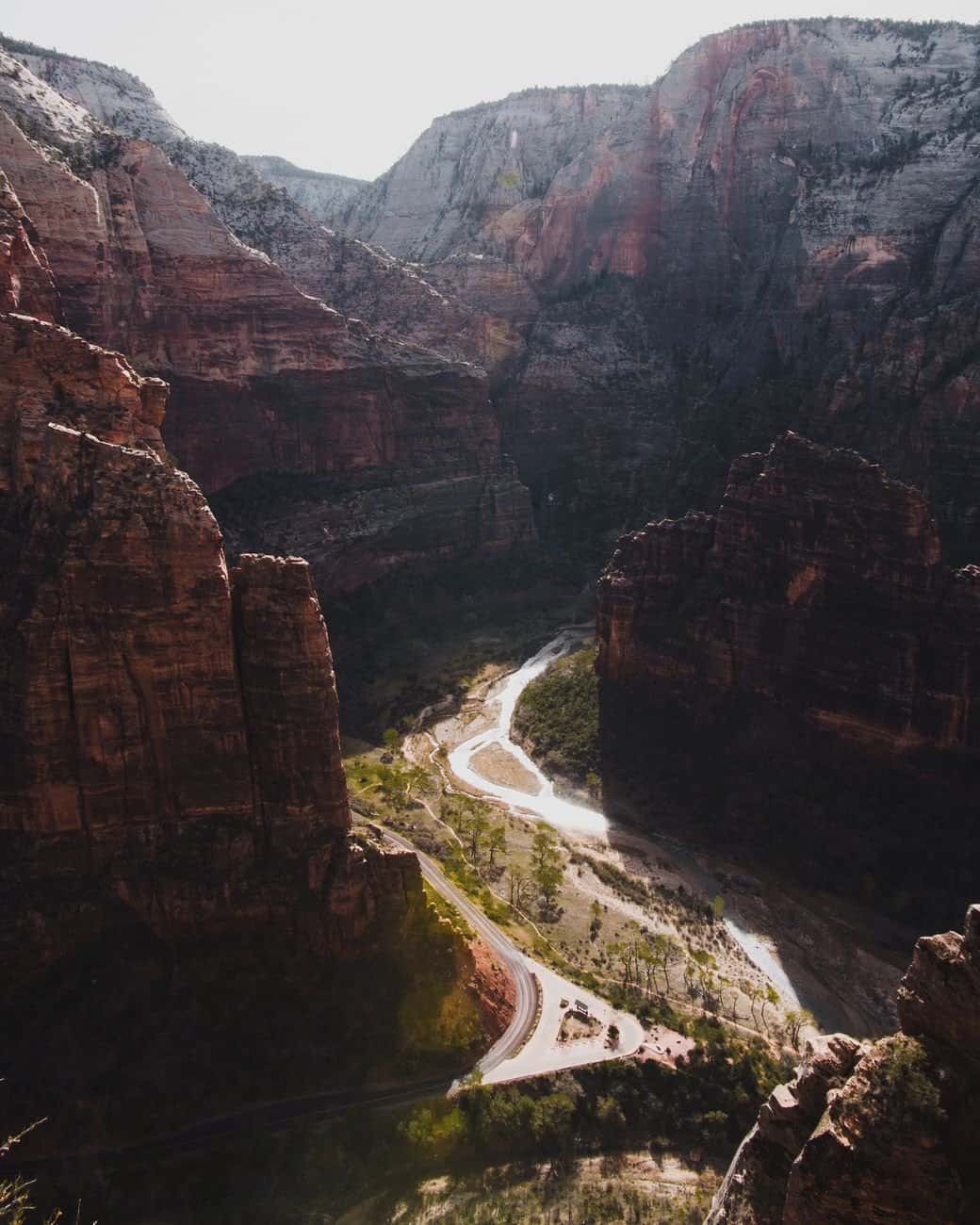
Zion requires shuttle use throughout the main canyon from spring through fall — no private vehicles allowed on the canyon floor road. The Angel’s Landing trail requires a permit (lottery system, available at recreation.gov) — one of the most competitive trail permits in the national park system. Arches requires advance vehicle entry reservations April–October. Bryce Canyon manages parking through a shuttle system similar to Zion’s. Capitol Reef and Canyonlands are meaningfully less restricted and should be planned as relief from the complexity of the other three.
The Minimum Time to Do This Trip Justice
Minimum night allocation per park:
- Zion: 2 nights minimum to experience the canyon shuttle system and at least one serious hike
- Bryce Canyon: 1 night is sufficient for the rim viewpoints and a single canyon hike
- Capitol Reef: 1 night — less crowded and accessible at a day’s pace
- Canyonlands and Arches: 2 nights to cover both parks from a Moab base
- Total: 7–10 nights for a proper Mighty 5 loop
The Mighty 5 in 5 days is a road trip that rushes past everything it’s supposed to show you. The people who come back having seen Utah at its best spent 9–10 days, allowed time for weather, hiked below the rim in Bryce at dawn, stood at Mesa Arch in Canyonlands at sunrise (a morning photo opportunity requiring a 30-minute hike and zero special permits), and didn’t try to do Angels Landing and Delicate Arch on the same day. The landscape rewards slowness in a way that the “5 parks in 5 days” itinerary structurally prevents.
The Parks Ranked by What They Offer
Zion is the most dramatically intimate of the five — you’re at the bottom of 2,000-foot sandstone walls with the Virgin River running through the canyon floor. The scale is human: the canyon is narrow enough that you feel enclosed by it. The Angels Landing ascent (permit required) and The Narrows slot canyon wade (no permit required, just wade upstream in the river) are the two experiences that define Zion. If you do only one hike in Zion, The Narrows in late spring or early fall — when the water is cool but not hypothermic — is the more accessible and arguably more memorable of the two.
Bryce Canyon is the smallest of the five and the highest elevation (8,000–9,100 feet) — its hoodoo formations (the orange spires of eroded limestone that look like chess pieces from hell) are unlike anything else in the park system. The Rim Trail follows the canyon edge for 11 miles; the Navajo Loop drops into the hoodoos themselves for a 1.3-mile close-up. Bryce in winter, with snow on the orange hoodoos and blue sky above, is the most visually distinctive winter landscape in the American Southwest — snowshoeing through the formations is legal, accessible, and almost completely uncrowded.
Arches and Canyonlands share a Moab base and represent two completely different experiences. Arches has the named features — Delicate Arch, Landscape Arch, the Windows — that appear in every Utah photograph. Canyonlands is vast and sparse: the Island in the Sky mesa overlooks the Colorado and Green River canyons from 2,000 feet above, and the views extend to monuments and buttes that take 30 minutes to reach by four-wheel drive. Mesa Arch at sunrise in Canyonlands is the one shot that both experienced and casual photographers pursue — a 30-minute hike at dawn, the arch framing the canyon below as the sun rises through it. No permit required. No crowd management. Just the arch and the light.
Permits and Reservations — The Current Status
The Utah national parks reservation system in 2026 has evolved from the emergency implementation of 2021–2023 into a more stable structure. Arches requires timed-entry vehicle reservations from April through October, available at recreation.gov up to 3 months in advance. Zion’s shuttle-only canyon policy runs April through October with no private vehicle access on the Zion Canyon Scenic Drive. Angels Landing requires a permit (lottery system) year-round. Canyonlands and Capitol Reef have no vehicle reservation requirement but campground reservations at each park fill quickly in spring and fall.
The practical implication for planning: book Arches and Angels Landing (if intended) at the maximum advance booking window. Build at least one extra day in the itinerary for weather, which affects the Mighty 5 more unpredictably than most travelers plan for. Flash flood risk in slot canyons and on canyon-bottom trails (Zion’s Narrows, Buckskin Gulch near Page AZ) requires checking the NOAA weather forecast for the entire watershed — storms that are 30 miles away can send floodwater through a dry canyon without warning. The National Park Service’s trail status updates are the most reliable same-day source for flash flood risk assessment.