Annapolis, Maryland Has 300 Years of Naval History and a Sailing Culture That Most Mid-Atlantic Travelers Miss
We may earn money or products from the companies mentioned in this post. This means if you click on the link and purchase the item, I will receive a small commission at no extra cost to you ... you're just helping re-supply our family's travel fund.
Annapolis, Maryland sits at the point where the Severn River meets the Chesapeake Bay, 30 miles from Baltimore and 30 miles from Washington DC. It is the largest maritime capital of the mid-Atlantic, home to the United States Naval Academy, and has a historic downtown that’s been continuously occupied since 1649. It’s also undervisited relative to its quality, largely because it sits between two major cities that absorb all the tourism attention in the region.
What Annapolis Has That Neither DC Nor Baltimore Does
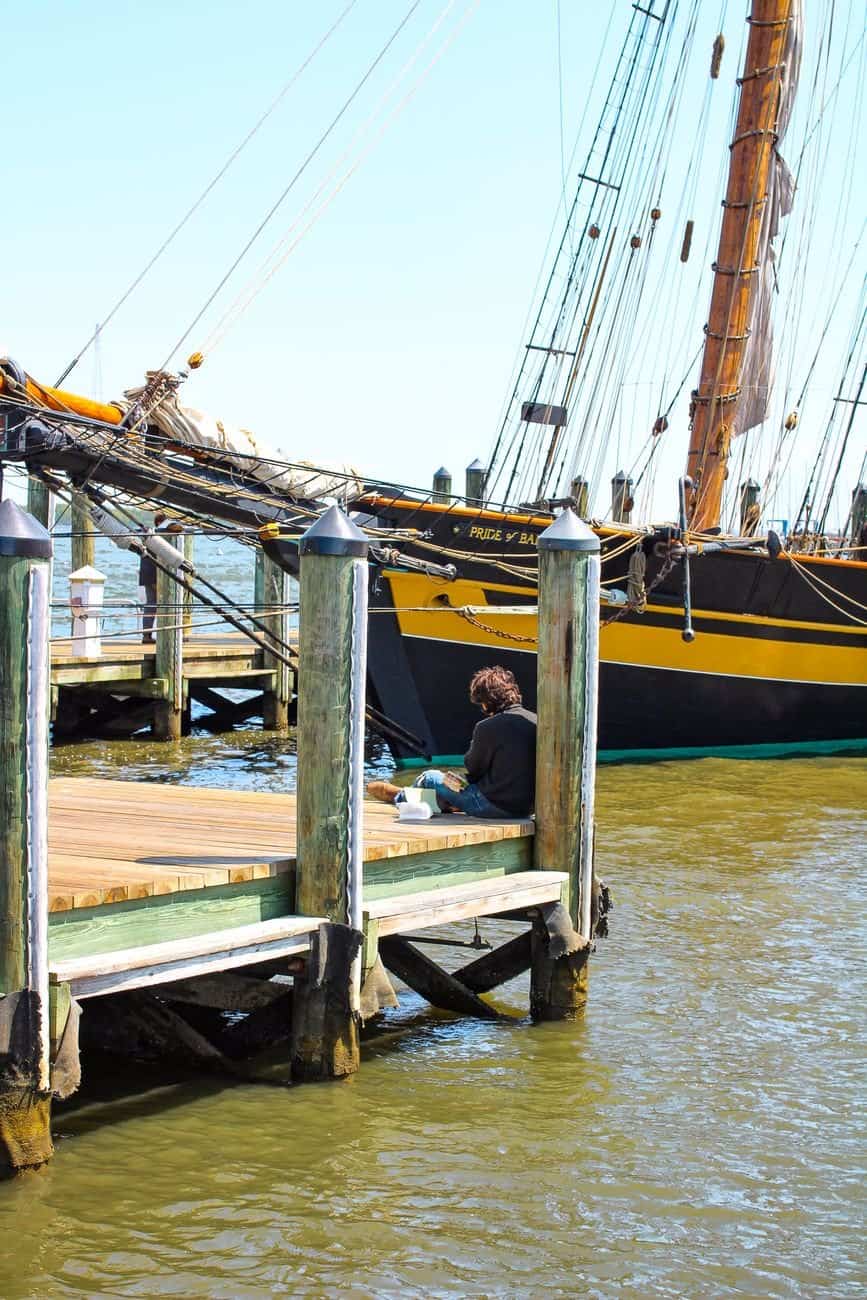
The Maryland State House is the oldest state capitol building still in continuous legislative use in the United States. The City Dock, where Main Street meets the water, has been a functioning harbor for 350 years. The sidewalk grid of Annapolis Historic District — with 18th-century brick buildings at a human scale — provides a walkable urban experience that Washington DC’s monumental scale and Baltimore’s industrial harbor don’t replicate. At the right time of year (late September through mid-October), the US Sailboat Show and US Powerboat Show bring the international sailing world to the dock.
What a Day or Weekend in Annapolis Costs
- Hotel in historic district: $180–$280/night
- US Naval Academy Visitor Center tour: free, guided tours available
- Maryland State House: free
- Crab cake dinner for two at a waterfront restaurant: $85–$130
Annapolis is the best day trip from Washington DC that most DC visitors never make. The drive is 35 minutes on a good traffic day. The experience is completely different from the monuments-and-museums DC day — maritime, historic, Chesapeake seafood focused, and walkable at a scale that doesn’t require planning. For a weekend trip from the mid-Atlantic corridor, it rewards a single overnight specifically for the City Dock at sunset and the crab cake dinner that requires being there rather than ordering it shipped.
The Chesapeake Bay Access That Defines Annapolis
Annapolis’s identity as the sailing capital of the United States isn’t a tourism slogan — it’s a functional description of a city where 70% of businesses are water-related, where the school calendar accommodates sailing season, and where the Severn River entrance to the Chesapeake Bay provides one of the most protected and navigable sailing waters on the East Coast. Charter sailboats depart from the City Dock throughout the sailing season (April–October) for 2-hour bay tours, sunset sails, and full-day Chesapeake excursions. The bay’s distinctive chop and the view of the Naval Academy bridge from the water make the boat trip a different Annapolis than the one visible from the streets.
The Maryland blue crab is the Chesapeake Bay’s iconic food, and Annapolis is the most accessible city for experiencing it as intended: hard-shell crabs steamed with Old Bay seasoning, served on brown paper at a waterfront restaurant with wooden mallets and a pile of napkins. The crab picking technique takes 10 minutes to learn and rewards the effort. The Chesapeake Bay blue crab season runs May through October; September and October crabs are the largest and sweetest of the season. A table of steamed crabs for two at a good Annapolis crab house runs $80–$120 and is one of the most specific regional food experiences on the East Coast.
The combination of the historic district walkability, the Naval Academy tours, the waterfront sailing culture, and the blue crab tradition makes Annapolis one of the most self-contained day-trip or overnight destinations on the mid-Atlantic corridor. Washington DC visitors who make the 35-minute drive find a city that’s the structural opposite of the capital — human-scale, maritime, colonial in the best architectural sense, and unhurried in a way that’s been engineered out of DC by the demands of government and tourism at scale.
When to Visit Annapolis
Annapolis timing matters more than most mid-Atlantic cities because the Naval Academy graduation ceremony (late May) and the US Sailboat Show (mid-October) both create significant accommodation price spikes and crowd density. The week of the Sailboat Show — which has been held annually since 1970 and draws the international sailing industry, yacht brokers, and serious sailors from across the East Coast — is the best single week to be in Annapolis if you have any interest in sailing culture; it’s also the week when hotels hit $350–$450/night and the City Dock is a wall-to-wall exhibition.
For visitors who want Annapolis at its most pleasant without the event crowds, May (between graduation week and the summer tourism buildup), September, and early October all provide full access to the city’s character at prices 20–30% below peak. The Chesapeake Bay crab season is in full force through October, and the fall color on the Maryland Eastern Shore’s farm roads within a 45-minute drive of Annapolis adds a landscape dimension to the trip that summer visitors miss.