TSA PreCheck vs. Global Entry vs. CLEAR: We Did the Math So You Don’t Waste $179
We may earn money or products from the companies mentioned in this post. This means if you click on the link and purchase the item, I will receive a small commission at no extra cost to you ... you're just helping re-supply our family's travel fund.
Every travel website will tell you the same thing: get all three. TSA PreCheck, Global Entry, CLEAR — get them all, use them all, never wait in a line again.
This is lazy advice. It ignores what each program actually does, what each costs, and — most importantly — which combination makes sense for different types of travelers. Someone who flies twice a year domestically does not have the same needs as a road warrior logging 150,000 miles annually.
Here’s the honest breakdown with enough detail to make an actual decision.
The Problem With Generic ‘Get All Three’ Advice

The “get all three” advice proliferates because:
- Travel bloggers get referral commissions on program sign-ups
- The advice is technically not wrong — all three programs have value
- Most advice is written for heavy travelers for whom the math obviously pencils out
For casual travelers, the math looks very different. Let’s break each one down honestly.
TSA PreCheck: What It Does and Who Actually Needs It
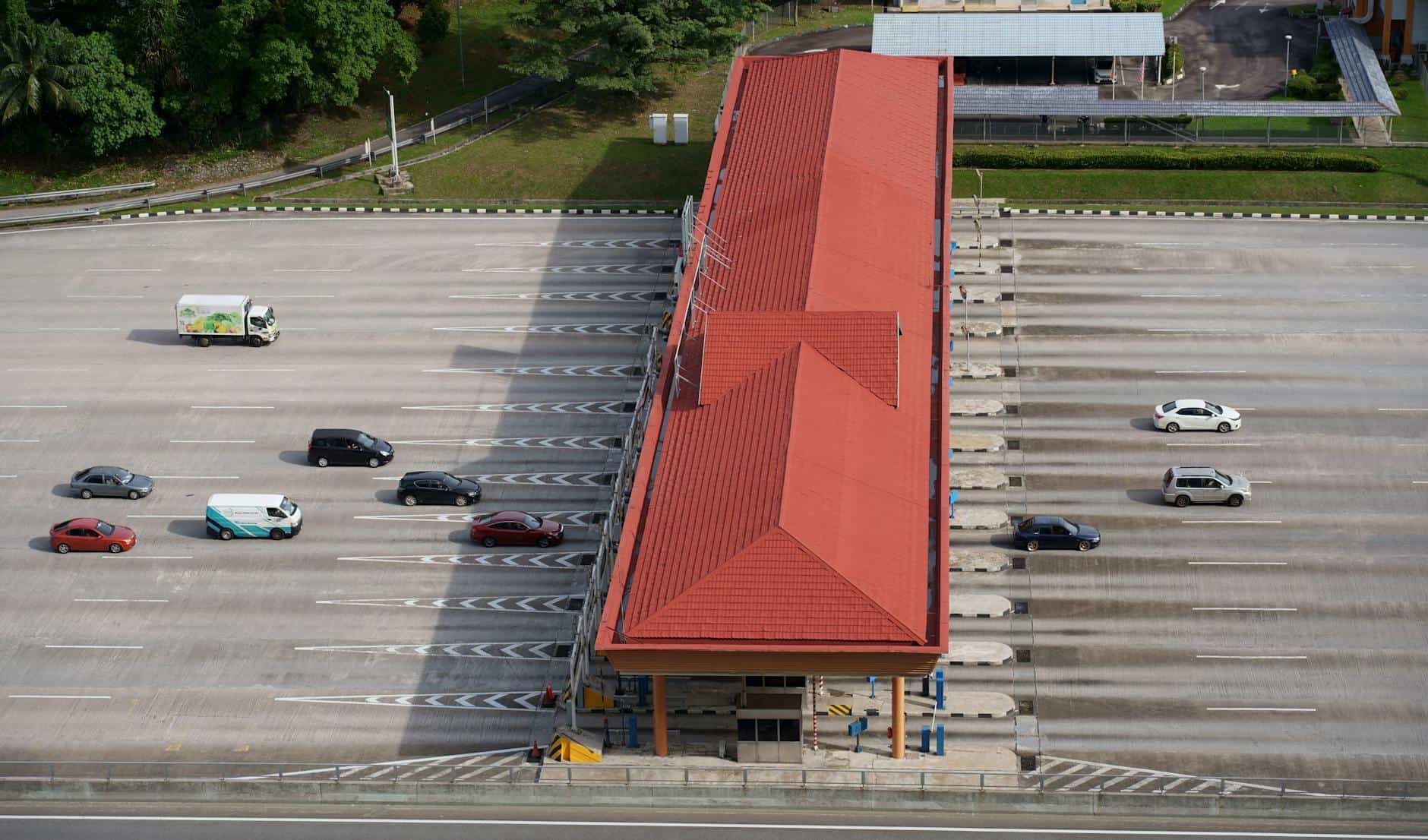
What it is: TSA PreCheck gets you access to a dedicated security lane where you don’t remove shoes, laptops, or liquids from your bag. You still go through a standard metal detector or millimeter wave scanner.
Cost (2026): $85 for five years; $70 renewal.
Where it works: TSA PreCheck is available at more than 200 U.S. airports and with more than 85 participating airlines. For domestic travel, coverage is excellent.
The real benefit: The PreCheck lane is almost always shorter than the standard lane. At major hubs during peak hours, PreCheck can save 20–40 minutes consistently.
Who genuinely needs it:
- Anyone flying 4+ times per year domestically. At $17/year, the time savings alone make it worth it after about three uses.
- Travelers who frequently fly through congested hubs (ATL, LAX, ORD, JFK, DFW) where security lines are consistently long.
Who probably doesn’t need it:
- People who fly once or twice a year and primarily use small regional airports where standard security is already fast
- Anyone who already has Global Entry (which includes PreCheck automatically)
Global Entry: The Better Deal If You Qualify

What it is: Global Entry gives you expedited U.S. Customs processing when entering the United States from abroad. Instead of standing in the customs declaration line (which at major international gateways can take 45–90 minutes), you use a kiosk and are typically through in 5–10 minutes. Global Entry also includes TSA PreCheck.
Cost (2026): $100 for five years — only $15 more than PreCheck alone.
The catch: Global Entry requires an in-person interview at a Global Entry Enrollment Center. The interview is brief (15–30 minutes) but requires scheduling, and wait times for interviews can be several months at busy locations. If you’re approved for Trusted Traveler programs through Nexus or SENTRI (for Canadian and Mexican border crossings respectively), you already have Global Entry benefits.
Who genuinely needs it:
- Anyone who takes even one international trip per year — the customs clearance time savings on a single return from Europe or Asia more than justifies the $15 premium over PreCheck alone
- International business travelers for whom customs line times represent significant productivity loss
The math is obvious: If you might ever travel internationally, get Global Entry instead of PreCheck. The $15 premium is one of the clearest no-brainer decisions in travel.
CLEAR: The Most Misunderstood of the Three
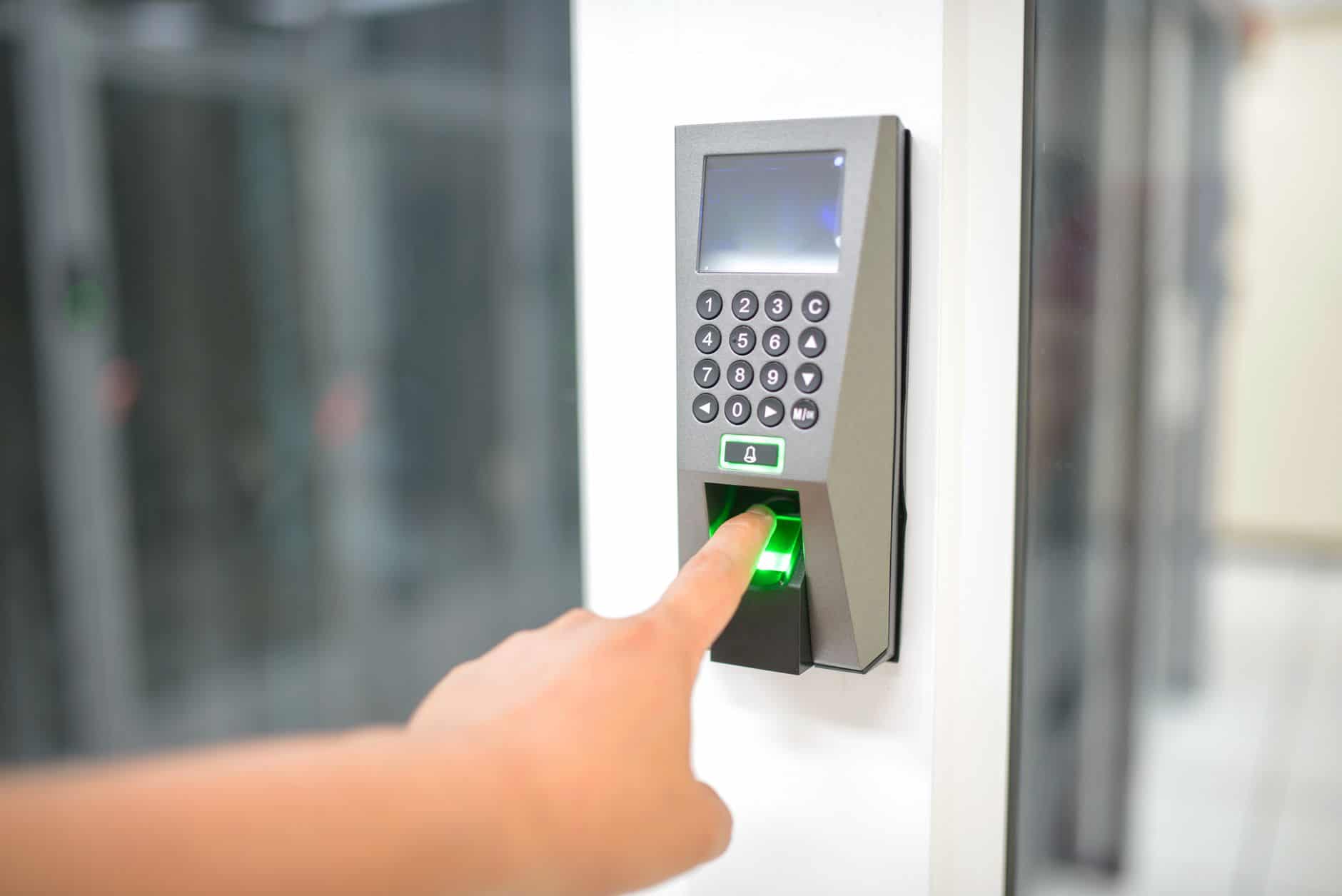
What it is: CLEAR is a private biometric identity verification service. At CLEAR lanes, you verify your identity using your eyes or fingerprints instead of showing an ID, which gets you to the front of the security line — not through a dedicated lane, but ahead of the people waiting to have their ID checked.
Cost (2026): $199/year (family plans available; first year discounts available through airlines and credit cards).
The critical distinction most people miss: CLEAR does NOT replace TSA PreCheck or standard security screening. CLEAR gets you to the front of the ID check queue. You still go through the standard security screening process after. Without PreCheck, you’re still removing shoes and laptops after CLEAR saves you five minutes at ID check.
CLEAR’s actual value: It’s best understood as an add-on to PreCheck or Global Entry, not a standalone alternative. The combination of CLEAR + PreCheck means you skip the ID line AND go to the expedited screening lane.
Who genuinely needs it:
- Very heavy travelers (100+ flights per year) for whom minutes of time savings at every airport add up meaningfully
- Travelers who frequently forget or misplace their ID (CLEAR can authenticate you with just your biometrics)
- People whose PreCheck isn’t triggered consistently (elite frequent flyers sometimes lose their indicator randomly)
Who probably doesn’t need it:
- Anyone who flies fewer than 30 times a year and already has PreCheck — the ID check line is rarely the bottleneck
- Budget travelers — $199/year for a modest convenience improvement is hard to justify
The Real-World Scenarios That Determine What to Get

- “I fly 3–4 times a year, all domestic, small airports” Verdict: TSA PreCheck only. $85 for five years. Done.
- “I fly 6+ times a year domestically, occasional international trip” Verdict: Global Entry (includes PreCheck). $100 for five years. The clear best choice.
- “I travel internationally several times a year and fly 50+ flights total” Verdict: Global Entry + CLEAR. Total ~$300/year. Both earn their keep at this travel volume.
- “I travel internationally constantly and am at major airports more than 3 times a week” Verdict: All three, and almost certainly your credit card is covering at least one of them already.
How to Get Any of Them for Free (or Heavily Discounted)
This is where the advice improves significantly for most people:
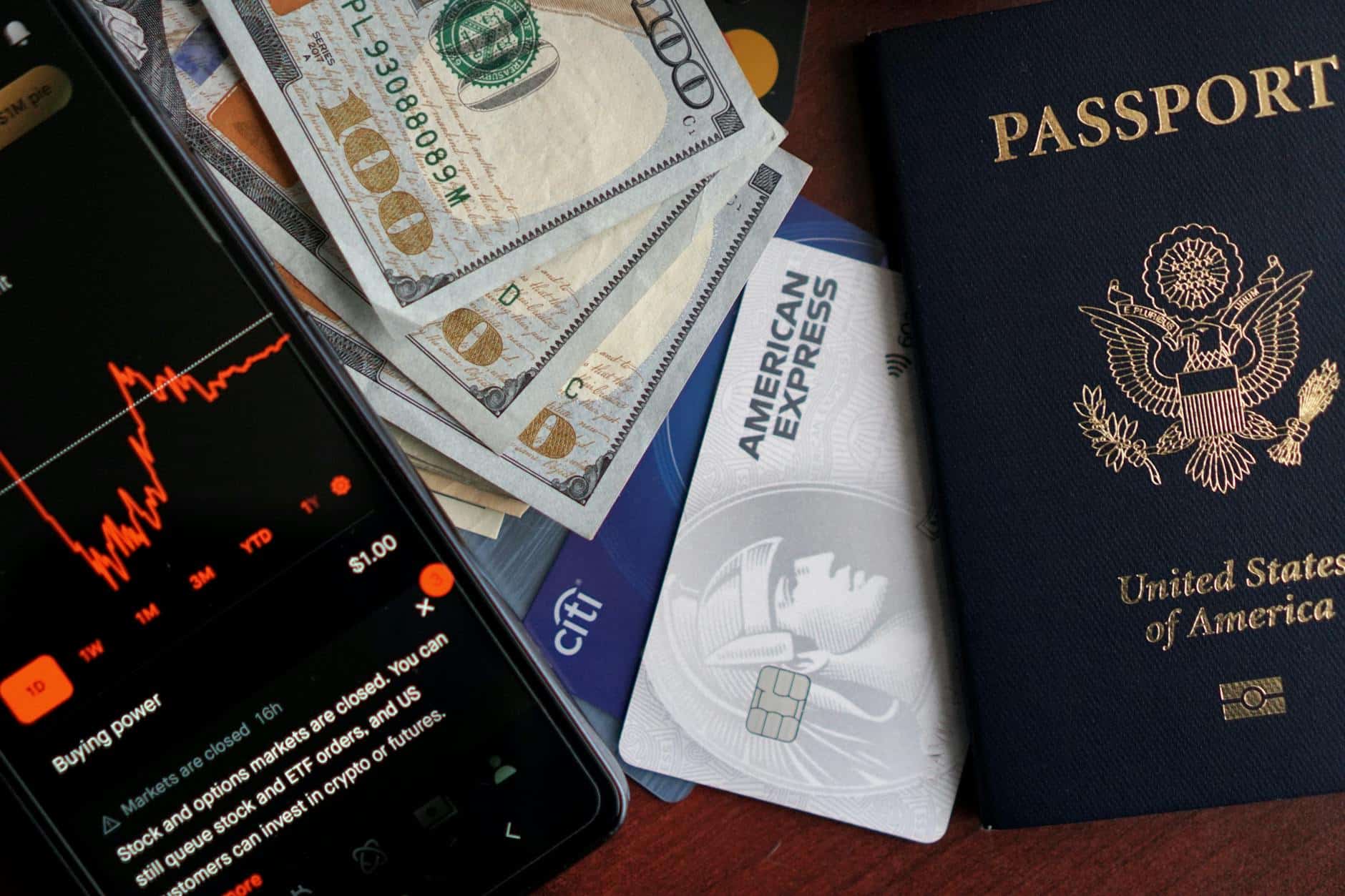
- Global Entry application fee: Covered by many travel credit cards including the Chase Sapphire Reserve, American Express Platinum, Capital One Venture X, Citi / AAdvantage Executive, and several others. Check your current card before paying out of pocket.
- TSA PreCheck: Covered by many of the same cards; also available as a benefit through some employer travel programs.
- CLEAR: Delta SkyMiles members get discounted CLEAR ($99/year vs. $199); United and American have similar partnerships. AmEx Platinum provides CLEAR Plus membership. Delta Diamond and Platinum Medallion members get CLEAR free.
- Nexus (for U.S./Canada travelers): The Nexus program ($50 for five years) includes Global Entry and PreCheck benefits and is dramatically underused by people who live near or frequently cross the northern border.
The Bottom Line for 2026

Here’s the simplest summary:
- Check if your current credit card covers the Global Entry fee — it probably does.
- If yes: apply for Global Entry (includes PreCheck). Cost to you: $0. Benefit: enormous.
- If no: decide whether you ever fly internationally. If yes, pay the $100 for Global Entry. If strictly domestic, $85 for PreCheck.
- Add CLEAR only if you’re a very heavy flyer or your credit card/airline status covers it at no additional cost.
The “get all three” advice isn’t wrong. But it’s also not always the right answer. The right answer is the one that matches your actual travel pattern — not someone else’s.