Every State Has a Food That Lives There and Nowhere Else. Here’s the Complete, Honest List.
We may earn money or products from the companies mentioned in this post. This means if you click on the link and purchase the item, I will receive a small commission at no extra cost to you ... you're just helping re-supply our family's travel fund.
Let’s be clear about what this list is not. It’s not “the best food in each state” or “famous restaurants by state” or “regional chains worth visiting.” Those lists are fine but they’re everywhere.
This is specifically: foods that were created in, defined by, and remain most authentically experienced in a particular state — things where showing up to the source genuinely matters. Things that have been adapted elsewhere but where the original is meaningfully, noticeably different. Things locals will defend aggressively.
Why This List Is Different
Every state has foods it’s associated with. Very few have foods that are truly, specifically theirs in a way that holds up to scrutiny. The criteria here:
- The dish originated in or is most authentically associated with a specific state
- The local version is meaningfully different from imitations found elsewhere
- Locals identify with it as a regional point of pride
- Seeking it out is a legitimate reason to visit or worth your time if you’re passing through
The South
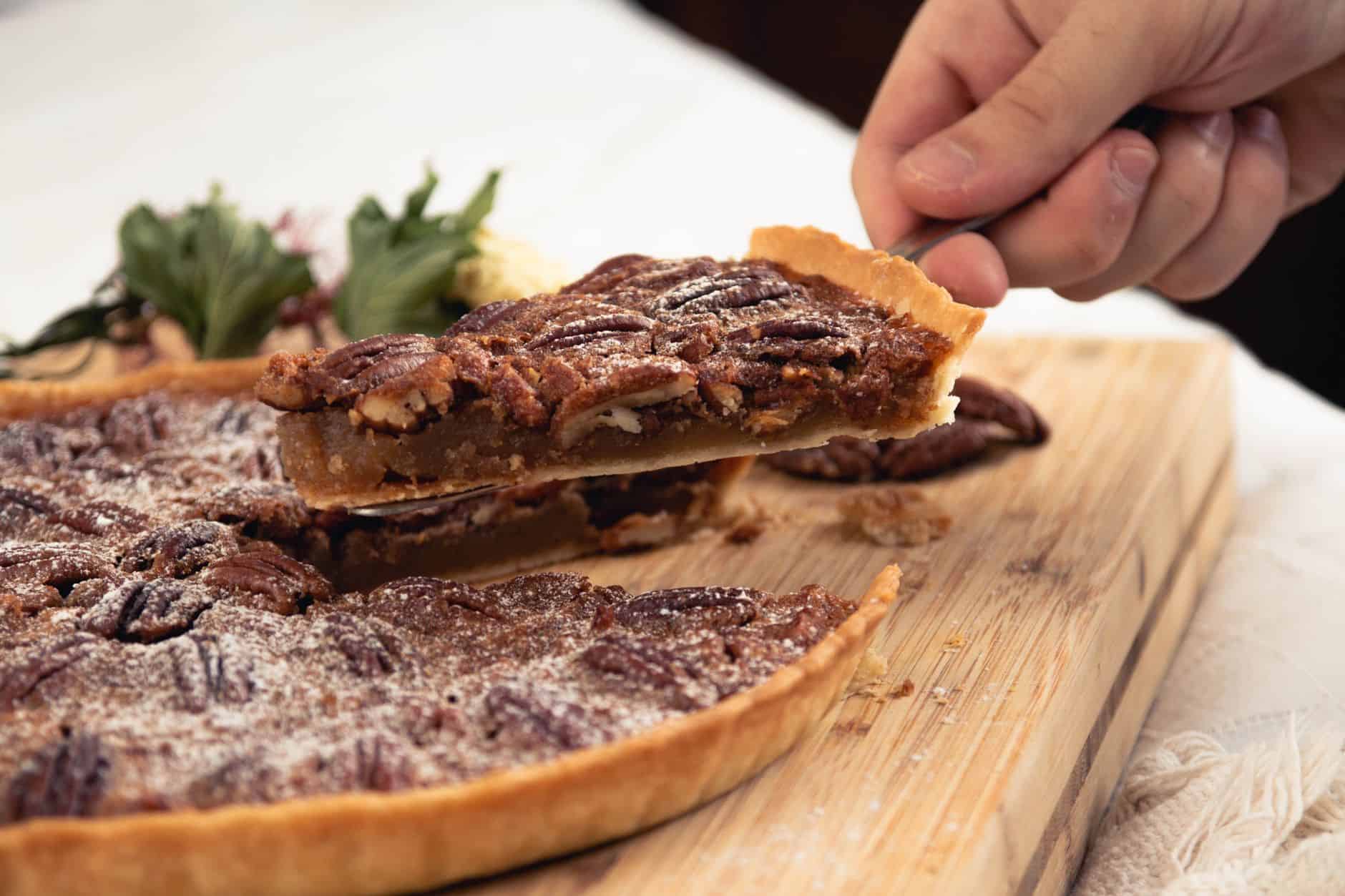
- Alabama: White BBQ Sauce Alabama’s white BBQ sauce — mayonnaise-based, tangy, peppery — was invented by Big Bob Gibson in Decatur in 1925. Outside of northern Alabama, it’s hard to find. The experience of it on smoked chicken at a proper Alabama ‘cue joint is unlike anything available in any other state.
- Louisiana: Boudin Not the French version. Louisiana boudin is a pork-and-rice sausage stuffed into a casing — sold from gas stations, convenience stores, and specialist boudin shops across Acadiana. You eat it by squeezing the filling from the casing. It’s found in Texas and elsewhere, but the Louisiana version, made fresh daily and sold from roadside stops, is different in a way that matters.
- Tennessee: Hot Chicken Nashville hot chicken was created at Prince’s Hot Chicken in Nashville in the 1930s. It has been copied everywhere. It is not the same anywhere. The heat, the cayenne paste, the way it’s served on white bread with pickles — at Prince’s or Hattie B’s or Bolton’s, there’s a reference-level experience that the nationwide chains are approximating but haven’t matched.
- Georgia: Boiled Peanuts Fresh, green peanuts boiled in heavily salted water (sometimes spiced, sometimes Cajun-influenced) until they reach a soft, earthy, deeply satisfying texture. Available from roadside stands across rural Georgia and the Deep South. The specific texture and flavor profile requires fresh green peanuts — impossible to reproduce faithfully with canned.
- Mississippi: Tamales (Delta Tamales) The Mississippi Delta has a 100-year tradition of hot tamales — a smaller, moister version than the Mexican original, sold wrapped in corn husks and eaten as a street food or from tamale houses throughout Greenville, Clarksdale, and the Delta. The origin story involves Mexican workers on Delta plantations in the early 20th century. The local version is genuinely distinct.
- Kentucky: Burgoo A thick, slow-cooked stew made from whatever meat is available (historically including squirrel and mutton), vegetables, and seasoning that cooks for hours. Traditional at Kentucky Derby celebrations and church fundraisers. Genuinely hard to find outside of Kentucky.
- South Carolina: Pulled Pork with Mustard Sauce South Carolina is the only state with four distinct BBQ sauce traditions, but the mustard-based sauce of the Midlands — yellow, tangy, and sweet — is the one you truly cannot find anywhere else. It’s on everything in the Columbia and Orangeburg areas.
- North Carolina: Whole-Hog BBQ (Eastern Style) Eastern North Carolina-style BBQ uses the whole hog, cooked over wood coals, chopped and seasoned with nothing but vinegar and pepper. No tomato, no sweetness. The technique and the taste require the context — open-pit wood cookery passed down across generations.
- Virginia: Brunswick Stew Virginia and Georgia both claim invention. Virginia’s version is tomato-based, thick, often made with chicken or pork, and served as a side to BBQ across the state. The specific regional variation in seasoning and preparation makes the Virginia version a distinct experience.
- Arkansas: Fried Catfish (with all the trimmings) Every Southern state has fried catfish, but the Arkansas version — cornmeal-crusted, fried in cast iron or a commercial fryer at a roadside shack, served with hush puppies and coleslaw — represents a specific tradition that’s thickest along the river delta communities of eastern Arkansas.
The Northeast
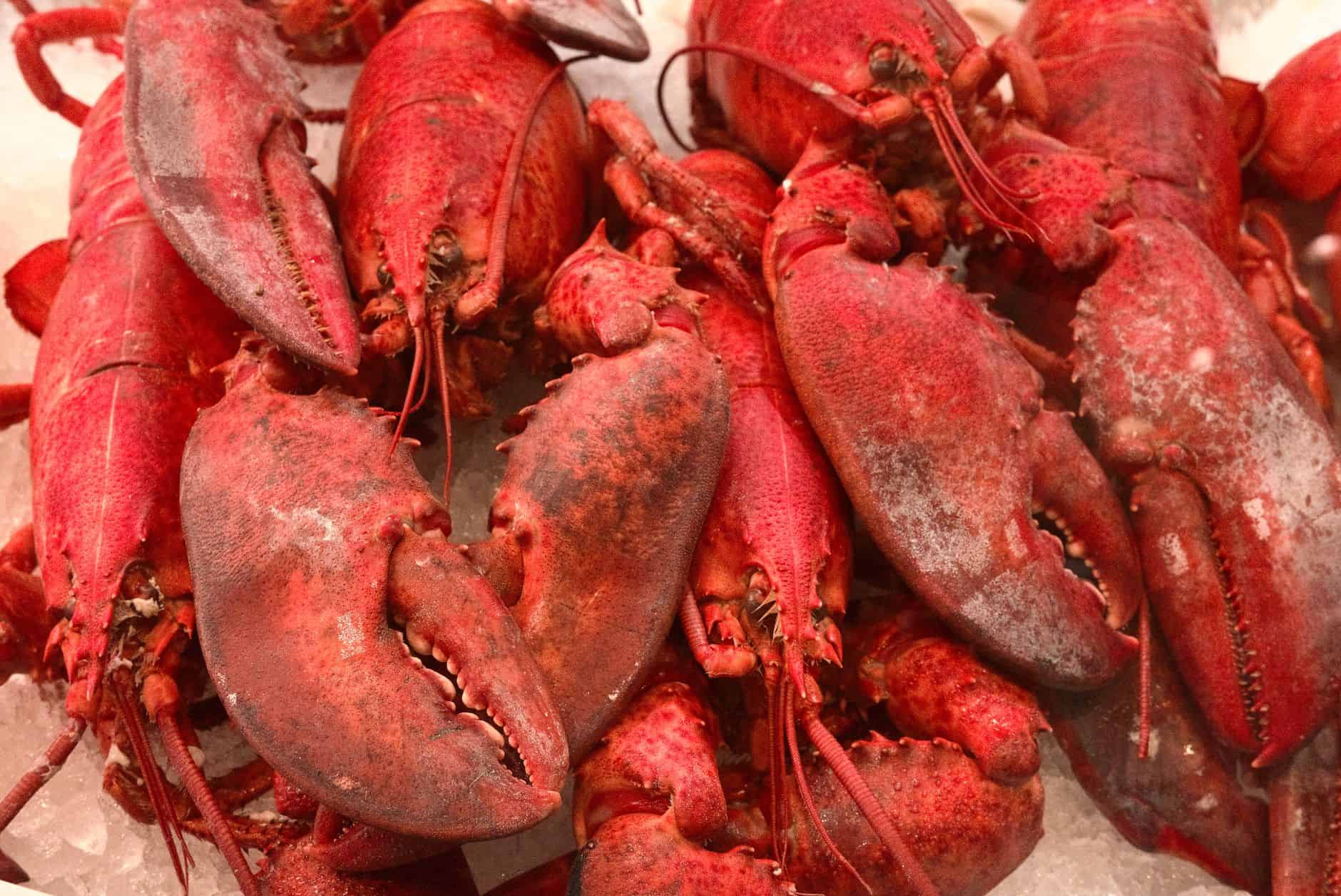
- Maine: Lobster Roll (Cold, Mayo-Style) The cold lobster roll — chilled lobster meat with light mayo on a split-top hot dog bun — is Maine’s. Connecticut invented the warm, butter-poached version. The Maine version at a shack on the coast, made with lobster caught that morning, is a benchmark that matters.
- Massachusetts: Clam Chowder New England clam chowder. The cream-based version. Served in a bread bowl at Legal Sea Foods if you want the tourist experience, or at any number of lobster shacks on Cape Cod if you want the better version.
- Rhode Island: Coffee Milk Rhode Island’s official state drink. Coffee syrup (not cream, not grounds — syrup) mixed into cold milk. Awful-sounding in description, inexplicably good, and genuinely specific to Rhode Island. Autocrat is the brand; you can buy the syrup at most Rhode Island grocery stores.
- Vermont: Maple Creemee A soft-serve ice cream made with maple syrup or maple flavoring — softer, richer, and more intensely maple-flavored than anything labeled “maple” elsewhere. Found at farm stands, sugar houses, and small dairy operations throughout Vermont. The combination of real Vermont maple and fresh dairy is unreproducible.
- New York: Salt Bagels (Old-School NYC Bagel) New York bagels are different. This is not a myth or a marketing claim. The water contributes, but so does the culture — the technique, the density, the slight chew. Specifically: a salt bagel from a century-old bakery like Russ & Daughters or Kossar’s is a different object than what is sold as a bagel in most of the country.
- Pennsylvania: Scrapple Pork scraps and trimmings combined with cornmeal and spices, formed into a loaf, then sliced and pan-fried until crispy. A breakfast staple in Pennsylvania Dutch country. Available in parts of the mid-Atlantic, but the heart of scrapple culture is southeastern Pennsylvania.
- New Jersey: Pork Roll (Taylor Ham) Pork roll — a processed pork product sliced thick and griddled — is on every diner menu in New Jersey, often in a “pork roll, egg, and cheese” sandwich on a hard roll. Meaningless outside the state. Central to New Jersey identity in a way that visitors find disproportionate until they try one.
The Midwest
- Ohio: Goetta Cincinnati’s answer to scrapple — a mixture of ground meat and steel-cut oats formed into a loaf and pan-fried. A German immigrant contribution to Cincinnati’s food culture. Genuinely almost impossible to find outside of the Greater Cincinnati area.
- Illinois: Chicago-Style Pizza (Deep Dish) Yes, it’s famous. It’s also legitimately different at the source. Giordano’s, Lou Malnati’s, and Pequod’s each represent distinct styles within the tradition. The tourist version is real, but the neighborhood version — eaten at a local spot in Wicker Park or Logan Square — is better.
- Wisconsin: Cheese Curds Fresh cheese curds squeak when you bite them. The squeak means they’re fresh — within a day of production. Outside of Wisconsin, cheese curds are almost universally old enough to have lost the squeak. In Wisconsin, you can get fresh-squeaky curds from gas stations and grocery stores.
- Minnesota: Hotdish The Lutheran church basement staple — a casserole of ground beef, cream of mushroom soup, green beans, and Tater Tots baked until the whole thing becomes a unified thing. Found at every Minnesota church supper and family gathering. The specific combination is genuinely regional.
- Indiana: Breaded Pork Tenderloin Sandwich A pork loin pounded until it’s larger than the bun it comes on, breaded, and fried. Found throughout Indiana at diners, supper clubs, and VFW halls. The scale — a six-inch piece of pork on a three-inch bun — is part of the point.
- Kansas: Bierocks A yeast roll stuffed with ground beef, cabbage, and onion — a German-Russian immigrant contribution to Kansas food culture. Found at church sales, home kitchens, and local fast food chains (Runza if you’re in Nebraska) throughout the Plains states.
The West and Southwest
- New Mexico: Green Chile Everything New Mexico’s Hatch green chile is not just an ingredient — it’s a food culture. Roasted, peeled, and added to everything from cheeseburgers to enchiladas to morning eggs. The Hatch Valley grows a variety of New Mexican chile that has a specific heat and flavor profile that cannot be replicated from other chiles. The fall roasting season (August–October) is the best time to experience it.
- Texas: Brisket (Central Texas BBQ) Post oak-smoked beef brisket, salt and pepper only, rested and served on butcher paper with white bread and pickles. The reference experience is Franklin Barbecue in Austin, which requires a four-hour line. The actual tradition is accessible throughout Lockhart, Luling, and Taylor — the triangle of Texas BBQ that is the undisputed world headquarters of the craft.
- Arizona: Sonoran Hot Dog A bacon-wrapped hot dog in a bolillo-style bun, topped with beans, tomatoes, mayo, mustard, and jalapeño salsa. A Sonoran cuisine import brought to Tucson from Mexico. Found from street carts and hole-in-the-wall shops across Tucson and Phoenix. The combination sounds implausible; it is magnificent.
The Mountain States
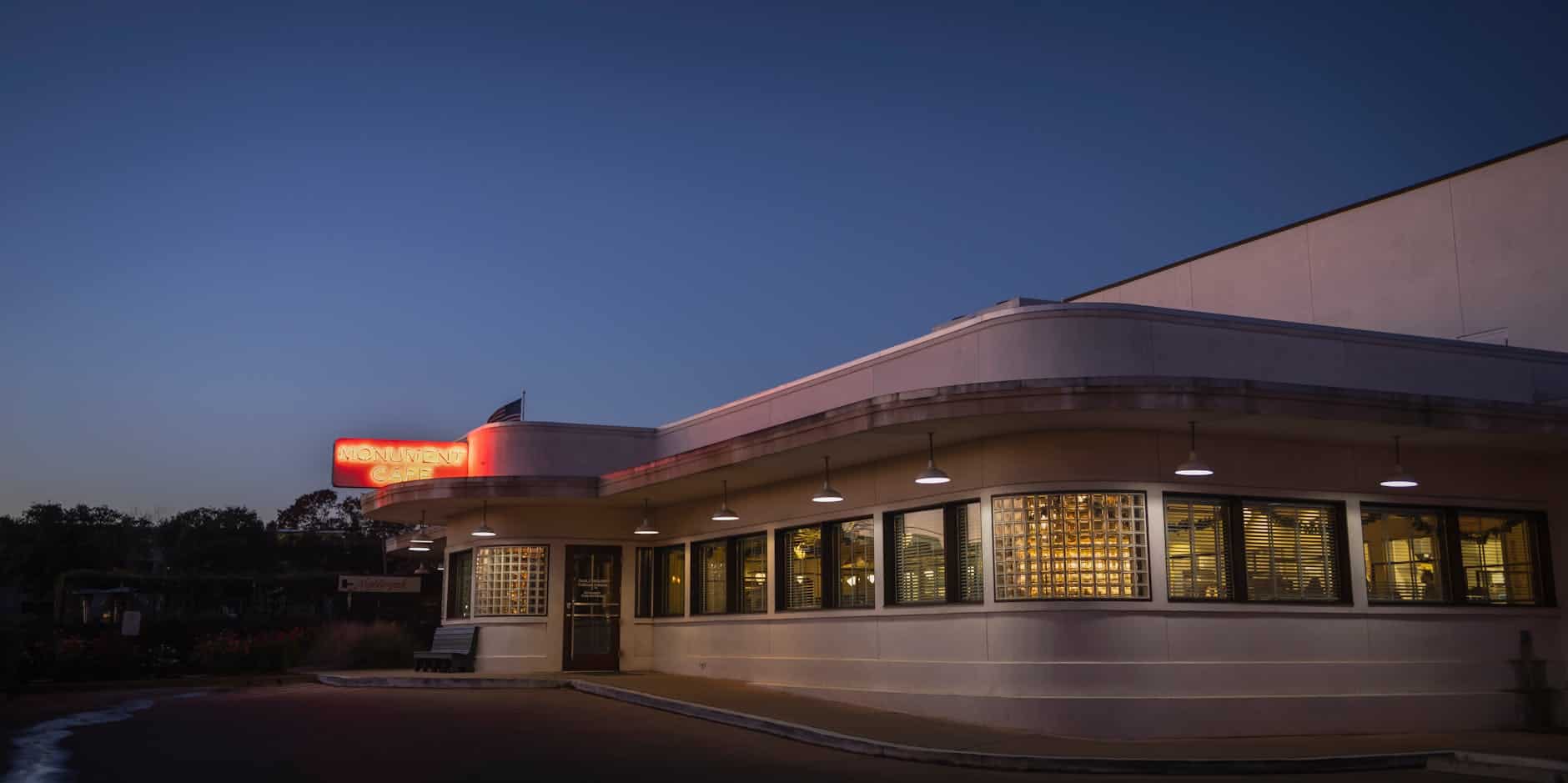
- Colorado: Green Chili (Pork) Different from New Mexico’s version — Colorado green chili is a thick pork stew served smothered over burritos and breakfast plates across Denver. The Pueblo variety uses locally grown Pueblo chiles and has a loyal following among people who will drive two hours for the right bowl.
- Utah: Fry Sauce A 50/50 blend of ketchup and mayonnaise served with everything, everywhere, without exception. Invented in Salt Lake City in the 1940s. Now available nationally but still the condiment of record for every Utah child who grew up dunking fries at Arctic Circle.
The Pacific Coast and Hawaii
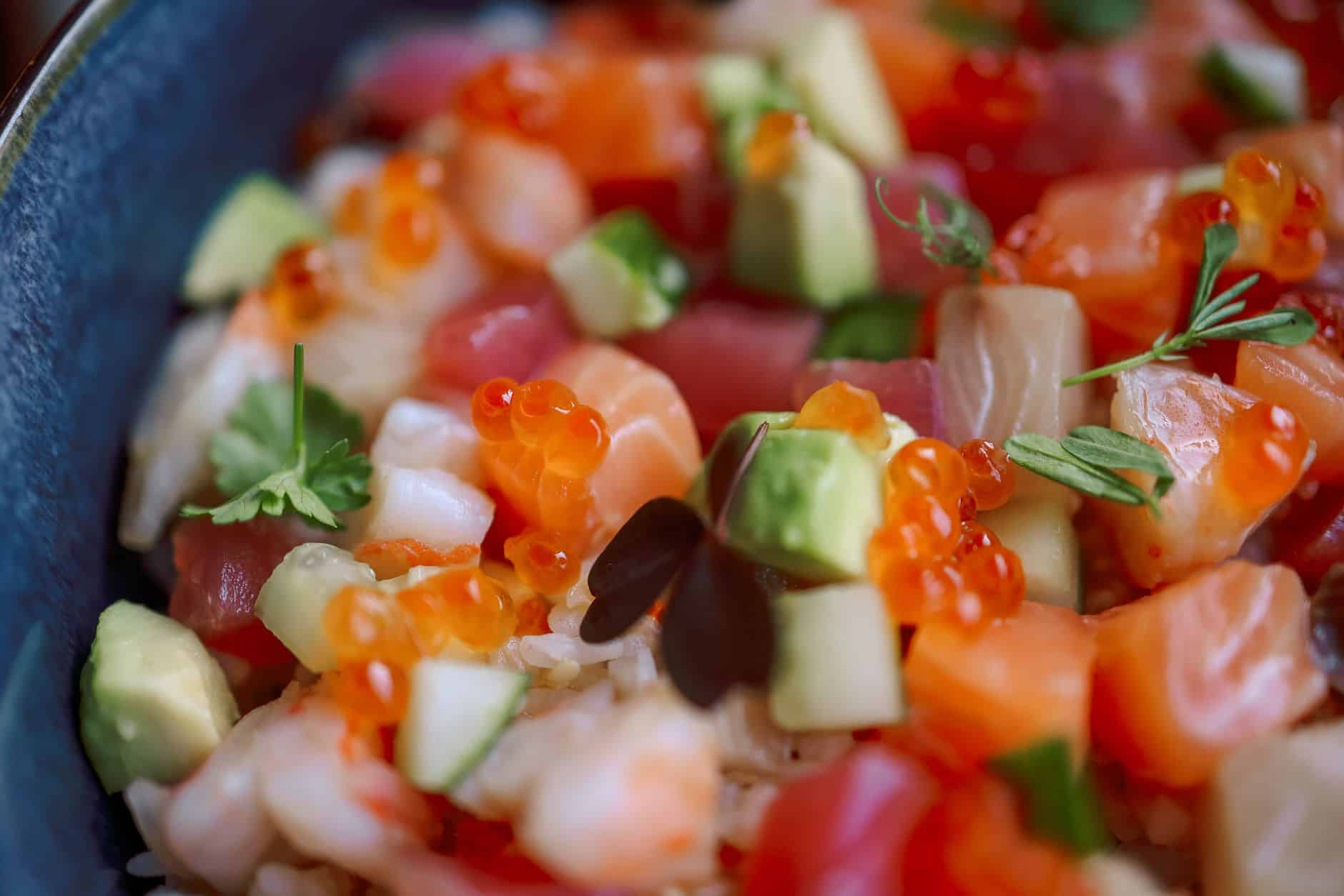
- Hawaii: Plate Lunch Two scoops of rice, one scoop of macaroni salad, and a protein — typically teriyaki chicken, kalua pork, or loco moco (hamburger patty with gravy and fried egg). The plate lunch is Hawaiian comfort food, available from lunch wagons and diners across all the islands. The specific combination is a cultural artifact worth seeking out.
- California: California Burrito (San Diego) A carne asada burrito stuffed with French fries — a San Diego creation that has become the standard-bearer of Mission-style burrito culture. The French fries inside the burrito are not optional; they are the point.
- Oregon: Marionberry Pie The marionberry — developed by Oregon State University, grown almost exclusively in the Willamette Valley — is the blackberry crossed with several other varieties that produces a uniquely sweet-tart berry. Marionberry pie, jam, and ice cream are seasonally available throughout western Oregon and represent a genuinely local ingredient unavailable elsewhere.
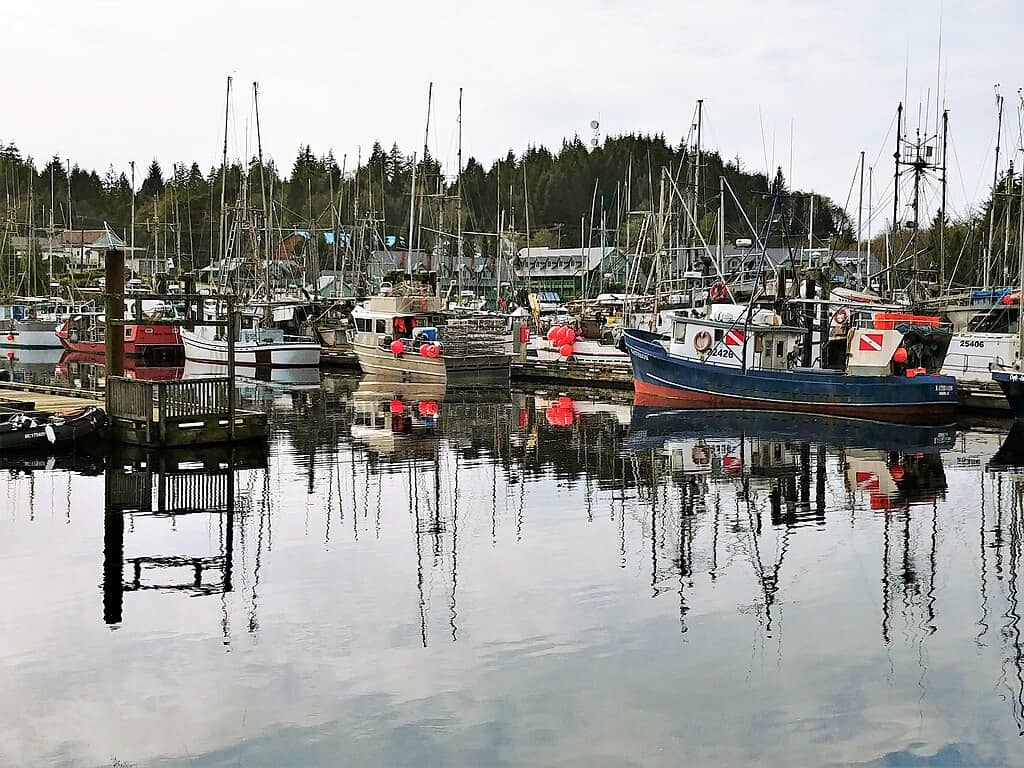
- Washington: Dungeness Crab Available along the entire Pacific coast, but the docks of the Puget Sound and the ferry terminals of the San Juan Islands serve it freshest and most immediately. A whole cracked Dungeness crab with drawn butter, bought directly from a dock fisherman, is the Washington benchmark.
- Alaska: King Crab Obvious, but legitimate. Wild-caught Alaska king crab legs eaten in Juneau, Ketchikan, or Homer — where the boats unloaded this morning — taste significantly different from the frozen product that travels to the rest of the country. The freshness matters enormously.