Why Hotel Search Results Don’t Show Everyone the Same Stays — 4 Signals Shape What You See First
We may earn money or products from the companies mentioned in this post. This means if you click on the link and purchase the item, I will receive a small commission at no extra cost to you ... you're just helping re-supply our family's travel fund.
A travel search result looks like a menu, but it is usually a ranking system. Before a traveler sees a hotel, tour, restaurant, or flight option, platforms may weigh relevance to the query, availability, price or value, past conversion behavior, reviews, location, commissions, sponsored placement, and personal signals. The exact formulas are proprietary and change regularly. The important fact is simpler: the first result is not necessarily the most suitable place for every traveler.
The first screen is a ranking system
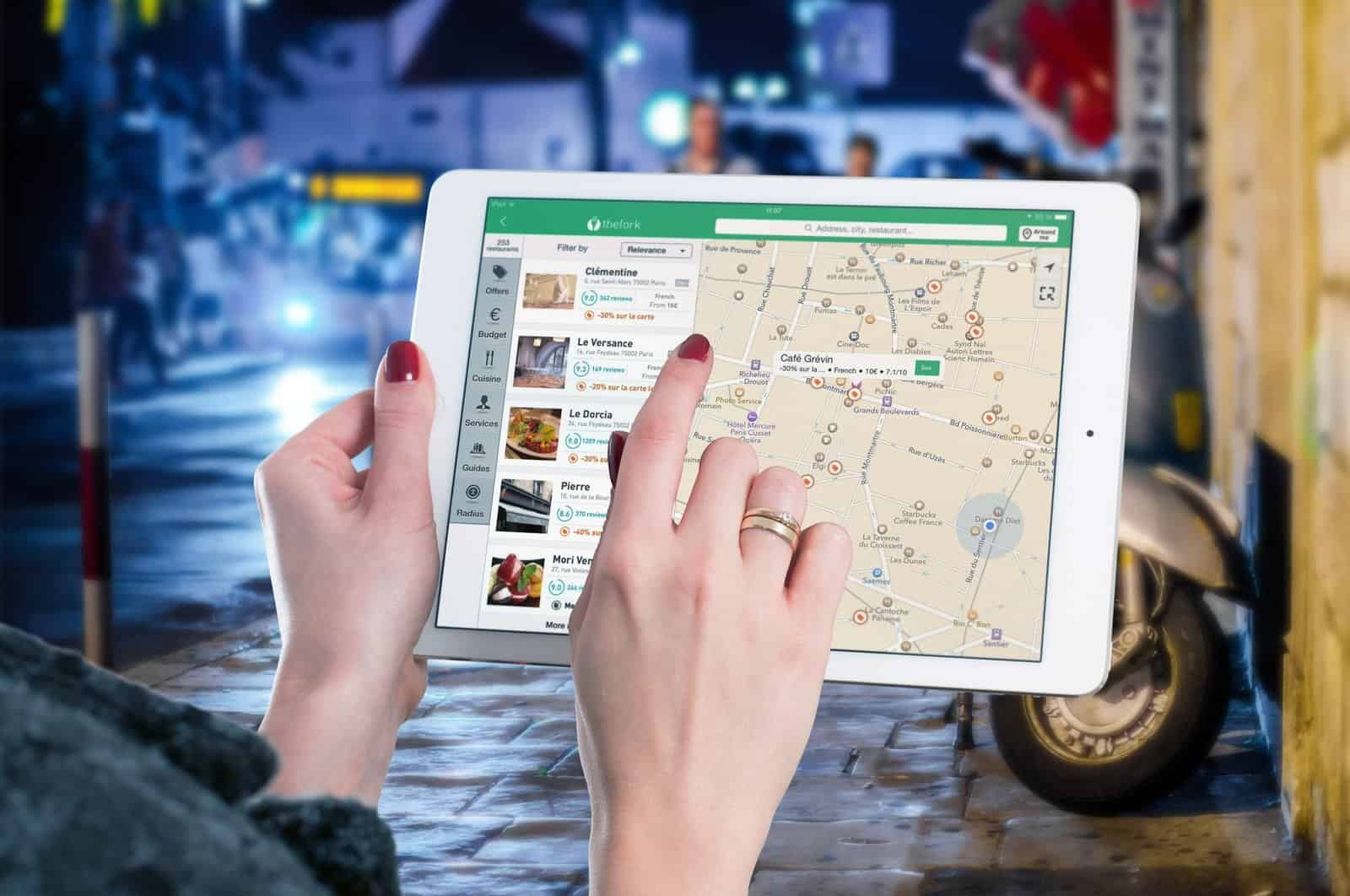
Four common signals recur across travel platforms: textual match to the search, inventory available for the selected dates, predicted likelihood that someone will book or click, and commercial or editorial prominence. Reviews and distance may feed the prediction; so might images, cancellation terms, language, device, previous searches, or loyalty status. A hotel sold out on your dates cannot rank first for a booking query, no matter how good it is. A paid placement may also be labeled and placed prominently even when its fit is ordinary.
Price is only one input
The traveler’s own behavior shapes the screen. Searching from a specific location, using a platform while logged in, filtering for free cancellation, or repeatedly clicking a certain property can affect what appears. That personalization can save time, but it can also hide alternatives in adjacent neighborhoods, different airports, or smaller properties with less marketing power. A map view helps because it forces the geography back into the decision instead of letting a list order stand in for distance.
Four common ranking signals
The result is a subtle form of destination shaping. If a platform routinely elevates the same attractions, restaurants, and hotel zones, visitors concentrate there and assume the rest of the city is less relevant. That does not mean algorithms invent demand from nothing. It means they can reinforce demand by making some options easier to see and book. The traveler who wants a more complete trip has to introduce some friction intentionally.
Personalization can narrow the map
Use rankings as a starting point, not a verdict. Compare dates, sort by more than one criterion, inspect the map, read recent reviews rather than only averages, and visit a property’s direct site. The direct booking option may offer better flexibility or may not; comparison is the point. Search is useful precisely because it reduces complexity. Good travel planning restores just enough complexity to reveal the choices the first screen omitted.
- Compare list view with map view before choosing a hotel zone.
- Change dates by one day to see whether availability is driving the order.
- Read the sponsor label and distinguish ads from organic-looking results.
- Check recent reviews for recurring operational issues.
- Open the property’s direct site to compare room type and cancellation terms.
What an attentive visit changes
The most useful way to approach this subject is to separate a memorable image from the system that produces it. The first screen is a ranking system is not an abstract theme; it is visible in schedules, property choices, staffing, roads, and the small decisions that residents make every week. A traveler does not need expert credentials to notice those connections. They do need enough time to look past the quickest version of the story and enough humility to avoid mistaking a short stay for total knowledge.
That distinction changes the itinerary. Instead of trying to collect every landmark, leave room for a normal block, a local meal at an ordinary hour, a bus or walk that follows daily movement, and a conversation in which the visitor listens more than they perform expertise. The point is not to claim an insider identity after a weekend. It is to come away with a better question about how place, work, culture, and money fit together.
Pay attention to the operating details
Operating details often explain more than promotional language. Look at when a street is busy, how long the drive actually takes, what people carry out of shops, where public space ends, and whether an attraction depends on a fragile landscape or a workforce with limited housing. These observations make travel more interesting because they restore cause and effect. A beautiful view can remain beautiful while becoming less anonymous.
There is also a practical benefit. Travelers who plan with context are less likely to arrive at the wrong hour, overbook a day, ignore seasonal constraints, or spend all their money inside the most expensive corridor. They can make choices that are kinder to their own energy and more useful to the places hosting them. The result is not a perfect trip. It is a trip that has a chance to be both enjoyable and proportionate.
This approach also leaves room for disagreement and change. Local conditions evolve: a storefront closes, a route gains service, a storm alters access, a new employer shifts demand, or a community decides that an old arrangement no longer works. Treating a destination as fixed makes every update look like a disappointment. Treating it as a living place makes updates part of the reason to return. The traveler’s job is not to preserve a preferred image of somewhere else. It is to arrive prepared, observe carefully, and accept that the people who live there have a longer relationship with its future. That is why a return visit can be more valuable than a larger checklist: familiarity makes the changes visible, and it makes a guest less likely to confuse novelty with importance. It can also make a traveler more patient with an imperfect day, more considerate about capacity, and more willing to find value outside the single attraction that originally prompted the trip. Over time, this habit produces a more durable travel memory: not just a record of where someone went, but a more grounded account of how the place worked while they were there. The added context makes recommendations more useful because it explains who benefits, what is fragile, and why a detail that seems minor may shape a local day.
Search like the list is incomplete
Travel algorithms do not need a conspiracy to influence where people go. They only need to make some options more visible than others. Relevance, availability, predicted booking behavior, and commercial placement all shape the first page. A traveler who understands that can keep the convenience while refusing to confuse rank with recommendation.