Glacier National Park Now Requires a Vehicle Reservation Just to Drive Through It. Here’s What Changed.
We may earn money or products from the companies mentioned in this post. This means if you click on the link and purchase the item, I will receive a small commission at no extra cost to you ... you're just helping re-supply our family's travel fund.
Glacier National Park in Montana implemented a vehicle reservation system for its most popular corridor, Going-to-the-Sun Road, starting in 2021, and the program has only expanded since, a direct response to visitation numbers that climbed past three million annual visitors in a park whose infrastructure was largely built for a fraction of that traffic. What used to be a spontaneous drive through one of the most dramatic mountain roads in America now requires planning weeks or months ahead during peak summer months, a shift that has fundamentally changed how people experience the park and, for many longtime visitors, how they feel about it.
How the Reservation System Actually Works
The National Park Service releases reservations for Going-to-the-Sun Road and other high-traffic areas like the North Fork and Many Glacier in staggered batches through Recreation.gov, typically 120 days and then 24 hours in advance, and the most popular windows, particularly early morning slots in July and August, sell out within minutes of release. Visitors without a reservation can still enter the park before 6am or after 3pm, which has pushed a noticeable share of traffic into those hours and created its own new congestion patterns that didn’t exist before the system began.
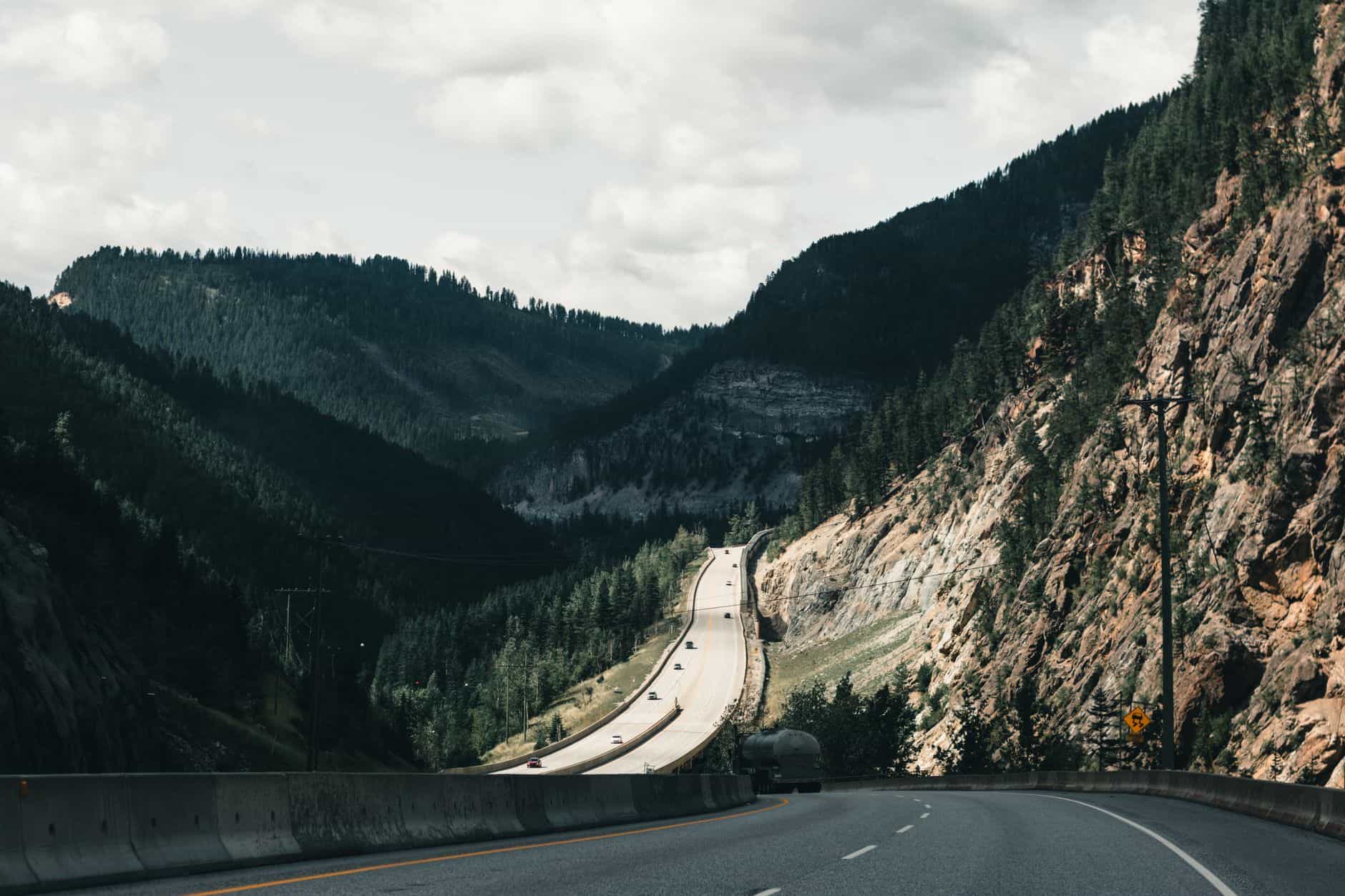
Going-to-the-Sun Road itself, completed in 1932 after more than a decade of construction across extraordinarily difficult terrain, remains one of the engineering marvels of the National Park System, climbing to Logan Pass at 6,646 feet through terrain that requires seasonal snow removal crews to spend weeks each spring digging the road out before it can even open, often not until early June and sometimes later depending on snowfall.
What Changed for Visitors Beyond the Road
The Practical Adjustments
- Many Glacier Hotel and Lake McDonald Lodge require booking nearly a year in advance for peak season
- Backcountry permits for popular routes like the Highline Trail have become genuinely competitive
- Shuttle service along Going-to-the-Sun Road has expanded to reduce private vehicle congestion
- Glacier’s namesake ice fields have shrunk dramatically, with some glaciers reduced by more than 80 percent since 1850
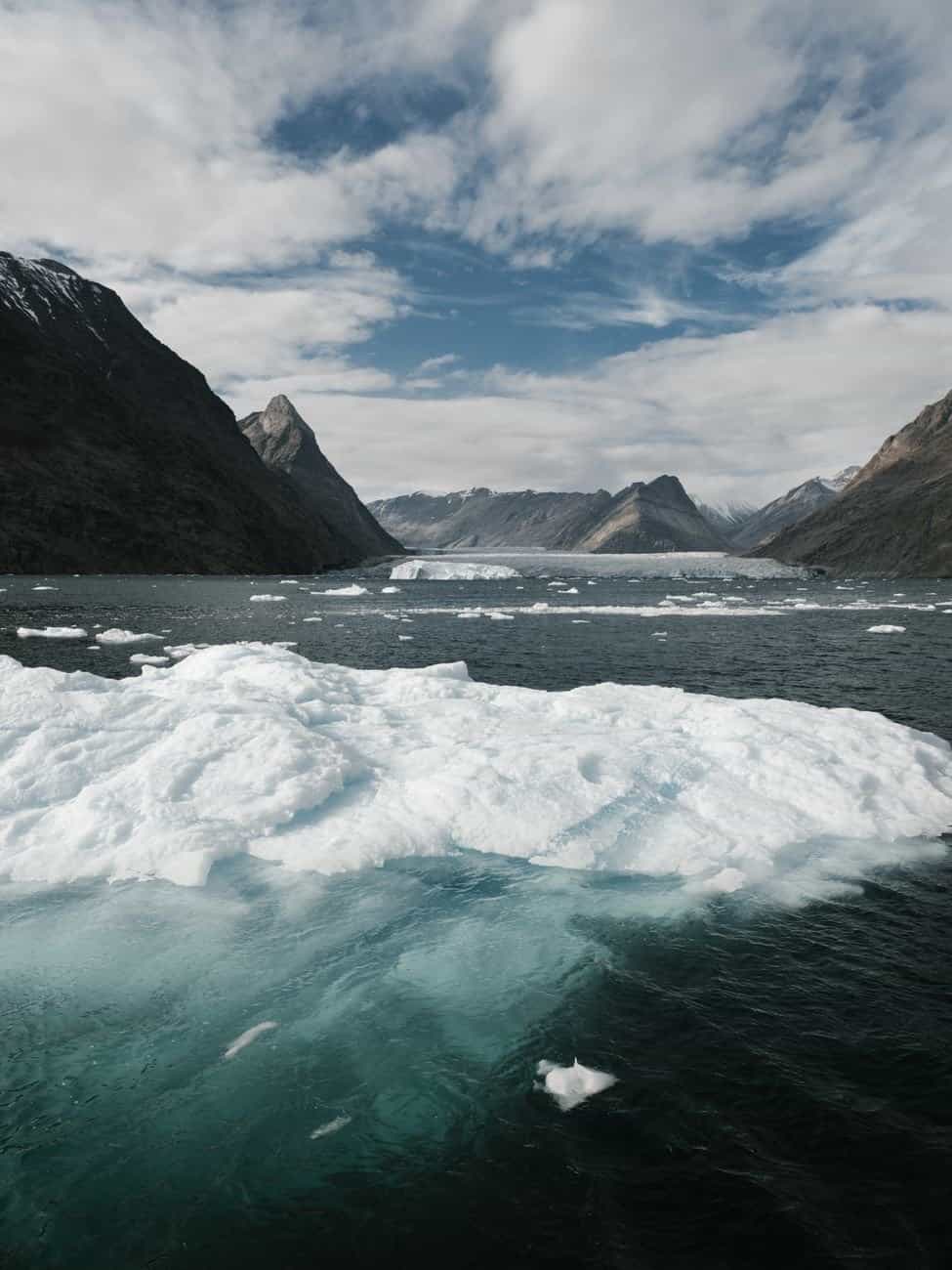
The park’s glaciers themselves, the reason for the name, have retreated dramatically over the past century, and U.S. Geological Survey monitoring shows several of the park’s 25 remaining named glaciers could disappear entirely within the coming decades if current warming trends continue. That reality has added a layer of urgency to visitation, with a measurable subset of visitors explicitly citing a desire to see the glaciers before they’re gone as their reason for planning the trip now rather than later, a phenomenon sometimes called last-chance tourism that park researchers have documented at several similarly threatened landscapes.
Local gateway communities, particularly West Glacier and Whitefish, have adapted their own economies around the reservation system’s rhythms, with lodging and outfitting businesses now marketing heavily around helping visitors navigate the reservation process itself, an entire secondary economy that didn’t exist before 2021 and that reflects how much friction the system has introduced into what used to be a far more spontaneous national park visit.
Whether the System Is Actually Working
Park staff and visitor surveys suggest the reservation system has succeeded in reducing the most severe traffic backups that plagued the park in the years before its implementation, when cars sometimes waited hours just to enter certain corridors during peak midday hours. But it has also shifted the character of a Glacier visit from a possible last-minute decision to something requiring the same level of advance planning as a major theme park, a tradeoff that park administrators openly acknowledge while arguing it remains preferable to the alternative of unmanaged overcrowding degrading both visitor experience and the fragile alpine ecosystems the park exists to protect.
What Longtime Visitors Say Changed
Families who have visited Glacier for generations describe a bittersweet adjustment period. The spontaneity that once defined a trip, deciding at breakfast to drive Going-to-the-Sun Road that afternoon, has been replaced by a logistics exercise that starts weeks before departure. Some longtime visitors have simply stopped going during peak summer months entirely, shifting their trips to September, after the reservation requirement typically lifts but before snow closes the high sections of the road, a narrow window that has itself become more crowded as word spreads about the shoulder-season advantage.
Park concessionaires report that shoulder season bookings, once considered the off-peak discount period, have climbed substantially as savvy travelers trade the certainty of summer access for the tradeoff of cooler weather and a shorter list of open facilities, a rebalancing that has effectively created two Glacier tourist seasons where there used to be one clear summer peak and a long, quiet winter.
The Bigger Question the Reservation System Raises
Glacier’s experience has become a reference point for other heavily visited national parks now considering similar systems, including Arches, Zion, and Rocky Mountain, each weighing the same tradeoff between protecting the resource and preserving the spontaneous access that has historically defined the American national park experience.
Whatever the eventual national consensus becomes, Glacier’s early adoption means the park has several years of data other systems lack, and park service officials elsewhere are watching its outcomes closely as a test case for what heavily visited wilderness may increasingly look like nationwide.