Americans Tip at Home Without Thinking. Abroad, the Same Habit Can Cause a Scene
We may earn money or products from the companies mentioned in this post. This means if you click on the link and purchase the item, I will receive a small commission at no extra cost to you ... you're just helping re-supply our family's travel fund.
People often tip more generously on vacation than in their home routine because the comparison point changes. At home, a coffee, ride, or meal joins a familiar monthly budget. On a trip, the same transaction becomes part of a bounded experience that already includes airfare, lodging, and plans. Behavioral researchers describe versions of this as mental accounting: people place money in different conceptual buckets even when every dollar comes from the same account.
A different setting loosens the usual budget
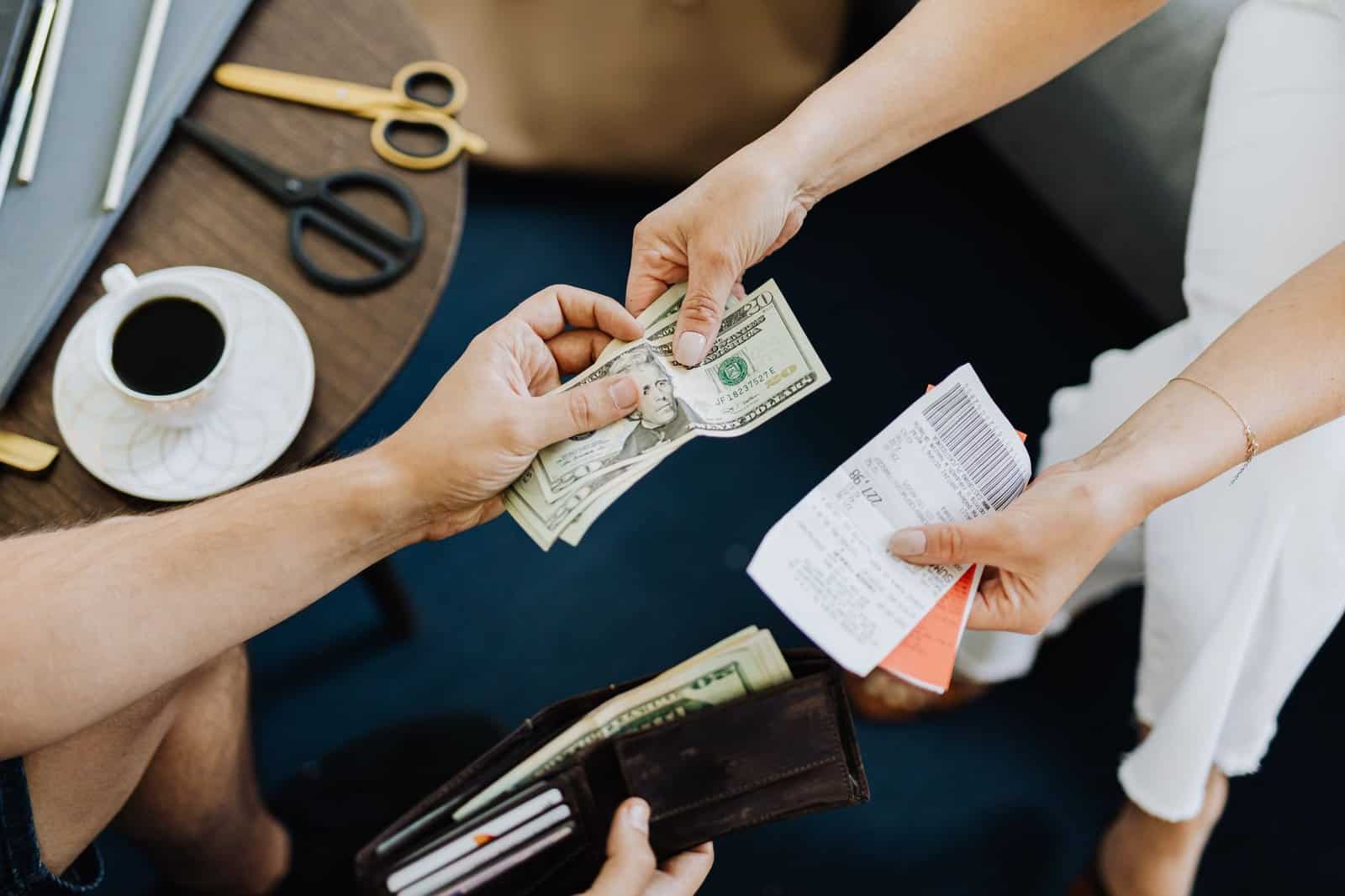
A 20 percent restaurant tip is customary in much of the United States, but the perceived extra cost can feel smaller when it is folded into a holiday total. Travelers may also tip more because they are grateful for help in an unfamiliar setting or because they worry about appearing rude when local norms are unclear. The extra generosity is not always irrational. Service workers may be doing more orientation, problem-solving, and emotional labor for visitors than they do for regulars.
Gratitude and guilt travel together
Geographic distance also loosens feedback. At home, someone may return to the same café and know the prices, workers, and usual pattern. On vacation, a traveler may never see the person again. That can encourage a one-time burst of generosity, but it can also encourage careless spending or a belief that a large tip purchases special status. It does not. The most respectful tip is one that fits local custom and accompanies basic decency.
Vacation mode changes the reference point
The practical complication is that customs vary widely. A full-service restaurant in the United States, a hotel porter, a guide, a taxi, and a counter-service café can carry different expectations; many countries use service charges or have lower tipping norms. Research before departure, look at the bill for included service, and keep small local currency where appropriate. Asking a hotel desk or a trusted local business is better than copying a viral rule from a different country.
Generosity still needs a local rulebook
Vacation mode can be a chance to budget generosity on purpose. Set aside a small amount for tips and unexpected help, then pay attention to how the service was delivered. That is better than adding a dramatic amount after overspending all week or under-tipping because a foreign payment screen caused confusion. The goal is not to make a trip cheaper at another person’s expense. It is to make the spending ethical and deliberate.
- Research local tipping norms before the departure day.
- Check bills for included service charges before adding another percentage.
- Carry a small amount of local cash when that is customary.
- Budget tips as part of daily travel costs rather than an afterthought.
- Do not use a tip to demand exceptions, access, or personal attention.
What an attentive visit changes
The most useful way to approach this subject is to separate a memorable image from the system that produces it. A different setting loosens the usual budget is not an abstract theme; it is visible in schedules, property choices, staffing, roads, and the small decisions that residents make every week. A traveler does not need expert credentials to notice those connections. They do need enough time to look past the quickest version of the story and enough humility to avoid mistaking a short stay for total knowledge.
That distinction changes the itinerary. Instead of trying to collect every landmark, leave room for a normal block, a local meal at an ordinary hour, a bus or walk that follows daily movement, and a conversation in which the visitor listens more than they perform expertise. The point is not to claim an insider identity after a weekend. It is to come away with a better question about how place, work, culture, and money fit together.
Pay attention to the operating details
Operating details often explain more than promotional language. Look at when a street is busy, how long the drive actually takes, what people carry out of shops, where public space ends, and whether an attraction depends on a fragile landscape or a workforce with limited housing. These observations make travel more interesting because they restore cause and effect. A beautiful view can remain beautiful while becoming less anonymous.
There is also a practical benefit. Travelers who plan with context are less likely to arrive at the wrong hour, overbook a day, ignore seasonal constraints, or spend all their money inside the most expensive corridor. They can make choices that are kinder to their own energy and more useful to the places hosting them. The result is not a perfect trip. It is a trip that has a chance to be both enjoyable and proportionate.
This approach also leaves room for disagreement and change. Local conditions evolve: a storefront closes, a route gains service, a storm alters access, a new employer shifts demand, or a community decides that an old arrangement no longer works. Treating a destination as fixed makes every update look like a disappointment. Treating it as a living place makes updates part of the reason to return. The traveler’s job is not to preserve a preferred image of somewhere else. It is to arrive prepared, observe carefully, and accept that the people who live there have a longer relationship with its future. That is why a return visit can be more valuable than a larger checklist: familiarity makes the changes visible, and it makes a guest less likely to confuse novelty with importance. It can also make a traveler more patient with an imperfect day, more considerate about capacity, and more willing to find value outside the single attraction that originally prompted the trip. Over time, this habit produces a more durable travel memory: not just a record of where someone went, but a more grounded account of how the place worked while they were there. The added context makes recommendations more useful because it explains who benefits, what is fragile, and why a detail that seems minor may shape a local day.
Tip with attention, not performance
Vacation tipping feels different because travel changes the frame around money, gratitude, and social uncertainty. A traveler is often more open-handed when normal routines are far away. That can be a good instinct when it is informed by local practice. The strongest version of vacation generosity is not conspicuous. It is accurate, timely, and respectful.