Kalispell, Montana Is What Glacier Tourists Drive Through. It’s Also a Real City With Real Problems.
We may earn money or products from the companies mentioned in this post. This means if you click on the link and purchase the item, I will receive a small commission at no extra cost to you ... you're just helping re-supply our family's travel fund.
Most Glacier National Park visitors pass through Kalispell, Montana on the way to the park’s west entrance without stopping for more than gas or a quick meal, treating it as infrastructure rather than a destination, even though Kalispell itself has become one of the fastest-growing small cities in Montana, with its own housing crisis, its own economic transformation, and its own increasingly strained relationship with the tourism traffic passing through it.
The Growth Numbers Behind the Gateway
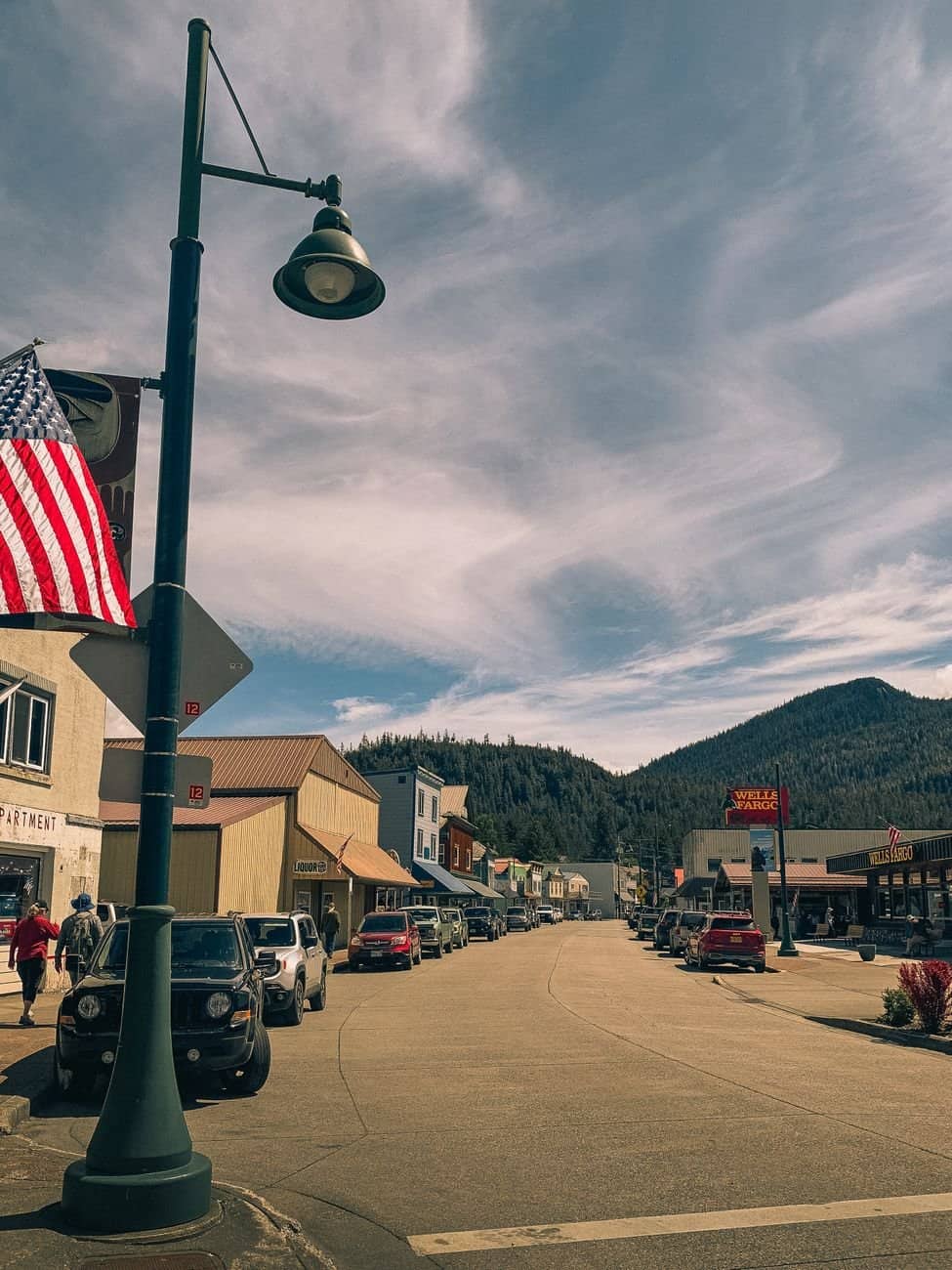
Flathead County’s population has grown substantially over the past decade, driven by a wave of relocations from more expensive states, particularly California and Washington, drawn by the Flathead Valley’s combination of mountain scenery, relative affordability compared to nearby Whitefish and Bozeman, and proximity to both Glacier National Park and Flathead Lake, one of the largest freshwater lakes west of the Mississippi.
That growth has pushed median home prices in Kalispell up sharply, even as the city’s economy remains only partially tied to tourism, with healthcare, retail, and a growing logistics sector tied to the valley’s expanding population providing a more diversified employment base than the more overtly tourism-dependent economies of Whitefish or West Glacier just up the road.
What Kalispell Actually Offers Beyond the Drive-Through
What’s There If You Stop
- A revitalized historic downtown core with locally owned restaurants and shops
- Conrad Mansion, a preserved 1895 historic home open for public tours
- Access to Flathead Lake, roughly 15 minutes south, without Whitefish’s premium pricing
- Kalispell City Airport and Glacier Park International Airport nearby providing regional air access
Local officials have increasingly tried to encourage Glacier-bound travelers to spend at least a night in Kalispell rather than treating it purely as a pass-through point, arguing that the city has developed enough dining and lodging infrastructure over the past decade to justify a stop rather than a straight drive to the park entrance.
Whether that messaging succeeds matters economically to a city increasingly caught between rapid population growth driven by remote workers and retirees, and a visitor economy still largely oriented around getting people to Glacier as efficiently as possible rather than encouraging them to linger in a city that, however unglamorously, has become one of the more consequential population centers in northwest Montana.
The Longer-Term Trajectory
Longtime observers of this pattern note that the early years after a place or trend gains attention are rarely the ones that determine its lasting character. The more decisive period tends to arrive several years later, once the initial wave of interest either sustains itself through genuine infrastructure investment or fades as attention moves elsewhere, leaving behind whatever changes already took root during the busier years.
That delayed reckoning is precisely why comparisons across a full decade, rather than a single before-and-after snapshot, tend to produce a more accurate picture of what actually changed and what merely appeared to change while the cameras and headlines were still pointed in that direction.
Why This Keeps Getting Overlooked
Part of the reason this dynamic receives less attention than it probably deserves is structural: the initial story, whether a viral moment, a policy change, or a shift in travel patterns, is simply more compelling to cover than the slower, less dramatic process of adjustment that follows it over subsequent years, which rarely fits into a single headline or a short video.
That mismatch between what gets covered and what actually matters most to the people living through the change is a recurring feature of how places, trends, and communities get discussed publicly, and it tends to leave a persistent gap between popular perception and the more complicated reality on the ground.
What This Means Going Forward
The broader pattern here reflects something researchers and local officials increasingly track closely: the gap between how a place or trend is perceived from the outside and how it actually functions day to day for the people living inside it or making decisions about it. That gap rarely closes on its own, and it tends to widen further whenever outside attention, whether from tourism, media coverage, or social platforms, arrives faster than the underlying infrastructure or community capacity can absorb it.
What tends to happen next depends heavily on decisions made by the people closest to the situation, whether that means local governments, longtime residents, or the businesses that have to adapt fastest, and those decisions rarely get the same national attention as the initial trend or story that put the place on the map in the first place, even though they matter considerably more to how things actually turn out over the following decade.
The Longer-Term Trajectory
Longtime observers of this pattern note that the early years after a place or trend gains attention are rarely the ones that determine its lasting character. The more decisive period tends to arrive several years later, once the initial wave of interest either sustains itself through genuine infrastructure investment or fades as attention moves elsewhere, leaving behind whatever changes already took root during the busier years.
That delayed reckoning is precisely why comparisons across a full decade, rather than a single before-and-after snapshot, tend to produce a more accurate picture of what actually changed and what merely appeared to change while the cameras and headlines were still pointed in that direction.
Why This Keeps Getting Overlooked
Part of the reason this dynamic receives less attention than it probably deserves is structural: the initial story, whether a viral moment, a policy change, or a shift in travel patterns, is simply more compelling to cover than the slower, less dramatic process of adjustment that follows it over subsequent years, which rarely fits into a single headline or a short video.
That mismatch between what gets covered and what actually matters most to the people living through the change is a recurring feature of how places, trends, and communities get discussed publicly, and it tends to leave a persistent gap between popular perception and the more complicated reality on the ground.
What This Means Going Forward
The broader pattern here reflects something researchers and local officials increasingly track closely: the gap between how a place or trend is perceived from the outside and how it actually functions day to day for the people living inside it or making decisions about it. That gap rarely closes on its own, and it tends to widen further whenever outside attention, whether from tourism, media coverage, or social platforms, arrives faster than the underlying infrastructure or community capacity can absorb it.
What tends to happen next depends heavily on decisions made by the people closest to the situation, whether that means local governments, longtime residents, or the businesses that have to adapt fastest, and those decisions rarely get the same national attention as the initial trend or story that put the place on the map in the first place, even though they matter considerably more to how things actually turn out over the following decade.