The Thailand Tourists Visit and the Thailand 70 Million People Actually Live In Are Almost Two Different Countries
We may earn money or products from the companies mentioned in this post. This means if you click on the link and purchase the item, I will receive a small commission at no extra cost to you ... you're just helping re-supply our family's travel fund.
Bangkok’s Khao San Road, Phuket’s beach resort strip, and the full-moon parties on Koh Phangan represent the version of Thailand that dominates most Western tourists’ entire trip, an economy and culture built almost entirely around foreign visitor spending, distinct in nearly every meaningful way from the Thailand that its roughly 70 million citizens actually inhabit day to day. That gap between tourist-facing and local reality exists to some degree in every heavily visited country, but it runs unusually wide in a handful of specific destinations where tourism revenue is large enough, relative to the local economy, to sustain an almost entirely separate parallel infrastructure.
Why Thailand’s gap runs so wide specifically
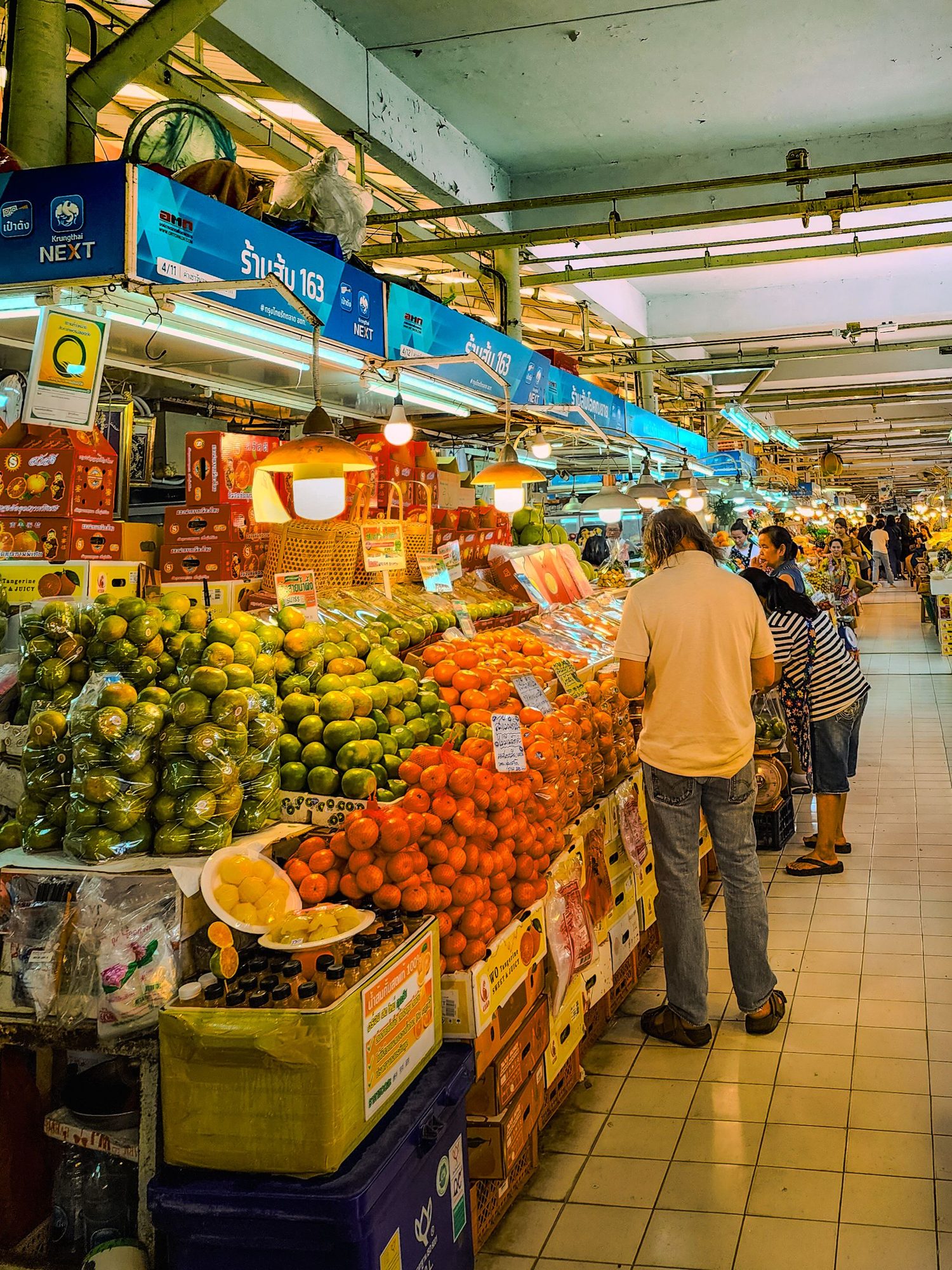
Tourism accounts for a substantial share of Thailand’s GDP, among the highest tourism-dependency ratios of any large economy globally, and decades of sustained foreign visitor volume have built entire micro-economies — full English-language menus, Western-style bar streets, resort infrastructure — that most Thai citizens outside the tourism industry itself rarely interact with directly. Local Thai food, sold at markets and small family-run shops throughout Bangkok and beyond, differs substantially from the toned-down, sweetened versions typically served at tourist-district restaurants, a difference experienced travel writers and long-term expats consistently point to as one of the clearest, most immediate signals of which version of the country a visitor is actually experiencing. Bangkok’s actual daily life — commuting on the BTS Skytrain, shopping at wet markets, temple visits woven into normal weekly routine rather than treated as sightseeing events — proceeds largely independent of the tourist zones, occupying the same city but functioning almost like parallel, barely overlapping systems.
Other destinations where the same split shows up clearly
Venice offers one of the starkest European examples, with a historic center that now has more overnight tourists on a typical day than actual permanent residents, who have declined to roughly 50,000 people living in the historic city, down from around 175,000 in the mid-20th century, meaning the “local” Venice experienced by most visitors is increasingly maintained specifically for tourism rather than reflecting how the shrinking permanent population actually lives. Bali presents a similar dynamic concentrated specifically in Kuta, Seminyak, and Canggu, areas that function almost entirely as expat and tourist enclaves, while the island’s Hindu Balinese culture, agricultural rice-terrace economy, and traditional village structure continues largely undisturbed just a short drive inland, coexisting with but rarely intersecting the beach-club tourist economy along the coast.
Chiang Mai in northern Thailand offers a useful middle example between the two extremes, having developed a substantial digital nomad and long-term expat community over the past decade that occupies a genuinely intermediate position — not purely a short-term tourist bubble like Phuket’s beach resorts, but not fully integrated into local Thai life either, producing its own distinct hybrid culture of co-working spaces, expat-run cafes, and long-term visa arrangements that differs from both the tourist-bubble and fully local versions of the country described elsewhere.
How the gap tends to show up most clearly to travelers
- Menu language and pricing — dual-pricing systems for tourists versus locals are common and sometimes explicit
- Transportation patterns — tourist zones often have dedicated shuttle or taxi infrastructure locals rarely use
- Housing displacement — short-term rental conversion has pushed residents out of historically local neighborhoods in cities like Venice and Barcelona
- Religious and cultural sites treated as sightseeing stops by visitors but as ordinary parts of daily practice by residents
How travelers actually bridge the gap when they want to
Thai government tourism policy has actively grappled with this split for years, with periodic campaigns encouraging visitors toward secondary cities and regions specifically to spread tourism revenue beyond the handful of destinations that currently absorb the overwhelming majority of foreign visitor spending. Those campaigns have had limited success altering the dominant Bangkok-Phuket-Chiang Mai visitor pattern, partly because the existing tourist infrastructure in those established destinations creates a self-reinforcing cycle that’s difficult for newer, less-visited regions to compete with regardless of government promotional spending.
Travelers genuinely interested in experiencing a country’s actual daily life rather than its tourist-facing parallel version tend to rely on a specific, learnable set of habits: eating where locals eat, identifiable partly by menus not translated into English and partly by simply asking residents rather than hotel concierges for recommendations; using public transit rather than tourist shuttles; and deliberately building unstructured time into an itinerary rather than moving directly between pre-planned attractions. None of this eliminates the gap entirely — a foreign visitor will always experience a place differently than someone who’s lived there their whole life — but the gap between the two versions of a heavily touristed country is real, well-documented, and, unlike jet lag or currency exchange rates, something a traveler can meaningfully narrow simply by choosing to.
Similar tourist-versus-local splits show up across much of Southeast Asia beyond Thailand specifically, with Vietnam’s Ha Long Bay cruise industry and Cambodia’s Angkor Wat temple complex both generating comparable, well-documented gaps between the heavily managed visitor experience and the considerably different daily life of nearby residents, suggesting the pattern reflects broader regional tourism economics rather than something unique to Thailand’s specific history or culture.
Long-term expats who’ve lived in Thailand for years consistently describe an adjustment period during which they gradually shift from experiencing the tourist version of the country to genuinely understanding the local one, a transition that typically takes months rather than the days or weeks most visitors have available on a standard trip.