Taking Amtrak Across the Country Takes Three Days and Multiple Unscheduled Stops. People Still Keep Doing It on Purpose
We may earn money or products from the companies mentioned in this post. This means if you click on the link and purchase the item, I will receive a small commission at no extra cost to you ... you're just helping re-supply our family's travel fund.
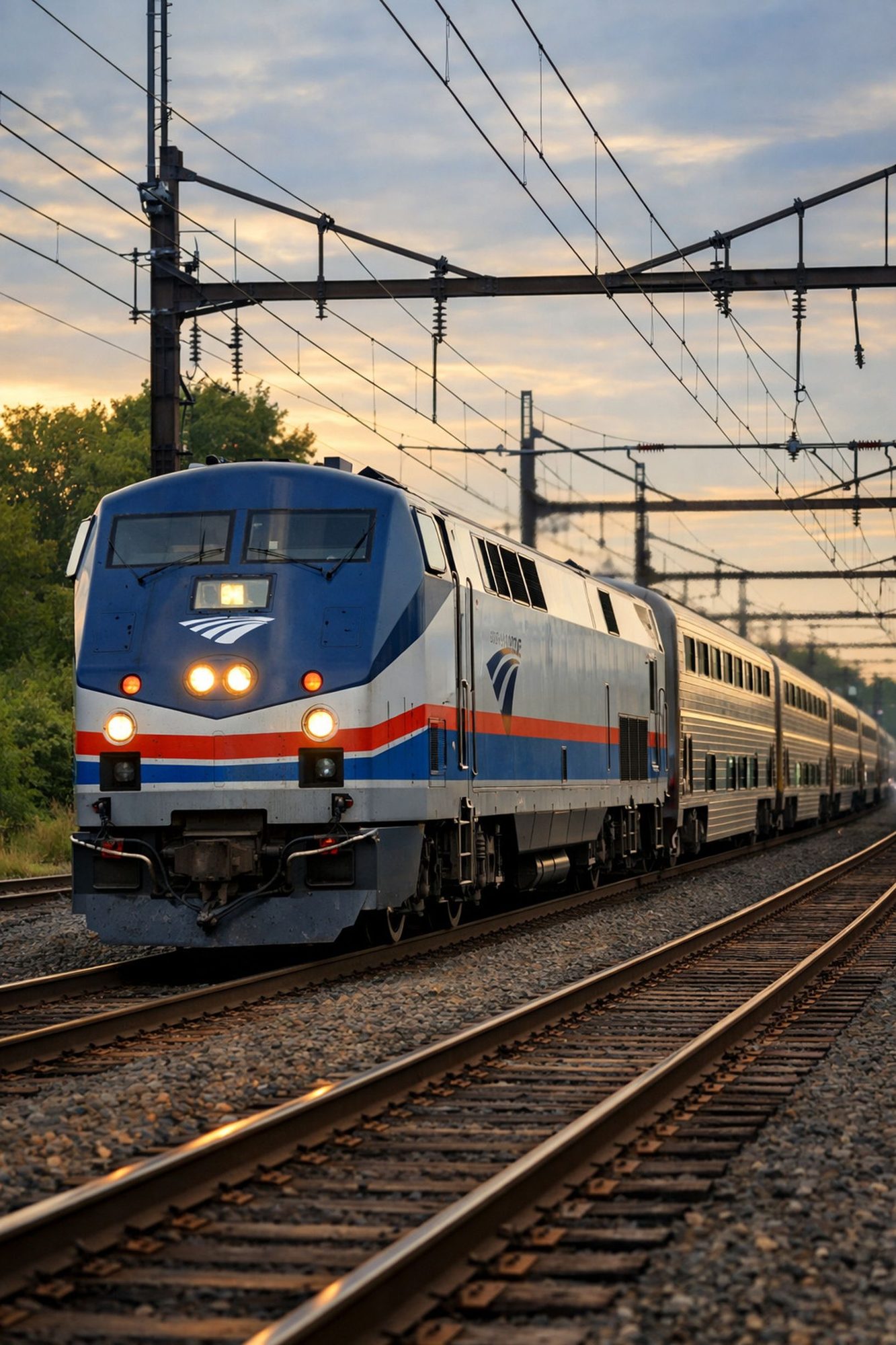
Amtrak’s California Zephyr, running from Chicago to Emeryville near San Francisco, covers roughly 2,400 miles over a scheduled 51 hours, though delays are common enough that Amtrak’s long-distance routes have historically run on-time rates well below domestic airline standards, largely because Amtrak owns very little of the track it operates on outside the Northeast Corridor and must yield priority to freight rail traffic on most of the country’s rail network. A traveler booking a multi-day cross-country Amtrak trip should plan for the schedule to be a rough estimate rather than a reliable commitment, and most experienced Amtrak long-distance travelers build in buffer days on either end specifically because of this.
What the actual experience is like day to day
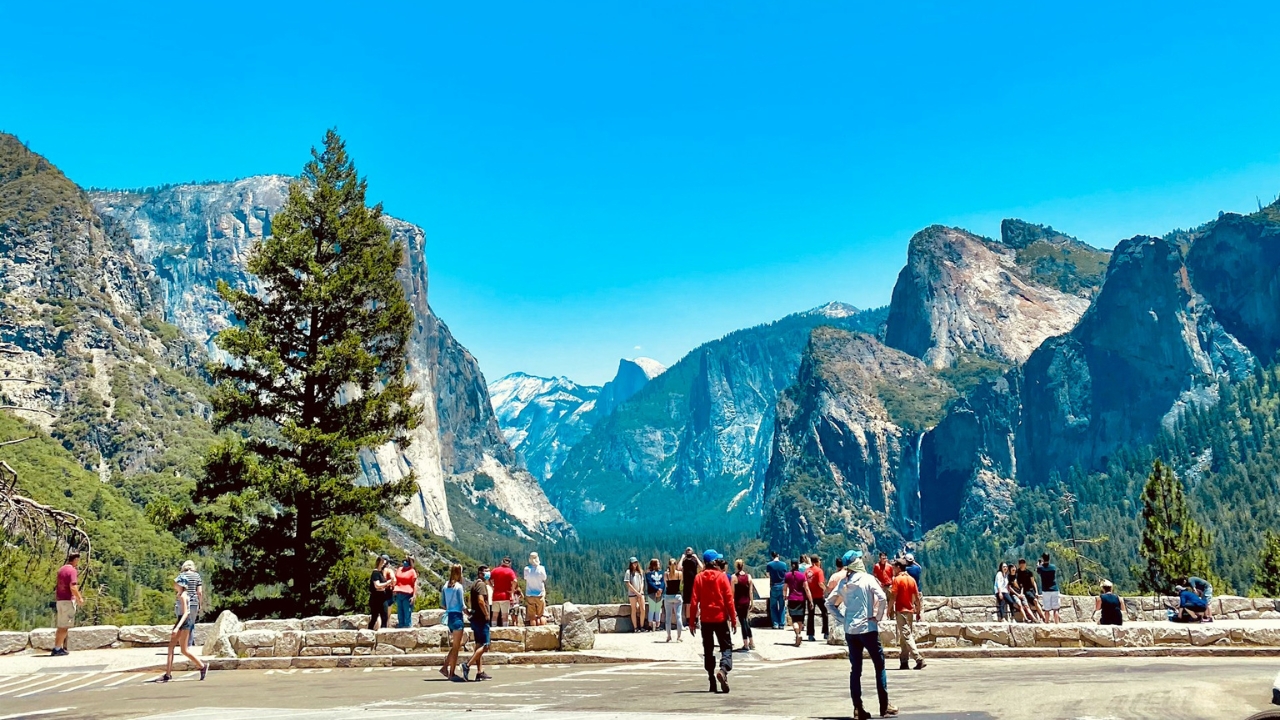
Coach seats recline further than any domestic airline seat and come with considerably more legroom, but sleeping upright for multiple nights genuinely wears on most travelers, which is why frequent long-distance Amtrak riders often save up for a sleeper cabin, called a roomette on most routes, which includes actual beds, meals included in the fare, and a level of privacy that transforms the experience from an endurance test into something closer to a genuinely relaxing, scenery-focused trip. The observation cars on scenic routes like the California Zephyr, which crosses the Rocky Mountains and the Sierra Nevada, offer floor-to-ceiling windows specifically because the route passes through terrain, including Colorado’s Rocky Mountain canyons, inaccessible to any interstate highway, giving train travelers a view of the American landscape that driving the same general route simply cannot replicate.
Dining car service on long-distance routes has become a genuine social institution among frequent riders, since Amtrak’s traditional seating policy pairs solo travelers together at shared tables for meals, producing conversations between total strangers that wouldn’t happen on a plane, where seatmates rarely speak beyond a polite nod. Longtime Amtrak riders describe this forced social mixing as one of the trip’s actual highlights rather than an inconvenience, a detail that surprises first-time riders who expect the dining car experience to feel awkward rather than genuinely enjoyable.
International comparisons make the American passenger rail experience look even more unusual, since countries including Japan, France, and China have built dedicated high-speed rail infrastructure that routinely outperforms domestic flights on comparable distances for both speed and reliability, a contrast that American rail advocates frequently invoke when arguing for greater federal investment, even though the geographic scale and existing freight-dominated track ownership structure of the American rail network present genuinely different challenges than the more centralized systems those other countries built largely from scratch.
The honest costs, in both money and time
A coach ticket across the country can be genuinely inexpensive, sometimes cheaper than a comparable flight, but a sleeper cabin, which most riders would consider necessary for a multi-night trip to be comfortable, often costs more than an equivalent one-way flight, especially once meals included in the sleeper fare are factored into the comparison. The time cost is the more significant tradeoff: three days on a train covers distance a flight covers in five or six hours, meaning cross-country Amtrak travel functions primarily as a deliberate experience rather than an efficient way to get somewhere, chosen specifically by travelers who want the multi-day journey itself, not just the destination.
What to actually expect, realistically
- Delays of several hours are common enough to plan around, especially on routes sharing track with heavy freight traffic
- Wi-Fi is spotty to nonexistent across large stretches, particularly through mountain and rural terrain
- Sleeper cabins book up weeks or months ahead on popular routes during peak summer and holiday travel periods
- Smoking and fresh-air breaks happen at select station stops, some lasting 20 minutes or more, giving riders a chance to step outside
Why people keep choosing it anyway
Amtrak has received renewed federal investment in recent years aimed specifically at improving on-time performance and expanding certain routes, part of a broader push connected to infrastructure legislation that included dedicated rail funding, though the improvements remain incremental relative to the scale of the underlying track-ownership and freight-priority issues that have constrained American passenger rail reliability for decades. Rail advocates point to this investment as a genuinely hopeful, if slow-moving, sign that long-distance train travel’s reliability problems could meaningfully improve over the coming decade, even as most riders today still plan around the current, more unpredictable reality rather than the improved system advocates hope is eventually coming.
Long-distance Amtrak ridership has grown steadily on scenic routes even as flying and driving remain objectively faster and often cheaper, largely because the trip itself, not the arrival, is what riders are actually purchasing. Watching the Rocky Mountains pass a floor-to-ceiling window over an unhurried breakfast, without airport security lines or the compressed anxiety of a connecting flight, offers a specific kind of travel experience that American infrastructure otherwise makes genuinely difficult to access, and that scarcity, more than any efficiency argument, is what keeps sleeper cabins selling out on the country’s most scenic long-distance routes year after year.
Amtrak’s own ridership data shows long-distance scenic routes recovering more strongly in relative terms since the pandemic than some of the airline industry’s short-haul domestic routes, a trend Amtrak has attributed partly to renewed interest in slower, more deliberate forms of travel among a subset of leisure travelers specifically seeking an alternative to the increasingly rushed, fee-heavy experience that flying has become for many domestic routes.
Rail enthusiasts and casual travelers alike increasingly document these cross-country trips extensively online, building an entire subculture of trip reports and route recommendations that function as a genuinely useful, crowd-sourced planning resource for anyone considering a first long-distance Amtrak journey.